
Mushrooms pop up in yards for several reasons, mainly due to the presence of organic matter, favorable soil moisture, and the right environmental conditions. These are nature’s recyclers, breaking down dead plant material.
Seeing mushrooms sprout in your lawn can be a curious sight. Often, people wonder why these fungi appear, especially if they haven’t noticed them before. The answer is quite simple: your yard has become a hospitable environment for them. Mushrooms are the fruiting bodies of fungi, and these fungi are working hard beneath the surface. They are nature’s essential decomposers, playing a vital role in breaking down dead plant material and returning nutrients to the soil. For gardeners, this can be a sign that your lawn is healthy, or it might indicate an imbalance that needs addressing. Let’s explore the common reasons for mushroom growth and what it means for your yard.
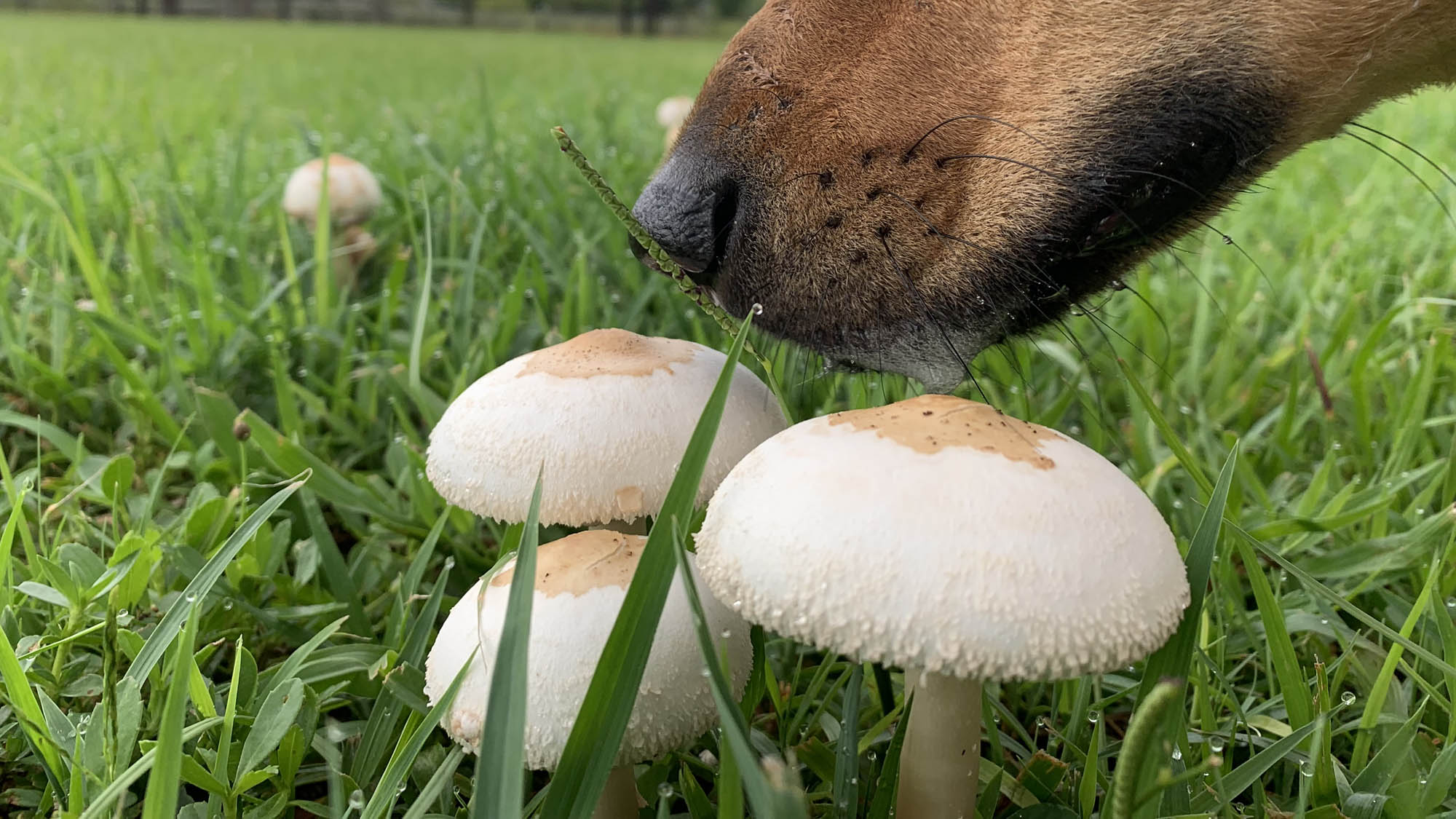
Image Source: homegrown.extension.ncsu.edu
Deciphering the Fungal Feast: What Mushrooms Need to Thrive
Fungi, the kingdom to which mushrooms belong, are fascinating organisms. They don’t photosynthesize like plants; instead, they absorb nutrients from their surroundings. This means they need a food source and the right conditions to flourish.
The Essential Ingredients for Mushroom Growth
Mushrooms require a few key elements to appear above ground. Think of them as the ingredients for a fungal recipe:
- Food Source: This is the most crucial element. Fungi feed on organic matter. This can include dead leaves, grass clippings, buried roots, animal droppings, and even decaying wood. The more organic matter present in your soil, the more food there is for the fungi.
- Moisture: Fungi need water to grow and reproduce. Consistent soil moisture is vital. Heavy rainfall, over-watering, or humid weather can all contribute to the ideal moisture levels for mushrooms. They are particularly fond of damp conditions, but not waterlogged soil.
- Temperature: While fungi are adaptable, certain temperatures encourage fruiting. This often occurs in the spring and fall when temperatures are moderate and moisture is plentiful. However, some species can thrive in warmer or cooler conditions.
- Oxygen: Fungi are aerobic organisms, meaning they need oxygen to survive. Well-aerated soil allows for this. However, overly compacted soil can hinder aeration, and while fungi can still grow in such conditions, it might favor certain species.
- Darkness/Shade: Many mushroom species prefer shaded or partially shaded areas. Prolonged exposure to direct sunlight can dry out the soil and inhibit fungal growth. Areas under trees or in parts of your yard that don’t receive much direct sun are prime mushroom real estate.
Common Culprits: Why Mushrooms Appear in Your Yard
Let’s look at the most frequent reasons you might be finding mushrooms scattered across your lawn or garden beds.
The Role of Organic Matter
Organic matter is the foundation for most fungal growth. It’s essentially the food source that fungi break down.
- Leaf Litter and Grass Clippings: If you tend to leave fallen leaves on your lawn or don’t rake up grass clippings, you’re providing a buffet for fungi. Over time, these materials decompose, and fungi are the primary agents of this decomposition.
- Compost: If you have a compost pile, or if compost has been incorporated into your garden beds, it’s a rich source of organic matter. Mushrooms can easily sprout from compost that is still in the process of breaking down.
- Buried Debris: Sometimes, past landscaping or gardening efforts leave buried organic material. This could be old roots, wood scraps, or even buried sod. These hidden treasures provide a steady food source for fungi, leading to mushroom growth as they work their way to the surface.
- Animal Droppings: While less common in well-maintained lawns, pet waste or droppings from wild animals can also contribute to localized areas of rich organic matter, encouraging mushroom growth.
Moisture, Moisture Everywhere
Water is a catalyst for fungal activity. Without adequate moisture, the underground network of fungi (mycelium) won’t produce visible mushrooms.
- Rainfall Patterns: Periods of heavy rain followed by warm, humid weather are ideal for mushroom fruiting. The ground becomes saturated, and the temperature is right for the fungal mycelium to send up mushrooms.
- Over-watering: While essential, too much water can also be detrimental to lawn health in general. However, for fungi, consistent watering that keeps the soil moisture high is a direct invitation. Lawns that are frequently watered, especially in shaded areas, are more prone to mushroom growth.
- Dew and Humidity: High humidity, especially overnight dew, can provide enough moisture on the surface and within the top layers of the soil to trigger mushroom formation, even without recent rain.
The Significance of Decaying Wood
Decaying wood is a favorite food for many types of fungi. If you have old tree stumps, fallen branches, or buried lumber, these are prime locations for mushrooms.
- Tree Stumps: Old stumps, especially those that are still in the ground, are essentially large blocks of decaying wood. Fungi will colonize these, and you’ll often see mushrooms growing directly from or around the base of the stump.
- Buried Lumber: If you’ve had construction or landscaping done, there might be buried pieces of wood. These will eventually rot, becoming a food source for fungi.
- Wood Chips and Mulch: While beneficial for lawn health, if you use wood chip mulch, especially if it’s mixed with soil or has been in place for a while, it can also support fungal growth.
Shade and Soil Type
The environment plays a crucial role in determining where mushrooms appear.
- Shade: As mentioned, many fungi thrive in shade. Areas of your yard that are perpetually shaded by trees, fences, or buildings offer cooler, moister conditions that are less likely to dry out. This makes them ideal habitats for mushrooms.
- Soil Type: The soil type itself can influence mushroom growth. Clay soils tend to retain moisture longer than sandy soils, which can create more consistently damp conditions. However, fungi can adapt to various soil types as long as their basic needs are met. Compacted clay soils, however, can sometimes lead to waterlogging, which certain fungi might tolerate.
- Soil Compaction and Aeration: While fungi need oxygen, they can also grow in compacted soils. However, poor aeration can affect the overall lawn health and may favor certain types of fungi over others. Over time, the breakdown of organic matter by fungi can actually help to improve soil structure.
Fertilizers and Lawn Health
The use of fertilizer can indirectly influence mushroom growth.
- Excess Nitrogen: Fertilizers rich in nitrogen can stimulate the growth of grass and other plants, but they can also encourage fungal growth if not applied correctly. If fertilizer is applied unevenly or if there’s a buildup in certain areas, it can create localized conditions that promote mushrooms.
- Lawn Health: Paradoxically, mushrooms can sometimes be a sign of a healthy lawn, especially if the mushrooms are associated with fairy rings. However, they can also indicate a problem. If your lawn is struggling with compaction or thatch buildup, these issues can also create conditions favorable for mushrooms. The goal is always a balanced lawn health that supports desirable growth without encouraging unwanted fungi.
Types of Mushrooms You Might Find
Not all mushrooms are created equal, and their appearance can tell you something about the conditions in your yard.
Common Mushroom Appearances in Yards
- Fairy Rings: These are circles of mushrooms that appear in lawns. They are caused by the outward growth of the fungal mycelium underground. The fungus feeds on organic matter, and as it grows, it can sometimes deplete nutrients in the center of the ring, leading to less grass growth there, while the outer edge thrives and produces mushrooms.
- Clusters: Mushrooms often grow in clusters, especially around decaying wood or rich organic matter.
- Solitary Mushrooms: Some mushrooms will pop up individually, often in areas where conditions are just right.
Are the Mushrooms in My Yard Dangerous?
This is a common and important question. The answer depends on the species.
Identifying Potentially Harmful Mushrooms
- Toxicity: Many wild mushrooms are non-toxic and harmless. However, some species are poisonous and can cause illness or even be deadly if ingested.
- Identification is Key: It is critically important not to eat any wild mushroom unless you are an expert mycologist and can positively identify it as edible. The risk of misidentification is too high. Even common lawn mushrooms can have toxic look-alikes.
- Pets and Children: If you have pets or small children who might be tempted to sample mushrooms, it’s best to remove them to prevent accidental ingestion.
What to Do About Mushrooms in Your Yard
Whether you need to worry about mushrooms depends on your personal preferences and the type of mushrooms you’re seeing.
Managing Mushroom Growth
- Embrace Them: If the mushrooms aren’t causing any problems and you don’t mind their appearance, you can simply leave them be. They are a sign of a healthy soil ecosystem working to break down organic matter.
- Remove Them Manually: If you dislike the look of mushrooms, the simplest solution is to pick them by hand. You can do this with a glove or a trowel. Dispose of them in a way that prevents them from spreading their fungal spores. Bagging them and putting them in the trash is a common method. Be aware that removing the mushroom itself doesn’t eliminate the underground mycelium, so they will likely return if conditions remain favorable.
- Address Underlying Issues:
- Reduce Thatch: A thick layer of thatch (dead grass and roots) can hold excess moisture and provide food for fungi. Dethatching your lawn can help.
- Improve Drainage and Aeration: If your soil is compacted, aeration can help improve drainage and reduce the likelihood of waterlogged conditions that encourage mushrooms.
- Watering Habits: Ensure you are not over-watering your lawn. Water deeply but less frequently to encourage deeper root growth and allow the surface to dry out between waterings.
- Clean Up Debris: Regularly rake leaves and grass clippings to reduce the amount of organic matter available for fungi to feed on.
- Remove Decaying Wood: If possible, remove old stumps or buried pieces of decaying wood.
- Sunlight: In shady areas prone to mushrooms, consider pruning trees to allow more sunlight to reach the lawn, which can help dry the soil.
- Fertilizer Application: Use fertilizer according to package directions and ensure even distribution to avoid creating localized nutrient-rich areas.
When to Be Concerned
- Toxic Species: If you suspect you have toxic mushrooms, take steps to remove them, especially if you have children or pets.
- Persistent Problems: If mushrooms are a constant issue and you’ve tried management techniques without success, it might be worth consulting with a local gardening expert or a mycologist for specific advice regarding your soil type and local conditions.
Frequently Asked Questions (FAQ)
Q1: Are mushrooms bad for my lawn?
Mushrooms themselves are generally not harmful to your lawn. They are a sign that the soil has plenty of organic matter and sufficient soil moisture, which are signs of a healthy ecosystem working to decompose material. However, they can sometimes indicate underlying issues like poor aeration or excessive thatch that can negatively impact lawn health over time.
Q2: Can I eat the mushrooms growing in my yard?
It is strongly advised not to eat any wild mushrooms unless you are an expert mycologist and can absolutely identify them as edible. Many mushrooms are poisonous and can cause severe illness or death. The risk of misidentification is very high.
Q3: How do I get rid of mushrooms permanently?
Permanently getting rid of mushrooms is difficult because the fungal spores are everywhere, and the underground mycelium is extensive. However, you can reduce their frequency by managing the conditions that favor their growth. This includes reducing organic matter, managing soil moisture, improving aeration, and removing sources of decaying wood.
Q4: What causes fairy rings?
Fairy rings are caused by the mycelium of fungi growing outwards from a central point in a circular pattern. As the fungus grows, it consumes organic matter in the soil. This consumption can sometimes lead to the grass in the ring appearing darker and lusher due to nutrient release, or sometimes a dead or dry patch in the center if the fungus is particularly aggressive.
Q5: I have mushrooms growing on my tree stump. What should I do?
Mushrooms on tree stumps are very common, as stumps are rich in decaying wood, a prime food source for fungi. If you want to remove them, you can carefully dig out the stump. If removing the stump is not feasible, you can simply remove the mushrooms manually as they appear. Over time, the stump will continue to decompose, and fungi will likely persist.
Q6: How does compost affect mushroom growth?
Compost is a concentrated source of organic matter, which is the primary food for fungi. Therefore, compost piles or areas where compost has been recently added to the garden are often fertile grounds for mushrooms to sprout. This is a normal part of the decomposition process.
Q7: Is it normal for mushrooms to grow after fertilizing my lawn?
It can be, especially if the fertilizer application led to increased soil moisture or stimulated fungal growth due to nutrient availability. If you notice mushrooms appearing shortly after fertilizing, it might indicate that the soil is already rich in organic matter and moisture, and the fertilizer simply provided an extra boost for the fungi.
Q8: What is the importance of aeration in preventing mushrooms?
Aeration helps to reduce soil compaction, improve drainage, and allow more oxygen into the soil. Compacted soil can hold too much moisture and lead to poor air circulation, creating conditions favorable for some types of mushrooms. Improving aeration contributes to better overall lawn health and can help mitigate mushroom growth by creating a less hospitable environment for certain fungal species.
Q9: My yard is very shady. Does that mean I’ll always have mushrooms?
A shady yard is more prone to mushroom growth because the soil tends to stay cooler and moister for longer periods. However, mushroom growth still requires a food source (organic matter or decaying wood) and adequate moisture. If you manage these factors and ensure good lawn health, you can still have a beautiful lawn even in the shade, though occasional mushrooms might still appear.
Q10: What are fungal spores?
Fungal spores are microscopic reproductive units produced by fungi, similar to how plants produce seeds. They are carried by wind, water, insects, and even on our shoes. When spores land in an environment with suitable conditions (food, moisture, temperature), they can germinate and form new fungal mycelium, which can eventually lead to the growth of mushrooms.
This comprehensive exploration should provide a clear picture of why mushrooms might be gracing your yard and what you can do about it. Remember, fungi are a natural and often beneficial part of your garden’s ecosystem.