
You’ve probably seen them pop up after a good rain – those little umbrellas of fungal growth dotting your lawn. But why are mushrooms appearing in your yard? Generally, mushrooms are a sign of beneficial fungal growth happening in your soil, indicating a healthy ecosystem that’s breaking down organic matter. While they can be surprising, they aren’t typically harmful to your lawn itself.
This extensive guide will delve into the primary reasons behind causes of yard mushrooms, explore common types of yard fungi, and most importantly, provide practical solutions for managing and preventing mushrooms in your garden and lawn. We’ll also touch on mushroom identification to help you recognize what you’re seeing.
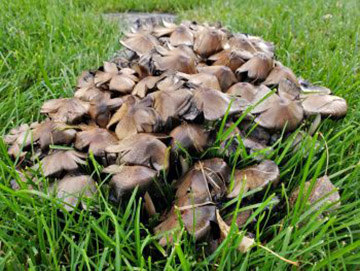
Image Source: organolawn.com
Deciphering the Presence of Yard Mushrooms
Mushrooms are the fruiting bodies of a larger underground network of fungi called mycelium. Think of the mushroom as the apple on a tree; the tree itself is the mycelium. This mycelium lives in the soil and plays a vital role in breaking down organic material, cycling nutrients, and improving soil conditions. When the conditions are just right – often after periods of rain and warmth – the mycelium produces mushrooms.
Common Reasons for Mushroom Appearance
Several factors contribute to the appearance of mushrooms in your yard. Fathoming these causes is the first step to managing them.
- High Moisture Levels: Perhaps the most significant factor is yard dampness. Fungi thrive in moist environments. Heavy rainfall, overwatering, or poor drainage can create ideal conditions for mycelium to flourish and produce mushrooms.
- Organic Matter in the Soil: The presence of decaying organic material is a primary food source for fungi. This includes thatch (dead grass blades and roots) on your lawn, buried roots from old trees or shrubs, compost, leaf litter, and even pet waste. The more organic matter available for decomposition, the more fuel for fungal growth.
- Shady and Humid Areas: Areas of your yard that receive less direct sunlight and retain moisture for longer periods are prime spots for mushroom development. This is why you often see them clustered under trees or in shady, damp corners.
- Compacted Soil: Compacted soil can hinder water drainage, leading to increased yard dampness and creating pockets where fungi can thrive. It also limits air circulation, which can stress your grass, making it more susceptible to fungal issues.
- Fertilizer Use: While not always the direct cause, certain fertilizers, especially those rich in nitrogen, can sometimes stimulate fungal growth as they provide a food source.
- Mycorrhizal Fungi: Many fungi in the soil are beneficial mycorrhizal fungi that form symbiotic relationships with plant roots. These fungi help plants absorb nutrients and water. The mushrooms you see are simply the reproductive structures of these helpful organisms.
Key Factors Contributing to Fungal Growth
Let’s break down the main culprits behind those unexpected fungi.
- Water, Water Everywhere:
- Excessive rainfall.
- Overwatering your lawn or garden.
- Poor drainage in certain areas.
- Irrigation systems that deliver too much water.
- Food for Fungi:
- Thick thatch layer on your lawn.
- Buried wooden debris (old roots, stumps).
- Decomposing leaves and grass clippings left on the lawn.
- Compost piles that are too close to the lawn.
- Animal droppings.
- Environmental Conditions:
- Shaded areas that stay moist longer.
- Humid weather patterns.
- Soil that hasn’t been aerated.
Types of Yard Fungi: More Than Just Mushrooms
While “mushrooms” is the general term, there are various types of yard fungi you might encounter. Recognizing them can offer further clues to your yard’s conditions.
Common Yard Mushroom Varieties
- Field Mushroom (Agaricus campestris): Often found in grassy areas and meadows.
- Ink Cap Mushrooms (Coprinellus spp.): These distinctive mushrooms will dissolve into a black, inky liquid as they mature. They often appear in clusters.
- Puffballs (Lyoperdon spp.): Round or pear-shaped, these fungi release mushroom spores when mature and are often seen in lawns and gardens.
- Stinkhorns (Phallaceae family): Known for their foul smell, which attracts insects to spread their spores. They can be quite bizarre in appearance.
- Earthstars (Geastrum spp.): These have an outer layer that peels back to reveal a spore-bearing sac, resembling a star.
- False Truffles: Similar to true truffles, these grow underground and are often found near specific tree roots.
Fairy Rings: A Common Mushroom Phenomenon
One of the most recognized signs of widespread fungal growth is the “fairy ring.” This is a circular or semi-circular ring of mushrooms that appears in the lawn.
How Fairy Rings Form:
- Spore Landing: A single mushroom spore lands in an area.
- Mycelial Growth: The spore germinates and the mycelium begins to grow outwards underground in a circular pattern.
- Nutrient Depletion: As the mycelium grows, it consumes nutrients in the soil. This can sometimes create a zone of darker, more vigorous grass growth just inside the ring, or a zone of dead, brown grass just outside the ring where the mycelium has depleted all available nutrients.
- Mushroom Fruiting: Once the mycelium has established a large enough network, it will produce mushrooms along its outer edge, forming the visible ring.
Different types of yard fungi can create fairy rings, and their size can vary greatly depending on how long the mycelium has been growing underground.
Addressing the Causes: Cures and Management Strategies
The good news is that you can manage and often prevent the appearance of mushrooms in your yard. The approach depends on what you want to achieve: eliminate them entirely or simply reduce their frequency.
Strategies for Reducing Yard Dampness
Since moisture is a key ingredient, tackling yard dampness is crucial.
- Improve Drainage:
- Aeration: Regularly aerate your lawn. This process creates small holes in the soil, allowing for better air circulation, water penetration, and drainage. It also helps break up compacted soil.
- Dethatching: Remove excess thatch. A thatch layer thicker than half an inch can trap moisture. Dethatching machines can be rented for this purpose.
- Improve Soil Structure: Amend compacted or clay-heavy soils with organic matter like compost. This improves drainage and aeration.
- Regrading: In severe cases, you might consider regrading your yard to direct water away from problem areas.
- Adjust Watering Practices:
- Water your lawn deeply but less frequently. This encourages deeper root growth, making the grass healthier and more resilient.
- Water early in the morning so the grass has time to dry off during the day, reducing yard dampness.
- Ensure your sprinklers are watering the lawn and not the sidewalk or driveway. Check for leaks and adjust coverage.
- Prune Trees and Shrubs: Trim back overhanging branches from trees and shrubs. This allows more sunlight and air to reach the lawn surface, helping it to dry out faster.
Managing Organic Matter
Reducing the food source for fungi is another effective tactic.
- Regularly Rake Leaves: Don’t let leaf litter accumulate on your lawn. Rake them up and compost them or dispose of them.
- Promptly Remove Grass Clippings: While light amounts of clippings can be beneficial, excessive build-up can contribute to thatch and provide food for fungi. Consider mulching the clippings if your mower is designed for it and they are spread thinly.
- Bury or Remove Organic Debris: If you know there’s buried wood or other organic matter, try to remove it if feasible. If not, be aware that these areas might be prone to mushrooms.
- Manage Pet Waste: Promptly clean up after pets, as their waste is a rich source of organic material.
Addressing Specific Mushroom Issues
- Removing Existing Mushrooms:
- Physical Removal: The simplest way to get rid of visible mushrooms is to pick them by hand or scoop them up with a spade. Dispose of them in the trash or compost bin. Be aware that this is a temporary solution, as the mycelium is still in the soil.
- Avoid “Mushrooms in the Microwave”: There are no chemical treatments that will instantly kill the mycelium underground without potentially harming your lawn.
- Dealing with Fairy Rings:
- Continue Normal Lawn Care: In many cases, healthy turf management can outcompete the fungi, and the fairy ring may eventually disappear or become less noticeable.
- Improve Soil Conditions: Aeration and dethatching are particularly beneficial for breaking up the compacted soil often associated with fairy rings.
- Water Management: Ensure proper watering practices to promote healthy grass growth.
- Fertilization: Applying a nitrogen-rich fertilizer can sometimes green up the grass in the ring, masking the appearance, but it won’t eliminate the fungus.
- Soil Amendments: For persistent fairy rings, you might consider removing the sod in the affected area, amending the soil with compost, and reseeding with a healthy grass mix.
Lawn Health and Mushroom Prevention
A robust and healthy lawn is your best defense against unsightly fungal growth.
Promoting Healthy Grass
- Proper Mowing: Mow your lawn at the correct height for your grass type. Taller grass shades the soil, keeping it cooler and reducing evaporation, but also can contribute to thatch if not managed.
- Appropriate Fertilization: Fertilize your lawn based on soil test results. Avoid over-fertilizing, as this can encourage rapid, weak growth that is more susceptible to disease and fungal issues.
- Overseeding: In the fall or spring, overseed thin or bare patches of your lawn. This helps to create a denser turf that crowds out weeds and reduces the available space for fungal growth.
- Consistent Care: Regular watering, mowing, and dethatching contribute to overall lawn health.
When Mushrooms Indicate a Problem
While most mushrooms are harmless, some can indicate underlying issues:
- Decomposition of Buried Materials: If you see mushrooms in areas where old tree stumps, roots, or construction debris were buried, it’s a sign that the decomposition process is active.
- Disease Indicators: Certain types of mushrooms or clusters of mushrooms appearing after prolonged periods of yard dampness might signal fungal diseases within your grass. Mushroom identification can be helpful here.
Mushroom Identification: Know What You’re Seeing
While this guide focuses on general management, sometimes mushroom identification can be useful for peace of mind or to identify potentially toxic species.
How to Identify Yard Fungi
- Observe Characteristics: Note the color, shape, size, texture, and gills (if any) of the mushroom.
- Location: Where is it growing? In a fairy ring, under a specific tree, in a damp, shady spot?
- Smell: Some fungi have distinct odors.
- Spore Print: For more serious identification, you can take a spore print. Place the mushroom cap on a piece of paper (half black, half white) and cover it with a bowl overnight. The color of the spores that fall can be a key identifier.
Table: Common Yard Mushroom Traits and Causes
| Mushroom Type | Common Location | Key Visual Characteristics | Likely Cause(s) |
|---|---|---|---|
| Puffballs | Lawns, gardens, meadows | Round or pear-shaped, smooth exterior, releases powdery spores. | Decaying organic matter, moist soil. |
| Ink Caps | Lawns, wood chips, compost | Tall, thin stems, bell-shaped caps that turn inky black. | Decomposition of organic matter, rich soil. |
| Fairy Ring Fungi | Grass rings, fields | Clusters of mushrooms forming a circle or arc. | Mycelium growing underground, consuming nutrients. |
| Stinkhorns | Lawns, mulch, shaded areas | Phallic or horn-like shape, often with a slimy, smelly cap. | Highly organic matter, moist, decaying wood. |
| Brown Mushrooms | Various lawn areas | Classic umbrella shape, various shades of brown caps and stems. | Abundant organic matter, moderate yard dampness, thatch. |
Safety First!
Important Note: Never eat wild mushrooms unless you are an expert and can positively identify them. Many edible mushrooms have toxic look-alikes. If you are concerned about the toxicity of mushrooms in your yard, especially if you have pets or young children, it’s best to remove them.
Frequently Asked Questions (FAQ)
Can I Eat the Mushrooms Growing in My Yard?
It is strongly advised NOT to eat any mushrooms found in your yard unless you are a certified mycologist or have had them expertly identified. Many common yard mushrooms are inedible or toxic. The risk of misidentification is too high.
Are Mushrooms Bad for My Lawn Health?
Generally, mushrooms themselves are not bad for your lawn health. They are a sign that beneficial fungi are breaking down organic matter, which is a natural and often positive process for the soil. However, their appearance can indicate conditions like excessive yard dampness or a thick thatch layer that, if left unaddressed, can stress your grass.
How Do I Get Rid of Mushrooms Permanently?
Achieving permanent eradication of mushrooms is challenging because the fungal growth (mycelium) is underground and widespread. The best approach is to manage the conditions that encourage their growth. This involves improving drainage, reducing organic matter, ensuring adequate sunlight and air circulation, and maintaining overall lawn health.
What If I Have a Fairy Ring?
Fairy rings are caused by the outward growth of underground mycelium. While they can be unsightly, they are often a sign of healthy soil activity. To manage them, focus on improving your soil conditions through aeration and dethatching, and ensure consistent, proper watering. Over time, a healthy, dense lawn can sometimes outcompete the fungi, making the rings less noticeable.
Is There a Fungicide for Yard Mushrooms?
While fungicides can kill the visible mushrooms and sometimes the mycelium, they are typically used for lawn diseases and are not a sustainable long-term solution for common yard mushrooms. Over-reliance on fungicides can also harm beneficial soil organisms and may not address the root cause of the problem, such as poor drainage or excessive organic matter. Focus on cultural practices first.
What Does It Mean When Mushrooms Grow on Tree Stumps?
Mushrooms growing on tree stumps indicate that the wood is actively decaying. This is a natural part of the decomposition process. While the mushrooms themselves are not harmful to the surrounding lawn, a rotting stump can become a hazard. If the stump is in a high-traffic area or you wish to remove it, you can use specialized stump removal products or have it professionally ground down.
By comprehending the reasons behind fungal growth and implementing these practical strategies, you can effectively manage and reduce the appearance of mushrooms in your yard, promoting a healthier and more aesthetically pleasing outdoor space.