
Are you finding yourself swarmed by tiny, buzzing insects every time you step outside? The most common culprit for this aerial nuisance is the gnat. Yes, you likely have a gnat problem if you’re seeing swarms of tiny flying insects, especially around your face and eyes. These miniature pests, often mistaken for very small mosquitoes, can turn a pleasant afternoon in the garden into an irritating experience. But why are there suddenly so many gnats in your yard? The answer lies in a combination of environmental factors and their rapid breeding cycle. Let’s delve into the reasons behind these unwelcome visitors and how you can reclaim your outdoor space.
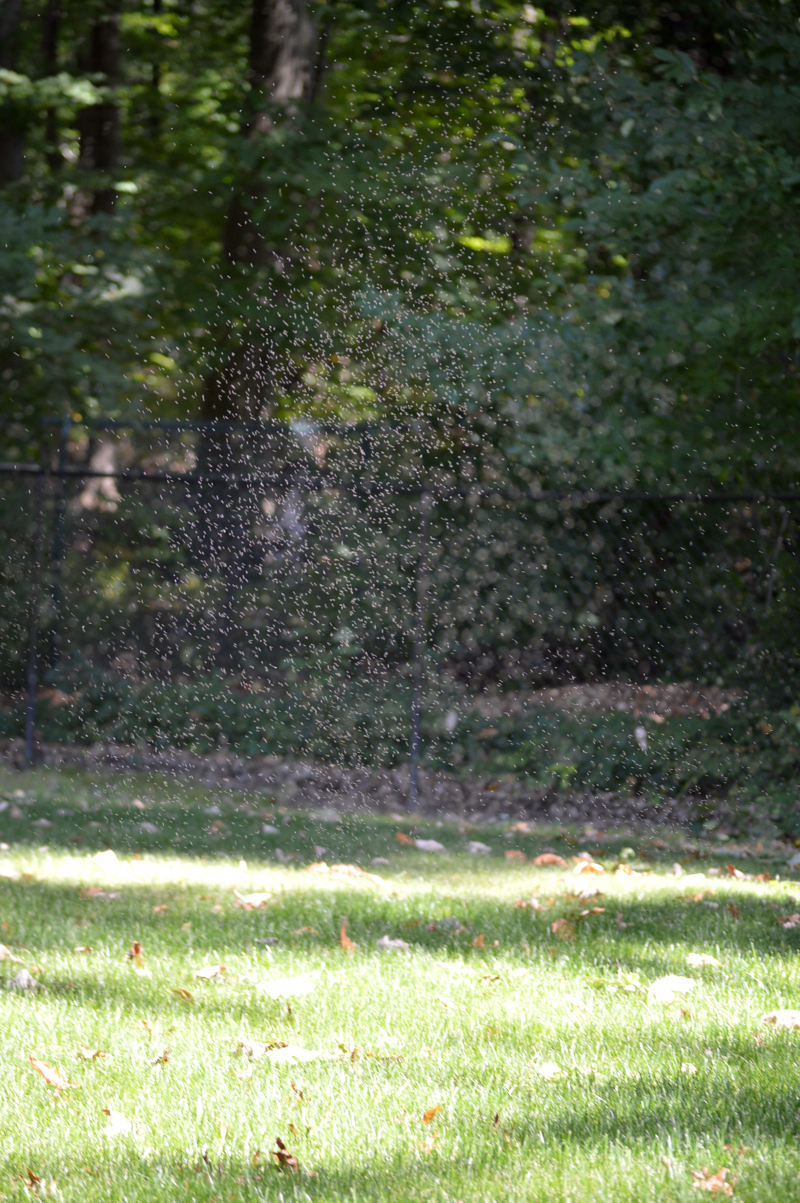
Image Source: thenaturalhistorian.com
Fathoming the Gnat Population Surge
Gnats are a diverse group of small, flying insects, and their abundance in your yard is usually a sign that their preferred breeding conditions are being met. Several factors contribute to gnat infestations, making your yard an attractive haven for them.
The Perfect Environment: Gnat Breeding Grounds
Gnats, particularly the common nuisance types like fungus gnats and biting midges, thrive in moist, organic-rich environments. Your yard likely offers a variety of these conditions, intentionally or not.
Moist Soil and Decaying Organic Matter
- Overwatering: Consistently damp soil provides an ideal habitat for gnat larvae. If your lawn or garden beds retain moisture for extended periods, you’re creating a gnat nursery. This is especially true if you have areas that don’t drain well.
- Mulch and Leaf Litter: A thick layer of mulch, decaying leaves, or compost can hold moisture and provide ample food for gnat larvae, which often feed on fungi and decaying plant material.
- Standing Water: While not their primary breeding ground, any standing water can contribute to the overall humidity and dampness that gnats enjoy. This is also a prime concern for mosquito control.
- Overgrown Vegetation: Dense, untamed foliage can reduce airflow and increase humidity in your yard, creating microclimates that favor gnat reproduction.
Food Sources for Gnats
- Fungi: Fungal gnats, as their name suggests, feed on fungi that grow in damp soil and on decaying organic matter. A healthy population of fungi in your yard translates to a healthy food source for these gnats.
- Organic Debris: Rotting fruits, vegetables, animal feces, and general organic waste can all serve as food for developing gnats.
- Nectar: Adult gnats, while often annoying, can also feed on nectar from flowers, contributing to pollination. However, their nuisance factor often outweighs this benefit.
The Gnat Life Cycle: A Quick Recap
To truly grasp why you have so many gnats, it’s important to understand their life cycle. Most nuisance gnats go through four stages: egg, larva, pupa, and adult.
- Eggs: Female gnats lay their eggs in moist, organic-rich soil or decaying matter.
- Larvae: This is the stage where gnats do most of their feeding and growing. The larvae are small, worm-like creatures that consume fungi, algae, and decaying organic material. The duration of the larval stage is highly dependent on temperature and food availability, but it can be as short as a week or two.
- Pupae: The larvae then transform into pupae, a transitional stage before they emerge as adult gnats.
- Adults: Adult gnats are the flying insects you see. Their primary goal is reproduction, and they have relatively short lifespans, often only a few days to a couple of weeks. However, their rapid reproduction rates mean that new adults are constantly emerging, leading to a continuous presence if conditions remain favorable.
Identifying Your Gnat Visitors
While the term “gnat” is often used generically, several types of these tiny insects can inhabit your yard, each with slightly different preferences and behaviors.
Common Gnat Types and Their Habits
- Fungus Gnats: These are perhaps the most common type found in yards, especially those with potted plants or areas of damp, rich soil. They are attracted to the fungi that grow in these conditions. They are typically dark, delicate flies that hover around plants and in shaded, moist areas.
- Biting Midges (No-See-Ums): These are more problematic as they can inflict painful bites. They are often found near bodies of water, marshy areas, or any location with consistently wet soil. Their bites are small but can cause significant irritation.
- Drain Flies: Often found near sinks, drains, and sewers, these fuzzy, moth-like flies are also a type of gnat. They breed in the organic slime that accumulates in pipes. While less common in the open yard, they can be an indicator of moisture issues that might extend outwards.
- Fruit Flies: While technically flies, they are often lumped in with gnats due to their small size and habit of swarming around decaying organic matter, especially fruits. If you have fruit trees or compost piles, these might be your primary gnat-like nuisance.
Deciphering Why Your Yard is a Gnat Magnet
Several specific factors within your yard can contribute to gnat infestations. Identifying these is the first step toward effective control.
Yard Drainage Issues
Poor yard drainage is a prime contributor to excessive gnat populations. When water doesn’t flow away properly, it creates consistently damp soil.
Areas of Concern:
- Low-lying spots: Any depressions in your lawn or garden beds where water collects after rain or irrigation.
- Compacted soil: Compacted soil prevents water from percolating through, leading to surface saturation and a breeding ground for gnat larvae.
- Leaky hoses or sprinklers: Constant dampness from irrigation system issues can create localized gnat hotspots.
Over-mulching and Decomposing Debris
While mulch and compost are beneficial for soil health, excessive amounts or improper management can create ideal gnat habitats.
Contributing Factors:
- Thick mulch layers: A mulch layer that is too thick (more than 2-3 inches) can retain excessive moisture and harbor fungi, perfect for fungal gnats.
- Unmanaged compost piles: Compost piles that are too wet or not turned regularly can become teeming with gnat larvae.
- Leaf litter accumulation: Piles of wet, decaying leaves provide both moisture and food for gnats.
Unattended Organic Waste
Gnats are attracted to any form of decaying organic matter.
Common Sources:
- Fallen fruit: Ripe or rotting fruit from trees or dropped by animals.
- Pet waste: Uncleaned pet waste in the yard.
- Rotting vegetation: Dead plants, weeds, or grass clippings left in piles.
Plant Health and Soil Conditions
The health of your plants and the condition of your soil play a role.
What to Look For:
- Overcrowded planting: Dense planting can reduce airflow and create humid pockets where gnats can thrive.
- Over-fertilization: Some fertilizers can encourage fungal growth, which in turn attracts fungal gnats.
- Root rot: Plants suffering from root rot due to overwatering create damp, decaying root systems that are attractive to gnats.
Controlling Gnats: Your Action Plan
Once you’ve identified the likely causes, you can implement strategies for controlling gnats. The most effective approach combines eliminating breeding grounds with targeted pest management.
Addressing Breeding Grounds: The Foundation of Control
The most crucial step in gnat prevention is to eliminate the environments where they breed.
Key Actions:
- Improve Yard Drainage:
- Aerating compacted soil.
- Filling in low-lying areas.
- Ensuring sprinklers are not overwatering or leaking.
- Clearing out clogged gutters to prevent water from pooling near the foundation.
- Manage Organic Matter:
- Compost Management: Turn compost piles regularly and ensure they are not overly wet. Consider a closed compost bin to deter flying insects.
- Mulch Maintenance: Apply mulch sparingly (1-2 inches) and keep it away from plant stems. Remove old, decaying mulch if it’s excessively wet.
- Leaf Removal: Rake and remove fallen leaves promptly, especially after wet periods.
- Clean Up Organic Waste:
- Collect and dispose of fallen fruit, pet waste, and dead plant material regularly.
- Prune and Thin Plants:
- Improve airflow by pruning overgrown shrubs and thinning out dense plantings.
- Remove dead or dying plants promptly.
Organic Gnat Removal Strategies
For those seeking organic gnat removal, there are several effective methods that avoid harsh chemicals.
Natural Solutions:
- Sticky Traps: Yellow sticky traps are highly effective for catching adult gnats. Place them near areas where you observe the most gnat activity.
- Diatomaceous Earth: Food-grade diatomaceous earth can be applied to the soil surface. When gnats or their larvae come into contact with it, the sharp particles dehydrate them. Use sparingly, as it can also harm beneficial insects.
- Beneficial Nematodes: Certain species of nematodes are natural predators of gnat larvae in the soil. They can be purchased and applied to affected areas.
- Bacillus thuringiensis israelensis (Bti): This naturally occurring bacterium is a highly effective larvicide for mosquitoes and fungus gnats. It’s safe for humans, pets, and most beneficial insects. It can be found in granular or liquid forms and applied to standing water or moist soil.
- Repellent Plants: While not a primary control method, some plants are believed to deter gnats. These include basil, lavender, rosemary, and marigolds. Planting these strategically around your yard might offer some limited benefit.
Chemical Control (Use with Caution)
If natural methods aren’t sufficient, chemical insecticides can be used, but always with caution and according to label instructions.
Considerations:
- Larvicides: Products containing insect growth regulators (IGRs) can prevent larvae from developing into adults.
- Adulticides: Insecticides designed to kill adult flying insects can provide temporary relief, but they do not address the root cause of the infestation if breeding grounds are not eliminated.
- Targeted Application: Always apply insecticides directly to affected areas and avoid broad-spectrum spraying, which can harm beneficial insects.
Gnat Prevention: Staying Ahead of the Swarm
The best way to deal with gnats is to prevent them from establishing a foothold in your yard in the first place. Consistent gnat prevention strategies are key.
Regular Yard Maintenance
- Watering Wisely: Water your lawn and garden deeply but less frequently, allowing the soil surface to dry out between waterings. This disrupts the gnat life cycle.
- Prompt Cleanup: Regularly remove fallen leaves, fruit, and pet waste.
- Compost Care: Maintain a healthy compost pile by turning it regularly and ensuring proper moisture levels.
- Mulch Moderation: Apply mulch in a thin layer and keep it away from plant stems.
Seasonal Adjustments
- Fall Cleanup: Thoroughly clean up all garden debris in the fall to reduce overwintering sites for potential gnat populations.
- Spring Preparation: Aerate soil and address any drainage issues before the warm, moist weather of spring arrives.
Gnats vs. Mosquitoes: Different Pests, Similar Solutions
While gnats and mosquitoes are both flying pests, their breeding habits and life cycles differ. However, many of the preventative measures for gnats also benefit mosquito control.
Overlapping Control Measures:
- Eliminating Standing Water: Both gnats and mosquitoes are drawn to moisture. Removing standing water from bird baths, old tires, clogged gutters, and plant saucers is crucial for both.
- Managing Decaying Organic Matter: While mosquitoes prefer stagnant water to breed, the general cleanliness and reduction of decaying organic material in your yard create a less hospitable environment for many flying insects.
- Improving Drainage: Well-drained yards are less attractive to both gnats and mosquitoes.
Unique Mosquito Control Measures:
- Larvicides (Bti): Bti is particularly effective in larger bodies of water that cannot be easily drained, like ponds or rain barrels, to control mosquito larvae.
- Mosquito Repellents: Citronella candles, mosquito traps, and personal repellents are specifically designed to deter mosquitoes.
Frequently Asked Questions (FAQ)
Q1: Are gnats dangerous?
While most gnats are a nuisance rather than a health hazard, biting midges can deliver irritating bites. Some species of gnats can also carry diseases, though this is less common in typical yard gnats compared to some other biting insects. The primary concern is the annoyance and irritation they cause.
Q2: Can I use a fan to keep gnats away?
Yes, fans can be surprisingly effective. The airflow created by a fan can disrupt gnats’ flight patterns, making it difficult for them to land on you or in your immediate vicinity. This is a great non-chemical solution for patios and outdoor seating areas.
Q3: How long do adult gnats live?
The lifespan of adult gnats varies by species, but most nuisance gnats live for only a few days to a couple of weeks. However, their rapid reproduction cycle means that as long as their breeding conditions are met, you’ll continue to see new adults emerging.
Q4: My houseplants have tiny gnats. What should I do?
This is a classic sign of fungal gnats. The best approach is to:
* Allow the top inch or two of soil to dry out between waterings.
* Use yellow sticky traps placed in the pots to catch adults.
* Consider applying food-grade diatomaceous earth to the soil surface or using a biological control like beneficial nematodes or Bti specifically formulated for houseplants.
Q5: Is it possible to completely get rid of gnats?
Complete eradication can be challenging, especially if you live in a humid climate or near natural bodies of water. However, by diligently identifying and eliminating their breeding grounds and implementing consistent control strategies, you can significantly reduce their population and minimize their impact on your yard.
By diligently addressing the moisture and organic matter in your yard, you can effectively manage and prevent gnat infestations, transforming your outdoor spaces back into enjoyable environments.