
Yes, you can bury a trash can in your yard, and it can be a surprisingly smart solution for many homeowners. Burying a trash can, often referred to as a hidden trash receptacle or a sub-surface waste management system, offers a neat and tidy way to handle your household refuse. This method tackles issues ranging from aesthetics and odor control to rodent deterrence and even contributes to better backyard sanitation.
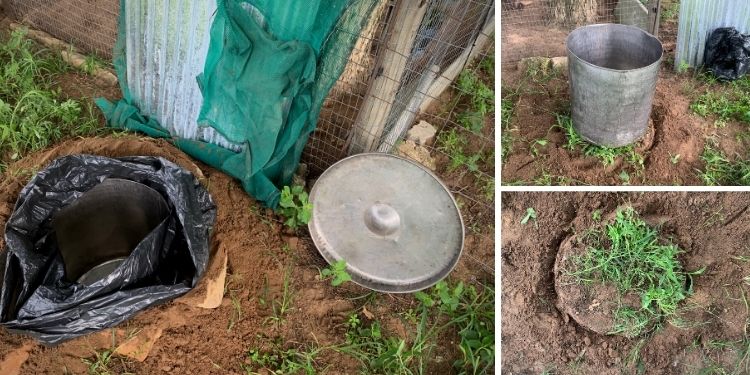
Image Source: www.askaprepper.com
The Appeal of a Hidden Trash Receptacle
In a world increasingly focused on curb appeal and a desire for uncluttered outdoor spaces, traditional trash cans can be an eyesore. They sit on the curb, exposed to the elements, and can attract unwanted attention from animals and create unpleasant smells. Burying your trash can transforms this mundane necessity into a streamlined, discreet part of your landscape. This approach to outdoor garbage storage is gaining traction among those who value both practicality and pleasing aesthetics.
Tackling the Aesthetics Issue
Let’s face it, a row of plastic trash cans on the curb or even a large bin tucked away in a visible corner of your yard isn’t exactly a picturesque scene. Burying your trash can completely removes it from sight. The opening can be disguised with a decorative lid, a custom-built wooden enclosure, or even integrated into garden features like a low wall or planter. This creates a clean, seamless look, allowing your landscaping to shine without the distraction of unsightly bins. It’s about creating a harmonious outdoor environment where every element contributes to the overall beauty of your property.
Superior Odor Control
One of the most significant advantages of a buried trash can is its enhanced odor control. When trash is buried, the soil acts as a natural insulator. This helps to contain and suppress the smells that often emanate from decomposing waste, especially during warmer months. Unlike trash cans that sit above ground, exposed to sun and wind which can accelerate decomposition and spread odors, a buried unit keeps these unpleasant aromas contained underground. This is particularly beneficial for those who enjoy spending time in their yards or have outdoor living spaces like patios or decks close to where their trash is stored.
Effective Rodent Deterrence
The battle against rodents – from mice and rats to raccoons and squirrels – is a constant concern for many homeowners. Traditional trash cans, even those with secure lids, can often be tipped over or gnawed into by determined critters. A buried trash can offers a robust solution to rodent deterrence. When properly installed and covered, it creates a physical barrier that is much harder for animals to access. The lid, often flush with the ground or disguised, provides an extra layer of security. This significantly reduces the chances of animals getting into your trash, scattering its contents, and creating a messy, unsanitary situation.
Enhancing Backyard Sanitation
Beyond aesthetics and pest control, burying a trash can contributes to overall backyard sanitation. When trash is openly accessible, it can become a breeding ground for bacteria and attract insects. By keeping the waste contained and out of reach, you create a cleaner, healthier environment. This is especially important if you have children or pets who play in the yard. A buried system helps minimize the risk of them coming into contact with contaminated materials. It’s a proactive step towards maintaining a hygienic outdoor space.
Methods for Burying a Trash Can
There are several ways to approach burying a trash can, ranging from simple DIY solutions to more elaborate built-in systems. The best method for you will depend on your budget, available tools, and desired level of permanence.
The DIY Approach: Simple and Effective
For many, a straightforward DIY method is the most appealing. This typically involves a standard, durable trash can or a specially designed in-ground waste receptacle.
Materials You Might Need:
- Durable Trash Can or In-Ground Receptacle: Look for heavy-duty plastic or metal cans designed for outdoor use. Some specialized units come with built-in sleeves or anchoring mechanisms.
- Shovel or Post Hole Digger: For excavating the hole.
- Gravel or Drainage Material: To promote good drainage at the bottom of the hole.
- Measuring Tape: To ensure proper depth and placement.
- Level: To ensure the lid or opening is flush with the ground.
- Optional: Decorative Lid or Enclosure Materials: Wood, stone, or metal for a more finished look.
Steps for a Basic Installation:
- Choose the Location: Select a spot that is convenient for trash disposal but out of the way of high-traffic areas. Consider proximity to your house, driveway, and any underground utilities. Always check local regulations regarding trash receptacle placement and setbacks.
- Dig the Hole: Dig a hole that is slightly wider and deeper than your trash can. The goal is to have the rim of the trash can sit just below or flush with the ground surface.
- Add Drainage: Place a few inches of gravel or other drainage material at the bottom of the hole. This is crucial to prevent water from pooling and causing odors or damaging the can.
- Place the Trash Can: Carefully lower the trash can into the hole. Use a level to ensure it sits evenly.
- Backfill (Carefully): Backfill around the sides of the trash can with soil, compacting it gently as you go. Avoid pushing soil into the can itself.
- Install the Lid/Cover: Place the lid on the trash can. If it’s a standard trash can, you might need to create a slightly raised surround or a custom lid that sits flush with the ground. If you’re using a purpose-built in-ground receptacle, follow its specific installation instructions.
Specialized In-Ground Systems
For a more permanent and polished solution, consider investing in a purpose-built in-ground trash receptacle system. These are designed specifically for this application and often come with features that enhance functionality and aesthetics.
Features of Specialized Systems:
- Built-in Sleeves: These systems often include a sturdy sleeve that is anchored in the ground, with the trash can fitting snugly inside.
- Integrated Lids: Many come with hinged, flush-fitting lids that are easily opened and closed, and are designed to blend seamlessly with landscaping.
- Improved Drainage: They often have pre-designed drainage ports or allow for easier integration of drainage systems.
- Durability: Constructed from materials like heavy-gauge steel or robust plastics, they are built to withstand burial and repeated use.
These systems typically require a bit more effort to install, often involving more substantial digging and potentially concrete for anchoring, but they offer a superior long-term solution.
Beyond Basic Waste: Integrating Composting Benefits
While this discussion focuses on burying general household trash, the principles can extend to managing organic waste through composting. A well-maintained composting bin, whether buried or above ground, offers significant composting benefits. Burying certain types of composting bins can help regulate temperature, retain moisture, and deter pests, making the composting process more efficient and less noticeable.
How Composting Fits In
- Reduced Landfill Waste: Composting diverts organic materials (food scraps, yard waste) from landfills, reducing your environmental impact.
- Rich Soil Amendment: Compost is an excellent natural fertilizer, improving soil structure and fertility for your garden.
- Closed-Loop System: Using buried composting solutions can create a more integrated waste management system for your home, where organic waste nourishes your garden.
While a standard trash can isn’t suitable for active composting, understanding the benefits of managing organic waste efficiently is part of a holistic approach to waste management.
Considerations and Best Practices
Before you grab your shovel, there are a few key considerations to keep in mind to ensure your buried trash can project is successful and meets your needs.
Durability of the Receptacle
Not all trash cans are created equal. When burying, you need a receptacle that can withstand the pressure of the soil, moisture, and potential temperature fluctuations. Heavy-duty plastic bins with reinforced walls are a good option. Metal cans can also work, but you’ll need to ensure they are rust-resistant. If you opt for a standard bin, consider placing it inside a larger, more robust sleeve or container for added protection and support.
Drainage is Paramount
Poor drainage is the enemy of a buried trash can. Waterlogged soil can lead to several problems:
- Increased Odors: Decomposing waste in standing water can create foul odors that are even harder to contain.
- Can Deterioration: Metal cans can rust faster, and even plastic can become brittle or crack in persistently damp conditions.
- Leachate Issues: If the bin isn’t perfectly sealed, water can carry contaminants from the trash into the surrounding soil.
Always ensure adequate drainage at the bottom of the hole and consider the soil type in your yard. If you have heavy clay soil that drains poorly, you may need to add more gravel or install a simple French drain system around the base.
Access and Ease of Use
While the goal is to hide the trash can, it still needs to be easily accessible for you to use it. Consider the following:
- Frequency of Use: If you generate a lot of trash, you’ll need a system that’s easy to open and close frequently.
- Lifting: Will you need to lift heavy bags into the buried can? Ensure the opening height is manageable.
- Lid Mechanism: A well-designed lid that opens smoothly and stays open while you dispose of trash can make a big difference.
Maintenance and Cleaning
Even buried trash cans need regular cleaning to prevent odors and hygiene issues. Plan for how you will access and clean the receptacle. Some in-ground systems offer removable liners or easy-to-access interiors. For DIY setups, ensure you can lift the can out of the hole periodically for thorough cleaning.
Local Regulations and Utilities
This is a critical step often overlooked.
- Call Before You Dig: Always contact your local utility locating service (e.g., 811 in the US) before digging. They will mark the location of underground pipes and cables, preventing potentially dangerous and costly accidents.
- Zoning and Ordinances: Check with your local municipality or homeowner’s association for any regulations regarding the placement or type of outdoor waste storage. Some areas may have specific rules about how trash cans can be stored, even if buried.
Alternatives and Complements to Buried Trash Cans
While burying a trash can offers unique benefits, it’s not the only solution for improving outdoor waste management. Sometimes, a combination of approaches works best.
Decorative Trash Can Enclosures
If digging and burying feels too permanent or labor-intensive, a decorative enclosure can offer a similar aesthetic benefit. These are above-ground structures, often made of wood or metal, designed to disguise a standard trash can. They provide a neat appearance and some degree of rodent deterrence and odor control, though typically less effective than a buried option.
Smart Trash and Recycling Systems
Consider integrated waste solutions that might include separate compartments for trash, recycling, and even composting bin opportunities. Some modern outdoor units are designed to be more aesthetically pleasing and functional.
Improved Curbside Bin Management
If your primary concern is the look of bins on the curb, explore options like:
- Heavy-duty, aesthetically pleasing bins: Many manufacturers offer bins in various colors and designs.
- Bin storage solutions: Wooden bins, or specialized rolling holders that can house multiple bins, can create a neater appearance.
Frequently Asked Questions (FAQ)
Q: Will burying a trash can make it harder to throw trash away?
A: Not necessarily. If installed correctly, the opening of the buried trash can should be at or just below ground level, making it easy to access. Some systems even have spring-loaded lids that pop open with a foot pedal or handle.
Q: Can I bury a regular garbage disposal unit?
A: No, a garbage disposal is an appliance connected to your plumbing and electrical system and is designed for in-sink use only. It cannot be buried. This article refers to burying a trash can for waste storage.
Q: How deep should I bury the trash can?
A: The depth depends on the type of receptacle and the desired outcome. Generally, you want the rim of the can to be flush with or slightly below the ground surface. Ensure there’s enough depth for proper drainage and to accommodate the entire can.
Q: What if my buried trash can fills with water?
A: This indicates a drainage problem. You’ll need to address it immediately. This might involve digging around the can to add more gravel, ensuring the lid is properly sealed, or, in severe cases, relocating the entire installation to a better-draining spot.
Q: Can I bury a compost bin?
A: Yes, specialized composting bin designs are often buried. This helps maintain a consistent temperature, retains moisture, and can deter pests, which are all beneficial for the composting benefits and the overall process. Make sure the compost bin is designed for burial or has excellent drainage.
Q: Does burying a trash can help with backyard sanitation?
A: Yes, by keeping waste contained and inaccessible to pests and insects, it significantly improves backyard sanitation and reduces the spread of potential contaminants.
Q: Is this a good solution for a small yard?
A: A buried trash can can be an excellent solution for small yards where visible bins take up valuable space or detract from the landscape. The hidden nature of the receptacle maximizes usable yard space.
Conclusion: A Tidy and Practical Choice
Burying a trash can is a clever and effective approach to waste management that goes beyond mere convenience. It’s a solution that addresses common frustrations with traditional outdoor garbage storage, enhancing your property’s aesthetics, improving rodent deterrence, and contributing to better backyard sanitation. By carefully considering the installation methods, materials, and essential practicalities like drainage and local regulations, you can transform a mundane necessity into a discreet and elegant feature of your yard, enjoying a cleaner, tidier, and more enjoyable outdoor living space.