
Does your lawn mower refuse to start? You’re not alone! This is a common problem many homeowners face when it comes to yard work. But before you call for professional help, there are several simple checks you can perform to get your mower up and running again. Let’s dive into the most common reasons why your lawn mower won’t start and how to fix them.
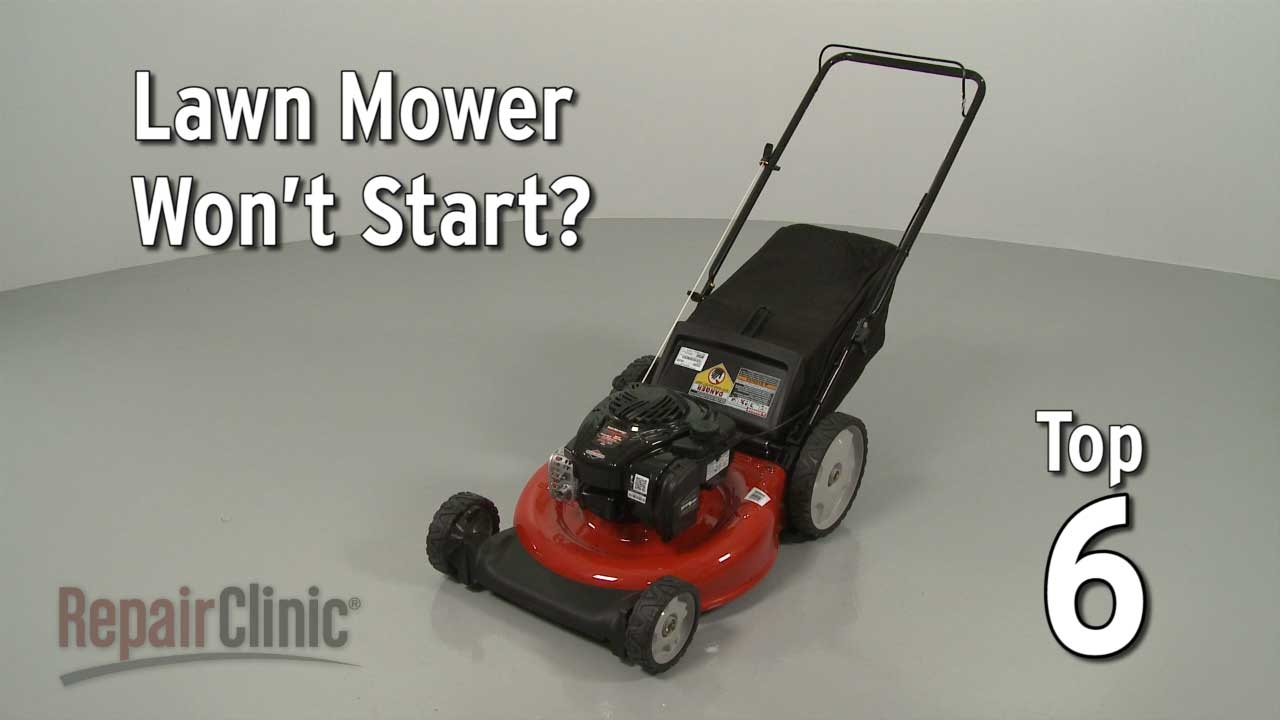
Image Source: i.ytimg.com
Is the Gas Fresh?
This seems simple, but it’s a frequent culprit. Gasoline, especially when left sitting for extended periods, can degrade and lose its combustibility. Old gas can clog fuel lines and the carburetor.
How to Check and Fix Gas Issues
- Age of the Fuel: If your mower sat through the winter or for many months, the gas is likely old.
- Fresh Fuel: Always use fresh gasoline, ideally purchased within the last 30 days.
- Adding Stabilizer: Consider using a fuel stabilizer, especially if you won’t be using your mower for a while. This helps prevent degradation.
- Draining Old Fuel: If you suspect old fuel is the problem, drain the gas tank completely. You can use a siphon or a drain plug if your mower has one. Dispose of the old fuel responsibly.
- Replacing Fuel: Refill the tank with fresh gasoline.
Is the Spark Plug Okay?
A faulty or fouled spark plug is a very common reason for a no-start situation. The spark plug is responsible for igniting the fuel-air mixture in the engine. If it’s not working correctly, the engine won’t fire.
Inspecting and Replacing a Spark Plug
- Locate the Spark Plug: It’s usually a small, ceramic-tipped component with a wire attached.
- Disconnect the Wire: Gently pull the spark plug wire off the plug.
- Remove the Plug: Use a spark plug socket wrench to unscrew the spark plug.
- Examine the Plug:
- Wetness: If the plug is wet with fuel, it might be flooded.
- Deposit Buildup: Look for black, sooty deposits or a thick, oily residue. This indicates combustion issues.
- Damage: Check for cracks in the ceramic or bent electrodes.
- Clean or Replace:
- Cleaning: You can try cleaning a slightly fouled plug with a wire brush and some carburetor cleaner. Ensure it’s completely dry afterward.
- Replacement: If the plug is heavily fouled, damaged, or very old, it’s best to replace it. Get the correct spark plug for your mower model.
- Reinstall: Screw the new or cleaned spark plug back in by hand to avoid cross-threading, then tighten it with the wrench. Reconnect the spark plug wire.
Is the Carburetor Clogged?
The carburetor mixes fuel and air for combustion. If it’s clogged, the engine won’t get the right mixture to start.
Fathoming Carburetor Blockages
- Causes: Old fuel, dirt, and debris can build up in the tiny passages of the carburetor.
- Symptoms: Besides not starting, a clogged carburetor can cause rough idling, sputtering, or loss of power.
Cleaning the Carburetor
This can be a bit more involved.
- Safety First: Disconnect the spark plug wire to prevent accidental starting.
- Access the Carburetor: You might need to remove the air filter and possibly other engine covers to get to it.
- Remove the Carburetor: Carefully detach the fuel line and any linkages connected to the carburetor.
- Disassemble (if comfortable): For a thorough cleaning, you can remove the float bowl and jets.
- Use Carburetor Cleaner: Spray carburetor cleaner into the fuel inlet and all visible passages. Use small brushes or wires to clear any stubborn blockages.
- Reassemble and Test: Reattach the carburetor, fuel line, and linkages. Reconnect the spark plug wire.
Note: If you’re not comfortable disassembling the carburetor, you can try using a carburetor cleaner additive in the fuel tank. While less effective for severe clogs, it can sometimes help.
Is the Battery Dead? (For Electric Start Mowers)
If your mower has an electric start and it’s just clicking or not doing anything, the battery might be the culprit.
Checking the Battery Status
- Age of Battery: Batteries have a lifespan, typically 3-5 years.
- Corrosion: Check the battery terminals for corrosion. Clean them with a wire brush and a mixture of baking soda and water if needed.
- Charge Level: If you have a voltmeter, check the battery’s voltage. A fully charged battery should read around 12.6 volts.
- Charging: Try charging the battery with a suitable battery charger.
- Replacement: If the battery is old, won’t hold a charge, or shows signs of damage, it’s time for a new one. Ensure you get the correct replacement for your mower.
Is the Engine Oil Low?
While low oil might not always prevent a start, some modern engines have a low oil sensor that will shut down the engine as a safety precaution. Running an engine with very low oil can also cause severe damage.
Oil Level Check and Top-Up
- Locate Dipstick: Find the oil dipstick on your mower’s engine.
- Remove and Wipe: Pull the dipstick out and wipe it clean with a rag.
- Reinsert: Push the dipstick back in all the way and pull it out again.
- Check Level: The oil level should be between the “Add” and “Full” marks.
- Add Oil: If low, add the recommended type and amount of engine oil for your mower. Refer to your owner’s manual. Start with small amounts and recheck the level.
Is the Starter Motor Faulty?
If you turn the key or push the start button, and you hear a whirring sound but the engine doesn’t crank, the starter motor might be the issue.
Diagnosing Starter Motor Problems
- Symptoms: The starter motor engages the flywheel to turn the engine over. If it’s faulty, this mechanical connection won’t happen.
- Testing: This often requires electrical testing with a multimeter and can be more complex.
- Professional Help: If you suspect a faulty starter motor, it’s often best to consult your owner’s manual or a repair professional.
Is the Ignition System Failing?
The ignition system provides the spark. This includes the spark plug, ignition coil, and sometimes an electronic control module.
Glimpsing Ignition System Components
- Ignition Coil: This component steps up the voltage to create the spark. If it fails, you won’t get a spark.
- Wiring: Damaged or loose wiring within the ignition system can also cause issues.
- Testing: Testing ignition coils and other electronic components usually requires specialized tools and knowledge.
Is the Fuel Filter Blocked?
The fuel filter is designed to catch debris before it reaches the carburetor, preventing clogs. If the filter itself becomes blocked, it restricts fuel flow.
Examining the Fuel Filter
- Location: The fuel filter is usually located in the fuel line between the fuel tank and the carburetor.
- Inspection: Look for visible kinks or damage in the fuel line. If the filter is clear plastic, you might see debris inside.
- Replacement: Fuel filters are inexpensive and easy to replace. Disconnect the fuel line on either side of the filter, remove the old filter, and install the new one, ensuring the fuel flows in the correct direction (there’s usually an arrow on the filter).
Is a Safety Switch Engaged?
Most modern lawn mowers have safety features that prevent them from starting in certain conditions.
Identifying Safety Switch Issues
- Brake Lever/Handle: Many mowers require the blade control lever or safety bar to be held down to start.
- Seat Sensor (Riding Mowers): Riding mowers often have a sensor in the seat that stops the engine if the operator gets off.
- Blade Engagement: Ensure the blade engagement lever is in the “off” position before trying to start.
- Parking Brake (Riding Mowers): Make sure the parking brake is set correctly.
Check your owner’s manual for specific safety switch locations and operation. Sometimes these switches can become faulty or misaligned.
Is there a Blade Obstruction?
If the mower blade is jammed, it can prevent the engine from turning over. This is more common after hitting a hard object or if grass clippings have built up excessively.
Clearing Blade Obstructions
- Safety First: Always disconnect the spark plug wire before working on the underside of the mower.
- Tilt Mower: Tilt the mower on its side, ensuring the air filter and carburetor are facing upwards to prevent oil or fuel from leaking into them.
- Inspect Blade: Carefully examine the blade for any debris, rocks, or thick grass buildup that might be causing it to jam.
- Clear Obstruction: Use gloves and a sturdy stick or tool to carefully remove anything obstructing the blade.
- Check Rotation: Gently try to rotate the blade by hand. It should turn relatively freely.
Troubleshooting Table: Common No-Start Issues and Solutions
| Problem Area | Potential Cause | Troubleshooting Steps |
|---|---|---|
| Fuel System | Old or stale gasoline | Drain old fuel, refill with fresh gas. Use fuel stabilizer. |
| Fuel filter blocked | Inspect and replace the fuel filter. | |
| Carburetor clogged | Clean carburetor with cleaner spray or disassemble and clean thoroughly. | |
| Ignition System | Spark plug fouled or damaged | Remove, inspect, clean or replace spark plug. Check gap. |
| Faulty ignition coil | Test ignition coil (may require professional). | |
| Engine Components | Low engine oil | Check oil level, add oil if needed. |
| Blade obstruction | Disconnect spark plug, check for and remove debris jamming the blade. | |
| Starting System | Dead or weak battery (electric start) | Check battery terminals for corrosion, charge battery, or replace if necessary. |
| Faulty starter motor (electric start) | Listen for whirring sound without cranking. May need professional diagnosis and repair. | |
| Safety Features | Safety switch engaged/faulty | Ensure brake lever is engaged, blade is off, and other safety mechanisms are clear. |
Frequently Asked Questions (FAQ)
Q1: Can I start my lawn mower without oil?
A1: It is strongly advised not to start your lawn mower without oil. Most engines have a low oil sensor that will prevent starting, and even if it does start, running without oil will cause severe and irreparable engine damage very quickly. Always ensure your mower has the correct oil level before starting.
Q2: How often should I change the oil in my lawn mower?
A2: Refer to your owner’s manual for the specific recommendation for your mower. Generally, it’s recommended to change the oil at least once per mowing season, or after every 25-50 hours of use. If you use your mower frequently in dusty conditions, you may need to change it more often.
Q3: My mower starts but then dies immediately. What could be wrong?
A3: This is often a sign of a fuel delivery problem or a clogged carburetor. The engine might start on the residual fuel in the carburetor, but if it can’t get more fuel, it will die. Check your fuel supply, fuel filter, and consider cleaning the carburetor. It could also be an issue with the carburetor’s idle circuit or a faulty idle adjustment.
Q4: Can I use a different type of gasoline in my lawn mower?
A4: Always use the octane and type of gasoline recommended in your owner’s manual. Most lawn mowers are designed for regular unleaded gasoline (87 octane). Avoid using E85 or other high-ethanol fuels unless specifically stated as compatible, as they can damage fuel system components over time.
Q5: My electric start mower makes a clicking sound but won’t turn over. What’s the problem?
A5: A clicking sound usually indicates a problem with the battery or the starter solenoid. The battery might be too weak to turn the engine, or the solenoid (a switch that engages the starter) might be faulty. Check the battery charge and connections. If the battery is good, the solenoid may need replacement.
Q6: What does it mean if my spark plug is “fouled”?
A6: A fouled spark plug means it has deposits on the electrode that prevent it from creating a proper spark. Common fouling types include carbon fouling (black, dry deposits) from a rich fuel mixture or incomplete combustion, and oil fouling (wet, black deposits) from excessive oil burning.
Q7: How do I properly store my lawn mower for the off-season?
A7: Proper storage is crucial. Before storing, run the engine for a few minutes after adding a fuel stabilizer to ensure it circulates through the fuel system. Clean the mower thoroughly, change the oil, and remove any grass clippings. For electric start mowers, it’s best to remove the battery and store it in a cool, dry place, charging it periodically.
By systematically working through these common troubleshooting steps, you can often diagnose and resolve why your lawn mower won’t start, saving you time and money. Remember to always prioritize safety by disconnecting the spark plug wire before performing any maintenance or inspections. Happy mowing!