
Can you put sand on your lawn? Yes, you can, and in many cases, you absolutely should! Putting sand on your lawn, a process known as top dressing, is a fantastic way to boost turf health and create a more vibrant, resilient green space.
For many homeowners, the idea of adding sand to their lawn might seem counterintuitive. We often associate sand with beaches and deserts, not lush, green grass. However, when applied correctly, sand acts as a powerful soil amendment, transforming compacted, poorly draining soil into a healthier environment for your grass to thrive. This in-depth guide will explore the numerous benefits of sand top dressing and how it contributes to a more beautiful and robust lawn.
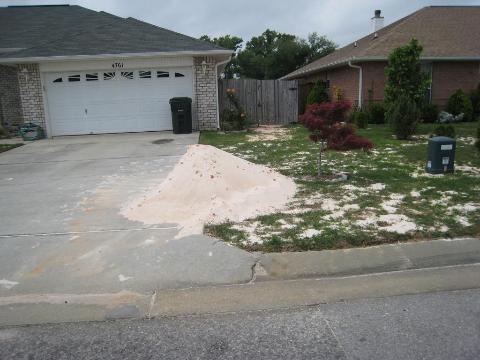
Image Source: nwdistrict.ifas.ufl.edu
The Core Benefits of Sand Top Dressing
Sand might seem like a simple addition, but its impact on your lawn’s soil structure and overall health is profound. It’s not about creating a sandy desert, but about improving the very foundation your grass relies on.
1. Enhancing Drainage Improvement
One of the most significant advantages of sand spreading on your lawn is its ability to improve drainage improvement. Compacted soils, especially those with a high clay content, can become waterlogged. This lack of air circulation suffocates grass roots, making them susceptible to diseases and nutrient deficiencies.
- How Sand Helps: Sand particles are larger and more angular than soil particles. When mixed with existing soil, they create larger pore spaces. These spaces allow excess water to drain away more quickly, preventing the soil from becoming saturated. This is particularly crucial in areas that experience heavy rainfall or have naturally heavy clay soil.
- Preventing Waterlogging: Poor drainage leads to anaerobic conditions (lack of oxygen), which is detrimental to root growth. Improved drainage ensures that roots have access to oxygen, promoting deeper and stronger root development.
- Reducing Disease Risk: Fungal diseases often thrive in wet, stagnant soil conditions. By improving drainage, you create a less favorable environment for these pathogens, reducing the risk of common lawn diseases.
2. Improving Soil Aeration and Reducing Compaction
Over time, foot traffic, mowing, and even natural settling can lead to soil compaction. Compacted soil restricts the movement of air, water, and nutrients to the grass roots. Lawn aeration is a common practice to address this, and sand plays a complementary role in its benefits.
- The Role of Sand: While aeration machines create physical holes, sand helps to keep these holes open and improve the overall porosity of the soil profile. As sand is worked into the soil, it effectively loosens the compacted layers.
- Easier Root Penetration: Looser soil allows grass roots to penetrate deeper into the ground. Deeper roots make the grass more drought-tolerant and better able to access nutrients and water.
- Oxygen for Roots: With better pore spaces created by sand, oxygen can more easily reach the root zone, which is essential for healthy respiration and growth.
3. Leveling the Playing Field: Creating a Level Lawn
A lumpy, uneven lawn can be unsightly and make mowing difficult. Sand is an excellent material for soil leveling, filling in low spots and creating a smoother surface.
- Filling Depressions: Applying a thin layer of sand over time can effectively fill in minor dips and depressions. As you mow, the mower deck will help to integrate the sand into the existing soil.
- Reducing Tripping Hazards: A level lawn is safer and more enjoyable. It eliminates tripping hazards caused by uneven terrain, especially important for families with children or pets.
- Uniform Growth: A level surface ensures that water and nutrients are distributed more evenly across the lawn, promoting uniform grass growth and preventing patchy areas.
4. Facilitating Thatch Removal and Management
Thatch is a layer of dead and living stems, roots, and crowns that accumulates between the green grass blades and the soil surface. A moderate amount of thatch is beneficial, but excessive thatch can prevent water, air, and nutrients from reaching the soil.
- Sand’s Role in Thatch: While sand doesn’t directly remove thatch, its application after aeration can help to break down the thatch layer. The sand particles get worked into the thatch during the aeration process, accelerating decomposition.
- Improving Airflow: By loosening the soil and improving drainage, sand indirectly helps to improve airflow within the turf canopy, which can reduce the rate of thatch buildup.
- Encouraging Healthy Decomposition: The improved environment in the soil, thanks to sand, supports the beneficial microorganisms that break down organic matter, including thatch.
5. Creating an Optimal Environment for Overseeding
Overseeding is the process of sowing grass seed into an existing lawn to improve its density and appearance. A smooth, well-prepared surface is crucial for successful seed germination.
- Seed-to-Soil Contact: A light layer of sand top dressing after aeration can provide an excellent bed for new grass seed. The sand helps to ensure good seed-to-soil contact, which is vital for the seeds to absorb moisture and germinate.
- Moisture Retention for Seeds: While sand drains well, a light top dressing can help retain just enough moisture for the delicate new seedlings to establish themselves before the deeper root system develops.
- Reduced Competition: By filling in low spots and improving soil structure, sand can reduce areas where weeds might otherwise thrive, giving the new grass seed a better chance to establish without competition.
6. Promoting Deeper Root Systems
Healthy grass is characterized by a deep, extensive root system. Sand top dressing is a powerful tool for encouraging this.
- Encouraging Downward Growth: As roots encounter the coarser sand particles, they are encouraged to grow deeper in search of moisture and nutrients. This is a significant benefit compared to dense, compacted soils where roots tend to stay shallow.
- Drought Tolerance: Lawns with deep root systems are far more resilient during periods of drought. They can access moisture from deeper soil layers, meaning they stay green longer and require less supplemental watering.
- Nutrient Uptake: Deeper roots can explore a larger volume of soil, increasing the grass’s ability to absorb essential nutrients.
7. Improving Nutrient Availability
The way nutrients are delivered to and absorbed by grass is directly influenced by soil conditions. Sand can play a role in optimizing this.
- Reducing Nutrient Leaching (in some cases): While sandy soils themselves can leach nutrients quickly, when sand is used as an amendment to clay soils, it can improve the soil structure in a way that actually balances water and nutrient retention. The improved pore spaces allow for better water movement without flushing nutrients away as rapidly as pure clay might.
- Better Fertilizer Uptake: With improved aeration and drainage, fertilizers applied to the lawn are more likely to reach the root zone efficiently, rather than being washed away or locked up in compacted soil.
The “How-To” of Sand Top Dressing
Applying sand to your lawn isn’t just about dumping a bag of play sand. It requires a thoughtful approach to ensure you achieve the desired benefits without harming your grass.
What Kind of Sand to Use?
This is a critical question. Not all sand is created equal, and using the wrong type can actually harm your lawn.
- Coarse, Sharp Sand (Horticultural Sand): This is the ideal choice. It typically has larger, angular particles. Examples include washed concrete sand or masonry sand. The angular shape helps create good pore spaces for drainage and aeration.
- Avoid Fine or Play Sand: Fine, rounded sand particles can actually fill in the pores, leading to the opposite of what you want – increased compaction and poor drainage. Play sand is often too fine.
- Avoid Builder’s Sand: Builder’s sand often contains too much fine material and impurities that can clog soil pores.
Table 1: Sand Types and Their Suitability for Lawns
| Sand Type | Particle Size | Shape | Suitability for Lawn Top Dressing | Notes |
|---|---|---|---|---|
| Coarse/Horticultural | Larger | Angular | Excellent | Promotes drainage and aeration. |
| Washed Concrete Sand | Medium to Coarse | Angular | Excellent | Widely available, good drainage properties. |
| Masonry Sand | Fine to Medium | Angular | Good | Can be a good option if washed and not too fine. |
| Play Sand | Very Fine | Rounded | Poor | Can lead to compaction and hinder drainage. |
| Builder’s Sand | Fine | Angular | Poor | Often contains impurities and excessive fines. |
When is the Best Time to Apply Sand?
The timing of your sand top dressing is crucial for success.
- During Aeration: The most effective time to apply sand is immediately after you have aerated your lawn. The holes created by the aeration equipment provide the perfect entry points for the sand to penetrate the soil.
- Spring or Fall: These are generally the best seasons for most lawn care activities, including lawn aeration and sand spreading. The weather is typically cooler and more conducive to grass growth and recovery.
- Avoid Dry or Hot Periods: Applying sand to a stressed or dry lawn can further exacerbate its condition. Ensure the grass is healthy and well-watered before and after the process.
The Sand Top Dressing Process: Step-by-Step
Here’s how to effectively apply sand to your lawn:
- Mow the Lawn: Mow your grass to a slightly lower than usual height. This makes it easier for the sand to reach the soil surface.
- Aerate the Lawn: Use a core aerator to remove plugs of soil from your lawn. This is the most important step to precede sand application.
- Apply the Sand: Spread the sand evenly over the aerated lawn. Use a shovel and a rake to distribute it. You can also use a broadcast spreader designed for granular materials, but ensure it’s calibrated correctly for sand.
- Rake it In: Use a stiff-bristled rake (like a landscaping rake or a wooden/metal lawn rake) to work the sand into the holes and the thatch layer. The goal is to get the sand down into the soil profile, not just sitting on top.
- Repeat if Necessary: For heavily compacted or uneven lawns, you may need to repeat the process over several seasons. Apply sand in thin layers (no more than ¼ to ½ inch at a time). Thick layers can smother the grass.
- Water the Lawn: Water your lawn lightly after applying and raking the sand. This helps to settle the sand and wash any remaining dust off the grass blades.
- Overseed (Optional): If you are overseeding, this is an excellent time to do it. The aerated and sanded surface provides an ideal seedbed.
How Much Sand Should You Use?
The amount of sand to apply depends on your soil’s condition and your goals.
- Thin Layers are Key: Never apply a thick layer of sand that completely covers the grass blades. This can smother the turf. Aim for a layer that is no more than ¼ to ½ inch thick.
- Gradual Improvement: It’s better to apply thin layers of sand over multiple seasons than to try and correct severe issues with one heavy application.
- Calculation Example: If you have a 1,000 sq ft lawn and want to apply ¼ inch of sand, you would need approximately 0.02 cubic yards of sand (1000 sq ft * (0.25/12) ft = 20.83 cubic feet; 20.83 cubic feet / 27 cubic feet/cubic yard ≈ 0.77 cubic yards). A common recommendation is around 0.5 to 1 cubic yard of sand per 1,000 sq ft for a proper top dressing after aeration.
Deciphering Soil Types and Their Needs
Different soil types respond differently to sand spreading.
Clay Soils
Clay soils are the most common beneficiaries of sand top dressing. They have very small, plate-like particles that pack tightly together, leading to poor drainage and aeration.
- Benefits: Sand drastically improves drainage by creating larger pore spaces. It helps break up the clay structure, allowing air and water to penetrate.
- Application: This is where sand top dressing is most effective. Focus on regular aeration and sand application to gradually improve the soil structure.
Sandy Soils
Sandy soils already have good drainage but may lack water and nutrient retention. Adding sand might seem counterintuitive here.
- Benefits: In existing sandy soils, adding more sand is generally not recommended. Instead, focus on amending with organic matter (compost) to improve water and nutrient retention.
- When Sand Might Be Considered: If you have extremely sandy soil that is excessively fast-draining and dries out almost immediately, a very light application of fine composted sand might be considered, but organic matter is generally preferred.
Loam Soils
Loam soils are often considered ideal, being a balanced mix of sand, silt, and clay.
- Benefits: Loam soils generally have good drainage and aeration. However, even loam can become compacted over time. Sand top dressing can help maintain or slightly improve the pore structure.
- Application: Lighter applications or periodic top dressing can be beneficial to prevent compaction and maintain optimal conditions.
Common Concerns and Misconceptions
It’s important to address some common worries people have about putting sand on their lawns.
“Will sand kill my grass?”
No, not if applied correctly. The key is to use the right type of sand (coarse, washed sand) and apply it in thin layers, ideally after lawn aeration. Applying thick layers or using the wrong type of sand (fine play sand) can smother the grass or lead to further compaction, which is detrimental.
“Isn’t sand only for sandy soils?”
This is a major misconception. While sandy soils have plenty of sand, clay soils are the primary beneficiaries of sand top dressing. The sand works with the clay to create better pore spaces, improving drainage and aeration in soils that desperately need it.
“Is sand a substitute for aeration?”
No, sand is a complement to aeration, not a replacement. Lawn aeration creates the physical holes, and sand helps to keep those pores open and improves the overall soil structure over time. Aeration provides the immediate benefit of de-compaction, while sand provides longer-term structural improvement.
“What about my existing soil?”
The goal of sand top dressing is to amend your existing soil. By working the sand into the soil through aeration and raking, you are changing the soil’s physical properties, not replacing it.
Long-Term Lawn Health: A Holistic Approach
Sand spreading is a valuable tool, but it’s just one piece of the puzzle for achieving exceptional turf health.
- Regular Aeration: Consistent lawn aeration is crucial for managing compaction.
- Proper Watering: Water deeply and less frequently to encourage deep root growth.
- Appropriate Mowing: Maintain the correct mowing height for your grass type.
- Fertilization: Feed your lawn with the right nutrients at the right times.
- Overseeding: Keep your lawn dense and healthy by overseeding annually or as needed.
- Thatch Management: Address excessive thatch buildup through aeration and proper cultural practices.
- Soil Testing: Periodically test your soil to understand its nutrient levels and pH, and adjust your practices accordingly.
By integrating sand top dressing into your lawn care routine, alongside these other practices, you create an environment where your grass can truly flourish, becoming more resilient, vibrant, and beautiful.
Frequently Asked Questions (FAQ)
Here are some common questions about putting sand on your lawn:
Q1: What type of sand is best for top dressing a lawn?
A1: The best type of sand for top dressing is coarse, washed sand with angular particles. Look for horticultural sand, washed concrete sand, or masonry sand. Avoid fine play sand or builder’s sand, as they can cause compaction.
Q2: How often should I top dress my lawn with sand?
A2: You can top dress your lawn with sand once a year, typically in the spring or fall. For severely compacted or uneven lawns, you might do it every 6-12 months, always applying in thin layers.
Q3: Can I put sand on my lawn without aerating it first?
A3: While you can apply sand without aerating, it’s far less effective and can even be detrimental. Lawn aeration creates the necessary openings for the sand to penetrate the soil. Without aeration, sand tends to sit on the surface, potentially smothering the grass or contributing to compaction.
Q4: How thick should the sand layer be?
A4: Always apply sand in thin layers, no more than ¼ to ½ inch at a time. Thick layers can smother the grass and hinder its growth. The goal is to gradually amend the soil.
Q5: Will sand help with my lawn’s drainage problems?
A5: Yes, sand is excellent for drainage improvement, especially in clay-heavy soils. It creates larger pore spaces, allowing excess water to drain away more efficiently, preventing waterlogging and promoting better root health.
Q6: Is sand good for creating a level lawn?
A6: Yes, sand is a great material for soil leveling. You can fill in minor depressions and low spots by applying sand over time. The process of sand spreading and raking helps to smooth out the surface for a more level lawn.
Q7: What is the purpose of sand top dressing?
A7: The primary purposes of sand top dressing are to improve drainage improvement, enhance soil aeration, reduce soil compaction, help level the lawn, and create a better environment for overseeding and overall turf health.
Q8: Can I use sand to get rid of thatch?
A8: Sand doesn’t directly remove thatch, but it plays a role in thatch management. When applied after aeration, sand particles help break down the thatch layer by increasing microbial activity and improving air and water penetration into the thatch.
Q9: My lawn is already sandy. Do I still need to add sand?
A9: If your lawn has naturally sandy soil with good drainage, adding more sand is generally not necessary and could be harmful. Focus on improving water and nutrient retention in sandy soils by adding organic matter like compost.
Q10: When should I overseed my lawn after applying sand?
A10: The best time to overseed is immediately after applying and raking the sand, especially if you’ve just aerated your lawn. The sanded, aerated surface provides an ideal seedbed for new grass to germinate and establish.