
Does your lawn mower refuse to kick into gear? You’re not alone! Many homeowners face the frustrating problem of a lawn mower that won’t start. What is the most common reason a lawn mower won’t start? The most frequent culprit is a lack of fuel or stale gas, but other issues like a dead battery, fouled spark plug, or a clogged carburetor can also prevent your mower from firing up. Can I fix a lawn mower that won’t start myself? In many cases, yes! This guide will walk you through the most common reasons your mower is acting up and provide straightforward solutions you can tackle in your garage or shed. Who is this guide for? This guide is for anyone who owns a lawn mower and wants to get it running smoothly again without calling a mechanic for every little issue.
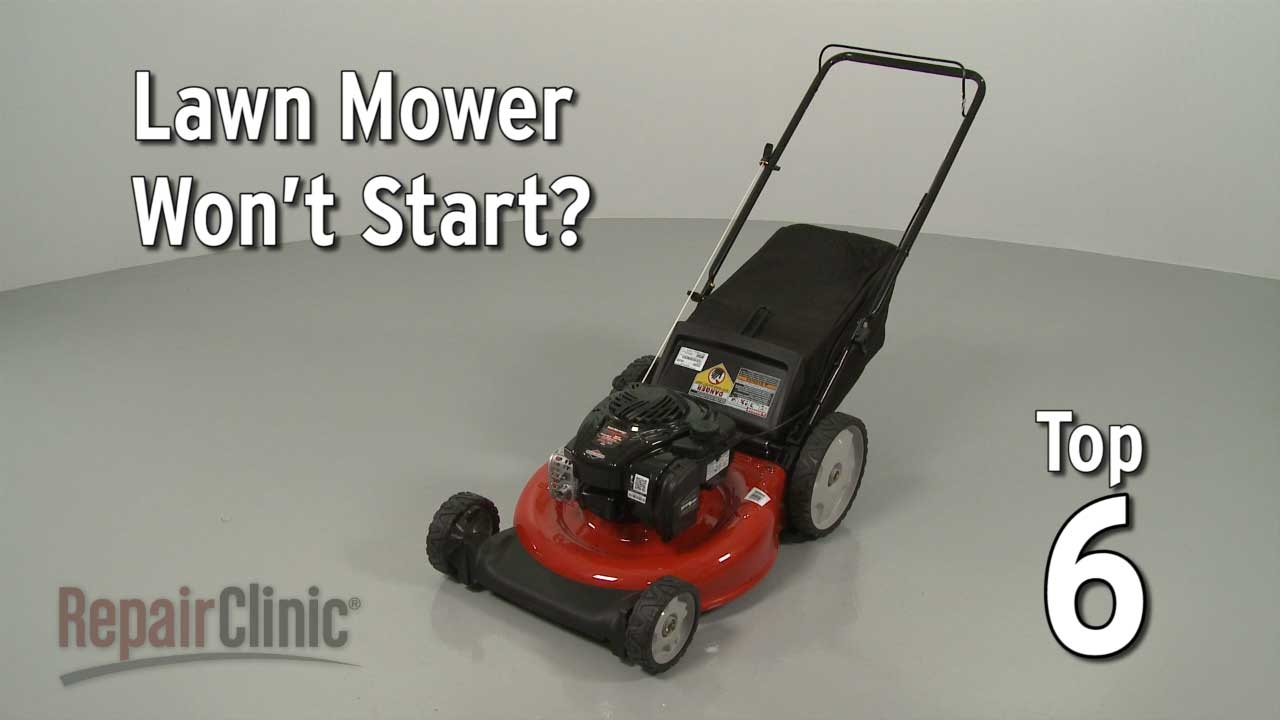
Image Source: i.ytimg.com
Deciphering the Ignition Puzzle: Getting Your Mower to Roar
Starting a lawn mower can sometimes feel like a mystery, especially when it stubbornly refuses to engage. The ignition system is a critical part of this process. It generates the spark needed to ignite the fuel-air mixture in the engine’s cylinder. If any part of this system fails, your mower will remain silent. We’ll delve into various reasons why your mower might not be starting, focusing on practical, do-it-yourself fixes.
Fuel System Fumbles: The Lifeblood of Your Mower
The engine needs a proper mix of fuel and air to run. If the fuel system isn’t delivering this mixture correctly, your mower won’t start.
Fuel Issues: More Than Just an Empty Tank
While an empty fuel tank is the most obvious reason for a mower not starting, there are other fuel issues that can cause problems.
Stale Gas: The Silent Killer
Stale gas is a notorious starter of trouble. Gasoline degrades over time, especially when left in the tank over winter. Old gas can gum up the fuel system, preventing a clean burn.
- What happens: Over time, volatile components in gasoline evaporate, leaving behind a thicker, varnish-like residue. This residue can clog fuel lines, the fuel filter, and especially the small jets within the carburetor.
- Easy Fix: Drain the old gas completely. Dispose of it responsibly at a local hazardous waste facility. Refill the tank with fresh, high-quality gasoline. It’s a good practice to use a fuel stabilizer, especially if you store your mower for extended periods.
Clogged Fuel Filter: A Blocked Pathway
The clogged fuel filter acts like a sieve, catching debris before it reaches the engine. When this filter becomes blocked, fuel flow is restricted, starving the engine.
- Symptoms: The mower might start but run rough, sputter, or die quickly. In some cases, it won’t start at all.
- Easy Fix: Locate your fuel filter (usually a small, inline plastic or metal cylinder in the fuel line between the tank and the carburetor). With the fuel valve turned off, disconnect the fuel line from the filter. Replace the old filter with a new one. Ensure the fuel lines are reconnected correctly and in the right order.
Fuel Line Problems: Leaks and Blockages
Damaged or kinked fuel lines can prevent fuel from reaching the carburetor. Leaks can also cause vapor lock, where hot fuel turns to vapor and can’t be properly injected into the engine.
- Easy Fix: Inspect the fuel lines for cracks, kinks, or damage. If you find any, replace the entire fuel line. Ensure the fuel valve is open and the line is not obstructed.
Spark Plug Problems: The Ignition’s First Step
The spark plug is responsible for creating the spark that ignites the fuel-air mixture. If it’s not working correctly, your mower won’t start.
Fouled or Damaged Spark Plug: The Spark Killer
A fouled spark plug can occur due to carbon buildup, oil, or fuel contamination. A damaged plug, with a cracked insulator or worn electrode, won’t produce a strong enough spark.
- Symptoms: Mower won’t start, or starts very weakly and sputters.
- Easy Fix:
- Safety First: Disconnect the spark plug wire to prevent accidental starting.
- Locate the Plug: The spark plug is usually a ceramic-covered fitting with a wire attached, located on the side of the engine.
- Remove the Plug: Use a spark plug socket wrench to unscrew it.
- Inspect: Look for black, oily, or wet deposits. Check the electrode for wear or damage.
- Clean or Replace: If it’s dirty, you can try cleaning it with a wire brush and a bit of carburetor cleaner. However, replacing the spark plug is often the easiest and most reliable solution. Make sure to get the correct replacement plug for your mower model.
- Gap the New Plug: Spark plugs often need to be gapped to the manufacturer’s specification. Use a feeler gauge for this.
- Reinstall: Screw the new plug in by hand first to avoid cross-threading, then tighten it gently with the wrench. Reconnect the spark plug wire securely.
Ignition System Failure: Beyond the Plug
Sometimes, the problem isn’t just the spark plug itself but the entire ignition system failure. This could involve the ignition coil, points (on older engines), or the ignition module.
- Symptoms: No spark whatsoever when you try to start the mower.
- Troubleshooting: This is a bit more complex. You can test for spark by removing the spark plug, reconnecting the spark plug wire, and holding the metal end of the plug against a metal part of the engine block. Have someone pull the starter cord. If you see a strong, blue spark, the ignition system is likely okay. If there’s no spark or a weak, yellow spark, you might have an issue with the ignition coil or other components. This often requires more advanced diagnosis, and sometimes professional help is needed.
Carburetor Malfunction: The Fuel Mixer’s Mishap
The carburetor mixes fuel and air in the correct proportions for combustion. A carburetor malfunction can severely impact your mower’s ability to start.
Clogged Carburetor Jets: Restricting Flow
Tiny passages within the carburetor, called jets, can become blocked by dried fuel residue or debris. This is particularly common if you’ve used stale gas.
- Symptoms: Mower might start but runs poorly, surges, or dies when you try to accelerate. It may also flood the engine.
- Easy Fix: Cleaning the carburetor can often resolve this.
- Remove the Carburetor: This involves disconnecting fuel lines and linkages. Take photos as you go to help with reassembly.
- Disassemble Carefully: Remove the float bowl and any accessible jets or screws.
- Clean: Use carburetor cleaner spray and compressed air to thoroughly clean all passages and jets. You can also use a thin wire or a specialized carburetor cleaning tool.
- Reassemble: Put the carburetor back together, ensuring all parts are in their correct places.
- Reinstall: Reattach it to the engine, reconnecting fuel lines and linkages.
Incorrect Float Level: Too Much or Too Little Fuel
The carburetor has a float that regulates the amount of fuel entering the bowl. If the float is set too high or too low, or if it’s stuck, it can lead to an incorrect fuel mixture.
- Symptoms: Flooding (too much fuel) or lean running (too little fuel).
- Easy Fix: Adjusting the float level usually involves bending the small metal tang that controls the fuel inlet needle. This requires careful adjustment and often trial and error. If the float itself is damaged or the needle is worn, it will need to be replaced.
Engine Overheating: A Sign of Deeper Issues
While engine overheating usually happens during operation, it can also indirectly prevent a mower from starting if it has caused damage or if certain safety features are engaged.
Lack of Lubrication: Low Oil Level
A low oil level is a critical issue. Oil lubricates moving parts, reduces friction, and helps dissipate heat. Running an engine with insufficient oil can cause severe damage. Many modern mowers have a low-oil sensor that will prevent the engine from starting to protect it.
- Symptoms: Mower won’t start, or if it does briefly, it makes terrible noises.
- Easy Fix:
- Check the Oil: Locate the oil dipstick (usually on the side of the engine). Ensure the mower is on a level surface.
- Add Oil: If the oil level is low, add the correct type and amount of oil as specified in your owner’s manual.
- Wait: Allow a few minutes for the oil to circulate before attempting to start.
Blocked Cooling Fins: Hindering Airflow
Air-cooled engines rely on fins on the engine block to dissipate heat. If these fins are caked with grass clippings, dirt, and debris, the engine can overheat.
- Symptoms: Overheating during use, which can lead to the engine shutting down. If it overheats severely, it might refuse to restart until it cools down completely.
- Easy Fix: Clean the cooling fins thoroughly with a brush or compressed air. Ensure the air intake screens are also clear.
Battery Dead: No Power to Crank
For electric start mowers, a battery dead or significantly discharged is a common reason for not starting.
- Symptoms: When you turn the key or push the start button, nothing happens, or you hear a clicking sound but no cranking.
- Easy Fix:
- Check Connections: Ensure the battery terminals are clean and the connections are secure. Corroded terminals can prevent power flow. Clean them with a wire brush.
- Charge the Battery: Use a suitable battery charger to recharge the mower’s battery. Follow the charger’s instructions carefully.
- Test the Battery: If the battery is old or repeatedly fails to hold a charge, it may need to be replaced. Many auto parts stores can test your mower battery for you.
Safety Switch Engaged: The Built-in Guardian
Lawn mowers have various safety switch engaged mechanisms to prevent accidental operation. If one of these switches is faulty or incorrectly positioned, it can prevent the mower from starting.
Blade Engagement Lever/Switch: Is It Off?
Most mowers have a safety feature where the blades cannot be engaged while starting the engine.
- Symptoms: Mower might crank but won’t start, or the starter mechanism might not even engage.
- Easy Fix: Ensure the blade engagement lever or switch is in the “disengaged” or “off” position before attempting to start. Check that the lever moves freely.
Parking Brake or Seat Switch: Proper Positioning
Some riding mowers have a parking brake that must be engaged, or a seat switch that requires the operator to be seated for the engine to start.
- Symptoms: No cranking when the start button is pressed.
- Easy Fix:
- Parking Brake: Ensure the parking brake is set correctly according to your owner’s manual.
- Seat Switch: Sit firmly on the mower seat. If the switch appears damaged or the seat sensor is obstructed, you might need to investigate further. Some people bypass faulty seat switches, but this is not recommended for safety reasons.
Other Potential Issues: The Less Common Culprits
While the above cover the most frequent reasons, a few other problems can contribute to a no-start situation.
Flooded Engine: Too Much Fuel, Not Enough Air
If you’ve tried to start the mower multiple times without success, you might have flooded the engine with too much fuel.
- Symptoms: You can smell gasoline strongly, and the spark plug may be wet.
- Easy Fix:
- Wait: Let the mower sit for 10-15 minutes to allow excess fuel to evaporate.
- Start Correctly: Move the choke to the “off” position (or “run” position). If you have a primer bulb, press it a couple of times. Then, pull the starter cord with the choke slightly open. Avoid over-priming.
Shear Pin (for Reel Mowers or some other types): A Protective Break
Some mowers have a shear pin designed to break if the blades hit a hard object, protecting the engine. If this pin has sheared, the engine might not be able to turn the blades.
- Symptoms: The engine might crank, but the blades don’t turn, or the starter mechanism feels unusually free.
- Easy Fix: Consult your owner’s manual to locate and replace the shear pin. This typically involves removing the blade assembly and replacing the pin.
Troubleshooting Table: Quick Solutions at a Glance
| Problem | Likely Cause | Easy Fix |
|---|---|---|
| No Crank at All | Battery dead / Disconnected | Check/clean terminals, charge or replace battery. |
| Safety switch engaged (seat, neutral) | Ensure operator is seated, mower is in neutral, safety interlocks are met. | |
| Cranks but Won’t Start | Stale gas / Low fuel | Drain old gas, refill with fresh fuel. |
| Clogged fuel filter | Replace the fuel filter. | |
| Spark plug problems (fouled, wet) | Clean or replace spark plug. | |
| Carburetor malfunction | Clean carburetor jets. | |
| Low oil level (if equipped with sensor) | Add the correct oil. | |
| Ignition system failure (no spark) | Test spark; may require professional diagnosis. | |
| Starts but Sputters/Dies | Clogged fuel filter | Replace the fuel filter. |
| Carburetor issues | Clean carburetor jets, check fuel flow. | |
| Stale gas | Drain and refill with fresh gas. | |
| Engine overheating (blocked fins) | Clean cooling fins. |
Maintaining Your Mower: Prevention is Key
The best way to avoid a mower that won’t start is through regular maintenance.
- Fuel Management: Use a fuel stabilizer, especially when storing your mower for more than a month. Drain the fuel tank before winter storage or run the engine dry.
- Spark Plug Care: Replace the spark plug annually or as recommended by the manufacturer.
- Air Filter: Clean or replace the air filter regularly. A clogged air filter restricts airflow, leading to poor performance.
- Oil Changes: Change the engine oil according to the manufacturer’s schedule.
- Cleaning: Keep the engine clean, especially the cooling fins, to prevent engine overheating.
Frequently Asked Questions (FAQ)
Q1: My lawn mower won’t start, and I smell gas. What does that mean?
A1: This usually indicates a flooded engine, meaning too much fuel has entered the combustion chamber. You might have tried starting it too many times, or there could be a carburetor issue causing it to over-fuel. Let it sit for 10-15 minutes, then try starting with the choke off and the throttle set to a mid-range or fast position.
Q2: Can I use starting fluid to get my lawn mower started?
A2: Starting fluid (ether) is highly flammable and can be effective in helping a stubborn engine start, especially if you suspect a fuel delivery problem. However, use it sparingly. Too much can wash away essential oil from cylinder walls and damage the engine. Spray a small amount into the carburetor intake, then immediately try to start the engine. Do not use starting fluid if you suspect a faulty spark plug or ignition system.
Q3: My electric start lawn mower just clicks when I try to start it. What’s wrong?
A3: A clicking sound usually points to a battery dead or weak, or a problem with the starter solenoid or starter motor. Check your battery connections and charge level. If the battery is good, the solenoid or starter motor may need inspection or replacement.
Q4: How often should I change the oil in my lawn mower?
A4: Most manufacturers recommend changing the oil after the first 5 hours of use and then every 25-50 hours of operation, or at least once a year. Always refer to your owner’s manual for specific recommendations for your model.
Q5: Why does my mower start fine when cold but then won’t start after it’s hot?
A5: This is often a sign of engine overheating or a component that is failing when it gets hot. Possible causes include a malfunctioning ignition coil, a vapor lock issue in the fuel line (especially on hot days), or cooling fins that are too dirty. Ensure the cooling fins are clean and consider if the mower is running lean (not enough fuel), which can also cause it to overheat.