
What is sand top dressing for lawns? Sand top dressing for lawns involves spreading a thin layer of sand over the grass. Can I put sand on my lawn? Yes, you can put sand on your lawn, and it can be a beneficial practice when done correctly. Who is sand top dressing for? It’s for anyone looking to improve their lawn’s soil health, drainage, and overall appearance.
Many homeowners wonder if adding sand to their lawn is a good idea. The answer is a resounding yes, but with important caveats. Putting sand on a lawn isn’t just about making it look different; it’s a strategic soil amendment aimed at tackling common lawn problems like poor drainage and soil compaction. This practice, often referred to as top dressing with sand, can dramatically improve turf health and create a more welcoming environment for grass to thrive. Let’s dive into why this seemingly simple act of spreading sand can be a game-changer for your yard.
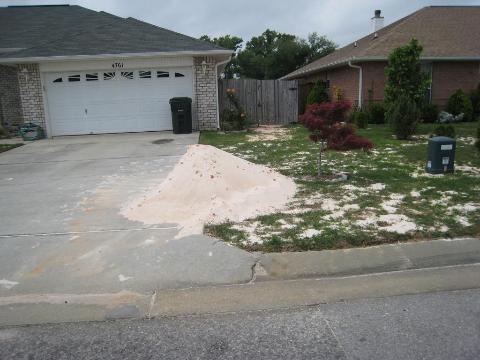
Image Source: nwdistrict.ifas.ufl.edu
The Core Benefits of Sand Top Dressing
When executed correctly, sand top dressing offers a dual benefit: improving drainage and enhancing aeration. These two aspects are crucial for a healthy lawn. Waterlogged soil suffocates grass roots, leading to disease and yellowing. Compacted soil, on the other hand, prevents air, water, and nutrients from reaching the roots effectively. Sand, with its larger particle size compared to soil, creates air pockets and allows water to flow more freely.
Table 1: Key Benefits of Sand Top Dressing
| Benefit | How Sand Helps |
|---|---|
| Improving Drainage | Sand particles create larger pores in the soil, allowing excess water to drain away faster, preventing waterlogging. |
| Aeration | By loosening the soil structure, sand allows more air to reach the grass roots, which is vital for their survival and growth. |
| Leveling Uneven Lawns | A thin layer of sand can help fill in minor dips and low spots, creating a smoother, more even surface. |
| Reducing Soil Compaction | Sand particles spread apart soil particles, breaking up dense, compacted areas and allowing better root penetration. |
| Enhancing Seed Germination | A sandy top layer can provide a good seedbed for overseeding, helping new grass seeds establish more easily. |
Fathoming the Mechanics: How Sand Works Its Magic
To truly appreciate sand top dressing, we need to examine how it interacts with your existing soil. Most lawn soils, especially in urban or heavily trafficked areas, tend to be fine-textured. This means the soil particles are small and pack together tightly. This packing leads to several problems:
- Poor Drainage: When fine soil particles are close together, they leave very little space for water to move through. Water sits on the surface or slowly percolates down, starving roots of oxygen.
- Soil Compaction: Foot traffic, machinery, and even natural settling can press these fine particles even closer, creating a dense mat that roots struggle to penetrate. This is a major cause of stunted growth and thin turf.
- Reduced Aeration: Just as water struggles to move, so does air. Grass roots need oxygen to respire and function properly. Compacted soil suffocates them.
When you introduce sand, particularly a coarser horticultural or construction sand, you’re adding larger particles into this mix. Think of it like adding marbles to a jar filled with sand. The marbles create space between the smaller sand grains.
The Sand-Soil Interaction: A Closer Look
When sand is incorporated into your soil, it physically separates the finer soil particles. This creates larger pore spaces.
- Water Movement: These larger pores act as tiny channels, allowing water to drain away much more efficiently. Instead of pooling, excess moisture moves downwards, taking potential disease-causing elements with it. This direct improving drainage benefit is paramount for lawn health.
- Air Penetration: The increased pore space also means more air can reach the root zone. This improved aeration is critical for root respiration and overall plant vigor.
- Root Growth: With better access to air, water, and nutrients, grass roots can grow deeper and stronger. This resilience helps the lawn withstand drought and stress.
The Importance of the Right Sand
It’s vital to choose the right type of sand. Not all sand is created equal when it comes to lawn care.
- Construction Sand/Coarse Sand: This is generally the preferred type. It has larger, more angular particles that are effective at creating pore space.
- Playground Sand/Fine Sand: While it might seem like a good idea, fine sand can actually worsen compaction. Its small, rounded particles can fill in the existing pores in your soil, making the problem worse.
- Salt-Impregnated Sand: Never use sand that has been treated with salt for de-icing. This will kill your grass.
The ideal sand particle size for top dressing typically falls within a range that promotes drainage without creating a sterile or overly porous environment. A mix of sand and soil, often called a “sandy loam,” is what most grasses prefer.
Leveling Uneven Lawns with Sand
Beyond drainage and aeration, sand is a practical tool for leveling uneven lawns. Low spots and divots can collect water, creating mosquito breeding grounds and tripping hazards. They also tend to be weaker areas where grass struggles to establish.
Applying a thin layer of sand into these depressions can gradually build up the low areas. As you mow and walk on the lawn, the sand gets worked into the existing turf.
The Gradual Leveling Process
- Identify Low Spots: Walk your lawn after a rain to pinpoint areas where water pools.
- Apply Thin Layers: Spread about 1/4 to 1/2 inch of sand directly into the low spots. Avoid piling it too high, as this can smother the grass.
- Water and Wait: Water the area gently to help the sand settle.
- Repeat as Needed: Over several weeks or months, you can gradually add more sand as the lawn tolerates it. The grass will grow up through the sand.
This method is much more effective than trying to fill large areas with soil all at once, which can create drainage problems of its own if not done carefully. It’s a patient approach to leveling uneven lawns.
Aeration: The Direct and Indirect Impact of Sand
Aeration is the process of creating small holes in the soil to allow air, water, and nutrients to penetrate. While mechanical aeration (using an aerator tool) is a direct method, sand top dressing offers an indirect but complementary form of aeration.
When you apply sand after mechanical aeration, the sand particles fall into the holes created by the aerator. This is a powerful combination:
- Mechanical Aeration: Physically loosens compacted soil and pulls up soil cores, exposing the soil to air and sunlight.
- Sand Top Dressing: Fills these aeration channels with a material that helps keep them open, preventing them from collapsing as quickly. This prolongs the benefits of aeration and further enhances improving drainage.
This synergy between mechanical aeration and sand top dressing is key to long-term soil improvement and maintaining healthy turf health. It’s a vital part of effective lawn care.
Seed Germination and Overseeding with Sand
If you’re looking to thicken up your lawn, overseeding is a common practice. This involves spreading grass seed over an existing lawn. A light layer of sand can significantly aid seed germination.
Why does sand help seed germination?
- Moisture Retention: A thin layer of sand can help retain moisture near the seed, which is essential for germination.
- Seed-to-Soil Contact: The sand creates a fine, consistent surface that encourages good seed-to-soil contact, another critical factor for seed germination.
- Protection: The sand can offer a slight protective layer for delicate seedlings from harsh sun or wind.
When overseeding, you can lightly rake in the sand after spreading the seed. This helps push the seed into the sand layer, ensuring that vital contact with the soil below.
When and How to Apply Sand Top Dressing
Timing and application are crucial for successful sand top dressing. Applying it at the wrong time or in the wrong way can do more harm than good.
Best Times for Sand Top Dressing
- Spring: After the lawn has greened up and is actively growing, but before the peak summer heat.
- Fall: After the intense summer heat has passed and before the ground freezes. This is often considered the ideal time, as it allows the sand to integrate into the soil over winter.
Avoid applying sand when the grass is dormant or when extreme weather conditions are expected.
Application Methods
-
Preparation:
- Mow the lawn slightly shorter than usual.
- If possible, mechanically aerate the lawn first. This will maximize the benefits of the sand.
- Rake the lawn to remove any debris or thatch that might impede the sand from reaching the soil.
-
Spreading:
- Use a shovel or a wheelbarrow to move the sand to various points on the lawn.
- Spread the sand using a shovel, rake, or a broadcast spreader designed for top dressing. Aim for a thin, even layer – no more than 1/4 to 1/2 inch at a time. It should be light enough that you can still see the grass blades beneath.
-
Incorporation:
- Use a stiff broom or a rake to work the sand into the turf and the aeration holes.
- If you mechanically aerated, the tines will help pull the sand into the soil.
- You can also lightly water the lawn to help settle the sand.
-
Follow-up:
- If you overseeded, ensure the seeds are properly covered by the sand.
- Water the lawn appropriately after the process.
- Avoid heavy traffic on the lawn for a few days.
Table 2: Step-by-Step Application Guide
| Step | Description |
|---|---|
| 1. Prepare Lawn | Mow short, aerate mechanically (optional but recommended), rake away debris. |
| 2. Gather Materials | Obtain the correct type of sand (coarse/construction) and spreading tools (spreader, rake, broom). |
| 3. Apply Sand | Spread a thin, even layer (1/4-1/2 inch) across the lawn. Avoid smothering the grass. |
| 4. Work Sand In | Use a rake or broom to push the sand down towards the soil and into any aeration holes. |
| 5. Water Lightly | Water the lawn to help settle the sand and begin the integration process. |
| 6. Allow Recovery | Restrict heavy traffic for a few days to let the grass recover and the sand settle. |
Potential Pitfalls and How to Avoid Them
While sand top dressing is highly beneficial, it’s not a magical cure-all. Certain mistakes can lead to unintended consequences.
Too Much Sand
Applying a thick layer of sand can be detrimental.
- Smothering Grass: A heavy layer can block sunlight and air, suffocating the grass.
- Creating a Sterile Layer: Too much sand without enough organic matter can create a very sandy, nutrient-poor layer that grass roots may struggle to thrive in.
- Worsening Compaction: If the sand is too fine, it can fill existing pores and create an even tighter layer.
Solution: Always apply sand in thin, consistent layers. It’s better to apply a small amount multiple times over several seasons than to dump a large amount at once.
The Wrong Type of Sand
As mentioned earlier, using fine sand can backfire.
- Increased Compaction: Fine sand particles can easily slip between soil particles, filling voids and making the soil even denser.
- Lack of Drainage Benefit: The larger pore spaces needed for drainage are not created effectively with fine sand.
Solution: Stick to coarse construction or horticultural sand. Ask your supplier for sand suitable for landscaping or athletic fields.
Applying Sand to Wet Soil
Applying sand to already saturated soil can lead to muddy conditions and exacerbate drainage issues.
Solution: Ensure your lawn is not waterlogged before you begin the top dressing process. If it’s been raining heavily, wait for the soil to dry out somewhat.
Neglecting Other Lawn Care Practices
Sand top dressing is a soil amendment and a component of lawn care, not a replacement for other essential practices.
- Fertilizing: Grass still needs nutrients.
- Watering: Proper watering is crucial.
- Mowing: Regular mowing at the correct height is important.
Solution: Continue with a regular lawn care schedule, including appropriate fertilization and watering, to support your lawn’s overall health.
When Sand Isn’t the Answer
While sand is excellent for clay soils or compacted soils, it might not be necessary or even beneficial for all lawn types.
- Already Sandy Soil: If your lawn is already on sandy soil, adding more sand might make it too drought-prone and nutrient-leaching.
- Organic Rich Soil: If you have a naturally rich, well-draining soil with plenty of organic matter, the benefits of sand might be minimal.
Alternative Soil Amendments:
- Compost: For lawns with low organic matter or a need to improve moisture retention and nutrient content, compost is an excellent soil amendment.
- Peat Moss: Can improve soil structure and moisture retention, but its sustainability is a concern for some.
- Leaf Mold: A fantastic, natural soil amendment that improves structure and fertility.
If you’re unsure about your soil type, a soil test from your local cooperative extension office can provide valuable insights.
The Long-Term Vision: Building a Healthier Lawn
Sand top dressing is not a quick fix; it’s a long-term strategy for building a more resilient and healthier lawn. By consistently applying thin layers over time, you gradually improve the soil structure, making it more permeable, better aerated, and less prone to compaction.
This improved soil environment directly translates to:
- Deeper Root Systems: Allowing grass to access water and nutrients more effectively.
- Increased Drought Tolerance: Healthy roots can seek out water deeper in the soil.
- Better Disease Resistance: Stressed lawns are more susceptible to disease. Improving soil health reduces stress.
- Overall Vigor and Appearance: A healthier lawn is greener, thicker, and more aesthetically pleasing.
It’s an investment in the future of your turf health, turning a problematic lawn into a lush, vibrant space. This process contributes significantly to overall lawn care.
Frequently Asked Questions (FAQ)
Q1: How much sand do I need for my lawn?
The amount depends on your lawn size and the thickness of the layer you’re applying. A good rule of thumb is 1 cubic yard of sand for every 100-200 square feet when applying a 1/4-inch layer. Always start with a thin layer and assess.
Q2: Can I use play sand or sandbox sand?
It’s generally not recommended. Play sand is often very fine and can lead to further compaction, negating the benefits of top dressing. Opt for coarse construction or horticultural sand.
Q3: Will sand kill my grass?
No, if applied correctly in thin layers, sand will not kill your grass. However, applying a thick layer or using the wrong type of sand can harm the grass by smothering it or increasing compaction.
Q4: How often should I top dress with sand?
You can top dress with sand once or twice a year, typically in the spring and/or fall. It’s a gradual process, so consistency over time yields the best results.
Q5: What is the difference between sand top dressing and soil top dressing?
Sand top dressing specifically uses sand to improve drainage and aeration, especially in compacted or clay soils. Soil top dressing (often using compost or a soil mix) aims to add organic matter, nutrients, and improve overall soil fertility. Sometimes, a mix of sand and compost is used for broader soil improvement.
Q6: My lawn is very bumpy. Can sand fix that?
Yes, thin layers of sand can help fill in minor low spots over time, gradually leveling uneven lawns. For significant bumps or holes, other methods like soil patching or sod may be more appropriate.
Q7: Is sand top dressing good for aeration?
Yes, by loosening compacted soil and creating larger pore spaces, sand effectively enhances aeration, allowing more air to reach grass roots. It also works well in conjunction with mechanical aeration.
In conclusion, adding sand to your lawn, when done with the right material and technique, is a highly effective soil amendment that tackles issues like poor drainage and soil compaction. It’s a key component of comprehensive lawn care, contributing to better seed germination, leveling uneven lawns, and ultimately promoting robust turf health. By following these guidelines, you can transform your lawn into a healthier, more vibrant space.