
Mushrooms popping up in your lawn are a common sight, and they typically indicate a healthy, albeit sometimes overly moist, ecosystem beneath the soil. While visually striking, the presence of mushrooms is primarily a sign of beneficial fungi working to break down organic matter, a natural and often positive aspect of lawn health.
Mushrooms are the fruiting bodies of fungi, and their appearance in your yard is a clear indicator of fungal growth. These fungi are not directly harming your grass; rather, they are nature’s recyclers, diligently decomposing dead organic material like thatch, fallen leaves, roots, and even buried wood or animal waste. Think of them as a sign that your soil is alive and active.
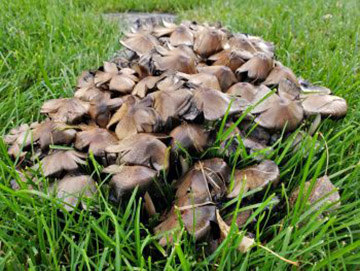
Image Source: organolawn.com
Deciphering the Reasons for Mushrooms in Your Yard
The sudden appearance of mushrooms can be puzzling, but several environmental factors create ideal conditions for their development. Fungi thrive in specific circumstances, and when these align in your lawn, you’ll likely see mushrooms emerge.
Moisture: The Primary Driver of Fungal Bloom
Water is the most crucial element for mushroom growth. Fungi, like all living organisms, require moisture to survive and reproduce.
Excessive Rainfall and Irrigation
- Heavy Rain Events: Prolonged periods of heavy rain can saturate the soil, creating the damp conditions that fungi love.
- Overwatering: Watering your lawn too frequently or for too long can lead to a consistently damp topsoil layer, even after the watering stops. This persistent moisture is a green light for fungal activity.
- Poor Drainage: Lawns with poor drainage trap excess water. If water sits on the surface or in the soil for extended periods, it fosters a humid environment conducive to lawn fungus.
High Humidity and Dew
- Humid Air: Even without direct rain or overwatering, periods of high humidity can provide enough surface moisture for spores to germinate and for mushrooms to develop, especially overnight.
- Heavy Dew: Thick morning dew can also contribute to the moisture levels needed for fungal growth.
Organic Matter: The Fungi’s Food Source
Fungi are decomposers, meaning they feed on dead organic material. The more organic matter present in your soil, the more food is available for these beneficial organisms.
Thatch Buildup
- What is Thatch? Thatch is a layer of dead and living stems, roots, and other organic debris that accumulates between the grass blades and the soil surface.
- Thatch as Food: When thatch becomes too thick (more than ½ inch), it provides an ideal, moist, and nutrient-rich environment for fungi to thrive. The mushrooms you see are often growing directly from this decomposing thatch layer.
Buried Organic Debris
- Dead Roots and Stems: As grass grows and dies, its roots and lower stems contribute to organic matter.
- Decomposing Leaves and Twigs: Leaves, twigs, and other plant debris that are not properly removed can also serve as food for fungi.
- Buried Wood: If there was ever wood or tree stumps buried in your lawn, these are significant food sources for certain types of fungi, leading to clusters or rings of mushrooms known as “fairy rings.”
Soil Conditions: The Foundation for Fungi
The makeup and condition of your soil play a significant role in whether mushrooms will appear.
Soil Type
- Clay Soils: Clay soils tend to retain moisture more effectively than sandy soils. If drainage is also poor, clay soils can become consistently damp, promoting fungal growth.
- Compacted Soils: Compacted soil has reduced air circulation and poor drainage. This can lead to waterlogged conditions at the surface, creating a favorable habitat for mushrooms.
Soil pH
While not as direct a cause as moisture or organic matter, extreme soil pH levels can sometimes stress grass, making it more susceptible to diseases and allowing opportunistic fungi to gain a foothold. However, most common lawn mushrooms are not particularly sensitive to pH.
Shade and Lack of Sunlight
Fungi prefer moist, shaded conditions. Areas of your lawn that receive less direct sunlight, such as under trees or in perpetually shady spots, are more likely to stay cooler and damper, encouraging mushroom development.
Lawn Care Practices: Unintentional Influences
Sometimes, even with the best intentions, certain lawn care practices can inadvertently create conditions that favor mushrooms.
Improper Watering Schedules
- Deep but Infrequent vs. Shallow and Frequent: As mentioned, shallow, frequent watering can keep the surface consistently moist, ideal for mushrooms. Deep, infrequent watering encourages deeper root growth and allows the surface to dry out between waterings.
- Watering Late in the Day: Watering in the evening or late afternoon can leave the grass and soil surface wet overnight, increasing humidity and the risk of fungal growth.
Over-Fertilization
- Excess Nitrogen: Applying too much nitrogen fertilizer can sometimes stimulate rapid, lush growth in grass. This can lead to a thicker thatch layer and also create conditions that some fungi find appealing.
Aeration and Dethatching
- Benefits: Regular aeration and dethatching are excellent for lawn health as they improve air circulation and water penetration, reducing the conditions that favor mushrooms.
- Timing: However, if these practices are done and followed by a period of heavy rain and warm weather, the newly exposed organic matter can temporarily fuel mushroom growth.
Common Lawn Mushroom Types and What They Indicate
While identifying every mushroom species is complex and best left to experts, recognizing common types can offer clues about your soil conditions and what might be causing the problem.
Fairy Rings
These are circles or arcs of mushrooms that appear in the lawn. They are caused by specific types of fungi that spread outwards from a central point, feeding on organic matter in the soil.
| Ring Type | Appearance | Underlying Cause |
|---|---|---|
| Type I | Brown, dead ring of grass | Aggressive fungi consuming all organic matter. |
| Type II | Dark green, lush ring of grass | Fungi improving soil fertility as they grow. |
| Type III | Ring of mushrooms without grass damage | Fungi actively decomposing organic matter. |
Fairy rings are often associated with buried wood or very old thatch buildup.
Inky Caps (Coprinus Species)
These mushrooms are characterized by their gills, which liquefy into an “inky” black fluid as the mushroom matures. They often appear in clusters in damp, nutrient-rich soil.
- Indication: Their presence suggests a good amount of decaying organic matter, often in areas where grass clippings or leaves have accumulated and decomposed.
Bird’s Nest Fungi
These small, cup-shaped mushrooms contain tiny spore-producing structures called “eggs” or “peridioles.” They often grow in clusters on decaying wood or organic debris.
- Indication: A strong indicator of decaying woody material, such as buried twigs or mulch, within the soil.
Stinkhorns
As their name suggests, these fungi have an unpleasant odor and often have a phallic or egg-like shape. They attract insects with their foul smell, which then disperse their spores.
- Indication: Similar to other mushrooms, they feed on decaying organic matter and are often found in moist, shaded areas.
Puffballs
These round mushrooms release a cloud of powdery spores when disturbed. They can range in size from small marbles to large soccer balls.
- Indication: They feed on organic matter in the soil and thatch. Larger puffballs might indicate a significant amount of decomposing material or even buried wood.
Mushroom Identification Assistance
If you’re concerned about the type of mushrooms growing in your lawn, especially if you have pets or small children, mushroom identification can be crucial. Local extension offices or university agricultural departments often offer resources or services for identifying fungi.
Managing and Preventing Mushrooms in Your Lawn
While mushrooms themselves are generally harmless to your grass, their presence is a symptom of underlying conditions. Effective management focuses on addressing these causes rather than directly targeting the mushrooms.
Address Moisture Issues
The most effective way to reduce fungal growth is to manage moisture levels.
Improve Drainage
- Core Aeration: This process pulls plugs of soil out of the lawn, creating channels for air, water, and nutrients to penetrate the soil. It’s especially beneficial for compacted soils.
- Dethatching: Removing excess thatch reduces the spongy layer that can hold moisture and provides a food source for fungi.
- Regrading: In severe cases of poor drainage, you might need to regrade your lawn to ensure water flows away from the house and doesn’t pool.
- Install Drainage Systems: For persistent waterlogging, consider installing French drains or other subsurface drainage solutions.
Adjust Watering Practices
- Water Deeply and Infrequently: Encourage deeper root growth and allow the soil surface to dry out between waterings. A good rule of thumb is about 1 inch of water per week, applied in one or two sessions.
- Water in the Morning: This allows the grass blades to dry off during the day, reducing the risk of damp lawn conditions overnight.
- Check Soil Moisture: Use a screwdriver or soil probe to check how deep the moisture goes. If the top inch or two is dry, it’s likely time to water.
Reduce Organic Matter
- Rake Leaves Promptly: Don’t let fallen leaves accumulate and decompose on your lawn.
- Manage Grass Clippings: While mulching mower clippings is generally good for the lawn, excessive buildup can contribute to thatch. Adjust mowing height or frequency if needed, or consider bagging clippings if they are very thick.
- Remove Debris: Pick up any twigs, branches, or other organic debris from the lawn.
- Remove Dead Grass: Dethatching can help remove the accumulated dead material.
Improve Soil Conditions
- Aeration: As mentioned, aeration helps with both drainage and air circulation, improving overall soil conditions.
- Topdressing: After aeration, you can topdress with a thin layer of compost or sand to further improve soil structure and drainage.
- Overseeding: Using grass varieties that are well-suited to your climate and soil type can lead to a denser, healthier lawn that competes better with fungi.
Increase Sunlight (Where Possible)
- Prune Trees: If your lawn is perpetually shaded by trees, consider pruning lower branches or thinning the canopy to allow more sunlight to reach the grass.
Direct Removal (Temporary Solution)
- Rake Them Up: You can simply rake up and discard the mushrooms. This is a purely cosmetic solution and won’t prevent them from returning if the underlying conditions persist.
- Avoid Contact: If you are unsure about mushroom identification, it’s best to avoid touching them, especially if you have pets or children who might ingest them.
Chemical Treatments (Use with Caution)
Chemical fungicides are rarely necessary for typical mushroom outbreaks in residential lawns. In fact, most lawn fungicides are designed to combat diseases affecting grass, not the fungi that produce mushrooms. If you suspect a specific fungal disease in your grass alongside the mushrooms, consult a professional for diagnosis and treatment.
- Targeting Fungi: Fungicides work by inhibiting fungal growth. However, the fungi producing mushrooms are beneficial decomposers, and broad-spectrum fungicides could harm soil microbes.
- Focus on Prevention: It’s far more effective and sustainable to address the environmental factors that encourage mushroom growth.
When Are Mushrooms a Sign of a Serious Lawn Problem?
While most lawn mushrooms are benign indicators of a healthy decomposition process, in rare instances, they can signal a more significant issue.
- Association with Grass Disease: If you notice patches of discolored, wilting, or dying grass in conjunction with the mushrooms, it might indicate a grass disease rather than just soil conditions.
- Toxic Species: If you have pets or young children who might ingest mushrooms, it’s vital to ensure no toxic species are present. Some mushrooms can be poisonous if eaten.
- Persistent Fairy Rings: While fairy rings themselves aren’t usually detrimental, severe Type I fairy rings (causing dead grass) can be a sign of aggressive fungal activity that is stressing the turf.
If you observe any of these situations, it’s advisable to contact a local lawn care professional or your county agricultural extension office for expert advice and mushroom identification.
Frequently Asked Questions About Lawn Mushrooms
Q1: Are mushrooms in my lawn dangerous to my pets or children?
Many mushrooms found in lawns are non-toxic. However, some species can be poisonous if ingested. If you have pets or young children, it’s best to err on the side of caution and remove any mushrooms you see, or at least prevent access to the areas where they are growing until you can identify them. If you suspect ingestion, contact your veterinarian or a poison control center immediately.
Q2: How can I quickly get rid of mushrooms in my yard?
The fastest way to remove visible mushrooms is to rake or pick them up and discard them. However, this is a temporary fix. To prevent them from returning, you need to address the underlying causes like excessive moisture and organic matter buildup.
Q3: Should I be worried about mushrooms growing in my lawn?
Generally, no. Mushrooms are a sign of a healthy, active soil ecosystem that is efficiently breaking down organic matter. They are rarely a direct threat to your grass. However, their presence points to conditions that you might want to adjust for optimal lawn appearance and health, such as managing moisture.
Q4: Can I spray something on my lawn to kill mushrooms?
While fungicide sprays exist, they are generally not recommended for controlling common lawn mushrooms. These fungi are decomposers, and trying to kill them with broad-spectrum fungicides can harm beneficial soil organisms. It’s much more effective to focus on improving soil conditions, drainage, and managing moisture levels.
Q5: Why do mushrooms appear after I aerate my lawn?
Aeration can sometimes temporarily increase the visibility of mushrooms. When you aerate, you expose more soil and organic matter, and the process can disrupt the fungal network. If conditions are right (warm, moist weather), the fungi may respond by producing mushrooms as they continue their decomposition work. This is usually a short-term effect.
Q6: What does it mean if I see mushrooms in a circle?
Mushrooms appearing in a circular pattern, often called a “fairy ring,” are caused by specific types of fungi that grow outwards from a central point underground. The ring of mushrooms marks the outer edge of the actively growing fungal colony. These fungi feed on organic matter in the soil, and their presence is a natural part of the decomposition cycle.
Q7: My lawn has thick thatch. Will removing it stop the mushrooms?
Removing thick thatch is an excellent step in preventing mushrooms. Thatch provides a food source and retains moisture, creating an ideal environment for fungal growth. By dethatching your lawn, you reduce the available food and improve air circulation, making it less hospitable for mushroom-producing fungi. However, if your soil conditions remain damp, mushrooms may still appear.