
Can you put lime on your yard to make it greener? Yes, you absolutely can! Lime is a valuable soil amendment that can significantly improve lawn health and promote vigorous grass growth, especially if your soil is acidic soil. Adding lime is a key aspect of effective lawn care and a fundamental step in soil correction for better yard maintenance.
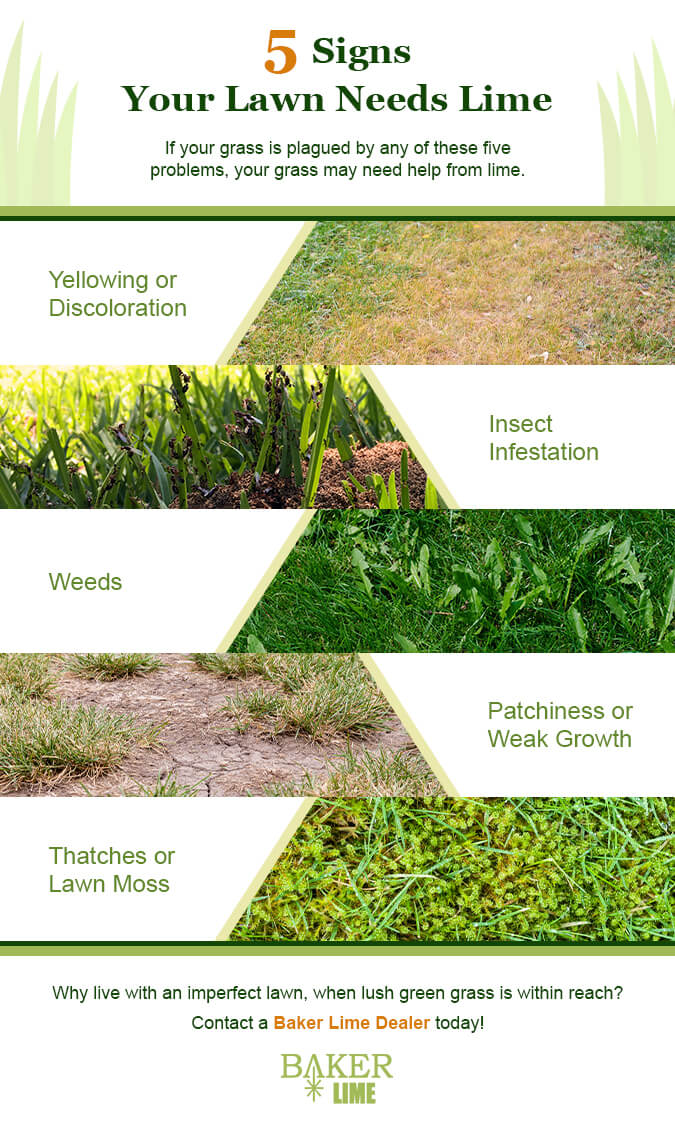
Image Source: www.bakerlime.com
Deciphering Soil pH and Its Impact
Your lawn’s vibrancy is deeply intertwined with its soil pH. Think of soil pH as a measure of how acidic or alkaline your soil is. This number, ranging from 0 to 14, tells us a lot about the soil’s environment. A pH of 7 is neutral, while numbers below 7 indicate acidity, and numbers above 7 signify alkalinity. Most turfgrasses, the backbone of a lush green lawn, thrive in a slightly acidic to neutral pH range, typically between 6.0 and 7.0.
When your soil’s pH drifts too far into the acidic zone, it creates a less-than-ideal environment for your grass. This is where lime application becomes crucial. Lime works by neutralizing excess acidity, raising the soil pH to a more favorable level.
How Acidic Soil Harms Your Lawn
Acidic soil can cause a cascade of problems that directly impact lawn health and grass growth:
- Nutrient Availability: Many essential nutrients, like phosphorus, potassium, and calcium, become “locked up” in acidic soil. This means that even if you fertilize your lawn, your grass can’t effectively absorb these vital elements. It’s like having food on the table but not being able to reach it.
- Aluminum Toxicity: In very acidic soils, aluminum, which is usually present in small amounts, can become soluble. High levels of soluble aluminum are toxic to grass roots. This can stunt growth, cause yellowing, and make the grass weaker and more susceptible to stress.
- Reduced Microbial Activity: The beneficial microorganisms in the soil, which play a crucial role in nutrient cycling and overall soil health, are sensitive to pH levels. Acidic conditions can inhibit their activity, further limiting nutrient availability and hindering grass growth.
- Increased Weed and Moss Growth: Certain weeds and mosses actually prefer acidic conditions. If your lawn is struggling due to acidic soil, you might notice an increase in these undesirable plants, crowding out your desirable turfgrass.
The Role of Lime as a Soil Amendment
Lime is not a fertilizer in the traditional sense; it doesn’t directly feed your grass. Instead, it acts as a powerful soil amendment, fundamentally improving the soil’s condition to support better lawn health. Its primary function is to raise the soil pH.
What Exactly is Lawn Lime?
Lawn lime is typically ground limestone, which is primarily composed of calcium carbonate. Sometimes, it may also contain magnesium carbonate (in dolomitic lime). When lime is applied to the soil, the calcium and magnesium carbonate react with the soil’s acidity. This reaction releases calcium and/or magnesium ions, which then replace the hydrogen ions that cause acidity. This process effectively neutralizes the acid and increases the soil pH.
Types of Lime for Your Yard
There are several types of lime available for lawn care, each with slightly different properties:
- Pulverized (Ground) Lime: This is the most common type. It’s finely ground limestone and works relatively quickly to adjust soil pH.
- Pelletized Lime: This lime is processed into small pellets. It’s easier to spread evenly, reducing dust, and often dissolves more slowly, providing a more gradual pH adjustment.
- Hydrated Lime (Slaked Lime): This is a more caustic form of lime and is generally not recommended for regular lawn use. It can burn grass if not applied carefully and in precise amounts. Stick to agricultural or garden lime.
- Dolomitic Lime: Contains both calcium and magnesium. If a soil testing report indicates low levels of magnesium in addition to acidic soil, dolomitic lime can be a good choice.
How Lime Improves Soil
Beyond raising soil pH, lime offers other benefits:
- Improved Nutrient Uptake: By bringing the soil pH into the optimal range, lime makes essential nutrients more available for grass roots. This is crucial for healthy grass growth.
- Enhanced Soil Structure: Lime can help improve the soil’s structure, particularly in clay soils. It helps clay particles clump together, creating better aeration and drainage, which is beneficial for root development.
- Supplies Calcium and Magnesium: As mentioned, lime provides essential calcium and, in the case of dolomitic lime, magnesium, which are vital plant nutrients.
When and Why to Apply Lime
The decision to apply lime should be guided by the needs of your lawn, primarily determined by soil testing.
The Importance of Soil Testing
Before you grab a bag of lime, it’s essential to conduct a soil testing. This is the most reliable way to determine your soil’s current soil pH and nutrient levels. Many local extension offices offer affordable soil testing services. You can also purchase home testing kits, though they may be less accurate.
A soil test will tell you:
- Soil pH: The most critical piece of information for determining if lime is needed.
- Nutrient Levels: It will indicate deficiencies or excesses of key nutrients like nitrogen, phosphorus, and potassium.
- Organic Matter Content: This provides insight into the soil’s overall health and capacity to retain moisture and nutrients.
Based on the soil test results, you’ll receive recommendations on whether to apply lime and how much. Applying lime without a soil test can be counterproductive. If your soil is already neutral or alkaline, adding lime can shift the pH too high, making nutrients unavailable and harming your lawn.
Recognizing Signs of Acidic Soil
While soil testing is paramount, there are visual cues that might suggest your soil is acidic:
- Moss and Lichen Growth: These often thrive in acidic soil.
- Poor Fertilizer Response: Your lawn doesn’t seem to green up or grow well even after fertilizing.
- Slow, Stunted Growth: The grass simply doesn’t grow vigorously.
- Thin, Weak Turf: The grass blades appear fine and the turf is not dense.
- Presence of Certain Weeds: Some weeds, like clover, sorrel, and dandelions, can tolerate or even prefer slightly acidic conditions.
Timing Your Lime Application
The best time for lime application is generally in the fall or early spring.
- Fall: Applying lime in the fall allows it to begin reacting with the soil over the winter months. The freezing and thawing cycles help break down the lime, making it more effective by spring.
- Early Spring: Applying lime in early spring is also effective. It gives the lime time to work before the peak growing season.
Avoid applying lime during hot, dry weather or when the grass is stressed. Also, it’s generally recommended not to apply lime at the same time as fertilizer, as it can interfere with the effectiveness of both. Spread applications of lime and fertilizer throughout the year.
Mastering Lime Application for Optimal Results
Proper lime application is key to achieving the desired benefits for your lawn. Applying too much or too little can have negative consequences.
Calculating the Right Amount of Lime
The amount of lime needed depends on your current soil pH and the target pH, as well as your soil type. A soil test report will provide specific recommendations. Generally, for every 1,000 square feet, you might need anywhere from 2 to 10 pounds of lime, depending on the severity of the acidity and the type of lime used.
- For a moderate pH adjustment (e.g., from 5.5 to 6.5): You might need around 5 pounds of lime per 1,000 square feet.
- For a more significant adjustment (e.g., from 5.0 to 6.5): You might need closer to 10 pounds or more per 1,000 square feet.
It’s always better to apply lime in smaller, more frequent applications rather than a single large dose. This is especially true for significant pH adjustments. For example, if a soil test recommends 15 pounds of lime per 1,000 square feet, it’s often better to apply 5 pounds in the fall, 5 pounds in the spring, and another 5 pounds in the following fall. This gradual approach minimizes the risk of over-liming and allows the soil to adjust more effectively.
Spreading Lime Evenly
Uniform application is crucial for consistent soil pH correction and even grass growth.
- Use a Spreader: A broadcast spreader (for pelletized lime) or a drop spreader (for pulverized lime) is the best tool for even distribution.
- Calibrate Your Spreader: Spreader settings vary by brand and product. Check the lime bag for recommended settings or consult your spreader’s manual. Test your spreader on a tarp or driveway to see how much material it’s applying over a given area before treating your entire lawn.
- Overlap Passes: Make several overlapping passes to ensure complete coverage.
- Apply When Grass is Dry: Applying lime to dry grass and dry soil helps prevent the lime from sticking to the blades and burning the grass. It also prevents clumping.
- Watering In (Optional but Recommended): Lightly watering the lawn after applying lime can help it start to dissolve and work into the soil. However, avoid heavy watering that could wash the lime away.
How Often Should You Apply Lime?
This depends on your soil pH and how quickly it changes. If your soil test indicated a need for lime, you might retest your soil every 1-2 years. Typically, lime applications are needed every 2-3 years for ongoing maintenance of optimal soil pH. Don’t over-apply lime; consistent, moderate applications are more beneficial than infrequent heavy ones.
Common Pitfalls to Avoid with Lime Application
While beneficial, lime can cause issues if not used correctly.
Over-Liming Your Lawn
Applying too much lime is a common mistake. Excessive lime can:
- Cause Nutrient Deficiencies: A high pH can make iron, manganese, and zinc unavailable to grass, leading to yellowing (chlorosis).
- Hinder Phosphorus Uptake: Ironically, while lime makes phosphorus more available in acidic soils, too much lime can reduce its availability again.
- Damage Soil Microbes: Extreme pH shifts can harm beneficial soil organisms.
Always follow the recommendations from your soil test. When in doubt, err on the side of caution and apply less.
Applying Lime at the Wrong Time
Applying lime during extreme weather conditions (very hot, very cold, or very wet) can be less effective and potentially harmful. As mentioned, fall and early spring are ideal.
Not Performing Soil Testing
This is perhaps the biggest mistake. Applying lime without knowing your soil pH is a shot in the dark. It might help, but it could also do nothing or even harm your lawn. Soil testing is the foundation of informed lawn care.
Using the Wrong Type of Lime
While most garden limes are safe, avoid industrial or quicklime unless you are an experienced professional, as they are much more caustic and can severely damage your lawn.
The Benefits of Correcting Soil pH
When soil pH is in the optimal range, your lawn will thank you with:
- Deeper Green Color: Healthier grass blades with proper nutrient uptake appear a richer green.
- Thicker, Denser Turf: Stronger grass growth means a more resilient and aesthetically pleasing lawn.
- Increased Drought and Stress Tolerance: A healthy root system, facilitated by good soil conditions, allows the grass to better withstand dry periods and other environmental stresses.
- Reduced Weed and Moss Invasion: A healthy, dense turf can naturally outcompete weeds and mosses.
Lime and Other Lawn Care Practices
Lime is a powerful tool, but it’s just one piece of the lawn care puzzle. For optimal lawn health, integrate lime application with other practices:
- Proper Watering: Water deeply and infrequently to encourage deep root growth.
- Appropriate Mowing: Mow at the correct height for your grass type, and never remove more than one-third of the blade at a time.
- Fertilization: Use a balanced fertilizer according to your grass’s needs and the season.
- Aeration: Relieve soil compaction to improve air, water, and nutrient penetration.
- Overseeding: Fill in thin patches with new seed to create a denser turf.
By addressing soil pH with lime, you create a more receptive environment for all these other yard maintenance practices to work their magic. It’s about building a strong foundation for a truly lush green lawn.
Frequently Asked Questions (FAQ)
Q1: How do I know if my lawn needs lime?
The best way to know if your lawn needs lime is to perform a soil testing. This will tell you your soil pH. If the pH is below 6.0, lime is likely beneficial. Visual cues like moss growth or poor response to fertilizer can also be indicators, but soil testing provides definitive answers.
Q2: How much lime should I apply?
The amount of lime needed depends on your soil pH, the target pH, and your soil type. A soil test report will provide specific recommendations. Generally, for every 1,000 square feet, you might need 2 to 10 pounds of lime, spread over multiple applications. Always follow the soil test recommendations for lime application.
Q3: When is the best time to apply lime?
The ideal times for lime application are in the fall or early spring. Fall application allows the lime to work over the winter, while early spring application provides benefits before the peak growing season. Avoid applying lime during hot, dry weather.
Q4: Can I apply lime and fertilizer at the same time?
It’s generally not recommended to apply lime and fertilizer simultaneously. While not harmful, it can sometimes reduce the effectiveness of both. It’s better to space out your applications.
Q5: Will lime kill my grass?
Lime will not kill healthy grass when applied correctly. However, over-liming (applying too much) can harm your lawn by making essential nutrients unavailable and potentially burning the grass if applied to wet foliage. Always follow recommended application rates.
Q6: How long does it take for lime to work?
Lime works gradually. It can take several months for the full effects on soil pH to be realized, especially with pulverized lime. Pelletized lime may show effects a bit faster. Gradual, consistent applications are more effective than a single, heavy dose.
Q7: What is the difference between calcific lime and dolomitic lime?
Calcific lime (often called “ag lime” or “garden lime”) is primarily calcium carbonate. Dolomitic lime contains both calcium carbonate and magnesium carbonate. If your soil testing indicates low magnesium levels, dolomitic lime can be a beneficial choice. Otherwise, either type works to adjust soil pH.