
Can you put lime on your lawn to fix acidic soil? Yes, absolutely! Applying lime is a fundamental practice for improving lawn health when your soil is too acidic. If your grass looks dull, struggles to grow, or is prone to weeds, your soil’s pH might be the culprit. This guide will help you discover why lime is crucial for a vibrant, green lawn.
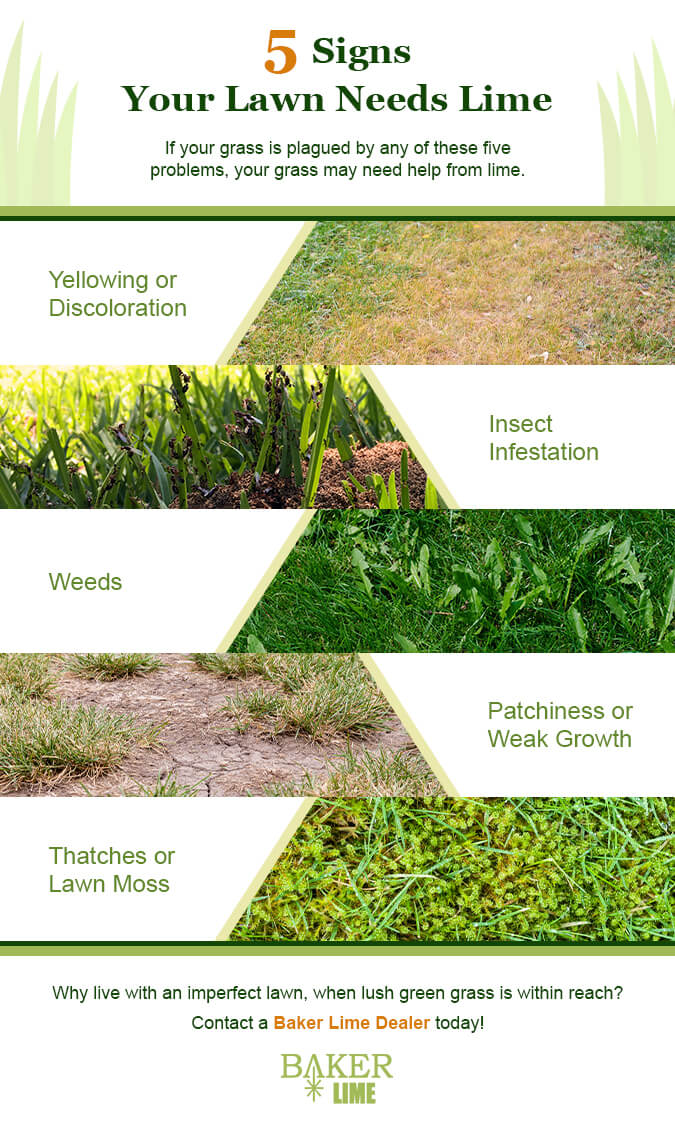
Image Source: www.bakerlime.com
Fathoming Soil pH: The Foundation of Lawn Health
Your lawn’s success hinges on the soil pH. This measurement tells you how acidic or alkaline your soil is. Think of it like a thermostat for your soil. Most grass types prefer a slightly acidic to neutral environment, generally between 6.0 and 7.0. When your soil veers too far in either direction – becoming too acidic (low pH) or too alkaline (high pH) – it creates problems for your grass.
Why is Soil pH So Important?
Soil pH directly impacts how well your grass can absorb essential nutrients from the soil. Even if your soil is rich in nutrients, if the pH is out of whack, your grass roots can’t access them effectively. This is like having a full pantry but not being able to open the doors.
- Nutrient Availability: Different nutrients are best absorbed by grass at specific pH levels. For example, phosphorus, iron, and manganese are less available in acidic soils.
- Microbial Activity: Beneficial soil microbes that help break down organic matter and make nutrients available thrive in a balanced pH range. Acidic conditions can harm these vital organisms.
- Weed Growth: Many common lawn weeds, like clover and dandelions, actually prefer acidic soil. They can outcompete your grass when conditions are right for them.
- Disease Susceptibility: Plants growing in nutrient-deficient or stressed soil due to improper pH are more vulnerable to diseases and pests.
The Problem with Acidic Soil for Your Lawn
Acidic soil is a common issue in many regions, often caused by rainfall, the decomposition of organic matter, and certain fertilizers. When your soil’s pH drops below 6.0, it becomes acidic. What does this mean for your backyard maintenance?
Symptoms of Acidic Soil on Your Lawn
Recognizing the signs of acidic soil is the first step to correcting it. Here’s what to look for:
- Poor Grass Growth: Your lawn might look thin, patchy, or simply won’t grow as vigorously as it should.
- Yellowing Grass (Chlorosis): A lack of essential nutrients, particularly iron, due to low pH can cause grass blades to turn yellow.
- Increased Weed Presence: As mentioned, weeds that thrive in acidic conditions will start to take over.
- Moss Growth: Moss often indicates compacted or acidic soil.
- Dull, Unhealthy Appearance: Your lawn just won’t have that vibrant green color.
The Solution: Why Put Lime On Lawn?
This is where lime application comes into play. Agricultural lime, commonly known as garden lime, is a natural mineral that helps to raise the soil pH. It’s essentially calcium carbonate or magnesium carbonate, which counteracts the acidity in the soil.
How Does Lime Work?
When you apply lime to your lawn, it dissolves in the soil and reacts with the acidic compounds. This reaction neutralizes the acidity, making the soil less acidic and, therefore, more hospitable to your grass.
- Increases pH: The primary function of lime is to raise the soil pH.
- Improves Nutrient Uptake: By neutralizing acidity, lime makes essential nutrients like nitrogen, phosphorus, and potassium more available to your grass roots.
- Enhances Soil Structure: Lime can help bind soil particles together, improving aeration and drainage, especially in clay soils.
- Boosts Microbial Activity: A balanced pH environment supports the beneficial microbes that are crucial for a healthy soil ecosystem.
When to Apply Lime to Your Lawn
Timing your lime application is as important as the application itself. The goal is to apply lime when your lawn can benefit from the pH adjustment and when it won’t disrupt your regular lawn care tips.
Best Times for Lime Application
- Fall: This is often considered the ideal time. The soil is still warm enough for the lime to start reacting, and the winter moisture helps it incorporate into the soil. It gives your lawn a head start for spring growth.
- Spring: You can also apply lime in early spring, before the peak growing season begins. This helps to correct pH issues before they impact grass health during the warmer months.
- Avoid Hot, Dry Periods: Applying lime during periods of drought or extreme heat can stress your lawn.
- Avoid Applying Before Heavy Rains: Heavy rainfall immediately after application can wash some of the lime away before it has a chance to work.
How to Apply Lime: A Step-by-Step Guide
Correct lime application ensures you get the benefits without harming your lawn. It’s a straightforward process, but precision is key.
Step 1: Perform a Soil Test
Before you grab a bag of lime, the most crucial step is to conduct a soil testing. This will tell you your current soil pH and whether it actually needs lime. You can get a DIY soil testing kit from your local garden center or send a sample to your local cooperative extension office for a more detailed analysis.
- Why is Soil Testing Essential?
- Confirms Acidity: It confirms if your soil is indeed acidic and by how much.
- Determines Lime Needs: The test results will often recommend the type and amount of lime to apply.
- Identifies Nutrient Deficiencies: Many tests also reveal other nutrient deficiencies, allowing for a more comprehensive lawn fertilizer strategy.
Step 2: Choose the Right Type of Lime
There are a few types of lime available for lawn use, each with slightly different properties:
- Pulverized (Ground) Limestone: This is the most common and cost-effective option. It’s finely ground, so it works relatively quickly.
- Granular Lime: This is processed into pellets, making it easier to spread evenly with a spreader. It breaks down more slowly than pulverized lime, offering a more sustained pH adjustment.
- Dolomitic Lime: This type of lime contains both calcium and magnesium. If your soil testing indicates a magnesium deficiency, dolomitic lime is a good choice. If magnesium levels are sufficient, use calcitic lime (which primarily provides calcium).
Step 3: Calculate the Amount of Lime Needed
The amount of lime to apply depends on your soil’s current pH, the soil type (sandy soils need less lime than clay soils), and the target pH. Your soil testing results are the best guide here.
-
General Guidelines (for a pH of 5.5):
- Sandy Soils: 2-4 pounds per 100 square feet
- Loam Soils: 3-5 pounds per 100 square feet
- Clay Soils: 4-6 pounds per 100 square feet
-
Important Note: Never apply more lime than recommended in a single application. It’s better to apply smaller amounts more frequently than to overdo it. Over-liming can cause nutrient lockout and harm your grass.
Step 4: Gather Your Tools
You’ll need a few essential tools for the job:
- Lime: The correct type and amount.
- Spreader: A broadcast or drop spreader is ideal for even application.
- Gloves and Eye Protection: To protect yourself during application.
- Measuring Tools: For accurate measurement of lime and application area.
Step 5: Spreading the Lime
- Calibrate Your Spreader: Ensure your spreader is set to the correct rate based on the manufacturer’s instructions and the recommended lime application rate.
- Apply Evenly: Walk at a steady pace, overlapping your passes slightly to ensure uniform coverage. Avoid dumping lime in one spot.
- Water Lightly (Optional but Recommended): Lightly watering the lawn after application can help wash the lime off the grass blades and into the soil, where it can start to work.
How Often Should You Apply Lime?
The frequency of lime application depends on how acidic your soil is and how quickly it returns to acidity.
- Initial Correction: If your soil is significantly acidic, you might need to apply lime every 6-12 months until the desired pH is reached.
- Maintenance: Once your soil pH is in the optimal range, you may only need to apply lime every 2-3 years for maintenance.
- Re-testing: Continue to perform soil testing every 1-2 years to monitor your pH levels and adjust your liming schedule accordingly.
Alternatives and Complements to Lime for Lawn Care
While lime is the primary solution for acidic soil, other lawn care tips and practices can complement its effects and contribute to overall grass health.
Understanding Different Soil Amendments
- Lime: Primarily raises soil pH.
- Sulfur: If your soil is too alkaline (high pH), elemental sulfur can be used to lower the pH. However, this is less common for typical lawn issues.
- Compost and Organic Matter: Adding compost improves soil structure, water retention, and nutrient availability, regardless of pH. It’s always a good practice for healthy turf care.
- Fertilizers: Choosing the right lawn fertilizer is crucial. Some fertilizers can contribute to soil acidity over time. Look for balanced fertilizers and consider slow-release nitrogen sources.
Fertilizing Acidic Soil
When dealing with acidic soil, your fertilization strategy needs to be mindful of nutrient availability.
- Choose pH-Neutral Fertilizers: Opt for fertilizers that don’t significantly alter soil pH.
- Apply Micronutrients: If your soil test indicates deficiencies in micronutrients like iron or manganese due to acidity, you may need to apply chelated forms of these nutrients, which are more readily available in a wider pH range.
- Timing with Lime: Generally, it’s best to wait a few weeks after applying lime before applying synthetic fertilizers to allow the lime to begin working.
Common Questions About Putting Lime on Your Lawn
Here are some frequently asked questions about lime application and its impact on grass health.
FAQ Section
Q1: Can I put lime on my lawn when it’s dry?
A1: Yes, you can apply lime to a dry lawn. However, watering lightly after application helps it dissolve and move into the soil.
Q2: How long does it take for lime to work?
A2: Lime begins to work immediately upon application, but it can take several months for the full effect on soil pH to be realized.
Q3: What happens if I put too much lime on my lawn?
A3: Over-liming can raise the soil pH too high, leading to nutrient lockout. This means your grass won’t be able to absorb even available nutrients, causing yellowing and poor growth. It can also harm beneficial soil organisms. Always follow recommended application rates.
Q4: Can I apply lime and fertilizer at the same time?
A4: It’s generally not recommended to mix lime and fertilizer in the spreader or apply them simultaneously. Wait at least two weeks between lime application and fertilization to allow the lime to start adjusting the pH without interfering with the fertilizer’s effectiveness.
Q5: Will lime kill my grass?
A5: No, when applied at the correct rate, lime will not kill your grass. In fact, it promotes grass health. Over-application, however, can stress the grass.
Q6: How do I know if my soil is acidic?
A6: The best way to know is through a soil testing. However, signs like moss growth, poor grass growth, and a prevalence of weeds that favor acidic conditions can also indicate acidity.
Q7: What is the difference between garden lime and agricultural lime?
A7: They are essentially the same thing. “Garden lime” is the common term used for agricultural lime sold for home gardening purposes.
Q8: How much does lime cost?
A8: The cost of lime varies by location and type, but it’s generally an affordable soil amendment. A 40-pound bag might cost between $5 and $15, sufficient for treating a medium-sized lawn.
Q9: Can I put lime on my lawn in the summer?
A9: While you can apply lime in summer, it’s not ideal. The heat and potential for drought can stress your lawn. Fall and spring are generally better times for lime application.
Q10: My soil test says my pH is 7.5. Do I need lime?
A10: No, a pH of 7.5 indicates your soil is slightly alkaline. Lime will make the problem worse. You would need to use a soil amendment like elemental sulfur to lower the pH.
Conclusion: A Healthier Lawn Through Proper pH Management
Putting lime on your lawn is a vital part of effective turf care, especially if your soil testing reveals acidic conditions. By understanding your soil’s pH and addressing acidity with timely and appropriate lime application, you create an environment where grass can thrive. This leads to a lusher, greener, and more resilient lawn, reducing the need for excessive lawn fertilizer and minimizing the encroachment of weeds. Consistent backyard maintenance, starting with a healthy soil foundation, is the key to a beautiful and enduring lawn. Remember, a little knowledge and a lot of care can transform your lawn.