
Seeing mushrooms sprout on your lawn can be a puzzling sight. While they might seem like a sudden infestation, mushrooms on your lawn are generally a sign of healthy soil and the presence of decomposing organic matter. These fungi are not inherently harmful to your grass, but their presence often indicates underlying conditions that might need attention for optimal lawn health.
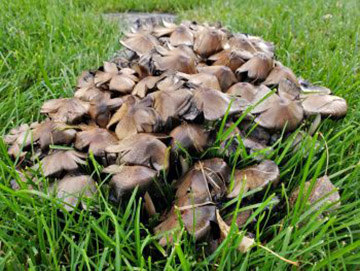
Image Source: organolawn.com
The Fungal Forest Floor: Deciphering Lawn Fungi
Lawn fungi are a natural part of any ecosystem, including your backyard. Mushrooms are simply the fruiting bodies of a vast underground network of fungal mycelium. This mycelium plays a crucial role in breaking down dead plant material, returning vital nutrients to the soil. So, when you see mushroom growth, you’re witnessing nature’s recycling program in action.
Common Lawn Mushrooms and What They Signal
Many types of common lawn mushrooms can appear. Identifying them can sometimes offer clues to the specific conditions in your yard.
Fairy Rings
Perhaps the most distinctive type of mushroom growth is the fairy ring. This is a circular or semi-circular pattern of mushrooms, often with darker, faster-growing grass in the center and a ring of darker green, taller grass outside the mushrooms.
- Cause: Fairy rings are caused by the expansion of underground fungal mycelium. As the mycelium grows outward, it consumes organic matter. In drier conditions, this mycelium can become quite dense and form a barrier that repels water, leading to a ring of stressed, brown grass. The mushrooms appear at the edge of the active mycelium.
- Fixes:
- Watering: Deep and infrequent watering can help penetrate the thatch layer and hydrate the soil, reducing the stress on the grass within the ring.
- Fertilization: Applying nitrogen fertilizer to the entire lawn, including the ring, can help the grass grow through the mycelium and mask the visual effect.
- Aeration: Aerating the soil within and around the ring can break up the dense mycelium and improve water and air penetration.
- Topdressing: Adding compost or soil to the affected area can help reintroduce beneficial microorganisms that compete with the fairy ring fungi.
- Removal: While not a solution to the underlying cause, you can manually remove the mushrooms if they are unsightly. They will likely regrow until the conditions change.
Hull-Down Mushrooms (Agaricus Species)
These are the classic, familiar umbrella-shaped mushrooms. They come in various shades of white, cream, or brown.
- Cause: Often found in clusters or scattered across the lawn, these mushrooms thrive in damp soil and areas with abundant decomposing organic matter, such as buried tree stumps, roots, or leaf litter.
- Fixes:
- Remove organic matter: The most effective long-term solution is to remove the source of food for the fungi. This might involve digging up buried debris or raking leaves thoroughly.
- Improve drainage: If your lawn holds too much moisture, consider improving drainage through aeration or by leveling low spots where water collects.
- Reduce thatch: A thick thatch layer can hold moisture. Dethatching your lawn can help.
- Manual Removal: Simply pick the mushrooms. They are not typically poisonous if you have pets or children, but it’s always best to err on the side of caution and identify them if possible.
Ink Caps (Coprinus Species)
These mushrooms are known for their unique characteristic: as they mature, their caps dissolve into an inky black liquid.
- Cause: Ink caps are commonly found in areas with nutrient-rich soil and damp soil, often appearing after periods of heavy rain. They are saprophytic, meaning they feed on dead organic material in the soil.
- Fixes:
- Dry the soil: Reducing excess moisture is key. Ensure good drainage and avoid overwatering.
- Aeration: Aerating the lawn helps improve air circulation and water penetration, drying out the upper soil layers.
- Remove dead organic matter: Clear away any accumulating leaves or thatch.
- Manual Removal: Ink caps dissolve quickly, so removal is usually a temporary measure.
Bird’s Nest Fungi
These small, cup-shaped mushrooms resemble miniature bird nests, often containing small, seed-like structures called “eggs” or “peridioles.”
- Cause: Bird’s nest fungi are typically found in moist, shady areas with decomposing organic matter, such as mulch, decaying wood chips, or even in dense thatch.
- Fixes:
- Reduce moisture: Ensure good air circulation and avoid overwatering, especially in shady spots.
- Remove mulch or debris: If they are growing in mulch beds, try to remove the affected mulch.
- Rake the lawn: Regularly raking can help dislodge these small fungi.
Fathoming the Factors: Why Mushrooms Appear
Several environmental and soil conditions contribute to mushroom growth on your lawn. These factors create an ideal habitat for the underground mycelial networks that produce mushrooms.
The Role of Moisture: Damp Soil is Key
Mushrooms are fungi, and like most living organisms, they need water to survive and reproduce.
- Excessive Rainfall: Prolonged periods of rain or excessive watering create consistently damp soil, providing the moisture fungi need to thrive.
- Poor Drainage: Lawns with poor drainage, low spots, or compacted soil tend to hold onto water for longer periods, making them more susceptible to mushroom growth.
- Shady Areas: Shady areas receive less direct sunlight, which means the soil dries out more slowly. This can lead to persistently damp soil, creating a perfect environment for fungi.
Nutrient-Rich Soil and Decomposing Organic Matter
Mushrooms are nature’s cleanup crew. They feed on dead organic material, breaking it down and returning nutrients to the soil.
- Thatch Buildup: A thick layer of thatch – the layer of dead and living stems, roots, and other organic matter that accumulates between the grass blades and the soil surface – is a prime food source for fungi. Decomposing organic matter within the thatch provides ample sustenance.
- Buried Debris: Old tree stumps, roots, buried wood, or even pet waste can all act as food sources for fungi. As these materials decompose, they fuel mushroom growth.
- Fertilizer Imbalance: While healthy soil is good, overly rich soil or excessive use of certain fertilizers can sometimes encourage fungal activity, especially if they promote rapid thatch buildup.
Soil Compaction and Poor Aeration
Compacted soil has reduced pore space, hindering air and water movement.
- Reduced Airflow: Compacted soil limits the oxygen available to grass roots and beneficial soil microbes. This can indirectly favor fungi that are more tolerant of low-oxygen conditions.
- Water Retention: Compacted soil also retains more moisture, contributing to the damp soil conditions that lawn fungi prefer.
- Aeration: Lack of aeration means organic matter may not break down as efficiently, leading to a buildup of thatch, which is food for fungi.
Addressing the Issue: Lawn Care for Mushroom Prevention
Managing mushrooms on your lawn is less about eliminating the fungi themselves and more about creating an environment that discourages their prolific fruiting. Good lawn care practices are your best defense.
Cultural Practices for a Healthier Lawn
These are the foundational steps to a resilient and less mushroom-prone lawn.
Improve Drainage and Reduce Moisture
- Aeration: Regularly aerate your lawn, especially if you have compacted soil. This process creates small holes in the soil, improving airflow, water penetration, and drainage. Aim to aerate at least once a year, more often if compaction is severe.
- Dethatching: Remove excess thatch buildup. A healthy thatch layer should be no more than ½ inch thick. Dethatching tools or machines can help slice through the thatch.
- Leveling: Fill in low spots in your lawn where water tends to collect. This will promote more even drying.
- Adjust Watering: Water your lawn deeply but infrequently. This encourages deeper root growth and allows the soil surface to dry out between waterings. Avoid watering in the late afternoon or evening, as this leaves the grass and soil wet overnight, promoting fungal growth.
Manage Organic Matter
- Remove Debris: Regularly rake leaves, twigs, and other organic debris from your lawn. This removes potential food sources for fungi.
- Address Buried Organic Matter: If you have known buried stumps or roots, consider removing them. This is often a labor-intensive but effective long-term solution.
- Compost Sparingly: While compost is beneficial for soil health, avoid applying thick layers of fresh compost that can hold excess moisture and provide a food source.
Soil Health and Fertilization
- Soil Testing: Get your soil tested to determine its pH and nutrient levels. This helps you fertilize appropriately and avoid over-application, which can sometimes exacerbate thatch issues.
- Balanced Fertilization: Use a balanced fertilizer according to soil test recommendations. Avoid high-nitrogen fertilizers that can promote rapid, dense growth leading to thatch.
Mechanical Solutions for Mushroom Removal
While not preventative, these methods can help manage the visible problem.
Manual Removal
- Pick Them: The simplest method is to physically pick the mushrooms as you see them. This removes the fruiting bodies before they can release spores, but it doesn’t address the underlying mycelium. For children and pets, mushroom identification is crucial to ensure they aren’t poisonous. If you’re unsure, it’s best to remove them.
Scarification and Topdressing
- Scarifying: This process is similar to dethatching but goes deeper into the soil to remove more organic material and roots. It can help break up the mycelial network.
- Topdressing: After scarifying or aerating, applying a thin layer of compost or sandy soil can help introduce beneficial microorganisms that compete with the fungi and improve soil structure.
Chemical Controls (Use with Caution)
Chemical fungicides are generally not recommended for treating mushrooms on lawns.
- Why they are often not effective: Fungicides typically kill the visible mushroom, but the underground mycelium can survive and continue to produce more mushrooms. Furthermore, many common lawn mushrooms are not pathogenic to grass and are beneficial decomposers. Broad-spectrum fungicides can also harm beneficial soil microbes.
- When they might be considered: In rare cases, if a specific pathogenic fungus is identified that is causing significant turf damage and mushrooming, a targeted fungicide might be prescribed by a professional. However, for cosmetic mushroom growth, cultural practices are far more effective and environmentally friendly.
Identifying the Culprits: Mushroom Identification for Lawn Health
Knowing what kind of yard fungus you have can be helpful, though often not essential for general lawn care. If you have pets or young children, proper mushroom identification is crucial to ensure no toxic species are present.
Resources for Mushroom Identification
- Local Extension Offices: Your local agricultural extension office is an excellent resource. They often have experts who can help identify mushrooms or provide guides specific to your region.
- Online Resources: Many reputable websites and apps are dedicated to mushroom identification. Look for sites with clear photos, detailed descriptions, and regional information. However, be cautious with online identification, as many mushrooms look similar.
- Field Guides: Invest in a good field guide for mushrooms in your area.
When to Worry About Lawn Mushrooms
- Poisonous Species: If you suspect you have poisonous mushrooms, take immediate action. Keep pets and children away from the affected areas and consult a professional for identification and safe removal.
- Turf Damage: While most common lawn mushrooms are harmless to the grass, some fungal diseases can cause yellowing, browning, or thinning of the turf. If you notice significant turf damage along with mushroom growth, it might indicate a more serious disease.
Frequently Asked Questions About Lawn Mushrooms
Q1: Are mushrooms on my lawn bad for my grass?
Generally, no. Mushrooms are a sign of a healthy ecosystem in your soil, indicating that organic matter is decomposing. They don’t typically harm the grass itself. However, their presence often points to conditions like excess moisture or thatch buildup, which can stress your lawn.
Q2: How can I get rid of mushrooms permanently?
Permanent removal is difficult because mushrooms are a natural part of the soil ecosystem. The best approach is to manage the conditions that encourage their growth. This involves improving drainage, reducing thatch, removing buried organic matter, and practicing good lawn care.
Q3: Are the mushrooms on my lawn poisonous?
This depends on the species. Many common lawn mushrooms are harmless, but some can be toxic to humans and pets. Mushroom identification is important if you have children or pets. If you’re unsure, it’s safest to remove them manually and prevent access to the area.
Q4: What if I see fairy rings on my lawn?
Fairy rings are a specific type of mushroom growth caused by underground fungal mycelium. To manage them, you can try deep watering, fertilizing the entire lawn to help the grass grow through the ring, or aerating the soil to break up the mycelium.
Q5: Can I use chemicals to kill mushrooms?
While fungicides can kill the visible mushroom, they rarely eliminate the underground mycelium and are often not effective for long-term control. They can also harm beneficial soil organisms. It’s better to focus on cultural practices like improving drainage and managing thatch.
Q6: Why do mushrooms appear after rain?
Rain provides the necessary moisture for the fungal mycelium to produce mushrooms, which are its reproductive structures. Combined with damp soil and decomposing organic matter, rain triggers the visible mushroom growth.
By adopting a proactive approach to lawn care, you can minimize the appearance of mushrooms and ensure a healthier, more resilient lawn. Remember, these fungi are often a sign of good things happening beneath the surface, but a little management goes a long way in keeping your yard looking its best.