
Why are ladybugs good for the garden? Ladybugs are fantastic garden helpers because they are natural predators that eat harmful insects like aphids. This makes them an essential part of natural pest control in any garden, helping to keep plants healthy without the need for chemicals. They are truly beneficial insects that contribute to a healthy ecological balance.
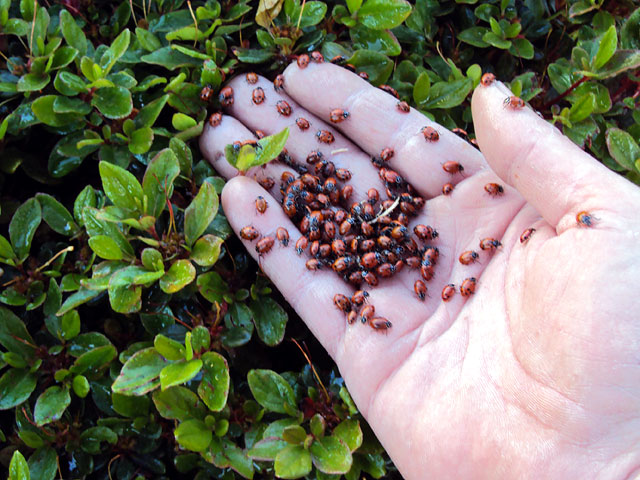
Image Source: blogs.getty.edu
Ladybugs: Tiny Guardians of Your Green Space
Ladybugs, with their charming spotted shells, are more than just a pretty sight in the garden. These small beetles are incredibly valuable for gardeners, acting as powerful allies in the fight against common garden pests. Their voracious appetite for many plant-damaging insects makes them a cornerstone of natural pest control and a symbol of organic gardening success. If you’re wondering why these little red and black creatures are so revered by plant enthusiasts, it all comes down to their role as efficient pest control agents.
The Mighty Appetite: What Ladybugs Eat
Ladybugs are carnivorous, and their diet is a major reason they are considered such beneficial insects. They primarily feed on small, soft-bodied insects that can wreak havoc on garden plants. The most notorious of these are aphids.
Aphid Assassins
Aphids are tiny, sap-sucking insects that cluster on plant stems and leaves. They weaken plants by draining their nutrients and can also spread plant diseases. A single ladybug can consume thousands of aphids in its lifetime. Imagine the impact of a colony of ladybugs on an aphid infestation! This is where ladybugs truly shine as aphid predators.
- Consumption Rate: Adult ladybugs can eat up to 50 aphids per day.
- Larval Power: Even more remarkably, ladybug larvae are even hungrier than the adults. A single larva can devour hundreds of aphids before it pupates.
Beyond Aphids: A Broader Menu
While aphids are a favorite, ladybugs aren’t picky eaters when it comes to harmful pests. Their diet can also include:
- Mealybugs: Small, cottony insects that feed on plant sap.
- Scale Insects: Tiny insects that attach themselves to stems and leaves, sucking sap.
- Mites: Microscopic arachnids that can damage plants.
- Whiteflies: Small, flying insects that feed on plant sap.
- Aspen Leaf Miners: Larvae that tunnel within leaves, causing damage.
By preying on these various garden pests, ladybugs help protect your plants from a wide range of threats, contributing to the overall health and vitality of your garden. They are truly exceptional insect predators.
The Ladybug Life Cycle: A Pest-Eating Machine
The journey of a ladybug from egg to adult is a fascinating process, and at every stage, they are working to control pests. This continuous cycle of consumption is what makes them such reliable garden helpers.
Eggs: The Starting Point
Ladybug eggs are typically laid in clusters on the underside of leaves, often near aphid colonies. This strategic placement ensures that the hatching larvae have an immediate food source. The eggs themselves are tiny, oval, and yellowish.
Larvae: The Hungry Hoarders
This is perhaps the most crucial stage for pest control. Ladybug larvae look nothing like adult ladybugs. They are elongated, segmented, and often have a spiky or bristly appearance. Despite their less appealing look, these larvae are incredibly active and voracious eaters.
- Intense Feeding: During their larval stage, they consume an enormous number of aphids and other soft-bodied insects. They are often described as “eating machines.”
- Growth and Molting: As they grow, ladybug larvae shed their skin several times in a process called molting. Each stage between molts is called an instar.
Pupae: The Transformation Zone
After completing their larval development, ladybugs attach themselves to a leaf or stem and form a pupa. This is a resting stage where the insect undergoes a remarkable transformation, turning from a larva into an adult beetle. While they are in this pupal stage, they are not actively feeding, but the development is crucial for the continuation of their beneficial work.
Adults: The Continued Campaign
Once they emerge as adult ladybugs, they continue their pest-eating mission. Adult ladybugs are capable of flight, allowing them to travel to new areas of your garden or to different gardens altogether, spreading their pest-control benefits. They also continue to lay eggs, ensuring the next generation of aphid predators is ready to go.
Why Choose Ladybugs Over Chemicals?
In the world of organic gardening, attracting and supporting ladybugs is a far superior approach to pest management compared to synthetic pesticides. Here’s why:
- Targeted Control: Ladybugs are specific insect predators. They target pests like aphids and mealybugs, leaving beneficial insects like bees and other pollinators unharmed. Chemical pesticides, on the other hand, are often broad-spectrum, killing both pests and beneficials.
- No Harmful Residues: Ladybugs are a natural solution. They don’t leave behind toxic residues on your plants or in the soil, making your produce safer to eat and your garden environment healthier. This is a key principle of ecological balance.
- Sustainable Solution: Ladybugs are self-sustaining. Once you create a welcoming environment for them, they will reproduce and continue their pest-control work season after season, reducing your reliance on external inputs.
- Cost-Effective: While you can purchase ladybugs, attracting them naturally through plant choice and habitat is a free and sustainable method of pest control.
How to Attract and Keep Ladybugs in Your Garden
Making your garden a haven for ladybugs is a rewarding endeavor. By providing them with what they need – food, water, and shelter – you’ll ensure these garden helpers are always on patrol.
Providing Food Sources
The primary food for ladybugs, as discussed, is aphids and other soft-bodied insects. If you have a severe aphid problem, you might need to introduce ladybugs, but in general, the presence of these pests will naturally attract them. However, for a more consistent presence, consider planting aphid-attracting plants in specific areas to act as a lure.
Water Sources
Ladybugs, like all living creatures, need water. Providing a shallow water source can make your garden more appealing.
- Bird Baths: A shallow bird bath or a simple dish filled with pebbles and water can serve as a drinking spot. The pebbles prevent them from drowning.
- Misty Spray: Lightly misting your plants in the morning can provide dew for them to drink.
Shelter and Habitat
Ladybugs need places to hide, rest, and overwinter. Creating diverse habitats will encourage them to stay.
- Mulch: A layer of mulch around your plants provides shelter and a place for them to overwinter.
- Ground Cover Plants: Low-growing plants can offer protection.
- Leaving Stems: In the fall, resist the urge to tidy up too much. Leaving some dead plant stems can provide overwintering sites for ladybugs and their larvae.
- Native Plants: Many native plants provide ideal habitats and food sources for ladybugs.
Planting for Ladybugs
Certain plants are known to attract ladybugs because they host aphids or provide nectar and pollen that adult ladybugs consume when pests are scarce.
-
Aphid Magnets (for attracting ladybugs):
- Dill
- Fennel
- Cilantro
- Yarrow
- Cosmos
- Marigolds
-
Ladybug Food Sources (nectar/pollen):
- Sweet Alyssum
- Borage
- Chamomile
- Calendula
- Sunflowers
Table: Plants that Attract Ladybugs
| Plant Type | Examples | Why They Attract Ladybugs |
|---|---|---|
| Herbaceous | Dill, Fennel, Cilantro, Parsley, Yarrow | Host aphids, provide nectar/pollen |
| Flowering | Cosmos, Marigolds, Daisies, Sunflowers | Offer nectar and pollen, attract aphids |
| Annuals | Sweet Alyssum, Calendula, Borage, Chamomile | Provide nectar and pollen, good for overwintering shelter |
| Groundcovers | Thyme, Oregano | Offer shelter, host small insects |
Avoiding Harmful Practices
To protect your ladybug population, it’s crucial to avoid practices that could harm them.
- Minimize Pesticide Use: This is paramount. Even “organic” pesticides can harm ladybugs, especially their larvae. If you must use a pesticide, opt for the least toxic option and apply it very carefully, avoiding areas where ladybugs are active.
- Avoid Over-Tidying: As mentioned, leaving some plant debris over winter provides essential shelter.
- Be Gentle: Handle ladybugs with care if you need to move them.
Ladybugs vs. Other Beneficial Insects
Ladybugs are not the only beneficial insects in the garden. A healthy garden ecosystem thrives on a diversity of these natural allies.
- Lacewings: Known for their delicate wings, lacewing larvae are voracious aphid predators, often consuming even more than ladybugs.
- Praying Mantises: These larger insects are ambush predators that feed on a wide variety of insects, including pests and sometimes even beneficials, but their overall impact on pest populations is significant.
- Hoverflies (Syrphid Flies): The larvae of hoverflies are also excellent aphid predators, resembling tiny maggots. The adult hoverflies are often mistaken for bees or wasps but are harmless pollinators.
- Parasitic Wasps: These tiny wasps lay their eggs inside or on other insects, including aphids and caterpillars. When the wasp eggs hatch, the larvae consume the host insect from within, effectively killing the pest.
While each of these insect predators plays a vital role, ladybugs are often the most recognizable and easily encouraged garden helpers for the average gardener. Their visual appeal and prolific aphid-eating habits make them a favorite.
Common Misconceptions About Ladybugs
Despite their widespread recognition as beneficial, there are a few common misunderstandings about ladybugs.
- All Spots Mean Good: Not all spotted beetles are ladybugs. Some look-alikes, like the Mexican bean beetle or the Japanese beetle, can actually be garden pests. It’s important to be able to identify true ladybugs. True ladybugs (family Coccinellidae) typically have a rounded, domed shape, and their antennae are short and clubbed.
- Color is Key: While red and black is the classic ladybug look, they can also be orange, yellow, brown, or even black, often with spots or stripes.
- Adults Only: As highlighted, ladybug larvae are significantly more effective at consuming pests than the adults. It’s crucial to protect the larvae as well.
Fostering a Ladybug Ecosystem
Creating an environment that supports ladybugs is about more than just planting a few flowers. It’s about cultivating a miniature ecosystem where these beneficial insects can thrive. This involves considering their entire life cycle and needs.
Overwintering Sites
Ladybugs often overwinter in protected locations, such as under leaf litter, in hollow plant stems, or in sheltered crevices. If you’re a diligent fall cleaner, you might be inadvertently removing their crucial winter housing. Embracing a slightly less manicured garden in autumn can make a big difference.
Water Availability
During dry spells, water can become scarce. Even a simple saucer of water with some marbles or small stones can be a lifesaver for ladybugs and other small insects.
Pest Population Management
While ladybugs are excellent at controlling pests, they need a consistent food source. If your garden is completely free of aphids or other prey, ladybugs may move on to find food elsewhere. This is why planting a variety of species that attract different insects, some of which might be prey for ladybugs, is beneficial for maintaining a balanced population.
Avoiding Broadcast Sprays
The most critical factor in maintaining a ladybug population is the avoidance of broad-spectrum pesticides. These chemicals are indiscriminate and will kill ladybugs just as readily as the pests they are meant to target. If you notice a few aphids, resist the urge to immediately spray. Instead, try a strong jet of water to dislodge them, or manually crush them. If the infestation is significant, introduce more ladybugs or plant more aphid-attracting plants.
The Importance of Diversity in Your Garden
A biodiverse garden is a resilient garden. By planting a wide array of flowers, herbs, and shrubs, you create a more complex habitat that supports a greater variety of beneficial insects. This diversity acts as a natural buffer against pest outbreaks. If one type of pest control insect struggles, another can step in. Ladybugs are a vital part of this intricate web of life. They contribute to the ecological balance that makes a garden self-sustaining and less reliant on human intervention.
Ladybugs as Indicators of Garden Health
The presence of a healthy ladybug population can be a good indicator of the overall health of your garden’s ecosystem. If you see ladybugs frequently, it suggests that you are providing a suitable habitat and that your garden is relatively free from harmful chemical treatments. They are, in essence, living metrics of your organic gardening success.
Conclusion: A Natural Marvel for Your Garden
Ladybugs are undeniably one of nature’s most effective and charming pest control solutions. As diligent aphid predators and consumers of various other garden pests, they play an indispensable role in maintaining plant health and promoting a thriving ecological balance. By creating a ladybug-friendly environment, you not only enhance your garden’s natural defenses but also contribute to a more sustainable and environmentally conscious way of gardening. Embrace these tiny, spotted marvels, and let them be your garden’s best friends, working tirelessly to keep your plants vibrant and healthy. They are, without a doubt, some of the most valuable beneficial insects you can welcome into your green space.
Frequently Asked Questions (FAQ)
Q1: What should I do if I don’t see many ladybugs in my garden?
If you’re not seeing many ladybugs, try to create a more welcoming habitat. Plant a variety of flowers and herbs known to attract them, provide a shallow water source, and avoid using any pesticides. You can also purchase ladybugs to release into your garden, but providing them with the right environment will encourage them to stay and reproduce.
Q2: Are ladybug larvae also beneficial?
Yes, absolutely! Ladybug larvae are even more voracious eaters than adult ladybugs. They consume vast quantities of aphids and other soft-bodied pests. It’s important to recognize and protect them, even though they don’t look like adult ladybugs.
Q3: Can ladybugs harm my plants?
No, ladybugs are strictly predatory insects. They do not eat plants. Their diet consists solely of other insects, primarily pests. They are excellent garden helpers and pose no threat to your plants.
Q4: Do ladybugs need anything besides pests to eat?
While pests are their primary food source, adult ladybugs will supplement their diet with nectar and pollen from flowers when pest populations are low. Planting flowering plants that provide these resources can help keep ladybugs in your garden year-round.
Q5: How can I tell if a spotted beetle is a ladybug or a pest?
True ladybugs (family Coccinellidae) are typically rounded and dome-shaped. Many pest beetles that resemble ladybugs, like the Mexican bean beetle, have a more elongated or oval shape. Researching common ladybug species in your region and comparing their appearance to potential pests is the best way to distinguish them. Remember, the larvae of ladybugs are also beneficial insect predators.
Q6: When is the best time to introduce ladybugs to my garden?
The best time to introduce purchased ladybugs is in the early morning or late evening when it’s cooler, and they are less likely to fly away immediately. Ensure your garden has a water source and some aphids for them to feed on.
Q7: Do ladybugs migrate?
Yes, ladybugs can fly and move between gardens to find food and suitable habitats. However, they often return to areas where they have found good conditions. Encouraging a consistent environment with food, water, and shelter will help retain them.
Q8: How do ladybugs help with ecological balance?
Ladybugs are a key part of the natural food web. By controlling pest populations, they prevent those pests from overconsuming plant life, which in turn supports a healthier plant community. This, along with their role as prey for other animals, contributes to the overall ecological balance of the garden ecosystem. They are crucial for natural pest control in a healthy garden.