
What is the most common reason a lawn mower won’t start? Fuel issues are the most frequent culprit, followed closely by problems with the spark plug and the ignition system. If your lawn mower refuses to crank, a dead battery could also be the issue, or perhaps safety features engaged are preventing operation.
A lawn mower is a vital tool for any homeowner who wants a neat and tidy yard. When it suddenly refuses to start, it can be incredibly frustrating. This guide will walk you through the most common reasons why your trusty mower might be letting you down, offering practical solutions to get it back in action. We’ll delve into everything from simple checks to more involved repairs, helping you diagnose and fix the problem efficiently.
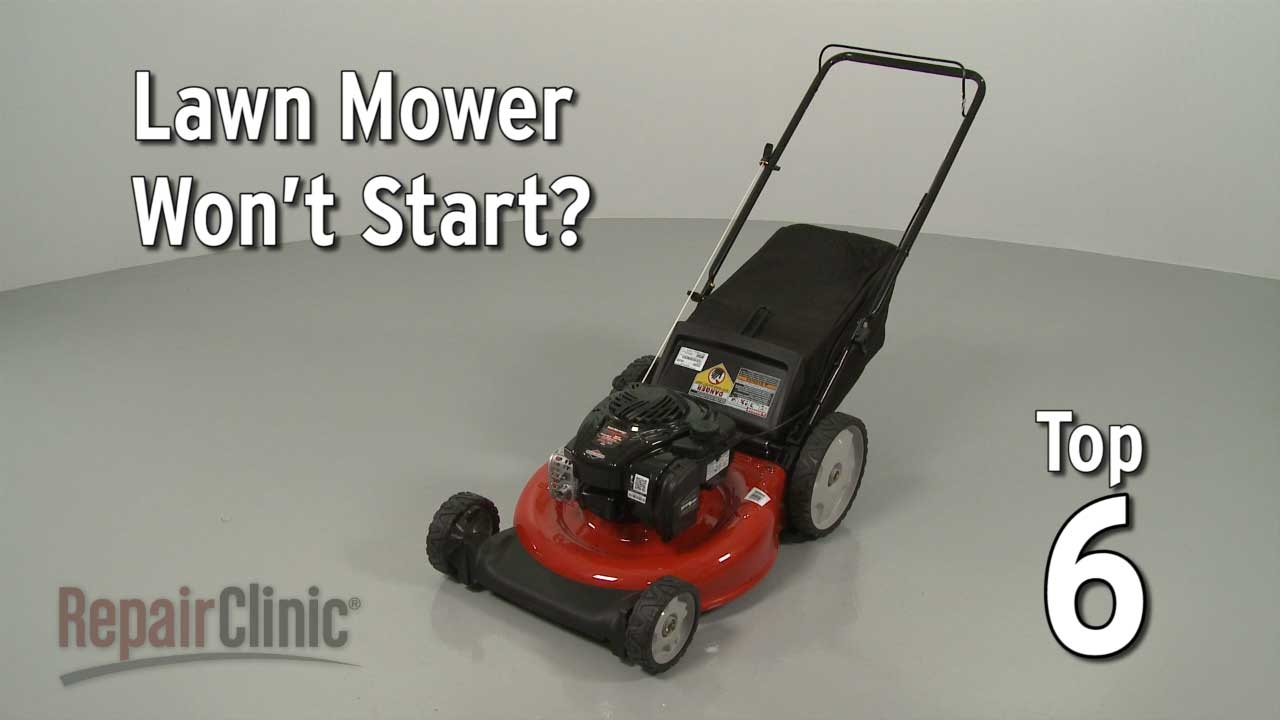
Image Source: i.ytimg.com
Fuel System Woes: The Primary Suspect
A steady supply of clean fuel is the lifeblood of any gasoline engine. When your mower won’t start, exploring the fuel system is always the first step. This includes checking the fuel itself, the lines, and how it reaches the engine.
Fuel Is Stale or Contaminated
Gasoline, especially ethanol-blended fuel, degrades over time. When left in a mower over winter or for extended periods, it can lose its potency or turn gummy.
-
Signs of Stale Fuel:
- Difficulty starting.
- Engine sputtering or running rough.
- Engine dies after a short run.
-
Solution: Drain the old fuel from the tank and carburetor. Refill with fresh, high-quality gasoline. If you plan to store the mower for a long time, use a fuel stabilizer.
Fuel Tank is Empty
It might sound obvious, but it’s easy to forget to check the fuel level.
- Solution: Ensure the fuel tank is adequately filled with fresh gasoline.
Fuel Lines Are Blocked or Kinked
The small fuel lines that carry gas from the tank to the engine can become clogged with debris or get pinched, restricting flow.
-
Signs of Blocked Fuel Lines:
- Engine cranks but won’t start.
- Engine starts briefly and then dies.
-
Solution: Inspect the fuel lines for any visible kinks or damage. Disconnect the fuel line from the carburetor (place a container underneath to catch any drips) and check if fuel flows freely from the tank. If not, the fuel filter or the fuel line itself may be blocked.
Fuel Filter Issues
A dirty or clogged fuel filter can prevent fuel from reaching the carburetor, leading to starting problems.
- Solution: Locate the fuel filter (often a small, inline component between the fuel tank and carburetor). If it looks dirty or you suspect it’s clogged, replace it. This is a relatively inexpensive and straightforward maintenance task.
Spark Plug Problems: The Ignition Link
The spark plug is responsible for igniting the fuel-air mixture in the engine. If it’s faulty, your mower won’t start.
Spark Plug is Fouled or Damaged
Over time, spark plugs can become covered in carbon deposits, oil, or unburnt fuel. They can also be damaged from vibration or impact.
-
Signs of a Fouled Spark Plug:
- Misfiring or rough running.
- Difficulty starting.
- No spark when testing.
-
Solution:
- Locate the Spark Plug: It’s usually connected to a thick wire coming from the ignition coil.
- Remove the Spark Plug: Use a spark plug socket wrench.
- Inspect the Spark Plug: Check for heavy carbon buildup, oil fouling, or cracks in the ceramic insulator.
- Clean or Replace: If it’s lightly fouled, you can try cleaning it with a wire brush and a bit of carburetor cleaner. However, it’s generally recommended to replace an old or heavily fouled spark plug with a new one. Make sure to gap the new plug correctly according to your mower’s manual.
Incorrect Spark Plug Gap
If the gap between the spark plug electrodes is too wide or too narrow, it can prevent a strong spark.
- Solution: Use a spark plug gap tool to ensure the gap is set to the manufacturer’s specifications. This information is usually found in your mower’s owner’s manual.
Loose Spark Plug Wire
A loose connection prevents the spark from reaching the plug.
- Solution: Ensure the spark plug wire is firmly attached to the spark plug terminal.
Carburetor Conundrums: The Fuel Mixer
The carburetor precisely mixes fuel and air before it enters the engine cylinders. If it’s not working correctly, starting becomes impossible.
Carburetor is Clogged
This is another very common issue, especially if stale fuel was left in the mower. Gum and varnish from old fuel can clog the tiny passages within the carburetor.
-
Signs of a Clogged Carburetor:
- Engine cranks but won’t start.
- Engine starts but dies immediately.
- Engine runs poorly or sputters.
-
Solution:
- Attempt a Carburetor Cleaning: You can try spraying carburetor cleaner into the carburetor’s air intake (after removing the air filter). This sometimes dislodges minor clogs.
- Remove and Clean: For more stubborn clogs, you’ll need to remove the carburetor. Disassemble it carefully, paying attention to the order of parts. Use carburetor cleaner and compressed air to clean all jets and passages. Reassemble it correctly.
- Replace the Carburetor: If cleaning doesn’t work, or if the carburetor is significantly damaged, replacement might be necessary.
Float Bowl Issues
The float bowl in the carburetor maintains a consistent fuel level. If the float is stuck or the needle valve isn’t sealing properly, it can lead to either flooding or a lack of fuel.
- Solution: Inspect the float and needle valve during a carburetor cleaning. Ensure the float moves freely and the needle valve seals when the float is lifted.
Battery Blues: When Power is Absent
For electric start lawn mowers, a dead or weak battery is a direct cause of no-start conditions.
Battery Dead or Discharged
Batteries lose their charge over time, especially if they haven’t been used or maintained properly.
-
Signs of a Dead Battery:
- The starter motor makes no sound or a very weak clicking sound when you try to start the mower.
- The starter motor spins but with significantly reduced power.
-
Solution:
- Check Connections: Ensure the battery terminals are clean and the cables are securely connected. Corroded terminals can impede electrical flow.
- Charge the Battery: Use a battery charger designed for the type of battery in your mower.
- Test the Battery: If charging doesn’t help, the battery might be beyond its lifespan and needs replacement.
Faulty Starter Solenoid
The starter solenoid is an electrical switch that engages the starter motor. If it fails, the starter won’t engage.
-
Signs of a Faulty Solenoid:
- You hear a single click when you turn the key, but the starter motor doesn’t turn.
- No sound at all, even with a good battery.
-
Solution: Test the solenoid’s continuity with a multimeter. If it’s faulty, it will need to be replaced.
Engine Flooding: Too Much Fuel
An engine can become “flooded” if too much fuel enters the combustion chamber, preventing ignition. This often happens if the mower is tilted incorrectly or if the carburetor isn’t working properly.
Signs of a Flooded Engine:
- You can smell raw gasoline strongly.
- The spark plug is wet with fuel when removed.
- The engine cranks but won’t start, or starts and immediately dies.
What to Do if Your Engine is Flooded:
- Solution:
- Turn Off the Choke: If your mower has a choke, disengage it (move it to the “run” or “off” position).
- Open the Throttle: Move the throttle lever to the fastest setting.
- Crank the Engine: Try to start the mower for a few seconds. This helps to clear excess fuel from the cylinder.
- Wait: Let the mower sit for 10-15 minutes to allow any excess fuel to evaporate.
- Try Again: Attempt to start the mower with the choke in the normal starting position. If it still won’t start, you might need to remove and dry the spark plug, and then reinsert it.
Safety Features Engaged: The Guardrails
Modern lawn mowers are equipped with several safety features designed to prevent accidental operation. If these aren’t engaged correctly, the mower won’t start.
Blade Brake Lever or Safety Bar
Most walk-behind mowers have a lever on the handlebar that must be held down for the engine to start and run. Riding mowers have similar safety interlocks.
- Solution: Ensure the blade brake lever or safety bar is fully depressed or engaged as per the owner’s manual. Check that the cables connected to these levers are not broken or stretched.
Parking Brake (Riding Mowers)
Riding mowers often won’t start if the parking brake isn’t set or if they aren’t in neutral.
- Solution: Make sure the parking brake is engaged (or disengaged, depending on the mower’s design for starting) and that the transmission is in neutral.
Seat Safety Switch (Riding Mowers)
Many riding mowers have a switch under the seat that prevents the engine from starting if the operator isn’t seated.
- Solution: Ensure you are sitting firmly on the mower seat when attempting to start it. Check that the seat switch is functioning correctly.
Oil Level Low: Engine Protection
Some mowers have a low oil sensor that prevents the engine from starting if the oil level is critically low, to prevent engine damage.
Oil Level Too Low
Running an engine without sufficient oil can cause severe damage.
-
Signs of Low Oil:
- Engine won’t crank or starts briefly and dies.
- A warning light might illuminate on some models.
-
Solution:
- Check the Oil Level: Locate the oil dipstick, pull it out, wipe it clean, reinsert it fully, and pull it out again to check the level.
- Add Oil: If the oil level is low, add the type and amount of oil recommended in your owner’s manual. Do not overfill.
Ignition System Fault: The Electrical Nerve Center
The ignition system is a complex network of components that generate and deliver the spark. A fault anywhere in this system can prevent starting.
Faulty Ignition Coil
The ignition coil transforms the battery’s low voltage into the high voltage needed to create a spark.
-
Signs of a Faulty Ignition Coil:
- No spark at the spark plug.
- Engine cranks but won’t start.
-
Solution: Test the ignition coil for continuity and resistance using a multimeter, comparing the readings to the manufacturer’s specifications. If it’s out of spec or shows no continuity, it needs replacement.
Bad Kill Switch or Wiring
The kill switch (or kill wire) grounds the ignition system to stop the engine. If it’s stuck in the “off” position or if its wiring is faulty, it can prevent the spark from firing.
- Solution: Inspect the kill switch and its wiring for damage or corrosion. Ensure the switch is in the “run” position. You can test continuity to ensure it’s functioning correctly.
Air Filter Clogged: The Engine’s Lungs
A clean air filter is essential for proper engine combustion. A clogged filter restricts airflow, making it difficult for the engine to start or run.
Air Filter is Dirty or Obstructed
When the air filter is heavily clogged with grass clippings, dust, and debris, it chokes the engine, preventing it from getting enough air.
-
Signs of a Clogged Air Filter:
- Engine cranks but won’t start.
- Engine runs rough or lacks power.
- Engine backfires.
-
Solution:
- Locate the Air Filter: It’s usually in a black plastic housing.
- Remove and Inspect: Carefully remove the air filter.
- Clean or Replace:
- Paper Filters: If it’s a paper filter, tap it gently to remove loose debris. If it’s heavily clogged or dirty, it should be replaced.
- Foam Filters: Foam filters can often be washed with soap and water, dried thoroughly, and then lightly re-oiled with a specialized foam filter oil.
- Start Mower Without Filter (Temporary Test): In some cases, you can try starting the mower briefly without the air filter to see if it makes a difference. If it starts, the filter is definitely the issue. Do not operate the mower without the filter for extended periods, as this can cause internal engine damage.
Starter Motor Failure: The Cranking Mechanism
The starter motor is what physically turns the engine over to get it running. If it fails, you won’t get any cranking action.
Starter Motor is Damaged or Worn Out
Like any mechanical component, starter motors can wear out over time.
-
Signs of Starter Motor Failure:
- You turn the key or push the start button, and nothing happens, even with a good battery.
- You hear a grinding noise but the engine doesn’t turn over.
- The starter motor runs, but it doesn’t engage with the flywheel.
-
Solution: Starter motors are usually replaced as a unit. Diagnosing a faulty starter motor often involves testing electrical connections and ensuring power is reaching the starter. If the motor itself is suspected to be bad, it will need to be professionally replaced or you can attempt a DIY replacement if you are mechanically inclined.
Troubleshooting Table
Here’s a quick reference table to help diagnose your lawn mower’s starting problem:
| Symptom | Possible Cause(s) | What to Check/Do |
|---|---|---|
| No sound, no crank | Battery dead, faulty solenoid, loose battery connections, safety feature engaged. | Check battery terminals, charge battery, ensure safety features are engaged correctly, test solenoid. |
| Clicking sound, no crank | Weak battery, faulty solenoid. | Charge battery, test battery voltage, test solenoid. |
| Engine cranks but won’t start | Fuel issues (no fuel, stale fuel, clogged lines/filter), spark plug problems, ignition system fault, air filter clogged, engine flooded. | Check fuel level, use fresh fuel, inspect fuel lines and filter, check spark plug condition and gap, test ignition coil, clean/replace air filter, let engine air out if flooded. |
| Engine starts briefly then dies | Fuel delivery problem (e.g., blocked fuel line, dirty carb), safety feature disengaging. | Check fuel flow, ensure fuel lines aren’t kinked, verify safety features remain engaged, inspect carburetor for partial clogs. |
| Engine cranks slowly or weakly | Weak battery, oil level too low (if equipped with sensor), starter motor struggling. | Charge battery, check oil level, consider starter motor if other checks are good. |
| Strong smell of gasoline | Engine flooded. | Disengage choke, open throttle, crank briefly, let it sit to evaporate excess fuel. |
Frequently Asked Questions (FAQ)
Q: How often should I change my lawn mower’s spark plug?
A: It’s generally recommended to replace your lawn mower’s spark plug at least once a year, typically at the beginning of the mowing season. Regular inspection and cleaning can extend its life, but replacement is a good preventative measure.
Q: What kind of fuel should I use in my lawn mower?
A: Always use fresh, unleaded gasoline with an octane rating of 87 or higher, as specified by your mower’s manufacturer. If your mower is designed to handle ethanol, it’s best to use fuel with a lower ethanol content (e.g., E10 or less). Avoid using fuel that has been stored for more than 30 days, as it can degrade and cause starting problems.
Q: Can I use carburetor cleaner without removing the carburetor?
A: Yes, in some cases. If the clog is minor, spraying carburetor cleaner directly into the air intake (with the air filter removed) or into the fuel tank can sometimes clear it. However, for more stubborn clogs, removing and manually cleaning the carburetor is usually more effective.
Q: My mower is hard to start but runs once it’s going. What’s wrong?
A: This often points to issues with the fuel system’s ability to deliver fuel correctly when cold. A partially clogged fuel line, a dirty carburetor, or a weak fuel pump (on some models) could be the cause. Ensure your fuel filter is clean and that the fuel lines are clear.
Q: My electric start mower makes a loud grinding noise when I try to start it.
A: A grinding noise usually indicates a problem with the starter motor itself, specifically the starter gear not engaging properly with the engine’s flywheel or the starter gear being damaged. This often means the starter motor needs to be inspected and potentially replaced.
By systematically working through these common issues, you can often get your lawn mower back to its cutting duties without needing a professional. Remember to always consult your owner’s manual for specific instructions related to your model. Happy mowing!