
You put lime on your lawn to raise your soil pH, making it less acidic and creating a healthier environment for your grass to thrive. This simple act can significantly improve your lawn health by correcting acidic soil conditions. The process of lime application offers numerous lime benefits, acting as a vital soil amendment to promote better grass growth and overall lawn care. It works by introducing calcium carbonate into the soil, a key component for soil correction.
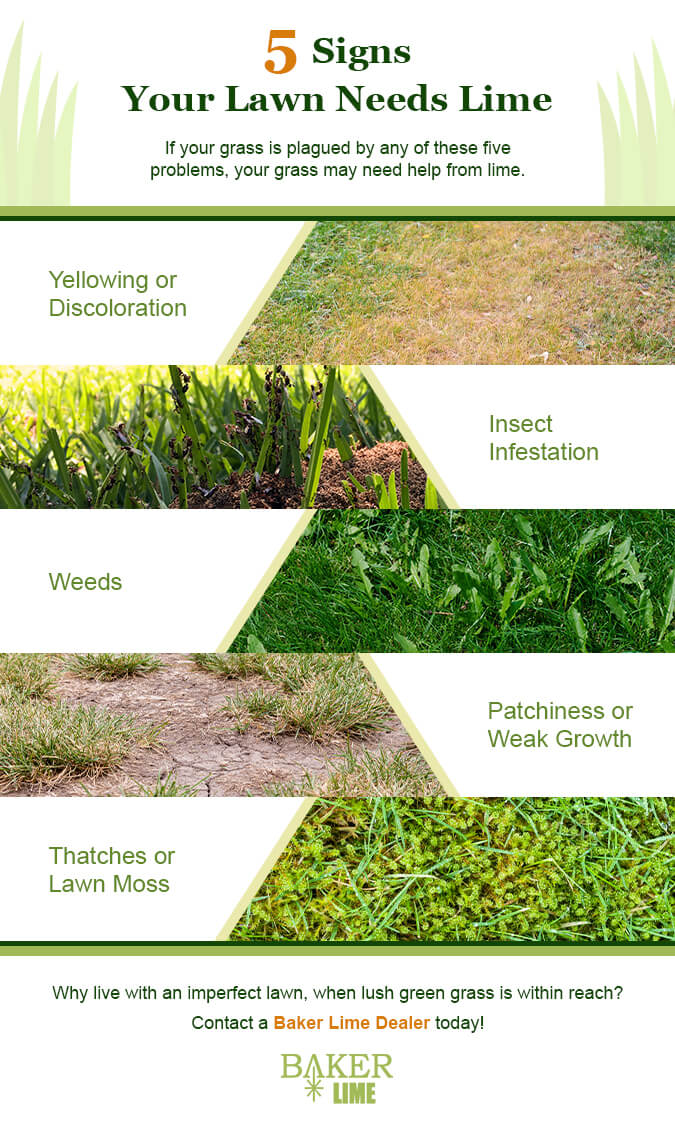
Image Source: www.bakerlime.com
The Foundation of a Healthy Lawn: Soil pH
A healthy lawn doesn’t just happen; it’s the result of attentive care and a deep appreciation for what lies beneath the green blades. The very soil that supports your grass is a living, breathing ecosystem, and its balance is crucial. One of the most fundamental aspects of this balance is something called soil pH.
What is Soil pH?
Soil pH is a measure of how acidic or alkaline your soil is. It’s measured on a scale from 0 to 14. A pH of 7 is neutral. Anything below 7 is acidic, and anything above 7 is alkaline. For most lawn grasses, the ideal pH range is between 6.0 and 7.0. This range is optimal because it allows the grass to absorb the nutrients it needs from the soil most effectively.
Why Does Soil pH Matter for Your Lawn?
Soil pH directly impacts nutrient availability. When soil is too acidic, certain essential nutrients that grass needs, like phosphorus, potassium, and calcium, can become locked up and unavailable for the plant to absorb. This can lead to nutrient deficiencies, even if those nutrients are present in the soil.
Conversely, if the soil is too alkaline, other nutrients like iron and manganese can become less available. In addition to nutrient availability, soil pH also affects the activity of beneficial microorganisms in the soil. These microbes play a vital role in decomposing organic matter and releasing nutrients. When the pH is off, their activity can be reduced, further hindering soil health.
Recognizing Acidic Soil
So, how do you know if your soil is too acidic? There are several signs. You might notice:
- Poor grass growth: Your lawn might look thin, patchy, or generally unhealthy, despite adequate watering and fertilization.
- Yellowing grass (chlorosis): This can be a sign of iron deficiency, often caused by acidic soil.
- Increased weed presence: Certain weeds, like crabgrass, clover, and dandelions, tend to thrive in acidic conditions.
- Moss growth: While moss can grow in various conditions, it often indicates acidic soil.
The most accurate way to determine your soil’s pH is through a soil test. Many local extension offices offer affordable soil testing services. These tests will not only tell you your soil’s pH but also its nutrient levels, providing a comprehensive picture of your soil’s health.
The Role of Lime in Soil Correction
Lime is a natural product primarily composed of calcium carbonate. When you apply lime to your lawn, you are essentially introducing a soil amendment designed to counteract acidity. This is a fundamental step in soil correction for many lawns.
How Does Lime Work?
The calcium carbonate in lime reacts with the acids in the soil. This reaction neutralizes the acidity, gradually raising the soil pH. Think of it like adding a base to an acid to make it more neutral. The calcium and magnesium in the lime also provide essential nutrients for plant growth.
Types of Lime
There are several types of lime you might encounter for lawn care:
- Ground Limestone (Pulverized Limestone): This is the most common type. It’s made by grinding up limestone rock. It works relatively quickly because of its fine particle size.
- Pelletized Lime: This is ground limestone that has been compressed into small pellets. It’s easier to spread and less dusty than pulverized lime, but it may work slightly slower as the pellets need to break down.
- Dolomitic Lime: This type of lime contains both calcium carbonate and magnesium carbonate. If your soil test indicates a magnesium deficiency, dolomitic lime is a good choice.
- Calcitic Lime: This lime primarily contains calcium carbonate. It’s a good option if your soil has adequate magnesium levels.
The choice between these types often depends on your specific soil needs, as revealed by a soil test, and your preference for application.
The Multifaceted Benefits of Lime Application
Applying lime to your lawn offers a range of advantages that contribute to robust lawn health and vigorous grass growth. It’s more than just a pH adjuster; it’s a foundational tool for effective lawn care.
Improving Nutrient Availability
As mentioned earlier, acidic soil locks up essential nutrients. By raising the soil pH, lime ‘unlocks’ these nutrients, making them available for your grass to absorb. This means that any fertilizer you apply will be more effective because the grass can actually utilize the nutrients it provides.
Enhancing Soil Structure
Lime can also improve the physical structure of your soil. In clay soils, which can become compacted and dense, lime helps bind soil particles together. This creates larger soil aggregates, improving aeration and drainage. Better aeration allows oxygen to reach the grass roots, which is vital for their survival and growth. Improved drainage prevents waterlogging, which can suffocate roots and promote disease.
Boosting Microbial Activity
The beneficial microorganisms in the soil thrive in a neutral to slightly acidic environment. When the soil is too acidic, their populations can decline, slowing down the decomposition of organic matter. Lime helps create a more favorable environment for these microbes, revitalizing the soil’s natural processes and contributing to healthier soil.
Promoting Better Root Development
When grass has access to essential nutrients and a well-aerated soil environment, its roots can grow deeper and stronger. Deeper root systems make the grass more resilient to drought and heat stress. It also allows the grass to access moisture and nutrients from a larger volume of soil, leading to healthier and more vigorous grass growth.
Reducing Aluminum Toxicity
In highly acidic soils, aluminum can become soluble and toxic to grass roots. Aluminum toxicity can stunt root growth, reduce nutrient uptake, and cause overall poor lawn health. Lime neutralizes the soil and reduces the solubility of aluminum, preventing this toxicity.
When and How to Apply Lime
Timing and technique are crucial for effective lime application and maximizing its lime benefits. Applying lime at the wrong time or in the wrong way can reduce its effectiveness or even be detrimental to your lawn.
Timing Your Lime Application
The best time to apply lime is generally in the fall or early spring.
- Fall: The soil is usually moist in the fall, which helps the lime begin to break down and react. Winter precipitation and freeze-thaw cycles further aid in mixing the lime into the soil.
- Spring: Applying lime in early spring, before the active growing season begins, can also be beneficial. The spring rains will help work the lime into the soil.
It’s generally advised to avoid applying lime during extremely dry or hot weather, as it can be less effective. Also, avoid applying lime right before or after fertilizing, as it can interfere with the fertilizer’s action.
How Much Lime to Apply
The amount of lime to apply depends on your soil’s current pH, its texture, and the type of lime you are using. This is where your soil test results are invaluable. Your soil test report will usually provide specific recommendations for the amount of lime needed per 1,000 square feet.
As a general guideline, for most soils that need a moderate pH adjustment (e.g., from pH 5.5 to 6.5), you might apply between 50 to 100 pounds of ground limestone per 1,000 square feet. However, it’s essential to follow the recommendations from your soil test. Applying too much lime at once can raise the pH too high, which can cause other problems. It’s often better to apply lime in smaller doses over time rather than a single large application.
Application Methods
- Spreader: The most common and effective way to apply lime is using a broadcast spreader or a drop spreader.
- Broadcast Spreader: These spreaders cast the lime in a wide arc. Ensure you overlap your passes slightly to ensure even coverage.
- Drop Spreader: These spreaders drop the lime directly below the spreader. They are good for precise application, especially along edges and borders.
- Preparation: Before applying, ensure your lawn is mowed and free of debris.
- Watering: After applying lime, it’s a good idea to water your lawn lightly. This helps the lime begin to dissolve and move into the soil.
Important Note: Always read and follow the instructions on the lime product packaging. Different products may have different application rates and guidelines.
Making the Most of Your Lime Application: Best Practices
To truly harness the power of lime as a soil amendment for improved lawn health, adopting a few best practices is essential. This goes beyond simply spreading the material; it’s about integrating it thoughtfully into your lawn care regimen.
Reading Your Soil Test
This cannot be stressed enough. Your soil test is your roadmap. It tells you:
- Your current soil pH.
- The cation exchange capacity (CEC) of your soil, which influences how much lime is needed.
- Your soil’s texture (e.g., sandy, loamy, clayey), as different textures require different amounts of lime.
- Nutrient deficiencies or excesses.
Without a soil test, you’re essentially guessing, and your lime application might be ineffective or even counterproductive.
Applying Lime to a Dry Lawn
While you water the lawn after applying lime, applying it when the grass blades are dry helps prevent the lime from sticking to the blades and potentially burning them. It also allows the lime to fall directly onto the soil surface where it needs to work.
Even Distribution is Key
Using a spreader calibrated correctly is vital. Uneven application means some areas of your lawn will receive too much lime, potentially raising the pH too high, while other areas will receive too little, leaving them still too acidic. Overlapping your passes with a broadcast spreader helps ensure a more uniform distribution.
Not Over-Applying
More is not always better. Applying excessive amounts of lime can:
- Raise the soil pH too high, making other nutrients unavailable.
- Potentially inhibit the uptake of certain micronutrients.
- Waste money and effort.
Stick to the recommended rates based on your soil test. If significant soil correction is needed, it’s often better to make multiple smaller applications over several months or a year rather than one large, heavy dose.
Patience and Persistence
Lime doesn’t work overnight. It takes time for the calcium carbonate to dissolve and react with the soil. You might not see the full effects for several months. Regular lawn care practices, combined with consistent, appropriate lime applications as recommended by your soil test, will yield the best long-term results.
Combining Lime with Other Lawn Care Practices
Lime is a powerful tool, but it’s part of a larger picture. For optimal lawn health, consider how lime application fits with:
- Fertilization: Once your soil pH is in the right range, your fertilizer will work much better.
- Aeration: This helps improve air and water penetration, allowing lime to reach the soil more effectively.
- Overseeding: Healthy soil with the correct pH is ideal for new grass seed germination and establishment.
- Proper Mowing: Mowing at the correct height helps grass develop a strong root system.
Frequently Asked Questions About Lawn Lime
Here are some common questions about why and how to use lime on your lawn.
Q1: How often should I put lime on my lawn?
The frequency of lime application depends heavily on your soil’s initial pH and how quickly it tends to become acidic. For many lawns, a lime application every 1-3 years is sufficient, based on annual or biennial soil testing. Some soils may require more frequent applications, while others may rarely need it. Always rely on your soil test results for specific guidance.
Q2: Can I put lime on my lawn in the summer?
While it’s generally not recommended to apply lime during the hottest parts of summer, a light application can be done if necessary, especially if your soil test indicates a pressing need. However, the heat and potential for drought can stress the grass, and lime can sometimes exacerbate this if not applied carefully. The best times remain fall and early spring. If you must apply in summer, water the lawn thoroughly afterward.
Q3: Will lime kill my grass?
Lime, when applied at the recommended rates, should not kill your grass. In fact, it promotes healthier growth by correcting acidic soil. However, applying excessive amounts of lime, or applying certain types of lime incorrectly, can potentially damage your lawn. Always follow the instructions on the product and your soil test recommendations.
Q4: What is the difference between lime and fertilizer?
Lime is primarily a soil amendment used to adjust soil pH and provide calcium and magnesium. Fertilizer provides nutrients that grass needs for growth, such as nitrogen, phosphorus, and potassium. They serve different, though often complementary, purposes in lawn care. You might use lime to ensure your fertilizer works effectively.
Q5: How long does it take for lime to work?
The effects of lime are gradual. It typically takes several months for the calcium carbonate to fully react with the soil and raise the soil pH. You might notice some improvements in grass color or vigor within a few weeks, but significant changes in soil pH and nutrient availability take time.
Q6: Can I apply lime at the same time as fertilizer?
It’s generally best to avoid applying lime and fertilizer at the exact same time. Some fertilizers, particularly those with ammonium sulfate, can temporarily lower soil pH. Applying them together can lead to a reduction in the effectiveness of both. It’s often recommended to wait a few weeks between applying lime and fertilizer.
Q7: My soil test says my pH is too high (alkaline). Should I use lime?
No, absolutely not. Lime raises soil pH. If your soil is already alkaline, adding lime will only make the problem worse by making essential nutrients less available to your grass. If your soil is too alkaline, you would need to use an acidifying agent, such as elemental sulfur, to lower the pH. Again, consult your soil test for specific recommendations.
By taking the step to lime application, you are investing in the long-term health and vitality of your lawn, ensuring that your efforts in lawn care yield the most beautiful and resilient turf possible.