
Does your lawn mower cough and sputter with a cloud of smoke? A smoking lawn mower is a common problem, but it’s also a sign that something is wrong with the lawn mower engine. Understanding lawn mower smoking causes is the first step to fixing it. This guide will help you figure out why your mower is smoking, what those different colored smokes mean, and how to get it running smoothly again.
What causes a lawn mower to smoke? Generally, a smoking lawn mower is caused by oil or fuel entering the combustion chamber when it shouldn’t, or by burning oil that has leaked into the wrong place.
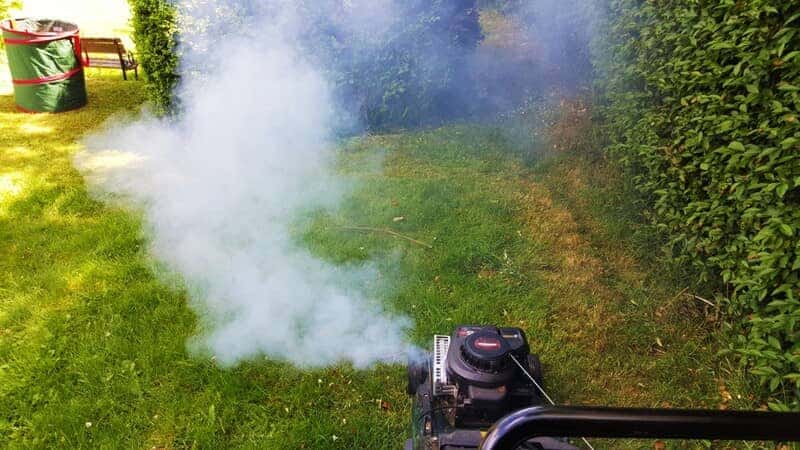
Image Source: lawn.com.au
Deciphering the Smoke: Color Clues
The color of the smoke coming from your lawn mower’s exhaust can tell you a lot about the problem. It’s like a smoke signal from your engine!
Lawn Mower Smoking Black: Too Much Fuel
Lawn mower smoking black typically means your engine is running too rich. This means it’s getting too much fuel and not enough air. Think of it like trying to breathe through a stuffy nose – the engine struggles.
Common Causes for Black Smoke:
- Clogged Air Filter: The air filter stops dirt and debris from getting into the engine. If it’s dirty and blocked, not enough air can get in. This forces the engine to use more fuel to compensate, leading to black smoke.
- Faulty Carburetor: The carburetor mixes fuel and air. If it’s not working correctly, it can send too much fuel into the engine. This can happen if the jets are clogged or the float is stuck.
- Choke Stuck On: The choke helps start a cold engine by making the fuel mixture richer. If the choke stays on after the engine is warm, it will continue to send too much fuel.
- Incorrect Spark Plug: A spark plug that’s too cool for the engine can cause incomplete combustion, leading to excess fuel being burned and black smoke.
- Governor Issues: The governor controls the engine speed. If it’s malfunctioning, it might cause the engine to run at a higher throttle than it should, leading to an overly rich fuel mixture.
Symptoms of Black Smoke Issues:
- Rough Idling: The engine might shake or sputter when it’s not moving fast.
- Loss of Power: Your mower won’t cut as well, and it might bog down on thick grass.
- Black Soot: You might see black, sooty deposits around the exhaust or on the spark plug.
- Hard Starting: The engine might be difficult to start, especially when it’s cold.
Lawn Mower Smoking Blue: Burning Oil
Lawn mower smoking blue is a sure sign that your engine is burning oil. This happens when oil gets into the combustion chamber and is burned along with the fuel. This is often a more serious problem than black smoke.
Common Causes for Blue Smoke:
- Overfilling the Oil: The most common reason for burning oil is simply putting too much lawn mower smoking oil in the engine. If the oil level is too high, the crankshaft can whip the excess oil up into the cylinder.
- Worn Piston Rings: Piston rings create a seal between the piston and the cylinder wall. If they are worn or damaged, oil can leak past them into the combustion chamber.
- Worn Cylinder Walls: Similar to worn rings, worn cylinder walls allow oil to bypass the piston and enter the combustion area.
- Damaged Valve Seals or Guides: The valves open and close to let fuel in and exhaust out. Valve seals prevent oil from leaking down the valve stems into the combustion chamber. If these seals are worn or broken, oil can enter the cylinder.
- Blown Head Gasket: The head gasket seals the cylinder head to the engine block. If it’s damaged, oil can leak from the oil passages into the cylinder.
- Tilting the Mower Incorrectly: When you tilt your mower to clean the deck or perform maintenance, always tilt it so the carburetor or air filter is facing upwards. Tilting it the wrong way can allow oil to flow into the combustion chamber.
Symptoms of Blue Smoke Issues:
- Smell of Burning Oil: The most obvious symptom is the distinct smell of burning oil.
- Oil Residue: You might find oily residue on the spark plug or around the exhaust.
- Decreased Power: Burning oil can foul the spark plug and reduce engine efficiency, leading to less power.
- Engine Misfires: The engine might run unevenly or miss cycles.
Lawn Mower Smoking White: Burning Coolant or Moisture
Lawn mower smoking white is less common than black or blue smoke, but it can still indicate a serious issue. White smoke usually means that either coolant or unburned fuel/moisture is entering the combustion chamber.
Common Causes for White Smoke:
- Blown Head Gasket (Coolant Leak): If the head gasket is blown and the engine has coolant passages near the combustion chamber, coolant can leak into the cylinder and burn, creating white smoke. This often has a sweet smell.
- Cracked Cylinder Head or Block: A crack in the cylinder head or engine block can also allow coolant to enter the combustion chamber.
- Moisture in Fuel Tank: If there’s water in your fuel, it won’t burn properly and can create white, steam-like smoke. This is more common if the mower has been sitting for a long time with a partially full fuel tank.
- Unburned Fuel (Less Common): In some rare cases, a very rich fuel mixture that isn’t burning completely can produce a light, whitish exhaust, but this is often mistaken for normal exhaust steam.
Symptoms of White Smoke Issues:
- Sweet Smell: The smoke often has a sweet, sickly smell if it’s from burning coolant.
- Engine Overheating: If coolant is leaking into the cylinder, the engine may start to overheat.
- Loss of Coolant: You might notice the coolant level dropping in the reservoir.
- Engine Performance Issues: Similar to other smoke colors, white smoke can lead to reduced power and rough running.
Diagnosing Your Lawn Mower Smoking Symptoms
To effectively address lawn mower smoking causes, you need to be able to identify the lawn mower smoking symptoms accurately. Here’s a breakdown of what to look for:
Table: Symptoms and Potential Causes
| Smoke Color | Primary Cause | Other Possible Causes | Key Symptoms to Look For |
|---|---|---|---|
| Black | Too much fuel / not enough air | Clogged air filter, faulty carburetor, choke stuck on | Rough idling, loss of power, black soot, hard starting |
| Blue | Burning engine oil | Overfilled oil, worn piston rings, bad valve seals | Burning oil smell, oily residue on plug, decreased power, engine misfires |
| White | Burning coolant or moisture | Blown head gasket, cracked block, water in fuel | Sweet smell (coolant), engine overheating, loss of coolant, engine performance issues |
Tackling Lawn Mower Smoking Repair
Once you’ve identified the likely cause of your lawn mower smoking, it’s time for lawn mower smoking repair. Many of these fixes are straightforward, while others might require professional help.
Fixing Black Smoke (Fuel/Air Mix Issues)
- Check and Clean/Replace Air Filter: This is usually the easiest fix. Remove the air filter. If it looks dirty and clogged, try tapping it clean. For heavily soiled filters, it’s best to replace it with a new one.
- Inspect and Adjust Carburetor: If cleaning the air filter doesn’t help, the carburetor might be the culprit.
- Cleaning: You can try cleaning the carburetor yourself. This usually involves removing it, disassembling it carefully, and cleaning out any jets or passages with carburetor cleaner. Be sure to get a kit specific to your mower’s model.
- Adjustment: Some carburetors have adjustment screws for idle speed and fuel mixture. Refer to your owner’s manual for the correct procedure, but be cautious as improper adjustments can worsen the problem.
- Verify Choke Operation: Make sure the choke mechanism is moving freely and returning to the “off” position after the engine warms up. Lubricate any stiff linkages.
- Check Spark Plug: Remove the spark plug. If it’s black and sooty, it confirms a rich fuel mixture. Clean it with a wire brush and check the gap according to your manual. If it’s heavily fouled, replace it.
- Check Governor: This is more complex. If you suspect governor issues, it’s best to consult a service manual or a professional.
Fixing Blue Smoke (Oil Burning Issues)
- Check Oil Level: The very first step is to ensure you haven’t overfilled the lawn mower smoking oil. Drain any excess oil until it’s at the correct level indicated by the dipstick.
- Properly Tilt the Mower: If you recently moved or cleaned the mower, tilt it with the spark plug facing UP. If oil entered the cylinder, it might burn off after a few minutes of running.
- Inspect Piston Rings and Cylinder Walls: This is a more involved repair. If you suspect worn rings or cylinder walls, the engine will likely need to be disassembled. This often involves removing the cylinder head and piston. If the rings are worn, they can be replaced. If the cylinder walls are scored or worn out of round, the cylinder may need to be re-bored and a new, larger piston installed, or the entire engine block replaced.
- Replace Valve Seals: If the valve seals are worn, oil can seep down the valve stems. Replacing these seals requires removing the valve springs and is a job that can be done with the cylinder head still on the engine, but it requires specialized tools.
- Replace Head Gasket: If you suspect a blown head gasket, you’ll need to remove the cylinder head, clean the mating surfaces, install a new gasket, and torque the head bolts to the manufacturer’s specifications.
Fixing White Smoke (Coolant or Moisture Issues)
- Check for Coolant Leaks (if applicable): If your mower has a liquid cooling system (less common for typical push mowers, more common for riding mowers), check for any visible coolant leaks. If the head gasket is suspected, you may need to perform a “block test” using a special fluid that changes color in the presence of exhaust gases (which would indicate a blown gasket allowing combustion gases into the cooling system). Repairing a blown head gasket or cracked engine block is a significant repair.
- Drain and Refill Fuel System: If water in the fuel is suspected, drain the fuel tank completely. Replace the fuel filter (if applicable). Refill the tank with fresh lawn mower smoking gas. You might also want to clean out the carburetor bowls.
Maintenance for Preventing Lawn Mower Smoking
The best lawn mower smoking repair is prevention! Regular maintenance is key to keeping your mower running smoothly and smoke-free.
Essential Maintenance Tips:
- Regular Oil Changes: Follow your owner’s manual for the recommended oil change intervals and the correct type of oil.
- Clean/Replace Air Filter: Inspect the air filter at least once a month and clean or replace it as needed. This is crucial for proper fuel-air mixture.
- Check Spark Plug: Inspect the spark plug periodically. Clean it, check the gap, and replace it if it looks worn or fouled.
- Use Fresh Fuel: Use fresh gasoline that hasn’t been stored for too long. Add a fuel stabilizer if you plan to store gas for an extended period.
- Keep Mower Clean: Regularly clean grass clippings and debris from the engine and cooling fins.
- Proper Storage: Store your mower in a dry place. For winter storage, drain the fuel or add a fuel stabilizer.
When to Call a Professional
While many lawn mower smoking causes can be fixed with DIY lawn mower smoking repair, some issues are more complex and require specialized tools or knowledge. You should consider calling a professional mechanic if:
- You’ve tried the basic fixes and the smoking persists.
- You suspect internal engine damage like worn piston rings, cylinder walls, or valve seals.
- You’re not comfortable with engine disassembly or carburetor work.
- The problem involves the cooling system of a riding mower.
Frequently Asked Questions (FAQ)
Q1: Can I still use my lawn mower if it’s smoking?
A1: It depends on the color and severity of the smoke. Light white or light black smoke might allow you to finish mowing, but it’s not recommended. Blue smoke (burning oil) is generally more serious and can cause significant damage if not addressed. Continuing to run a smoking mower can lead to more costly repairs. It’s best to stop mowing and diagnose the issue.
Q2: How often should I change the oil in my lawn mower?
A2: Most manufacturers recommend changing the oil after the first 5 hours of use and then every 25-50 hours of operation or once per mowing season, whichever comes first. Always check your owner’s manual for specific recommendations for your model.
Q3: What kind of gas should I use in my lawn mower?
A3: Use fresh, unleaded gasoline with an octane rating of 87 or higher, unless your owner’s manual specifies otherwise. Avoid using E85 or fuel with more than 10% ethanol (E10) as it can damage some fuel system components.
Q4: My mower only smokes when it starts. Is that normal?
A4: A small puff of white or light blue smoke on startup, especially in cold weather, can sometimes be normal as the engine warms up and moisture or a bit of oil mist burns off. However, if the smoke is thick, persists for more than a minute, or is any color other than a very light puff, it indicates a problem.
Q5: Is it safe to operate a lawn mower that is smoking?
A5: Operating a smoking lawn mower is generally not safe. The smoke can be a fire hazard, and the underlying engine problem can lead to further damage or unexpected failure, potentially causing injury. It’s always best to address the cause of the smoke before operating the mower again.