
Mushrooms popping up on your lawn might seem like a magical, albeit sometimes concerning, occurrence. You’re likely asking, “What causes mushrooms in my yard?” and the simple answer is that mushrooms are the fruiting bodies of fungi that live underground. These fungi are a natural and often beneficial part of your soil ecosystem.
Seeing fungal growth on grass can be a sign of various conditions in your lawn, from healthy soil to areas that need a little more attention. While not all lawn mushrooms are harmful, identifying them and knowing what causes mushrooms in your yard is key to maintaining a healthy and attractive green space. This comprehensive guide will delve into the reasons behind mushroom patches in grass, help you with lawn mushroom identification, and provide practical advice on mushroom control on lawns and general lawn health and mushrooms.
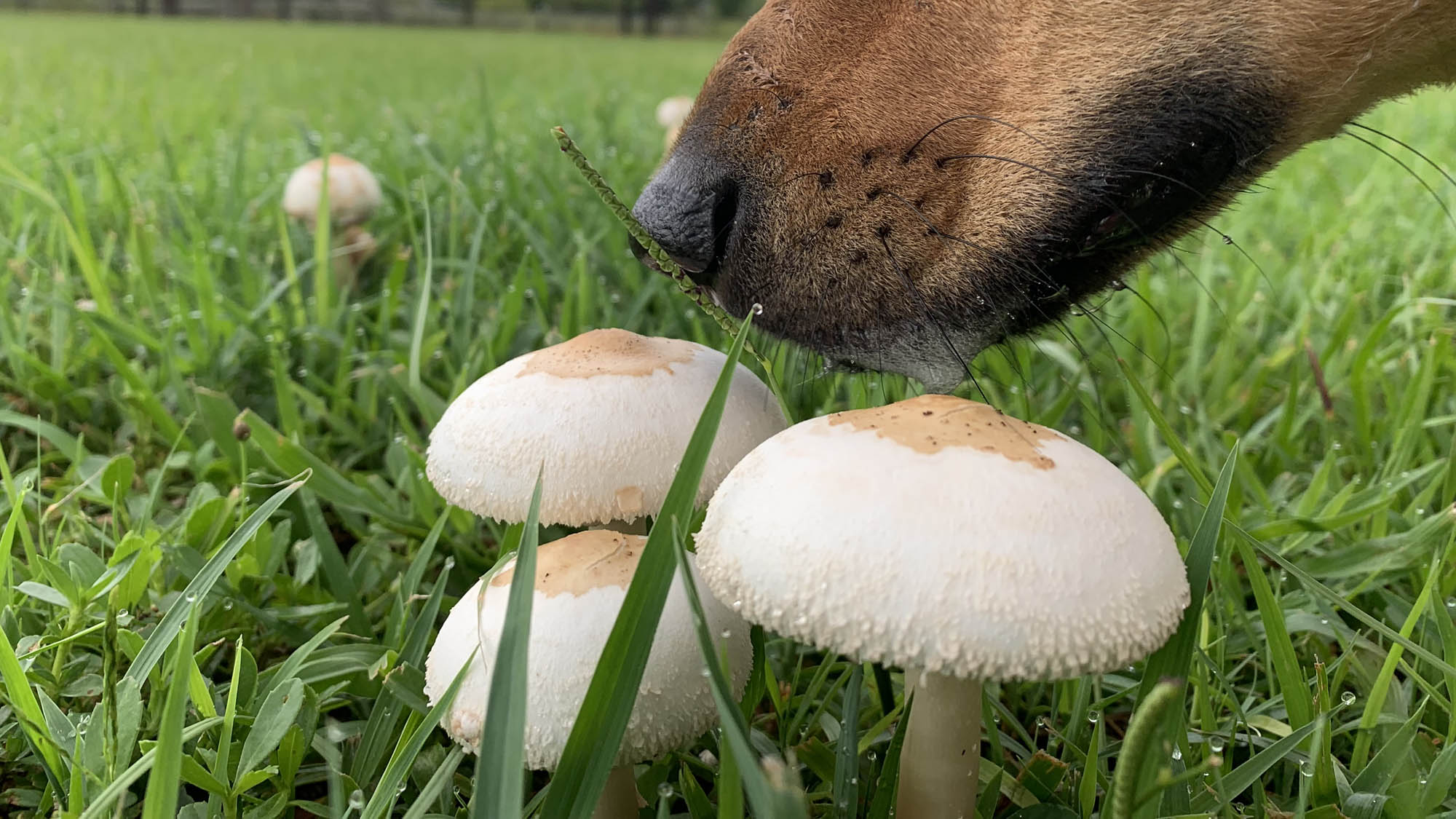
Image Source: homegrown.extension.ncsu.edu
Fathoming the Fungi: What Are Lawn Mushrooms?
Mushrooms are the visible, reproductive parts of a larger fungal network hidden beneath the soil’s surface. This network, called mycelium, is composed of tiny thread-like structures that break down organic matter. Think of the mycelium as the “roots” of the fungus, spreading throughout the soil. When conditions are just right—typically involving moisture and a food source—the mycelium produces mushrooms.
The Unseen Network: Mycelium and Its Role
Mycelium is the true body of the fungus. It’s an intricate web that plays a crucial role in the decomposition of organic materials like dead leaves, thatch, and even decaying wood buried in the soil. This decomposition process is vital for nutrient cycling in the lawn, making essential minerals available for grass to absorb.
When Do Mushrooms Appear?
Mushrooms often emerge after periods of rain, especially when coupled with warm temperatures. The excess moisture triggers the reproductive cycle of the fungi. You might notice them more frequently in the fall and spring, but they can appear anytime conditions are favorable.
Deciphering the Dots: Why Mushrooms Appear on Your Lawn
Several factors contribute to the appearance of mushrooms in your yard. Understanding these underlying causes is the first step towards managing them effectively.
The Moisture Factor: Hydration and Humidity
Adequate moisture is paramount for mushroom growth. Heavy rainfall, overwatering, or even morning dew can create the damp conditions that fungi thrive in. High humidity also contributes to this, as it helps keep the soil surface moist for longer periods.
Food for Fungi: Organic Matter and Thatch Buildup
Mushrooms feed on decaying organic matter. A lawn with excessive thatch—a layer of dead grass stems and roots that accumulates between the green grass blades and the soil surface—provides an abundant food source for these fungi. Similarly, buried debris like old tree roots, construction wood, or animal droppings can fuel mushroom growth.
Soil Composition and Aeration
The type of soil you have can also influence mushroom presence. Compacted soil with poor drainage can create overly moist conditions that encourage fungal activity. A healthy, well-aerated soil structure generally supports a more balanced microbial community, which can help keep excessive mushroom growth in check.
Shade and Sunlight
While some fungi prefer sunny spots, many commonly found lawn mushrooms thrive in shady or partially shaded areas. Reduced sunlight can lead to slower evaporation of moisture from the soil surface, creating a consistently damp environment.
Fertilization Practices
The type and amount of fertilizer used can also play a role. Fertilizers that are high in nitrogen can sometimes stimulate fungal growth. Applying fertilizer unevenly, or allowing it to clump, can also create localized areas where mushrooms are more likely to appear.
Identifying the Fungi: Common Lawn Mushrooms and Their Traits
Distinguishing between different types of lawn mushrooms is important, especially if you’re curious about whether any are edible lawn mushrooms (though caution is strongly advised) or if they indicate a specific lawn problem. However, definitive identification often requires expert knowledge.
Fairy Rings: A Distinctive Pattern
One of the most recognizable signs of fungal activity is the “fairy ring.” This is a circular or arc-shaped pattern of darker green grass, faster-growing grass, or even mushrooms themselves. Fairy rings are caused by the outward growth of the underground mycelium. As it grows, it consumes nutrients in the soil, which can initially make the grass darker and lusher. Eventually, the mycelium can exhaust the nutrients, leading to a ring of dead or brown grass.
Common Lawn Fungi Species (General Characteristics)
While we cannot provide a definitive identification guide for every mushroom, some common lawn fungi include:
- Agaricus species: Often found in well-fertilized lawns, these can resemble some edible meadow mushrooms. They typically have white or brown caps and pink or brown gills.
- Leucocoprinus birnbaumii (Yellow Stainer): This bright yellow mushroom is often found in potted plants or mulched areas but can appear on lawns. It’s not considered edible and can have a slightly unpleasant odor.
- Coprinus species (Inky Caps): These mushrooms are characterized by their ability to dissolve into a black, inky liquid as they mature. They often appear in clusters and prefer rich organic matter.
- Marasmius oreades (Fairy Ring Mushroom): This small, tan mushroom is the classic cause of fairy rings. It has a tough stem and is one of the few potentially edible lawn mushrooms, but identification must be absolute.
Important Note on Edibility: While some lawn mushrooms might be theoretically edible, it is highly dangerous to consume any mushroom found on your lawn without absolute, expert identification. Many poisonous mushrooms can look very similar to edible ones. For safety, always assume lawn mushrooms are not edible.
Table: Common Visual Indicators of Fungal Activity
| Symptom/Sign | Description | Potential Cause |
|---|---|---|
| Mushroom Patches | Clusters or scattered mushrooms across the lawn. | Moisture, organic matter, thatch, compacted soil. |
| Fairy Rings | Circular bands of darker green, faster growth, or brown, dead grass. | Outward growth of underground mycelium. |
| Dense Thatch Layer | Thick layer of dead grass material above the soil. | Over-fertilization, infrequent mowing, poor aeration. |
| Waterlogged Soil | Soil that stays wet for extended periods after rain or watering. | Poor drainage, compacted soil. |
| Buried Organic Debris | Visible or suspected presence of decaying wood, leaves, or animal waste. | Natural decomposition, past lawn care practices. |
Managing the Mycelium: How to Get Rid of Lawn Mushrooms
Dealing with mushrooms often involves addressing the underlying conditions that promote their growth. Completely eradicating all fungi from a lawn is not practical or even desirable, as fungi play a beneficial role. The goal is usually to reduce excessive fungal growth on grass that is unsightly or indicative of lawn problems.
Cultural Practices for Mushroom Control on Lawns
These methods focus on improving your lawn’s overall health and reducing the factors that favor mushroom development.
1. Managing Thatch
- Dethatching: Use a dethatching rake or a power dethatcher annually or as needed to remove the buildup of thatch. Aim to reduce the layer to no more than half an inch.
- Aeration: Core aeration helps to relieve soil compaction and allows air, water, and nutrients to penetrate the soil more effectively, breaking down thatch and improving drainage.
2. Proper Watering and Drainage
- Water Deeply, Less Frequently: Encourage deeper root growth by watering your lawn thoroughly when needed, rather than light, frequent sprinklings. This allows the soil surface to dry out between waterings.
- Improve Drainage: If your lawn consistently holds water, consider installing drainage systems or amending the soil with organic matter to improve its structure.
3. Lawn Health and Mushrooms
- Healthy Grass: A dense, healthy turf is more resistant to fungal diseases and can outcompete fungi for resources. Proper mowing, fertilizing, and watering all contribute to a robust lawn.
- Sunlight Exposure: Trim overhanging branches from trees and shrubs to increase sunlight penetration to the lawn, helping to dry out the soil surface.
4. Removing Mushrooms
- Physical Removal: Simply kick the mushrooms over or pick them by hand. Removing the visible mushrooms prevents them from releasing spores, which can spread the fungi. This is a temporary fix but can reduce their appearance.
- Rake the Area: Raking can help break up mushroom clusters and remove them.
5. Addressing Organic Debris
- Clean Up: Remove any visible pieces of decaying wood, old roots, or animal waste from the lawn.
Chemical Treatments (Use with Caution)
While cultural practices are preferred, chemical fungicides can be used for severe or persistent mushroom problems.
- Fungicides: Look for fungicides specifically labeled for lawn use and for treating the type of fungal issue you suspect. Always follow label instructions precisely regarding application rates, timing, and safety precautions. Fungicides target the mycelium and can help reduce mushroom outbreaks.
Important Considerations for Chemicals:
- Identify the Problem: Fungicides are not a one-size-fits-all solution. Different fungi respond to different treatments.
- Environmental Impact: Be mindful of the potential impact on beneficial soil organisms and the environment.
- Safety: Always wear protective gear when applying chemicals and keep pets and children away from treated areas until it is safe.
The Role of Lawn Health and Mushrooms
The presence of mushrooms can often be a barometer for your lawn’s health. While not always a sign of disease, they frequently indicate conditions that could lead to problems for your grass.
Mushrooms as Indicators
- Excess Moisture: Persistent mushroom growth can signal overwatering or poor drainage, which can weaken grass roots and make them susceptible to disease.
- Nutrient Imbalance: Over-fertilization or improper nutrient management can create an environment where fungi flourish.
- Thatch Accumulation: As mentioned, thatch provides a food source and can create a damp microclimate favorable to fungi.
Promoting a Balanced Ecosystem
A truly healthy lawn is one with a balanced ecosystem, where beneficial microbes, including fungi, coexist with healthy grass. By focusing on good lawn care practices, you create an environment that supports strong turf while minimizing conditions that lead to unsightly or problematic mushroom growth.
Frequently Asked Questions About Lawn Mushrooms
Q1: Are all mushrooms on my lawn poisonous?
A1: It is safest to assume that all mushrooms found on your lawn are poisonous. While some may not be, the risk of misidentification and severe poisoning is too high. Never consume a mushroom unless identified by an expert.
Q2: Can I plant mushrooms on my lawn?
A2: While you can cultivate certain gourmet mushrooms in specific garden settings, intentionally planting mushrooms on a standard lawn is generally not recommended. Lawn conditions are often not ideal for controlled cultivation, and you might inadvertently encourage undesirable fungal growth.
Q3: How quickly can I get rid of mushrooms?
A3: Physically removing mushrooms provides an immediate visual improvement, but the underground mycelium remains. It can take several weeks or months of consistent corrective practices (like improving drainage and reducing thatch) to significantly reduce future mushroom appearances.
Q4: Do mushrooms harm my grass?
A4: Most lawn mushrooms are saprophytic, meaning they feed on dead organic matter. They don’t directly harm living grass. However, the conditions that cause mushrooms (like excessive moisture, poor drainage, or heavy thatch) can harm your grass by promoting fungal diseases or suffocating the roots.
Q5: I have fairy rings. How do I get rid of them?
A5: Getting rid of fairy rings involves addressing the underlying fungal growth. For small rings, manual removal of mushrooms and improving lawn health might suffice. For persistent rings, treatments to break up thatch, aerate the soil, and potentially targeted fungicides can help.
Conclusion
Encountering mushroom patches in grass is a common lawn phenomenon. By grasping what causes mushrooms in your yard, you can implement effective strategies for mushroom control on lawns. Prioritizing good lawn health and mushrooms through proper watering, dethatching, aeration, and overall turf care is the most sustainable approach. While lawn mushroom identification can be challenging, focusing on improving your lawn’s environment will naturally reduce the conditions that favor these fungi, leading to a healthier, more vibrant, and aesthetically pleasing lawn. Remember, a healthy lawn is a balanced ecosystem, and with the right care, you can enjoy a beautiful green space without an overabundance of unwanted fungal guests.