
Lawn mower smoke is a common issue that can worry any homeowner. Lawn mower smoke generally means there’s an issue with how the engine is running, often involving the oil or fuel. This guide will help you figure out what kind of smoke you’re seeing and why it’s happening. We’ll cover the different colors of smoke, common causes like carburetor issues, exhaust leaks, burning oil, and even spark plug fouling.
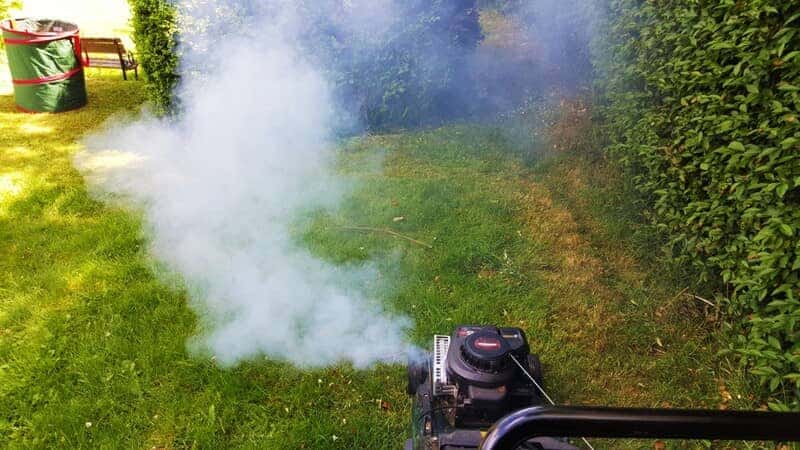
Image Source: lawn.com.au
Deciphering Lawn Mower Smoke Colors
The color of the smoke coming from your lawn mower is a crucial clue to diagnose the problem. Different colors indicate different internal issues. Let’s break down what each color typically means.
Blue Smoke: The Tell-Tale Sign of Burning Oil
Seeing blue smoke from your lawn mower is almost always a sign that engine oil is getting into the combustion chamber and burning. This is usually the most common type of smoke people notice.
What Causes Blue Smoke?
Several things can lead to engine oil burning:
- Overfilling the Oil: The simplest reason is that you might have put too much engine oil in your mower. When the oil level is too high, the excess can get pushed into the cylinder and burned.
- Worn Piston Rings: Piston rings are small metal rings that fit around the piston. Their job is to create a seal between the piston and the cylinder wall. If these rings are worn out or broken, oil can seep past them into the combustion chamber.
- Damaged Cylinder Walls: The inside of the cylinder can become scored or damaged over time. This damage creates gaps where oil can enter the combustion chamber.
- Faulty Valve Seals or Guides: The valves in your engine open and close to let fuel in and exhaust out. They have seals and guides to prevent oil from leaking into the combustion chamber. If these seals or guides fail, oil can leak past and burn.
- Tipping the Mower Incorrectly: Most lawn mowers have an air filter on the side. If you tip your mower the wrong way – typically with the carburetor or air filter facing down – oil can leak from the crankcase into the carburetor and then into the engine to be burned. Always tip your mower with the spark plug pointing upwards.
White Smoke: Moisture or Unburned Fuel
White smoke is a bit less common but can be just as problematic. It often points to moisture in the combustion chamber or unburned fuel.
What Causes White Smoke?
- Moisture in the System: If water or coolant gets into the combustion chamber, it can turn into steam and come out as white smoke. This could happen if the head gasket is blown, allowing coolant to leak into the cylinder.
- Unburned Fuel (Rich Fuel Mixture): If the fuel-air mixture is too rich (too much fuel, not enough air), some fuel might not burn completely. This unburned fuel can exit the exhaust as white or gray smoke, often accompanied by a strong smell of gasoline. This is frequently linked to carburetor issues.
- Cold Engine Operation: On very cold days, a lawn mower might produce a bit of white smoke initially as the engine warms up and the fuel isn’t atomizing perfectly. This usually goes away once the engine reaches its normal operating temperature.
- Water in Fuel: If you’ve accidentally put water in your fuel tank, it can cause this issue.
Black Smoke: A Sign of Too Much Fuel
Black smoke is a clear indicator that your lawn mower is running too rich, meaning it’s getting too much fuel and not enough air.
What Causes Black Smoke?
- Carburetor Issues: The carburetor is responsible for mixing the right amount of fuel and air for combustion. If it’s dirty, clogged, or misadjusted, it can deliver too much fuel. This is a very common cause of black smoke.
- Clogged Air Filter: The air filter prevents dirt and debris from entering the engine. If the air filter is clogged with grass clippings and dust, it restricts airflow. When there isn’t enough air, the fuel-air mixture becomes too rich.
- Choke Stuck On: The choke enriches the fuel mixture to help the engine start when cold. If the choke mechanism gets stuck in the “on” position, the engine will continue to receive an overly rich mixture even after it has warmed up, leading to black smoke.
- Fuel Pressure Problems: In some fuel-injected engines, incorrect fuel pressure can lead to an over-rich condition.
- Faulty Oxygen Sensor (Less common on older mowers): Modern engines have sensors to monitor the fuel-air mixture. A faulty sensor can send incorrect data, causing the engine to run rich.
Common Causes and Fixes
Now that we know what the colors mean, let’s dive deeper into the specific problems that cause your lawn mower to smoke and how to fix them.
1. Engine Oil Issues
Burning oil is a primary reason for smoky engines. This often relates to the oil level, the quality of the oil, or internal wear.
Overfilling Engine Oil
- How to Check: Refer to your lawn mower’s manual for the correct oil capacity and the dipstick’s markings. Ensure the mower is on a level surface when checking.
- The Fix: If overfilled, you need to drain out the excess oil. Most mowers have a drain plug at the bottom of the engine. Use a suitable container to catch the oil and drain until the level is correct. Be careful not to drain all the oil.
Worn Piston Rings
- Diagnosis: This is a more serious internal engine problem. Symptoms often include consistent blue smoke, loss of power, and increased oil consumption. Compression tests can help confirm this.
- The Fix: Replacing piston rings involves disassembling a significant part of the engine. This is a job best left to experienced mechanics or those with advanced DIY skills. It might be more cost-effective to replace the mower if it’s older.
Leaking Valve Seals or Guides
- Diagnosis: Similar to worn piston rings, this usually causes blue smoke. It might be more noticeable when the engine starts after being off for a while.
- The Fix: Replacing valve seals and guides requires removing the cylinder head and the valves. This is a complex repair that often needs specialized tools.
2. Carburetor Problems
Carburetor issues are a frequent culprit behind various smoke colors, especially black and sometimes white smoke due to a rich fuel mixture.
Dirty or Clogged Carburetor
- How it Happens: Over time, fuel can leave deposits and varnish inside the carburetor. Dirt and debris can also get in. This can disrupt the precise mixture of fuel and air.
- Symptoms: Black smoke, rough idling, engine bogging down, difficulty starting, and stalling.
- The Fix:
- Cleaning: You can try cleaning the carburetor yourself. This usually involves removing the carburetor from the engine, dismantling it, and cleaning all the small jets and passages with carburetor cleaner. Compressed air is also helpful.
- Rebuild Kit: If cleaning doesn’t solve it, a carburetor rebuild kit can replace worn-out gaskets and small parts.
- Replacement: If the carburetor is severely damaged or corroded, replacement might be necessary.
Carburetor Adjustment
- How it Happens: The idle mixture and throttle stops on a carburetor can sometimes get out of adjustment, affecting the fuel-air ratio.
- Symptoms: Similar to a clogged carburetor, but might be more subtle and related to specific engine speeds.
- The Fix: Adjusting the mixture screws on the carburetor can help. However, this requires careful calibration and a good understanding of how carburetors work. It’s often best to consult your mower’s manual or a repair guide.
3. Air Filter Problems
A clogged or dirty air filter directly impacts the amount of air entering the engine, leading to a rich fuel mixture and black smoke.
- How it Happens: Grass clippings, dust, and debris accumulate in the air filter over time, restricting airflow.
- Symptoms: Black smoke, loss of engine power, rough running, and difficulty accelerating.
- The Fix:
- Cleaning: Paper filters can sometimes be lightly tapped to remove loose debris. Foam filters can often be washed with soap and water, dried thoroughly, and sometimes lightly oiled (check your manual).
- Replacement: Most paper air filters should be replaced regularly, typically once a season or when they look heavily soiled.
4. Exhaust Leaks
While not directly causing smoke from the engine’s combustion, exhaust leaks can sometimes be mistaken for engine smoke or can be a symptom of a larger issue.
- How it Happens: A crack in the exhaust manifold, muffler, or exhaust pipe can allow exhaust gases to escape before they pass through the muffler.
- Symptoms: Loud engine noise, a puffing sound, and sometimes a slight shimmer or distortion of air you might mistake for smoke, especially in damp conditions.
- The Fix: Inspect the exhaust system for cracks, holes, or loose connections. Gaskets might need replacing, or the damaged component might need welding or replacement.
5. Spark Plug Fouling
Spark plug fouling can lead to incomplete combustion, contributing to various engine running issues that might indirectly relate to or be mistaken for smoke.
- How it Happens: If oil or excessive carbon builds up on the spark plug tip, it can prevent a strong spark. This can cause misfires and incomplete burning of the fuel-air mixture.
- Symptoms: Engine misfires, rough running, difficulty starting, and potentially a slight puff of dark smoke on startup.
- The Fix:
- Cleaning: You can try cleaning the spark plug with a wire brush and carb cleaner. Ensure it’s completely dry and re-gap it to the manufacturer’s specifications.
- Replacement: Spark plugs are inexpensive wear items and should be replaced periodically as part of regular maintenance.
6. Fuel Issues
Sometimes, the problem isn’t with the engine itself but with the fuel you’re using.
Water in Fuel
- How it Happens: Condensation can form in fuel tanks, or water can enter during refueling if precautions aren’t taken.
- Symptoms: White or bluish smoke, engine sputtering, and poor performance.
- The Fix: Drain the fuel tank and carburetor. Refill with fresh, clean fuel.
Old or Stale Fuel
- How it Happens: Gasoline degrades over time, especially if it contains ethanol, which can absorb moisture.
- Symptoms: Poor engine performance, difficulty starting, and sometimes unusual smoke colors if combustion is severely affected.
- The Fix: Drain the old fuel and replace it with fresh gasoline.
Maintenance Tips to Prevent Smoke
Regular maintenance is the best defense against a smoky lawn mower.
Oil Checks and Changes
- Check Oil Regularly: Check the oil level before each use.
- Change Oil Seasonally: Follow your mower’s manual for recommended oil change intervals. Using the correct type and viscosity of oil is crucial.
Air Filter Care
- Inspect and Clean: Check the air filter every few uses and clean or replace it as needed.
- Replace Annually: Even if it looks clean, consider replacing it at least once a year.
Spark Plug Maintenance
- Clean or Replace: Clean your spark plug during oil changes or at least once a season. Replace it if it shows signs of wear or fouling.
Fuel Storage
- Use Fresh Fuel: Use fresh gasoline and avoid storing it for extended periods, especially over winter.
- Fuel Stabilizer: Use a fuel stabilizer if you store gasoline for more than a month.
Keeping it Clean
- General Cleaning: Keep your lawn mower clean, especially the engine area. Removing grass clippings and dirt can prevent overheating and improve airflow.
Troubleshooting Table
Here’s a quick reference table to help you diagnose the smoke issue:
| Smoke Color | Likely Cause | Possible Solutions |
|---|---|---|
| Blue Smoke | Burning Oil | Check oil level (drain if overfilled), inspect piston rings, valve seals, cylinder. |
| White Smoke | Moisture or Unburned Fuel | Check for head gasket issues, adjust carburetor for rich mixture, check fuel. |
| Black Smoke | Rich Fuel Mixture (Too Much Fuel) | Clean/adjust carburetor, clean/replace air filter, check choke. |
When to Call a Professional
While many smoke issues can be fixed with basic maintenance or simple repairs, some problems require more advanced knowledge and tools.
- Persistent Smoke: If you’ve tried the basic fixes and the smoke continues.
- Significant Power Loss: If your mower is running very poorly or has lost a lot of power.
- Internal Engine Damage Suspected: If you suspect worn piston rings, cylinder damage, or valve train issues.
- Carburetor Rebuilding: If you’re uncomfortable disassembling and cleaning the carburetor.
- Complex Repairs: Any repair that involves significant engine disassembly (e.g., head gasket replacement, piston ring replacement).
If you’re unsure about any repair, it’s always best to consult your lawn mower’s owner’s manual or take it to a qualified small engine repair shop.
Frequently Asked Questions (FAQ)
Q1: Can I still use my lawn mower if it’s smoking?
A: It depends on the color and severity of the smoke. Light white smoke on a very cold start might be okay, but blue or black smoke, or any smoke that persists, indicates a problem that could damage the engine. It’s best to stop using it until you diagnose the issue.
Q2: Does the type of oil matter for smoke?
A: Yes, using the wrong type or viscosity of engine oil can contribute to burning oil and smoke. Always use the oil recommended in your lawn mower’s owner’s manual.
Q3: How often should I check my lawn mower’s oil?
A: It’s a good practice to check your lawn mower’s oil level before each use, especially if it’s an older mower or if you haven’t used it recently.
Q4: What if my mower smokes only when I start it?
A: If it’s a light white smoke that quickly disappears, it might just be condensation or a slightly rich mixture during startup. If it’s blue or black, or if it persists for more than a minute, investigate the causes mentioned above.
Q5: Is burning oil bad for my lawn mower?
A: Yes, burning oil is bad for your lawn mower. It can lead to carbon buildup on internal engine parts, damage spark plugs, reduce engine efficiency, and ultimately shorten the life of your engine.
By understanding the different types of smoke and their common causes, you can more effectively diagnose and fix issues with your lawn mower, keeping it running smoothly and efficiently for years to come. Regular maintenance is your best friend in preventing these problems.