
Is your lawn looking less than its best, with lawn turning yellow patches and yellow grass blades marring its vibrant green? You’re not alone. A yellow lawn can be a disheartening sight for any homeowner. But why is my lawn yellow, and what can be done about it? Generally, yellowing grass is a sign that your lawn is stressed or missing something it needs. This article will delve into the most common reasons for your lawn turning yellow and provide straightforward, actionable fixes to restore its healthy, green glow. We’ll explore everything from watering issues to nutrient deficiencies and pest problems.
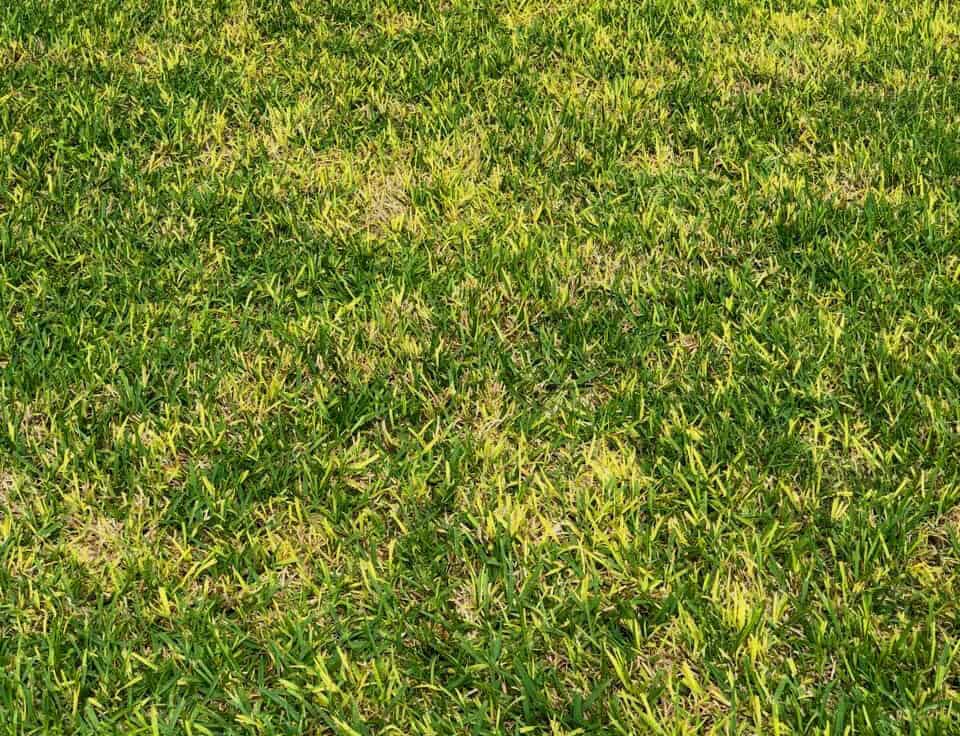
Image Source: emeraldlawns.com
Deciphering the Causes of Yellowing Grass
Several factors can contribute to your lawn turning yellow. It’s crucial to correctly identify the culprit to implement the most effective solution. Think of your lawn as a living organism that communicates its needs through its color. A yellow hue is its way of signaling distress.
Water Woes: Too Much or Too Little?
Water is essential for a healthy lawn, but the amount and frequency of watering can be a double-edged sword.
The Dangers of Underwatering
When a lawn doesn’t receive enough water, the grass blades will start to dry out. This lack of moisture causes the grass to lose its vibrant green color and turn a dull yellow or straw-like brown. You might notice brown patches on lawn that are dry and brittle to the touch.
Signs of Underwatering:
- Fading Color: The green gradually fades to yellow.
- Footprints Remain: When you walk on dry grass, the blades don’t spring back up.
- Wilting Appearance: The entire lawn may look droopy.
Fixing Underwatering:
- Deep and Infrequent Watering: Water deeply, so the moisture penetrates about 6 inches into the soil. This encourages deeper root growth. Aim for about 1 inch of water per week, split into one or two watering sessions.
- Water Early: The best time to water is in the early morning, between 4 AM and 10 AM. This allows the water to soak in before the heat of the day causes evaporation.
- Check Soil Moisture: Before watering, stick a screwdriver or trowel into the ground. If it’s hard to push in, the soil is too dry.
The Problem with Overwatering
While it might seem counterintuitive, overwatering yellow lawn conditions can be just as damaging as underwatering. Excess water can suffocate the grass roots by drowning them, preventing them from accessing oxygen. This leads to root rot and causes the grass to turn yellow. You might also observe dead grass spots appearing.
Signs of Overwatering:
- Yellowing with Soggy Soil: The grass turns yellow, and the ground feels constantly wet and spongy.
- Fungal Growth: You might see mushrooms or signs of disease.
- Thatch Buildup: Overwatering can contribute to a thick layer of thatch, which further hinders air and water penetration to the roots.
Fixing Overwatering:
- Reduce Watering Frequency: If you’re watering daily or every other day, cut back. Allow the soil to dry out slightly between waterings.
- Ensure Proper Drainage: If your lawn has poor drainage, consider aeration to improve air circulation and water flow.
- Adjust Sprinkler Heads: Make sure your sprinklers aren’t overlapping too much, leading to waterlogged areas.
Nutrient Deficiency in Grass: A Hungry Lawn
Just like any living thing, grass needs essential nutrients to thrive. A nutrient deficiency in grass is a very common cause of lawn turning yellow. The most common culprits are nitrogen, iron, and potassium.
Nitrogen Deficiency
Nitrogen is a key component of chlorophyll, the pigment that makes grass green. Without enough nitrogen, the grass can’t produce enough chlorophyll, leading to a pale green or yellow appearance. This often starts with the older, lower blades of grass.
Signs of Nitrogen Deficiency:
- Overall Yellowing: The entire lawn may appear uniformly pale green or yellow.
- Slow Growth: The grass will grow much slower than usual.
- Older Blades Yellow First: The lower, older blades are usually the first to show signs of yellowing.
Fixing Nitrogen Deficiency:
- Fertilize: Apply a nitrogen-rich fertilizer. Look for fertilizers with a high first number in the N-P-K ratio (e.g., 20-5-10). Follow the application instructions carefully to avoid over-fertilizing.
- Organic Matter: Incorporate compost or other organic matter into your soil. This provides a slow-release source of nitrogen and improves soil health.
Iron Deficiency (Iron Chlorosis)
Iron is vital for chlorophyll production, even though it’s not directly part of the chlorophyll molecule. When grass can’t absorb enough iron from the soil (often due to high soil pH), it develops iron chlorosis, characterized by a bright yellowing between the green veins of the grass blades.
Signs of Iron Deficiency:
- Yellowing Between Veins: The veins of the grass blades remain green, while the areas between them turn yellow.
- New Growth Affected: Often, new growth is more severely affected.
- Common in Certain Grass Types: Some grass types are more prone to iron deficiency.
Fixing Iron Deficiency:
- Iron Supplementation: Apply an iron supplement to the lawn. Liquid iron sprays are absorbed quickly and can provide a rapid green-up. Granular iron can also be used.
- Soil pH Adjustment: Test your soil pH. If it’s too high (alkaline), lower it by adding sulfur. A soil pH between 6.0 and 7.0 is ideal for most grasses to absorb nutrients effectively.
Potassium Deficiency
Potassium plays a role in the overall health and resilience of the grass, helping it withstand stress from drought, disease, and heat. A deficiency can lead to yellowing and browning, particularly at the tips and edges of the grass blades.
Signs of Potassium Deficiency:
- Yellowing and Browning Tips: Grass blades may turn yellow or brown starting from the tips.
- Weakened Stems: The grass may appear weaker and more susceptible to damage.
Fixing Potassium Deficiency:
- Potassium-Rich Fertilizer: Use a fertilizer that contains potassium, indicated by the third number in the N-P-K ratio (e.g., 10-10-20).
- Soil Testing: A soil test can confirm potassium levels and help determine the best course of action.
Soil Compaction: Choking the Roots
When soil becomes compacted, the roots of your grass can’t get enough air, water, or nutrients. This restricts root growth and leads to a stressed, yellowing lawn. Compacted soil can create brown patches on lawn and contribute to overall lawn turning yellow.
Signs of Soil Compaction:
- Hard Soil: The ground feels hard and difficult to penetrate with a shovel.
- Puddling Water: Water sits on the surface for a long time after rain or watering.
- Shallow Root System: The grass roots are shallow and close to the surface.
Fixing Soil Compaction:
- Aeration: Core aeration is the process of removing small plugs of soil from your lawn. This creates holes that allow air, water, and nutrients to reach the root zone, relieving compaction.
- Reduce Foot Traffic: Limit heavy foot traffic, especially when the soil is wet.
- Topdressing: After aeration, consider topdressing with a thin layer of compost or sand to further improve soil structure.
Pests and Diseases: The Unseen Invaders
Underground pests or lawn diseases can also cause your grass to turn yellow and develop dead grass spots.
Common Pests:
- Grubs: These C-shaped larvae of beetles feed on grass roots, causing irregular patches of yellow or brown, dead grass that can be easily pulled up.
- Chinch Bugs: These small insects suck the sap from grass blades, causing them to turn yellow and then brown. They often congregate in sunny areas.
- Sod Webworms: The larvae of lawn moths feed on grass blades, creating chewed, straw-like patches.
Identifying Pests:
- Digging: Gently dig up a small section of turf in the affected area. Look for white, c-shaped grubs.
- Flotation Test: For chinch bugs, push a metal can with both ends removed into the ground and fill it with water. The bugs will float to the surface.
Treating Pests:
- Insecticides: Use appropriate lawn insecticides to control pest populations. Always follow product label instructions carefully.
- Beneficial Nematodes: For grubs, consider applying beneficial nematodes, which are microscopic organisms that parasitize grubs.
Common Diseases:
- Fungal Diseases: Various fungal diseases can affect lawns, often appearing as discolored patches, spots, or rings that are yellow, brown, or black. Common examples include dollar spot, brown patch, and red thread.
Identifying Diseases:
- Visual Inspection: Look for specific patterns of discoloration, such as rings, spots, or blighted areas.
- Consult a Professional: If you’re unsure about a diagnosis, consult a local garden center or extension office.
Treating Diseases:
- Fungicides: Apply a fungicide specifically formulated for the identified disease.
- Improve Airflow: Thin out dense shrubs or trees around the lawn to improve air circulation, which can help prevent fungal growth.
- Watering Practices: Adjust watering to avoid wetting the grass blades overnight, as this can encourage fungal growth.
Environmental Stress: Weather’s Toll
Your lawn can turn yellow due to harsh environmental conditions.
Drought Stress
Prolonged periods of hot, dry weather can stress your lawn, causing it to go dormant and turn yellow or brown. While dormancy is a natural survival mechanism, it can look unsightly.
Signs of Drought Stress:
- Overall Fading: The lawn gradually turns yellow or straw-colored.
- Wilting: Grass blades will droop.
Dealing with Drought Stress:
- Watering Deeply: As mentioned earlier, deep watering is crucial during dry spells.
- Mow Higher: Raise your mower height. Longer grass blades shade the soil, helping it retain moisture.
- Reduce Foot Traffic: Avoid heavy use of the lawn during drought conditions.
Extreme Heat
High temperatures, especially when combined with humidity, can damage grass blades and cause yellowing.
Signs of Heat Stress:
- Wilting and Yellowing: Similar to drought stress, but may occur even with adequate watering.
- Patchy Discoloration: Some areas might suffer more than others.
Managing Heat Stress:
- Proper Watering: Ensure consistent watering.
- Mowing Practices: Avoid mowing during the hottest part of the day.
- Shade: If possible, provide shade for vulnerable areas during extreme heat.
Frost and Freezing Temperatures
Sudden frosts or freezes can damage grass blades, causing them to turn yellow or brown.
Signs of Frost Damage:
- Brown or Yellow Blades: The grass blades appear scorched or discolored.
- Localized Damage: Often affects exposed areas.
Recovering from Frost Damage:
- Patience: Often, the grass will recover on its own once warmer temperatures return.
- Avoid Mowing: Don’t mow frost-damaged grass until it has recovered.
Mowing and Maintenance Mistakes
Improper mowing and other maintenance oversights can also lead to a yellow lawn.
Mowing Too Short (Scalping)
Mowing your lawn too short, also known as scalping, removes too much of the green blade, exposing the soil and stressing the grass. This can lead to lawn turning yellow and increases vulnerability to pests and disease.
Signs of Scalping:
- Pale, Striped Appearance: Yellow or white streaks where the mower blades have cut too low.
- Bare Patches: Exposed soil where the grass has been removed.
Fixing Scalping:
- Raise Mower Blade: Set your mower to a higher cutting height. The ideal height varies by grass type, but generally, 2.5 to 3.5 inches is good.
- The One-Third Rule: Never remove more than one-third of the grass blade length in a single mowing.
Dull Mower Blades
Dull mower blades tear the grass blades rather than cutting them cleanly. This tearing creates ragged edges that dry out, turn brown, and make the grass susceptible to disease. This leads to yellow grass blades and contributes to brown patches on lawn.
Signs of Dull Blades:
- Ragged, Yellowed Tips: The tips of the grass blades look frayed and discolored.
- Increased Yellowing: The lawn may appear generally unkempt and yellowish.
Fixing Dull Blades:
- Sharpen Blades: Regularly sharpen your mower blades. Aim to sharpen them at least once or twice during the growing season.
Chemical Imbalances or Over-application
Applying too much fertilizer, herbicides, or pesticides can “burn” the lawn, causing yellowing and dead grass spots.
Signs of Chemical Burn:
- Rapid Yellowing: Discoloration appears quickly after application.
- Distinct Patterns: Often follows the pattern of application (e.g., where fertilizer granules fell).
Avoiding Chemical Burn:
- Follow Instructions: Always read and follow product label instructions precisely.
- Watering After Application: Some products recommend watering after application to help them absorb into the soil and prevent leaf burn.
- Apply Evenly: Ensure even distribution of any lawn treatments.
Yellowing Lawn Treatments: A Step-by-Step Guide to Restoration
Now that we’ve explored the potential causes, let’s talk about yellowing lawn treatments and how to fix yellow lawn conditions. A systematic approach is key to restoring your lawn’s vitality.
1. Diagnosis First: Pinpointing the Cause
Before you grab any products, take the time to accurately diagnose the problem.
- Observe Carefully: Note where the yellowing is occurring (all over, in patches, along edges) and any accompanying symptoms (dryness, wetness, visible pests).
- Check Soil Moisture: Stick your finger or a trowel into the soil. Is it bone dry, or is it waterlogged?
- Examine Grass Blades: Look for signs of tearing, chewing, or discoloration patterns.
- Inspect for Pests: Gently pull up a section of turf to check for grubs or other soil-dwelling insects.
- Consider Recent Activities: Did you recently fertilize, use herbicides, or change your watering schedule?
2. Adjusting Watering Habits
This is often the quickest fix if your lawn is suffering from improper moisture levels.
- If Underwatering: Implement a deep and infrequent watering schedule. Aim for 1 inch of water per week, delivered in one or two sessions.
- If Overwatering: Allow the soil to dry out between watering sessions. Reduce frequency and duration. Ensure your lawn has good drainage.
3. Nutrient Management for a Greener Lawn
If you suspect a nutrient deficiency in grass, fertilization is the answer.
- Soil Test: The most accurate way to determine nutrient needs is through a soil test. You can purchase kits or send samples to a local extension office.
- Choose the Right Fertilizer: Select a balanced fertilizer based on your soil test results. For general yellowing, a nitrogen-rich fertilizer is often beneficial.
- Application: Apply fertilizer evenly, following the manufacturer’s instructions. Water the lawn after applying granular fertilizer to help it dissolve and prevent leaf burn.
- Iron Supplementation: If iron chlorosis is suspected, apply an iron supplement, especially during periods of rapid growth.
4. Improving Soil Health
Healthy soil is the foundation of a healthy lawn.
- Aeration: If your soil is compacted, core aeration is essential. Perform this in the spring or fall when the grass is actively growing.
- Topdressing: After aerating, topdressing with compost can further improve soil structure and fertility.
- Overseeding: If your lawn is thin or has bare patches due to stress, overseeding with a quality grass seed can help fill in the gaps and improve density.
5. Pest and Disease Control
Addressing pest or disease issues requires targeted treatment.
- Identify the Culprit: Accurately diagnose the pest or disease before applying any treatment.
- Use Appropriate Treatments: Apply insecticides or fungicides as directed by the product label.
- Cultural Practices: Often, improving lawn health through proper watering, fertilization, and mowing can make the lawn more resistant to pests and diseases.
6. Mowing and Maintenance Best Practices
Correcting mowing habits can prevent future yellowing.
- Set the Right Height: Mow at the recommended height for your grass type.
- Keep Blades Sharp: Ensure your mower blades are sharp for a clean cut.
- Avoid Mowing Wet Grass: This can lead to clumping and disease spread.
Lawn Care for Yellowing: Proactive Measures
Consistent, good lawn care for yellowing means preventing problems before they start.
Regular Monitoring
Keep a close eye on your lawn throughout the growing season. Early detection of yellowing or other issues makes them easier to address.
Seasonal Fertilization
Apply fertilizers at the appropriate times of the year based on your grass type. This ensures your lawn has the nutrients it needs for healthy growth and resilience.
Proper Watering Schedule
Develop a consistent watering schedule that meets your lawn’s needs, considering weather patterns and soil type.
Aeration and Dethatching
Regularly aerate your lawn (every 1-2 years) and dethatch when the thatch layer exceeds 1/2 inch to ensure good air, water, and nutrient penetration to the roots.
Weed Control
Healthy, dense grass is the best defense against weeds. Use pre-emergent herbicides in the spring and fall to prevent weed seeds from germinating, and spot-treat existing weeds as needed.
Frequently Asked Questions (FAQ)
Here are some common questions about yellow lawns:
Q1: My lawn is turning yellow in patches, what could be the reason?
A1: Patchy yellowing can be caused by several factors, including localized pest infestations (like grubs or chinch bugs), fungal diseases, uneven fertilizer application, or areas that receive less water. Inspect the affected patches closely for any of these specific signs.
Q2: Can I fix a yellow lawn quickly?
A2: Some fixes offer quicker results than others. Iron supplements can provide a rapid green-up for iron deficiency. Adjusting watering can also show improvements within days. However, addressing nutrient deficiencies through fertilization or recovering from severe pest damage may take several weeks or even months.
Q3: Is it normal for my lawn to turn yellow in the fall?
A3: Yes, many grass types naturally go dormant and turn yellow or brown in the fall as temperatures cool and daylight hours decrease. This is a normal part of their life cycle and a way to conserve energy for the winter. It will typically green up again in the spring.
Q4: My dog peed on the lawn, and now there’s a yellow spot. How do I fix it?
A4: Dog urine contains nitrogen, which can “burn” the grass if concentrated. The best way to fix this is to immediately flush the area with plenty of water to dilute the urine. Once the spot dries, you may need to rake the dead grass and reseed the area.
Q5: My neighbor fertilized their lawn, and now mine is turning yellow. Did I miss a step?
A5: It’s unlikely your neighbor’s fertilization directly caused your lawn to turn yellow unless it was an extreme over-application that drifted significantly. However, if your lawn is lacking nutrients, it might be more susceptible to showing signs of stress compared to a well-fed lawn. Consider a soil test to check your lawn’s nutrient levels.
Q6: What are the signs of an overwatering yellow lawn?
A6: Signs of an overwatering yellow lawn include the grass turning yellow, the soil remaining constantly wet and soggy, potential fungal growth (like mushrooms), and shallow root development due to a lack of oxygen.
By carefully observing your lawn and understanding the various causes of yellowing, you can implement the right lawn care for yellowing and restore its lush, green appearance. A healthy lawn is a continuous effort, but with the right knowledge and consistent care, you can enjoy a beautiful and vibrant yard.