
Mushrooms popping up on your lawn can be a puzzling sight. Do mushrooms grow on my lawn because of bad soil? Yes, mushrooms often grow on lawns due to poor soil health, excess organic matter, and consistent moisture. This article will explore the various reasons for these unexpected guests and how to manage them.
Mushrooms are the fruiting bodies of fungi. These fungi are already present in your soil, often unseen. When the conditions are just right, they produce these visible structures. They aren’t inherently harmful to your grass, but their presence can indicate underlying issues in your lawn’s ecosystem.
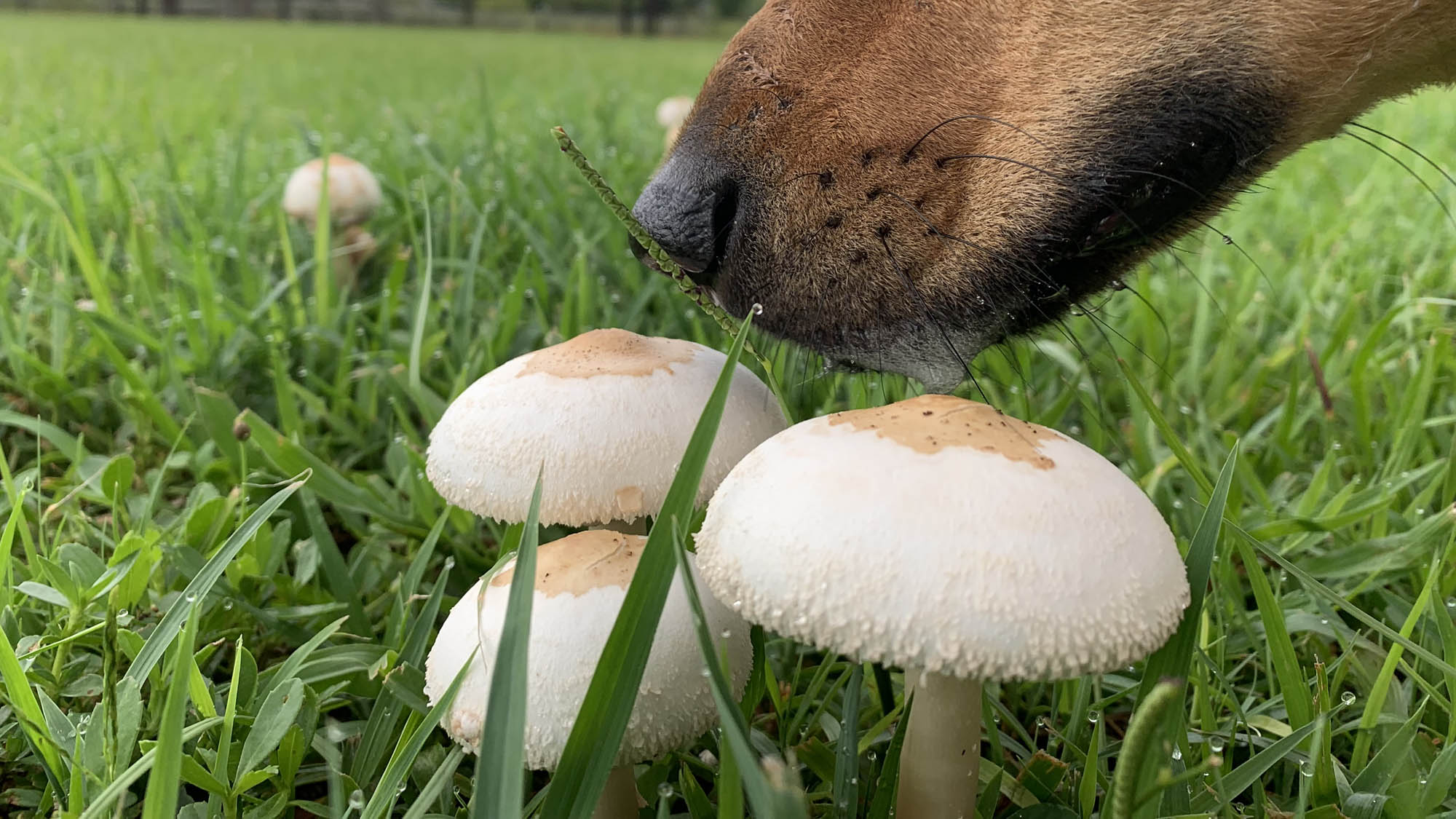
Image Source: homegrown.extension.ncsu.edu
Deciphering Mushroom Causes
Mushrooms are nature’s way of recycling. They thrive on decaying organic material. Think of them as tiny recyclers working tirelessly beneath the surface of your lawn.
Fungal Networks Beneath the Surface
The mushrooms you see are just the tip of the iceberg. Most of the fungus exists as a network of fine threads called mycelium, hidden within the soil. This mycelium breaks down organic matter, making nutrients available to plants – including your grass.
Key Factors Inviting Yard Mushrooms
Several environmental factors create an ideal habitat for mushrooms to appear. These are the main culprits:
- Excess Organic Matter: This is the prime suspect. If your lawn has a thick layer of lawn thatch – that spongy layer of dead and living grass stems, roots, and leaves between the soil surface and the green grass blades – it provides a perfect food source for fungi. Dead grass is a feast for these organisms.
- Consistent Soil Moisture: Fungi love damp conditions. Overwatering, poor drainage, or prolonged periods of rain can keep the soil consistently moist, encouraging fungal growth.
- Shady Areas: Many types of lawn fungi prefer shaded spots where the soil stays cooler and moister for longer.
- Compacted Soil: Compacted soil restricts air and water movement, creating damp pockets where fungi can flourish.
- Animal Waste: Droppings from pets or wildlife can also introduce fungal spores and provide nutrients.
Interpreting Common Mushroom Scenarios
Different types of mushrooms might appear, and their presence can sometimes tell us more about specific lawn conditions.
The Mystery of Fairy Rings
You might have heard of fairy rings. These are circular patterns of mushrooms that appear in lawns. They are caused by a single type of fungus spreading outwards from a central point. As the mycelium grows, it consumes organic matter in the soil. The grass within the ring can sometimes turn a darker green due to the nutrients released by the fungi, or it might turn brown if the mycelium dries out the soil too much.
Mushrooms and Dead Grass
It’s not uncommon to see mushrooms growing directly from or near patches of dead grass. This is because the fungus is actively breaking down the dead material. While the mushroom itself isn’t killing the grass, the underlying cause for the dead grass (like disease, drought, or compaction) might also be favorable for fungal growth.
Fathoming the Role of Lawn Thatch
Lawn thatch is a critical element in mushroom development. This layer is a natural buildup of organic material. A thin layer is actually beneficial, helping to insulate the soil and retain moisture. However, when thatch accumulates to over half an inch thick, it becomes a problem.
What is Lawn Thatch?
- Definition: A layer of dead and living shoots, stems, and roots that accumulates between the green grass blades and the soil surface.
- Beneficial Layer: A thin thatch layer (less than 1/2 inch) insulates soil, conserves moisture, and cushions traffic.
- Problematic Layer: A thick thatch layer (over 1/2 inch) becomes a breeding ground for pests and diseases, and crucially, for fungi that produce mushrooms.
How Thatch Encourages Mushrooms
A thick thatch layer acts like a sponge. It holds excess moisture, even when the soil below might be draining. This consistent dampness within the thatch is ideal for the mycelium of many mushroom-causing fungi. The decaying organic matter within the thatch also serves as a readily available food source.
The Importance of Soil Moisture
Soil moisture levels play a direct role in whether you see mushrooms. Fungi, like all living organisms, need water to survive and reproduce.
The Delicate Balance of Water
- Too Little Water: Your grass will likely show signs of drought stress, and mushroom growth will be inhibited.
- Too Much Water: This is where mushrooms thrive. Overwatering, poor drainage, or consistently damp weather can create the perfect environment. The water saturates the thatch and topsoil, providing the necessary hydration for fungal activity.
Signs of Excessive Moisture
- Waterlogged Areas: Puddles that remain for extended periods after watering or rain.
- Spongy Feel: The lawn feels unusually soft and squishy underfoot.
- Yellowing or Wilting Grass: Paradoxically, too much water can suffocate grass roots, leading to stress symptoms that mimic drought.
Mushroom Identification: What Am I Looking At?
Knowing what kind of mushrooms are growing can sometimes offer clues. However, for most homeowners, the goal is simply to manage their appearance.
Common Lawn Mushroom Types
While there are thousands of mushroom species, a few are common in residential lawns. It’s important to note that many are harmless to your grass, but some can be toxic to pets or children.
- Agarics (Meadow Mushrooms): Often umbrella-shaped with gills underneath. Many are decomposers of organic matter.
- Ink Caps: These mushrooms start as small caps and then their gills “melt” into a black, inky liquid. They are excellent decomposers.
- Puffballs: Round or pear-shaped, they release spores when disturbed.
- Stinkhorns: Known for their unpleasant odor and phallic or sometimes alien-like shapes. They attract insects for spore dispersal.
Safety First
Important Note: Never assume a mushroom is safe to eat, even if it looks familiar. Many edible mushrooms have poisonous look-alikes. If you have pets or small children, it’s best to remove any mushrooms you can identify as potentially harmful. If you are interested in mushroom identification, consult local experts or reliable field guides. However, for lawn management purposes, we focus on control rather than consumption.
Addressing the Root Causes: Lawn Care Strategies
Managing mushrooms is essentially about improving your overall lawn care practices to make your lawn less hospitable to the fungi that produce them.
1. Managing Lawn Thatch
This is a crucial step. Reducing lawn thatch starves the fungi of their primary food source.
Dethatching (Power Raking)
- When to Dethatch: The best times are during your lawn’s active growing seasons: spring or early fall. Avoid dethatching during extreme heat or drought.
- How it Works: A dethatcher (or power rake) has rotating tines that pull up the thatch layer.
- Frequency: Usually done once every 1-2 years, depending on your lawn’s thatch buildup.
Aeration
- What it Does: Aeration involves removing small plugs of soil from the lawn. This improves air, water, and nutrient penetration to the roots.
- Benefits for Mushrooms: By improving soil structure and reducing compaction, aeration helps the soil dry out more effectively and reduces the damp conditions that fungi love. It also helps the grass grow stronger, which can outcompete fungi.
- When to Aerate: Similar to dethatching, spring and fall are ideal.
2. Adjusting Watering Habits
Proper watering is key to controlling soil moisture.
- Water Deeply and Infrequently: Encourage deeper root growth, which makes grass more resilient. Aim for about 1 inch of water per week, including rainfall.
- Water in the Morning: This allows the grass blades to dry off during the day, reducing the time they remain wet, which is favorable for fungal diseases and mushroom growth.
- Check Soil Moisture: Before watering, stick a screwdriver or soil probe into the ground. If it goes in easily to a depth of 6 inches, the soil is likely moist enough.
- Improve Drainage: If you have persistently waterlogged areas, consider improving the soil’s drainage by adding compost or amending the soil.
3. Improving Sunlight and Air Circulation
- Prune Overhanging Branches: If trees or shrubs are casting dense shade, trimming them back can increase sunlight and air movement.
- Trim Edges: Keep lawn edges clear of dense foliage from surrounding garden beds or hedges.
4. Fertilization Practices
- Avoid Over-fertilizing: Excessive nitrogen can lead to rapid, weak growth that is more susceptible to disease and can contribute to thatch buildup.
- Use Slow-Release Fertilizers: These provide a steady supply of nutrients without the sudden surge that can encourage fungal issues.
5. Cleaning Up Debris
- Remove Leaves and Grass Clippings: Regularly rake up fallen leaves and collect grass clippings after mowing. This reduces the amount of organic material available for fungi to decompose.
Curing the Mushroom Menace
While you can’t eliminate all fungi from your soil (they are beneficial decomposers!), you can certainly manage the conditions that lead to visible mushrooms.
Removing Existing Mushrooms
- Physical Removal: For a quick fix and to prevent spore release, you can simply pick the mushrooms by hand or use a spade to dig them out. Dispose of them in a sealed bag in the trash, not on a compost pile where they might continue to grow.
- Spore Dispersal: Remember that even when you remove the mushroom, the mycelium is still in the soil. Picking them prevents them from releasing more spores, but it doesn’t eradicate the underground network.
Chemical Treatments (Use with Caution)
Chemical fungicides are generally not recommended for simply controlling mushrooms, as they can harm beneficial soil organisms and the fungi themselves play a role in soil health. However, if the mushrooms are a symptom of a larger fungal disease affecting your grass, a fungicide might be considered.
- Identify the Underlying Disease: If you suspect a disease is killing your grass and promoting mushrooms, consult a local extension office or a lawn care professional for accurate mushroom identification and treatment advice.
- Targeted Fungicides: If a specific lawn disease is diagnosed, a targeted fungicide might be used. Always follow product instructions carefully and consider environmental impact.
Promoting Healthy Grass
The best “cure” is a healthy, robust lawn. Strong grass can outcompete fungi for resources and create an environment less conducive to mushroom growth.
- Overseeding: If your lawn has thin patches, overseeding with a high-quality grass seed suited to your climate can fill in bare spots and create a denser turf.
- Proper Mowing: Mow at the correct height for your grass type. Taller grass shades the soil, keeping it cooler and moister, which can sometimes encourage fungi. However, cutting too short can stress the grass and make it more vulnerable. Find the right balance.
Frequently Asked Questions (FAQ)
Q1: Are mushrooms on my lawn dangerous?
A1: The mushrooms themselves are usually not directly dangerous to your lawn. They are a sign of decomposing organic matter. However, some species can be toxic if ingested by pets or children. It’s best to err on the side of caution and remove any mushrooms if you have pets or young children who frequent the lawn.
Q2: Can I eat mushrooms that grow on my lawn?
A2: It is strongly advised not to eat any mushrooms found on your lawn. Accurate mushroom identification is extremely difficult, and many common lawn mushrooms are either inedible or poisonous. Leave foraging to the experts.
Q3: How quickly do mushrooms grow?
A3: Mushrooms can appear very quickly, sometimes overnight, especially after periods of rain or increased humidity. Their growth is dependent on the right moisture and temperature conditions, and the presence of food sources like decaying organic matter.
Q4: Will removing mushrooms stop them from coming back?
A4: Physically removing the visible mushrooms will prevent them from releasing more spores, but it won’t eliminate the underlying fungal network (mycelium) in the soil. To significantly reduce their reappearance, you need to address the conditions that encourage their growth, such as excess thatch, poor drainage, and consistent moisture.
Q5: What is the best way to get rid of mushrooms in my lawn?
A5: The most effective long-term solution is to improve your lawn care practices. This includes dethatching to remove lawn thatch, aerating the soil, adjusting watering schedules to manage soil moisture, and cleaning up debris like dead grass and leaves.
By focusing on these foundational lawn care principles, you can create a healthier lawn that is less prone to unsightly yard mushrooms and the issues that contribute to their growth. A vibrant, healthy lawn is the best defense against unwanted fungi.