
Do mushrooms seem to be popping up in your grass after a good rain? Mushrooms in your lawn are a common sight, and they typically indicate that there’s organic matter being broken down beneath the surface. The presence of these fungi in grass isn’t necessarily a bad thing; in fact, some fungi can be beneficial for your lawn’s health. However, if you find them unsightly or are concerned about potential issues, understanding the causes and knowing the solutions is key.
Mushrooms are the fruiting bodies of fungi. These fungi are an essential part of the ecosystem, playing a vital role in lawn decomposition. They feed on dead organic material, such as thatch, fallen leaves, and buried wood. When conditions are right – ample moisture and food – these underground fungal networks, called mycelium, produce the familiar mushroom shapes.
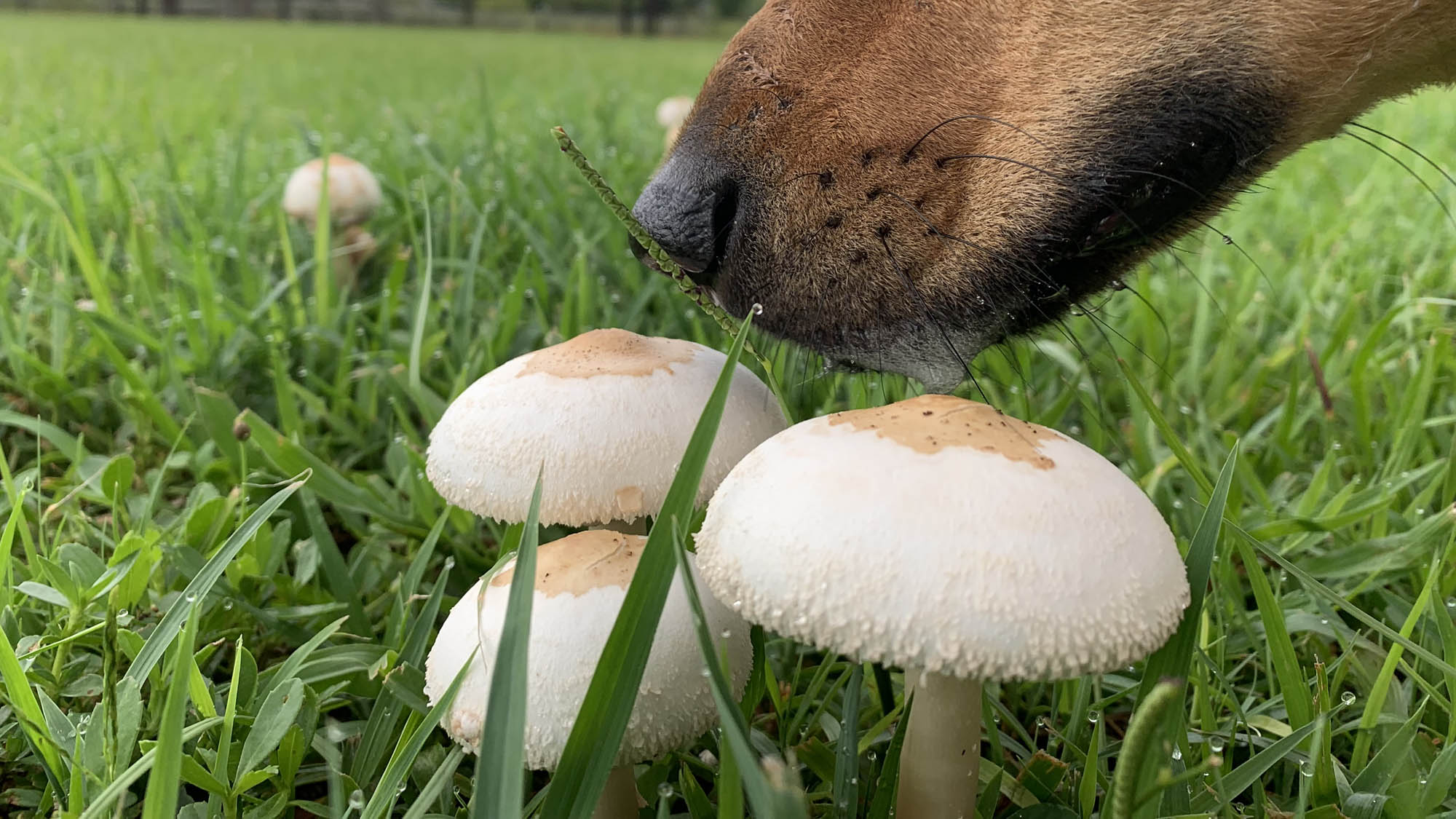
Image Source: homegrown.extension.ncsu.edu
Fathoming the Factors: What Makes Mushrooms Appear?
Several conditions encourage the growth of mushrooms in your lawn. It’s not just about water; it’s a combination of moisture, food sources, and sometimes even soil type.
The Role of Moisture
Mushrooms, like all fungi, need moisture to grow and reproduce.
- Rainfall and Irrigation: Heavy rain or over-watering can create the damp conditions that fungi thrive in. Even consistent dew can be enough.
- Humidity: High humidity in the air can also contribute to surface moisture, encouraging fruiting.
- Wet Lawn Mushrooms: Lawns that stay wet for extended periods are prime spots for mushroom growth. Poor drainage exacerbates this issue, keeping the soil consistently moist.
Food Sources for Fungal Growth
Mushrooms are nature’s recyclers, and they require organic matter to survive.
- Lawn Decomposition: The primary food source for lawn fungi is decaying organic material. This includes thatch (dead grass blades and roots), fallen leaves, dead plant roots, and any buried wood or organic debris.
- Nutrient Rich Soil Mushrooms: Areas with nutrient-rich soil, especially those with a good amount of organic matter, can support more fungal activity. This might include areas where compost was used or where grass clippings are left to decompose.
- Buried Debris: Sometimes, mushrooms emerge from buried materials like old tree stumps, roots, or even construction debris that contains organic matter.
Soil Conditions and Structure
The environment beneath the soil surface plays a crucial role.
- Thatch Buildup: A thick layer of thatch can hold moisture and provide a food source for fungi.
- Soil Compaction: Compacted soil can lead to poor drainage, making the upper layers consistently damp, which favors fungal growth.
- Soil pH: While not a primary driver, some fungi prefer slightly acidic or alkaline conditions. However, moisture and food are far more significant factors.
Beneficial Lawn Fungi
It’s important to remember that not all fungal growth in grass is detrimental. In fact, many fungi are beneficial lawn fungi. These fungi form symbiotic relationships with grass roots (mycorrhizae), helping plants absorb nutrients and water more efficiently. The mushrooms you see are simply the reproductive structures of these underlying beneficial networks.
Identifying Lawn Mushrooms: What Am I Looking At?
While it’s not always necessary to identify every mushroom, knowing the common types can be helpful. However, it’s crucial to be cautious; some mushrooms are poisonous if ingested. Identifying lawn mushrooms primarily involves observing their appearance and where they grow.
Common Mushroom Types Found in Lawns
- Inky Caps (Coprinus spp.): These often appear in clusters, especially after rain. They are known for their caps that dissolve into a black, inky liquid as they mature. They are typically short-lived.
- Field Mushrooms (Agaricus campestris): These are edible and resemble cultivated mushrooms but grow wild. They have pink gills that darken with age.
- Puffballs (Lycoperdon spp.): These are round or pear-shaped and release spores like dust when disturbed or mature. Young, white puffballs are often edible.
- Earthballs (Scleroderma spp.): These are similar to puffballs but have a dark, powdery interior, making them inedible and sometimes toxic.
The Mystery of Toadstools in Yard
The term “toadstools in yard” is often used interchangeably with mushrooms, particularly for those that are brightly colored or appear to be poisonous. The key difference is that “toadstool” is not a scientific classification but rather a common name given to any fungi with a cap and stem, often implying it’s not edible. Their presence still points back to the same underlying causes: moisture and decaying organic matter.
Fairy Rings Causes
One of the more distinctive fungal phenomena in lawns is the fairy rings causes. These are circular patterns of darker green grass, mushrooms, or both. They form when a fungal mycelium grows outwards from a central point, spreading underground.
- Mycelial Growth: The ring expands as the fungus consumes organic matter in the soil.
- Nutrient Release: As the fungus breaks down organic material, it releases nutrients that can stimulate grass growth, creating the darker green ring.
- Outer Edge: The mushrooms often appear at the outer edge of the ring, where the fungus is actively growing and consuming new food sources.
Addressing the Mushroom Menace: Solutions and Prevention
While mushrooms themselves don’t typically harm your lawn, they can be unsightly. More importantly, their presence can signal underlying issues like excessive thatch or poor drainage.
Cultural Practices for Mushroom Control
The most effective way to manage mushrooms is to address the conditions that promote their growth.
Moisture Management
- Improve Drainage: If your lawn holds water, identify the cause. This could be soil compaction, low spots, or a high water table. Aeration can help break up compacted soil. Topdressing with sand can improve drainage in clay soils.
- Water Wisely: Avoid over-watering. Water your lawn deeply but infrequently, allowing the soil surface to dry out between watering sessions. Water early in the morning so any excess moisture can evaporate during the day.
- Reduce Shading: Dense shade can keep the lawn damp for longer. Prune trees and shrubs to allow more sunlight and air circulation.
Thatch Management
- Dethatch Regularly: Use a dethatching rake or a mechanical dethatcher annually or bi-annually, especially if you notice a thick thatch layer (more than half an inch). This removes dead organic matter that fungi feed on.
- Proper Mowing: Avoid cutting grass too short, as this can stress the plant and increase thatch. Leave grass clippings on the lawn to decompose naturally, but only if the clippings are very fine and the thatch layer isn’t already excessive.
Nutrient Management
- Balanced Fertilization: Avoid over-fertilizing, as this can lead to excessive grass growth and thatch production. Use a slow-release fertilizer and follow recommended application rates.
- Remove Debris: Rake up fallen leaves and other organic debris promptly.
Physical Removal of Mushrooms
While not a long-term solution, you can physically remove mushrooms.
- Hand-Picking: Simply pick the mushrooms by hand or use a spade to dig them out, including the base. Dispose of them in a sealed bag to prevent spore dispersal.
- Mowing: Mowing your lawn will cut down existing mushrooms. However, this doesn’t address the underlying cause and the mycelium will continue to grow, producing more mushrooms.
Chemical Treatments (Use with Caution)
Chemical fungicides can be used, but they are often a last resort and may not be necessary.
- Fungicides: Garden fungicides can kill mushrooms. However, these often target specific types of fungi, and the problem might return if the underlying conditions aren’t corrected. Be aware that broad-spectrum fungicides can also harm beneficial fungi in your lawn.
- Application: Always follow product instructions carefully. Fungicides are most effective when applied to the affected areas.
Table 1: Lawn Mushroom Management Strategies
| Strategy | Description | Effectiveness | Considerations |
|---|---|---|---|
| Improve Drainage | Aerate compacted soil, address low spots, and ensure proper grading. | High (addresses root cause of moisture) | Can be labor-intensive; may require professional help for severe drainage issues. |
| Water Wisely | Water deeply but infrequently, allowing the soil to dry between waterings. Water in the morning. | High (reduces favorable moisture conditions) | Requires observation of soil moisture and weather patterns. |
| Dethatch | Remove accumulated dead organic matter from the lawn surface using a dethatching rake or machine. | High (removes food source) | Best done during the growing season; can be strenuous. |
| Remove Debris | Rake up leaves, grass clippings (if excessive), and other organic matter promptly. | Moderate (reduces surface food sources) | Routine task; easy to incorporate into lawn care. |
| Hand-Picking | Physically remove visible mushrooms. | Low (cosmetic; doesn’t address cause) | Satisfying for immediate visual improvement; requires persistence. |
| Mowing | Cut down visible mushrooms. | Low (cosmetic; doesn’t address cause) | Easy to do during regular mowing; requires frequent mowing if mushrooms are prolific. |
| Fungicides | Apply chemical fungicides to kill existing mushrooms and inhibit fungal growth. | Moderate to High (can be effective if targeted) | May harm beneficial fungi; requires careful selection and application; doesn’t solve underlying environmental issues. |
When Are Mushrooms a Sign of Trouble?
While generally harmless, a sudden, massive mushroom bloom could indicate a more significant issue.
- Underlying Disease: In rare cases, extensive fungal growth might be a symptom of a more serious lawn disease. If the mushrooms are accompanied by discolored or dying grass in large patches, it’s worth investigating further.
- Buried Organic Matter: The persistent reappearance of mushrooms in the same spot often points to buried organic material, such as an old tree stump or root system that hasn’t completely decomposed.
Frequently Asked Questions (FAQ)
Q1: Are mushrooms in my lawn dangerous for pets or children?
A1: While most lawn mushrooms are harmless, some species can be toxic if ingested. It’s best to discourage pets and children from eating any mushrooms found in the yard. If you suspect ingestion, contact a veterinarian or poison control center immediately.
Q2: Can I just ignore the mushrooms?
A2: You can ignore them if their appearance doesn’t bother you. They are usually a sign of a healthy soil ecosystem. However, if you want a pristine lawn, addressing the underlying causes of moisture and organic matter buildup will prevent them.
Q3: Will removing the mushrooms stop them from coming back?
A3: Removing the visible mushrooms will stop those specific mushrooms from spreading spores, but it won’t prevent new ones from growing from the underground mycelium if the conditions remain favorable. Long-term prevention involves managing moisture, thatch, and organic matter.
Q4: How can I tell if my lawn mushrooms are beneficial or harmful?
A4: The mushrooms themselves are just the fruiting bodies. The underlying mycelium is what’s important. Most fungi you see are decomposers, breaking down organic matter. Beneficial fungi, like mycorrhizae, also perform this role and help your grass. It’s very difficult to distinguish between them just by looking at the mushrooms. Focus on improving your lawn’s health overall, and beneficial fungi will thrive.
Q5: What about the “fairy rings” in my yard? Are they harmful?
A5: Fairy rings are a natural phenomenon caused by fungal growth. While the mushrooms at the outer edge can be unsightly, the darker green grass is often a sign of enhanced nutrient availability. The dead zone sometimes seen within older rings is due to the fungus depleting nutrients or producing toxins that inhibit grass growth. Managing thatch and ensuring good soil health can help mitigate the appearance of severe fairy rings.
By understanding the basic needs of fungi and implementing good lawn care practices, you can effectively manage mushroom growth and maintain a healthy, beautiful lawn.