
Seeing mushrooms popping up in your yard can be a common and sometimes puzzling occurrence. Yes, mushrooms growing in your yard are typically a sign of a healthy soil ecosystem, indicating the presence of fungi, which are essential decomposers. These fascinating growths often appear after periods of rain or increased moisture, transforming your lawn into a miniature landscape of earthy structures. While some lawn mushrooms are harmless or even beneficial, others can signal underlying issues or pose risks to pets and children. This guide will delve into the reasons behind mushroom growth in your yard, help you with lawn mushrooms identification, explore mushroom growth conditions, discuss common yard fungi, and guide you on what to do about them.
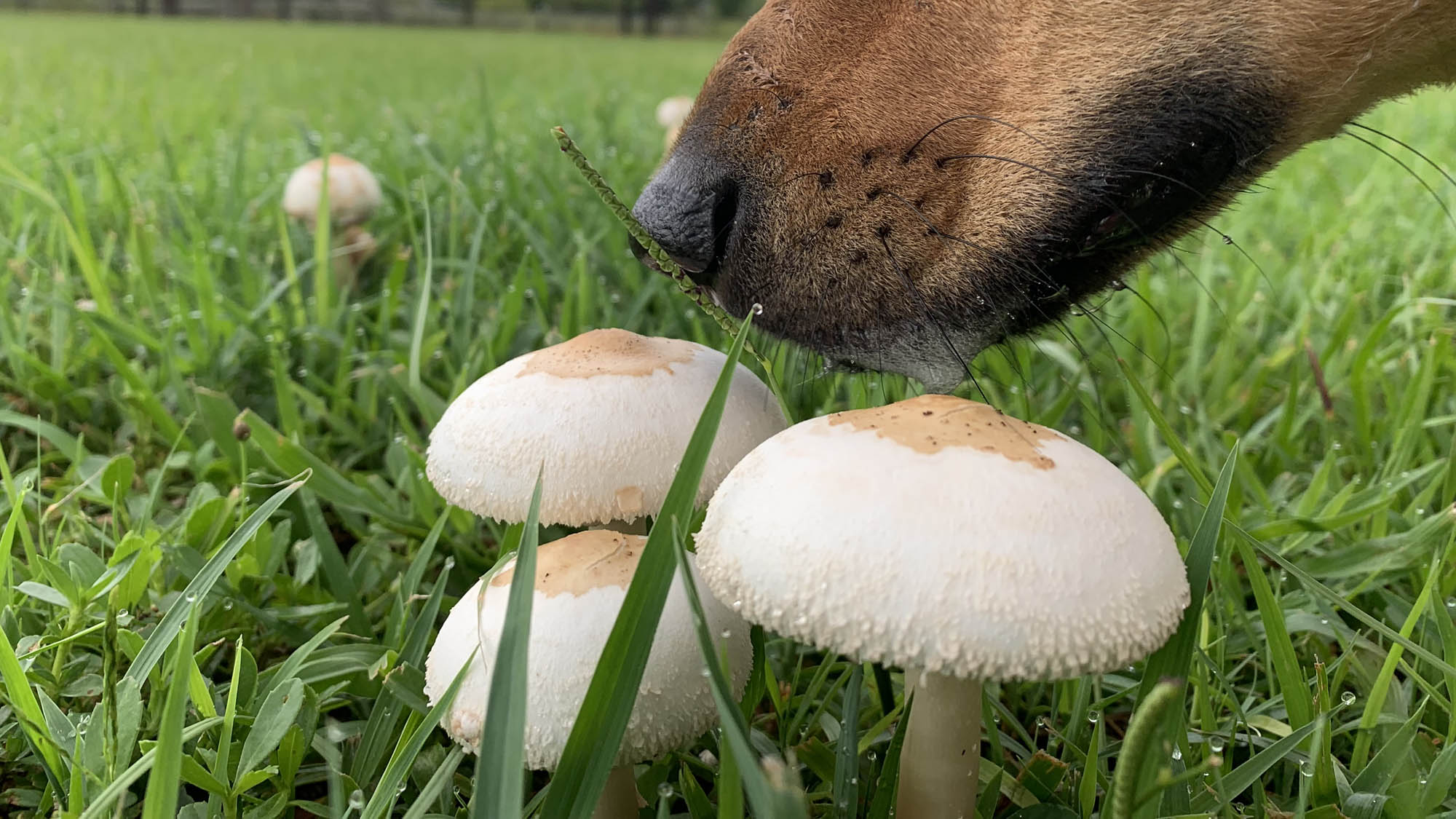
Image Source: homegrown.extension.ncsu.edu
Fathoming Mushroom Growth in Your Lawn
Mushrooms, the fruiting bodies of fungi, are nature’s way of recycling. Their appearance is a direct result of the tireless work of mycelium, the underground network of fungal threads. When the conditions are just right, the mycelium consolidates and produces these visible structures. The presence of fungi in lawn is not inherently bad; in fact, many are vital for breaking down organic matter, enriching the soil, and supporting plant life.
Mushroom Growth Conditions: What They Need to Thrive
Mushrooms are sensitive organisms with specific requirements for growth. Understanding these mushroom growth conditions is key to comprehending why they appear in your yard.
- Moisture: This is perhaps the most critical factor. Mushrooms need consistent moisture to develop. Heavy rainfall, overwatering, or even prolonged periods of dew can provide the necessary hydration. The mycelium draws water from the soil, and when saturated, it triggers the fruiting process.
- Organic Matter: Fungi are decomposers, meaning they feed on dead organic material. Your lawn is a prime buffet! This includes thatch (dead grass), fallen leaves, decaying wood, pet waste, and even dead plant roots. The more organic matter present, the more food available for the mycelium.
- Temperature: While many mushrooms can tolerate a range of temperatures, specific species have optimal temperature ranges for growth. Generally, warm and humid conditions are favorable for many common yard fungi.
- Soil pH: Some fungi prefer slightly acidic or alkaline soil conditions. While not always a primary driver, soil pH can influence which species of common yard fungi will flourish.
- Aeration and Compaction: Well-aerated soil can support a more robust fungal network. Conversely, compacted soil can sometimes create conditions where certain types of fungi thrive, especially those that can break down tougher organic materials.
The Role of Mushroom Spores in Soil
You might wonder how mushrooms appear seemingly out of nowhere. The answer lies in mushroom spores in soil. These microscopic particles are the reproductive units of fungi, akin to seeds for plants. They are ubiquitous in the environment, carried by wind, water, animals, and even on our shoes. Once deposited into your soil, they remain dormant until the right conditions trigger their germination and the growth of mycelium. A healthy lawn with ample organic matter and suitable moisture will inevitably harbor a significant population of these spores, increasing the likelihood of mushroom sightings.
Common Yard Fungi: A Closer Look at What You’re Seeing
Your yard could be home to a variety of fungal species. Identifying lawn mushrooms is important for determining if they pose any risks. Here are some of the most common types you might encounter:
Identifying Lawn Mushrooms: What to Look For
Successfully identifying lawn mushrooms involves observing several key characteristics. It’s a process that can be aided by good photography and detailed descriptions.
- Cap Shape and Size: Is it conical, bell-shaped, flat, or convex? What is its diameter?
- Cap Color and Texture: Is it smooth, scaly, sticky, or dry? What color is it, and does it change with age or moisture?
- Gills or Pores: Most mushrooms have gills on the underside of their caps. Note their color, spacing (crowded or distant), and how they attach to the stem. Some fungi have pores instead of gills.
- Stem (Stipe): Is there a stem? What is its length, thickness, color, and texture? Does it have a ring (annulus) or a volva (a cup-like structure at the base)?
- Spore Print: This is a more advanced technique where you place the cap on paper to collect spores. The color of the spore print is a crucial identification characteristic.
- Odor: Some mushrooms have distinctive smells, like anise or even unpleasant odors.
- Habitat: Where exactly in the yard is it growing? In the open lawn, under trees, near decaying wood?
Table: Common Yard Fungi and Their Characteristics
| Mushroom Type (Common Name) | Typical Appearance | Habitat | Notes |
|---|---|---|---|
| Fairy Rings | A ring of mushrooms, often appearing in a circle or arc. | Grass, often in lawns and pastures. | Caused by underground mycelium spreading outwards. The grass within the ring may be greener or drier. |
| Ink Caps | White to gray mushrooms with cone-shaped caps that liquefy into an inky fluid. | Lawns, gardens, compost piles. | Edible when young, but liquefy rapidly, making them difficult to harvest and consume. |
| Puffballs | Spherical or pear-shaped mushrooms with no visible gills. | Lawns, fields, woodlands. | Edible and safe when young and white inside. Turn yellow or brown and develop spores as they mature. |
| Coprinus | Similar to Ink Caps, also liquefy into an inky mass. | Lawns, meadows, often on decaying organic matter. | Some species can cause adverse reactions if consumed with alcohol. |
| Shaggy Mane | Tall, white, cylindrical mushrooms with shaggy scales that loosen and fall off. | Lawns, fields, disturbed soil, often in groups. | Edible and delicious when young, before they start to deliquesce (liquefy). |
| Horse Mushroom | Large, white to tan, convex caps with pink gills that turn brown with age. | Pastures, lawns, compost piles, manure. | Edible and commonly cultivated. Can be mistaken for poisonous species if not identified carefully. |
| Amanita (various) | Highly variable, but many poisonous species have white gills, a ring on the stem, and a volva at the base. | Woodlands, lawns, often near trees. | Crucially important to identify correctly. Many Amanita species are highly toxic. Avoid if unsure. |
Mushroom Causes in Yard: Why Now?
Several factors can contribute to an increase in mushroom causes in yard:
- Recent Rainfall: After a dry spell, a good soaking rain can trigger a widespread emergence of mushrooms. The mycelium has been present, waiting for the right moisture levels.
- Thatch Buildup: A thick layer of thatch provides both food and a moist environment for fungal growth. If you haven’t dethatched your lawn recently, it might be contributing.
- Decomposing Organic Matter: New garden beds, compost piles, or even fallen trees and branches that haven’t been removed can become breeding grounds for fungi.
- Animal Waste: Pet droppings can provide concentrated nutrients that promote mushroom growth.
- Shade and Moisture Retention: Areas of your yard that are consistently shaded and retain moisture longer than sunny spots will be more prone to mushroom development.
Beneficial Lawn Mushrooms vs. Harmful Lawn Mushrooms
It’s essential to differentiate between the types of beneficial lawn mushrooms and those that might be harmful lawn mushrooms.
Beneficial Lawn Mushrooms: Nature’s Clean-Up Crew
Many mushrooms play a crucial role in a healthy lawn ecosystem.
- Decomposition: As mentioned, fungi are nature’s primary decomposers. They break down dead organic matter, releasing nutrients back into the soil that plants can use. This process is vital for soil health.
- Mycorrhizal Fungi: Some fungi form symbiotic relationships with grass roots. The fungi extend the plant’s root system, helping it absorb water and nutrients more efficiently. In return, the fungi receive sugars from the grass.
- Soil Aeration: The underground network of mycelium can help to aerate the soil as it grows and decomposes organic material.
Harmful Lawn Mushrooms: What to Watch For
While most yard mushrooms are benign, some pose risks:
- Toxicity to Pets and Children: The most significant concern is that some mushrooms are poisonous if ingested. Dogs and children are particularly at risk due to their curiosity and tendency to sample things from the ground. Symptoms of mushroom poisoning can range from mild gastrointestinal upset to severe organ damage or even death.
- Indicator of Underlying Problems: While not directly harmful, an excessive proliferation of certain types of mushrooms can sometimes indicate poor drainage, excessive thatch, or overwatering, which can weaken your grass.
- Aesthetic Concerns: For some, mushrooms detract from the manicured appearance of a lawn.
Crucially, if you have children or pets, it is best to err on the side of caution. Do not allow them to play in areas where mushrooms are present, and remove any mushrooms you can identify as potentially toxic.
Removing Yard Mushrooms: Strategies for Control
If you’ve decided you want to remove mushrooms from your yard, you have several options. The most effective approach often involves addressing the underlying conditions that promote their growth.
Methods for Removing Yard Mushrooms
- Manual Removal: The simplest method is to physically remove the mushrooms as soon as you see them. This prevents them from releasing more mushroom spores in soil and helps manage their appearance. Wear gloves, as some people can have skin reactions to certain fungi. You can then dispose of them in a sealed bag.
- Improve Drainage: If your yard tends to stay waterlogged, improving drainage is key. Aerating the soil and addressing any low spots that collect water can significantly reduce moisture levels favorable to mushrooms.
- Reduce Thatch: Regularly dethatch your lawn to remove the buildup of dead grass. This removes a primary food source and moisture-retaining layer for fungi. Aim to dethatch when the grass is actively growing.
- Watering Practices: Ensure you are watering your lawn appropriately. Deep, infrequent watering encourages deeper root growth and can help dry out the surface between waterings, making it less hospitable for mushrooms. Avoid overwatering.
- Remove Organic Debris: Rake up fallen leaves, grass clippings, and any other decaying organic matter promptly. If you have dead trees or stumps, consider removing them, as they are prime habitats for many types of fungi.
- Sunlight: Trim back overhanging branches or shrubs that cast excessive shade on your lawn, allowing more sunlight to reach the grass and dry the soil surface.
- Nitrogen Fertilizers: Applying a nitrogen-rich fertilizer can sometimes help the grass grow more vigorously, outcompeting the fungi and masking the appearance of mushrooms. However, this is not a direct mushroom killer.
Addressing Fairy Rings
Fairy rings are a common sight and can be challenging to eliminate completely.
- Watering and Fertilizing: Often, vigorous watering and fertilization of the entire lawn can help disguise the appearance of fairy rings, as the grass within the ring grows more consistently.
- Breaking the Ring: For stubborn rings, you can try to break the mycelial network by spiking the soil within the ring with a garden fork or aerator. Then, lightly water the area. This disrupts the circular growth pattern.
- Top-Dressing: Adding a layer of compost or topsoil and re-seeding can sometimes help integrate the area into the rest of the lawn.
Lawn Mushrooms Identification: When to Be Concerned
While most mushroom growth is a sign of a healthy environment, there are times when you should be particularly vigilant with lawn mushrooms identification.
Signs of Potentially Harmful Fungi
- Bright Colors: While not a definitive rule, some of the most toxic mushrooms display vivid colors, such as bright reds, oranges, or yellows.
- Unpleasant Odors: A foul smell can sometimes indicate toxicity.
- Presence of a Ring and Volva: As mentioned with the Amanita genus, a ring on the stem and a cup-like structure at the base of the stem can be indicators of dangerous species.
- Growing on Decaying Wood: Many poisonous mushrooms are associated with decaying wood.
If you suspect you have encountered a poisonous mushroom, do not touch it. Take a clear photograph from multiple angles and consult with a local extension office or a mycologist for accurate identification. Never taste a wild mushroom to identify it.
Frequently Asked Questions (FAQ)
Q1: Are all mushrooms in my yard poisonous?
No, not all mushrooms are poisonous. In fact, many are harmless or even beneficial decomposers that contribute to soil health. However, it’s crucial to be cautious, as some species are highly toxic.
Q2: Can I eat the mushrooms growing in my yard?
It is generally not recommended to eat mushrooms found growing in your yard unless you are an expert mycologist and can positively identify them as edible and safe. Many poisonous mushrooms can resemble edible ones, and accidental poisoning is a serious risk.
Q3: How do I get rid of mushrooms permanently?
Mushrooms are part of the natural fungal life cycle. You can manage their appearance by addressing the mushroom growth conditions that favor them, such as improving drainage, reducing thatch, and removing excess organic matter. Permanent eradication is unlikely and often unnecessary if the fungi are not harmful.
Q4: Why do mushrooms grow in circles?
Mushrooms growing in circles are known as “fairy rings.” They are caused by the underground mycelium spreading outwards from a central point. As the mycelium grows, it consumes nutrients in the soil, which can lead to a ring of stimulated grass growth or, conversely, stressed grass where the nutrients are depleted.
Q5: What should I do if my pet eats a mushroom from the yard?
If you suspect your pet has eaten a mushroom from your yard, contact your veterinarian or a pet poison control center immediately. Try to get a clear picture of the mushroom if possible, as this can aid in treatment.
Q6: Is it okay to leave mushrooms in my yard?
It is generally okay to leave mushrooms in your yard if they are not toxic and you are not concerned about their appearance. They play a beneficial role in decomposing organic matter and enriching the soil. However, if you have children or pets, it’s wise to remove any mushrooms that could be mistaken for edible ones or are known to be poisonous.
By taking the time to observe your yard and identify lawn mushrooms, you can better appreciate the natural processes at play and take appropriate action if necessary. Remember, a healthy lawn often includes a diverse ecosystem, and fungi are a vital part of that.