
A lawn mower smoking can be a concerning sight, but what exactly causes this issue? Lawn mowers typically smoke due to a few main reasons: burning oil, an engine overheating, incorrect fuel mixture, or issues with the carburetor or exhaust system.
Seeing smoke puff out from your lawn mower can be alarming, but don’t panic just yet. This common problem often has straightforward explanations and solutions. Whether you’re dealing with a puff of white, a cloud of blue, or a plume of black smoke, each color often points to a different underlying cause. This guide will help you decipher what’s going on with your mower and how to fix it.
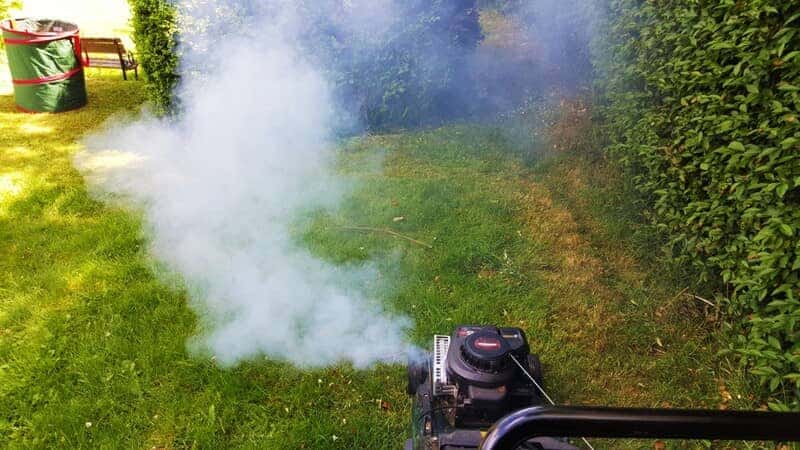
Image Source: lawn.com.au
Deciphering the Smoke Colors: What They Mean
The color of the smoke coming from your lawn mower is your first clue to diagnosing the problem. Different colors indicate different issues happening within the engine.
White Smoke: A Closer Look
White smoke, often described as steam-like, usually means water or condensation is burning in the combustion chamber. This can happen for several reasons:
- Condensation Buildup: If your mower has been sitting for a while, especially in humid conditions, moisture can get into the engine and exhaust system. When you start it up, this moisture turns to steam and comes out as white smoke.
- Blown Head Gasket: This is a more serious issue. A head gasket seals the cylinder head to the engine block. If it fails, coolant can leak into the combustion chamber, burning and producing white smoke. You might also notice a loss of power or a sweet smell from the exhaust.
- Cracked Engine Block or Cylinder Head: Similar to a blown head gasket, cracks can allow coolant to enter the combustion area. This is a significant internal engine problem.
Troubleshooting White Smoke:
- Run the mower: For simple condensation, running the mower at full throttle for 10-15 minutes can often burn off the moisture.
- Check oil and coolant levels: Low oil might contribute to engine overheating, but white smoke is less likely to be purely from oil. If you suspect a coolant issue, check your coolant reservoir (if applicable) and look for any signs of leaks.
- Inspect the head gasket: This requires some mechanical skill. Look for oil or coolant mixing in the oil filler cap or reservoir. If you suspect a blown head gasket, it’s best to consult a repair manual or a professional.
Blue Smoke: The Scent of Burning Oil
Blue smoke is almost always a sign of burning oil. This occurs when oil gets into the combustion chamber and is burned along with the fuel.
- Overfilling the Oil: The most common culprit is adding too much oil. Excess oil can be forced past the piston rings and into the combustion cylinder.
- Worn Piston Rings: Over time, piston rings can wear down. These rings create a seal between the piston and the cylinder wall, preventing oil from entering the combustion chamber. When they wear out, oil can seep past.
- Worn Valve Seals: The valve stems also have seals to prevent oil from entering the combustion chamber from the valve train. If these seals degrade, oil can leak into the cylinder.
- Tilting the Mower Incorrectly: If you tilt your mower the wrong way when cleaning or storing it, oil can seep into the cylinder through the spark plug hole or carburetor. Always tilt the mower with the spark plug facing upwards.
- Crankcase Over-Pressurization: If the crankcase vent system is blocked, pressure can build up, forcing oil into the combustion chamber.
Troubleshooting Blue Smoke:
- Check the oil level: Ensure the oil level is within the recommended range on the dipstick. If it’s overfilled, drain the excess oil.
- Correct mowing conditions: Ensure you’re not tilting the mower improperly.
- Inspect piston rings and valve seals: If the oil level is correct and you still see blue smoke, especially after running for a while, it’s likely worn piston rings or valve seals. This usually requires professional repair.
- Clean the crankcase vent: Locate and clean the crankcase vent.
Black Smoke: The Sign of a Rich Fuel Mixture
Black smoke indicates that the engine is burning too much fuel and not enough air. This is often referred to as running “rich.”
- Clogged Air Filter: The most frequent cause of a rich fuel mixture is a dirty or clogged air filter. If the engine can’t get enough air, it compensates by adding more fuel.
- Carburetor Issues: Carburetor issues are a common cause of black smoke. The carburetor mixes fuel and air. If the jets are dirty, stuck, or improperly adjusted, it can lead to an incorrect fuel-air ratio.
- Choke Stuck On: If the choke remains partially or fully engaged, it restricts airflow, leading to a rich mixture.
- Faulty Fuel Injector (on fuel-injected mowers): A stuck or leaking fuel injector can deliver too much fuel.
- Engine Overheating (indirectly): While not a direct cause, engine overheating can sometimes cause the engine management system to enrich the fuel mixture to try and cool it down, leading to black smoke.
Troubleshooting Black Smoke:
- Clean or replace the air filter: This is the first and easiest step. Inspect the air filter regularly and clean or replace it as needed.
- Check the choke: Ensure the choke is fully disengaged after the engine has warmed up.
- Inspect and clean the carburetor: If cleaning the air filter doesn’t help, the carburetor may need cleaning or adjustment. Refer to your mower’s manual.
- Check for exhaust leaks: While less common for black smoke, significant exhaust leaks before the muffler can sometimes affect air-fuel mixture readings, though this is more typical on modern fuel-injected engines.
Fathoming Engine Overheating: A Common Culprit
Engine overheating is a critical issue that can lead to various problems, including smoking. When an engine gets too hot, components can warp, seals can fail, and oil can burn off.
Why Does an Engine Overheat?
- Low Oil Level: Oil not only lubricates but also cools engine parts. A low oil level reduces this cooling capacity.
- Blocked Cooling Fins (Air-Cooled Engines): Most lawn mower engines are air-cooled. They have fins on the engine block designed to dissipate heat. If these fins are clogged with grass clippings, dirt, or debris, the engine cannot cool itself effectively.
- Running the Mower Too Hard: Prolonged use in very hot weather, cutting very tall or wet grass, or going uphill can put excessive strain on the engine, leading to overheating.
- Ignition Timing Issues: Incorrect ignition timing can cause the engine to run hotter than it should.
- Lean Fuel Mixture: A lean mixture (too much air, not enough fuel) burns hotter.
Signs of Engine Overheating
- Smoke: As we’ve discussed, overheating can lead to various types of smoke, often blue or black, as oil or fuel burns incorrectly.
- Loss of Power: An overheating engine will often lose power.
- Knocking or Pinging Sounds: These sounds can indicate premature detonation, a sign of excessive heat.
- Excessive Heat: The engine block itself will feel unusually hot to the touch.
Troubleshooting Engine Overheating:
- Check Oil Levels: Always ensure your mower has the correct amount of oil.
- Clean Cooling Fins: Regularly clean the cooling fins on the engine block. Use compressed air or a brush to remove any debris.
- Adjust Mowing Conditions: Avoid cutting overly thick, wet grass or working the mower too hard for extended periods. Allow the engine to cool down if it feels excessively hot.
- Inspect Fuel Mixture: Ensure your mower isn’t running too lean (usually indicated by white or bluish smoke, but can contribute to heat).
- Professional Inspection: If you suspect timing issues or persistent overheating, it’s best to have a mechanic check the engine.
Fuel Mixture and Carburetor Conundrums
The correct fuel mixture is vital for your lawn mower to run smoothly and without smoke. Both too much fuel (rich) and too little fuel (lean) can cause problems. The carburetor issues are often at the heart of these mixture problems.
The Role of the Carburetor
The carburetor’s job is to mix gasoline with air in the correct proportion before it enters the engine’s combustion chamber.
- Dirty Carburetor: Over time, dirt, debris, and old fuel can clog the small passages and jets within the carburetor. This can lead to incorrect fuel flow.
- Improper Adjustment: Carburetors have adjustment screws for idle speed and fuel mixture. If these are not set correctly, the engine can run too rich or too lean.
- Cracked or Loose Fuel Lines: Leaks in fuel lines can disrupt the fuel flow and air intake, affecting the mixture.
- Float Bowl Issues: The float bowl in the carburetor maintains a consistent level of fuel. If the float or needle valve is faulty, it can cause flooding (too much fuel) or starvation (not enough fuel).
Fuel-Air Ratio Imbalances
- Rich Mixture (Too Much Fuel, Not Enough Air):
- Causes: Clogged air filter, choke stuck on, dirty carburetor jets, faulty fuel pump.
- Symptoms: Black smoke, rough idling, fouled spark plugs, poor acceleration, difficulty starting when hot.
- Lean Mixture (Too Much Air, Not Enough Fuel):
- Causes: Clogged fuel filter, dirty fuel jets in the carburetor, vacuum leaks, faulty fuel pump.
- Symptoms: White or bluish smoke (if oil is being drawn in due to high heat), engine surging or sputtering, loss of power, potential for engine overheating.
Troubleshooting Fuel Mixture and Carburetor:
- Clean the Air Filter: As mentioned, this is the easiest fix for a rich mixture.
- Check the Choke: Ensure it’s fully off when the engine is warm.
- Clean the Carburetor: This often involves disassembling the carburetor, cleaning the jets and passages with carburetor cleaner, and reassembling it. It’s crucial to follow your mower’s service manual.
- Inspect Fuel Lines and Filters: Check for leaks and replace fuel filters as part of regular maintenance.
- Adjust Carburetor: If your carburetor has adjustment screws, you can try making minor adjustments, but it’s best to have a manual or consult a professional for proper settings.
Exhaust Leaks: More Than Just Noise
While exhaust leaks are often associated with increased noise, they can sometimes contribute to smoking issues, particularly on more modern mowers with emission control systems.
How Exhaust Leaks Cause Smoke
- Altered Air-Fuel Ratio Sensing: On fuel-injected engines, sensors in the exhaust system (like oxygen sensors) provide feedback to the engine control unit (ECU) about the combustion process. An exhaust leak before these sensors can introduce unmetered air, fooling the ECU into thinking the mixture is lean, causing it to inject more fuel. This can lead to a richer mixture and black smoke.
- Heat and Oil: In some cases, an exhaust leak can cause localized hot spots. If oil is leaking onto the exhaust manifold or pipe from another issue (like a faulty gasket), it can burn off and produce smoke.
- Internal Engine Damage Indicators: Significant exhaust leaks can sometimes be a symptom of more serious internal engine damage, which might also lead to smoking.
Troubleshooting Exhaust Leaks:
- Visual Inspection: Look for obvious signs of damage or cracks in the exhaust manifold, pipe, and muffler. Check for black soot around joints, which can indicate a leak.
- Listen for Leaks: A loud, puffing sound from the exhaust system, especially near the engine, can indicate a leak.
- Check Gaskets and Connections: Ensure all exhaust system gaskets and connections are secure and not damaged.
- Professional Repair: Replacing exhaust components or welding cracks often requires specialized tools and knowledge.
Other Considerations: Piston Rings and Mowing Conditions
Beyond the immediate culprits, some underlying mechanical issues and even the way you use your mower can contribute to smoking.
Worn Piston Rings and Compression Issues
As mentioned under blue smoke, worn piston rings are a significant cause of oil consumption and blue smoke.
- Function of Piston Rings: Piston rings have three main jobs:
- Seal the combustion chamber to maintain compression.
- Transfer heat from the piston to the cylinder wall.
- Regulate oil consumption by scraping excess oil from the cylinder walls.
- Consequences of Wear: When piston rings wear out, they lose their ability to seal the combustion chamber effectively. This allows combustion gases to blow past the piston (blow-by), and crucially, it allows oil from the crankcase to enter the combustion chamber. This leads to oil burning and blue smoke.
- Diagnosis: Significant blue smoke, especially under load or after the engine has warmed up, is a strong indicator of worn piston rings. A compression test can confirm this issue.
Addressing Piston Ring Wear:
- This is a mechanical failure that typically requires rebuilding or replacing the engine. It’s often more cost-effective to replace the mower if the engine is older.
The Impact of Mowing Conditions
The environment and how you mow can also influence whether your mower smokes.
- Tall or Wet Grass: Cutting tall, thick, or wet grass puts a much heavier load on the engine. This can lead to engine overheating, which in turn can cause oil to break down and burn, or the engine management system (if applicable) to run a richer mixture, resulting in smoke.
- Incline Mowing: Mowing on steep slopes can cause oil to shift within the engine, potentially entering the combustion chamber through the crankcase breather or if the engine is tilted incorrectly. Always check your owner’s manual for recommended mowing angles.
- Dusty or Dirty Environments: A very dusty environment can clog the air filter more quickly, leading to a rich mixture and black smoke. It can also clog cooling fins, contributing to overheating.
Optimizing Mowing Conditions:
- Cut grass regularly: Avoid letting it get too tall before mowing.
- Mow when dry: Wet grass puts more strain on the engine.
- Respect your mower’s limits: Don’t force it to work in conditions that are too demanding.
- Regular Cleaning: Keep the mower clean, especially the cooling fins and air intake.
Maintenance: The Key to Preventing Smoke
Regular and proper maintenance is the best defense against most smoking issues.
Essential Maintenance Checks
- Oil Level: Check and top up oil as needed, ensuring you don’t overfill.
- Air Filter: Clean or replace the air filter regularly according to the manufacturer’s recommendations.
- Spark Plug: Keep the spark plug clean and in good condition. A fouled plug can affect combustion.
- Fuel System: Use fresh fuel. Consider a fuel stabilizer if you store fuel for long periods. Clean or replace fuel filters as needed.
- Cooling Fins: Clean the cooling fins on the engine block before each use or as needed.
- General Cleaning: Keep the entire mower clean, removing grass clippings and debris.
When to Seek Professional Help
While many minor smoking issues can be resolved with simple troubleshooting, some problems require expert attention.
- Persistent Blue Smoke: If you’ve checked the oil level and corrected any tilting issues and still see blue smoke, it strongly suggests worn piston rings or valve seals, which need professional repair.
- Internal Engine Damage: If you suspect a blown head gasket, cracked engine block, or significant internal wear, it’s time to consult a qualified small engine mechanic.
- Complex Carburetor Issues: While basic cleaning can be done at home, complex adjustments or repairs to the carburetor might be best left to the professionals.
- Overheating Despite Cleaning: If your mower continues to overheat even after you’ve cleaned the cooling fins and ensured proper oil levels, there might be a more serious internal problem.
By regularly maintaining your lawn mower and knowing how to diagnose common smoking issues, you can keep your machine running smoothly and efficiently for years to come.
Frequently Asked Questions (FAQ)
Q1: Can I still mow my lawn if my mower is smoking?
A1: It depends on the color and severity of the smoke. Light white smoke from condensation might be okay to continue mowing for a short period to burn it off. However, if you see blue smoke (burning oil) or black smoke (rich fuel mixture), it’s best to stop immediately. Continued operation can cause further engine damage, leading to more costly repairs.
Q2: How often should I check my lawn mower’s oil?
A2: You should check your lawn mower’s oil level before each use, or at least every 5-10 hours of operation. It’s a quick check that can prevent serious engine damage from low oil levels.
Q3: What kind of oil should I use in my lawn mower?
A3: Always refer to your lawn mower’s owner’s manual for the recommended oil type and viscosity. Most small engines use SAE 30 or SAE 10W-30 motor oil, but it’s crucial to use the specific grade recommended by the manufacturer for optimal performance and longevity.
Q4: My mower smokes a little when I first start it, but it stops after a minute. Is this normal?
A4: A small amount of white or light blue smoke when first starting, especially in cooler weather, can be normal due to condensation or a bit of oil residue in the cylinder from sitting. If it clears up quickly and doesn’t return, it’s usually not a cause for concern. However, if the smoke persists, gets worse, or is dark (black), you should investigate further.
Q5: I accidentally put car gas in my lawn mower. Will this cause smoke?
A5: Most modern car gasoline contains ethanol, which can be problematic for small engines that are not designed to handle it. Ethanol can absorb moisture and cause corrosion in fuel lines and the carburetor. While it might not immediately cause smoke, it can lead to fuel system issues over time, potentially resulting in rich or lean mixtures and subsequent smoking. It’s best to drain the tank and carburetor and refill with the correct fuel (unleaded gasoline with a low ethanol content, ideally <10%).
Q6: Can a dirty spark plug cause my mower to smoke?
A6: A dirty or fouled spark plug can lead to poor combustion, causing the engine to run rough and potentially overheat. While not a direct cause of smoke, poor combustion can contribute to a richer fuel mixture, leading to black smoke. It’s a good idea to check and clean or replace your spark plug as part of routine maintenance.