
Can you hang a bar of soap in your yard to keep animals away? Yes, many people use bars of soap as a natural pest control method. It’s a surprisingly effective, low-cost way to prevent animal damage in your garden and around your home. This tried-and-true method acts as an animal deterrent, specifically a deer repellent and a way to deter squirrels and deter rabbits, among others. This post will delve into the science, the methods, and the surprising effectiveness of this simple, yet powerful, gardening trick.
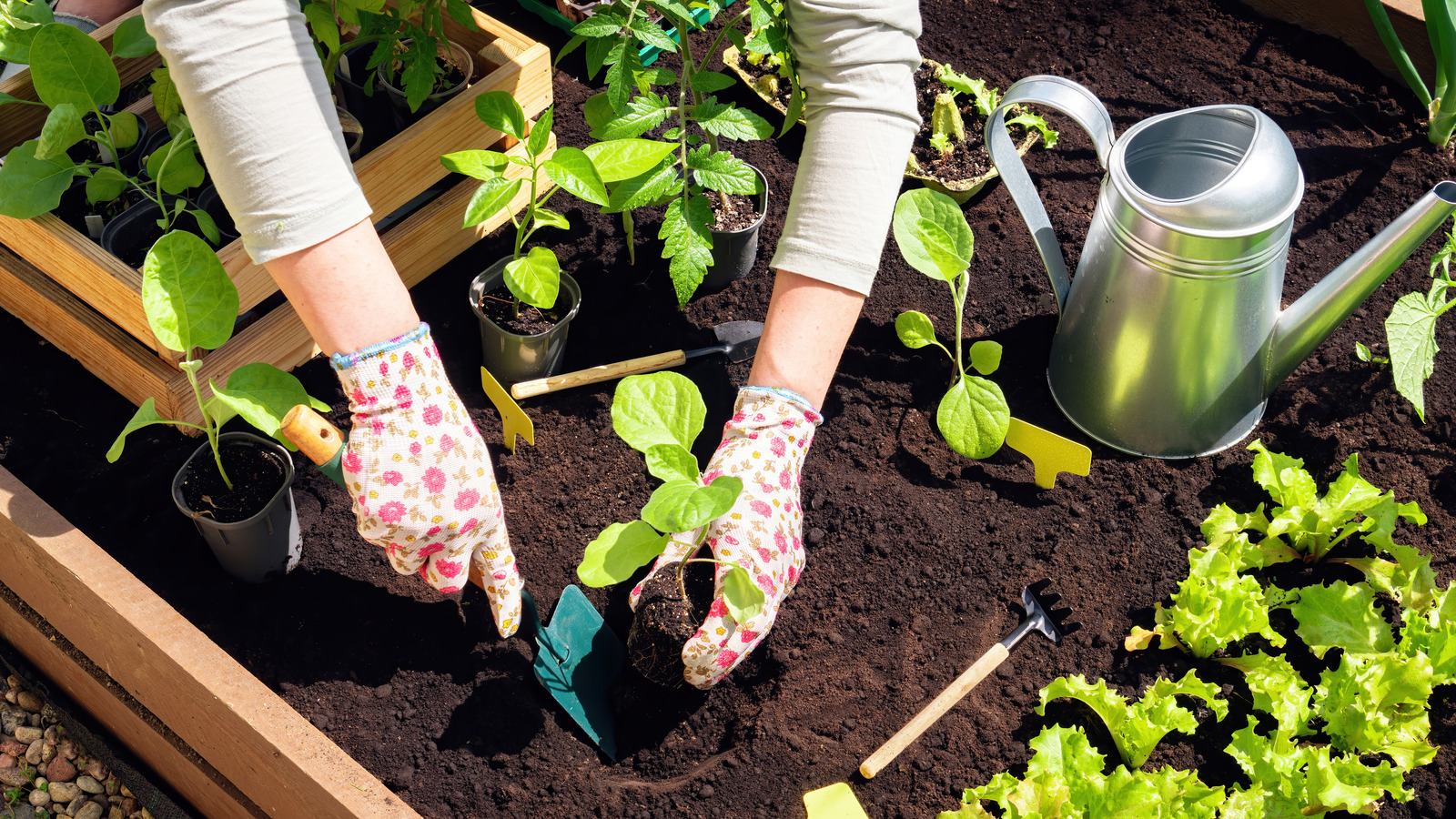
Image Source: www.housedigest.com
The Scent Barrier: How Soap Repels
The core principle behind hanging soap in your yard is scent. Many animals, particularly herbivores like deer, rabbits, and even some smaller critters like rodents, have sensitive noses. They rely heavily on smell to find food sources and to navigate their environment. When you introduce a strong, unfamiliar scent like that of certain soaps, it can create a “scent barrier” that makes your plants less appealing or even frightening to them.
Why Certain Scents Work
- Strong Perfumes: Many commercially available soaps, especially those with strong floral or herbal scents (like lavender, peppermint, or citrus), contain oils and fragrance compounds that animals find off-putting. These scents can mimic predator smells or simply be too overwhelming for their sensitive noses.
- Fatty Acids: The fatty acids in soap, particularly saponified animal fats, can also play a role. Some animals are repelled by the smell of animal fat, perhaps associating it with predators or simply finding it unpleasant. This makes certain types of soap, like tallow-based bars, particularly effective.
- Texture and Taste: While the primary mechanism is scent, a slight oily residue left by the soap could also make plants taste unpleasant to browsing animals, further discouraging them from eating your prized possessions.
Which Soaps are Best?
It’s not just any bar of soap. Research and anecdotal evidence point to specific types being more effective:
- Bar Soaps with Strong Scents: Look for soaps with added essential oils or strong natural fragrances. Lavender, peppermint, citronella, and citrus scents are frequently recommended.
- Tallow-Based Soaps: Soaps made with animal fats are often cited as being particularly effective. The scent of animal fat can be a deterrent in itself for many species.
- Avoid Mild or Unscented Soaps: These are unlikely to have a strong enough scent to create a deterrent barrier.
Table 1: Recommended Soap Types for Animal Deterrence
| Soap Type | Primary Deterrent | Notes |
|---|---|---|
| Lavender Scented | Scent | Pleasant for humans, often unpleasant for deer and other mammals. |
| Peppermint Scented | Scent | Strong, invigorating scent that can confuse or repel animals. |
| Citrus Scented | Scent | The oils in citrus can be a strong repellent for many pests. |
| Tallow-Based | Scent, Fat | The natural animal fat content can be a strong deterrent for certain animals. |
| Citronella Scented | Scent | Known for repelling insects, but also has some effect on larger mammals. |
| Garlic Scented | Scent | Strong, pungent odor that many animals dislike. |
Applying the Soap Strategy: Methods That Work
Hanging a bar of soap is a simple concept, but the execution matters. Here are the most common and effective ways to deploy your soap deterrents:
Method 1: The Classic Hanging Bar
This is the most straightforward approach.
- Prepare the Soap: Take a bar of soap and carefully poke a hole through the center. You can use a drill with a small bit, a skewer, or even a heated nail to make the hole. Ensure the hole is large enough to thread something through.
- Thread and Secure: Thread a sturdy string, twine, or wire through the hole. Tie a secure knot.
- Hang Strategically: Hang the soap bar from branches of trees or shrubs that are directly in the path of the animals or near the plants you want to protect. Space them out about every 10-15 feet for a continuous scent barrier.
- Tips for Hanging:
- Hang them at a height that is accessible to the animal’s nose. For deer, this might be around 4-5 feet off the ground. For smaller animals like rabbits, lower placement is key.
- Consider using multiple hanging points around your garden perimeter for maximum protection.
- Replace the soap bars periodically, especially after heavy rain, as the scent will wash away.
Method 2: Grating and Scattering
This method distributes the scent more widely, creating a broader repellent zone.
- Grate the Soap: Use a cheese grater to grate several bars of soap. Aim for coarse shreds rather than a fine powder.
- Scatter Around Plants: Sprinkle the soap shavings around the base of your plants, in pathways, or in areas where animals tend to travel.
- Tips for Grating:
- Wear gloves when grating, as some soaps can be irritating to the skin.
- Be careful not to pile the soap shavings too densely around plant stems, as this could potentially affect soil pH or cause issues for young plants.
- Reapply after rain or if you notice the scent fading.
Method 3: Soap “Bombs” or Satchels
This method allows for a more controlled release of scent and can be visually less obtrusive.
- Prepare the Soap: Grate or cut your soap into smaller pieces.
- Create a Pouch: Place the soap pieces inside a breathable fabric pouch, such as cheesecloth, old pantyhose, or a small muslin bag.
- Secure and Hang/Place: Tie the pouch securely and hang it from branches or place it near vulnerable plants.
- Tips for Satchels:
- Ensure the fabric is porous enough to allow the scent to escape.
- This method is excellent for targeted protection of specific plants or small garden beds.
What Animals Can You Deter?
The effectiveness of soap as an animal deterrent varies depending on the animal, the type of soap, and the environment. However, it’s commonly used to stop animals from eating plants for a range of common garden visitors:
- Deer: This is perhaps the most frequent target. Deer have sensitive noses and are known to dislike the strong scents of many soaps. Using them as a deer repellent is a popular strategy.
- Rabbits: Small and agile, rabbits can do significant damage to gardens. Soap can help deter rabbits by making the plants unappealing.
- Squirrels: While sometimes more interested in nuts, squirrels can also nibble on flowers and vegetables. Soap can help deter squirrels from your garden beds.
- Groundhogs and Woodchucks: Similar to rabbits, these burrowing animals can be deterred by strong scents.
- Cats: Some gardeners find that certain soap scents can deter cats from using their gardens as litter boxes.
- Insects: While primarily for larger animals, some soaps with strong essential oils (like citronella or peppermint) may also offer a degree of insect deterrence.
Table 2: Animals Deterred by Soap (Anecdotal Evidence)
| Animal Type | Primary Reason for Deterrence (Scent) | Effectiveness | Notes |
|---|---|---|---|
| Deer | Strong, unfamiliar scents | High | Often cited as the most effective use. |
| Rabbits | Unpleasant odors | Moderate | Can be effective when used consistently. |
| Squirrels | Repulsive fragrances | Moderate | May require more frequent reapplication. |
| Groundhogs | Strong smells | Moderate | Can help prevent burrowing near treated areas. |
| Cats | Certain essential oils/perfumes | Low to Moderate | Results can be inconsistent; other methods may be more reliable. |
The Science Behind Homemade Repellents
Beyond just hanging soap, the principle of using scent to deter pests is the foundation for many homemade repellents. Soap is just one readily available and inexpensive item that leverages this principle. Other natural repellents often rely on strong-smelling plants, essential oils, or even decomposed food items that animals find repulsive.
The beauty of homemade repellents like soap is that they are often biodegradable and pose less risk to beneficial insects, pets, and the environment compared to chemical pesticides. This aligns with a philosophy of natural pest control and creating a more harmonious garden ecosystem.
Why Choose Soap Over Other Methods?
While there are many outdoor pest solutions, soap offers several advantages:
- Cost-Effectiveness: Bars of soap are incredibly cheap compared to commercial repellents, especially when you consider the large areas that can be covered with a few bars.
- Accessibility: Soap is a common household item. You likely have some on hand, or it’s easy to find at any grocery store.
- Simplicity: There’s no complicated mixing or application required, making it an easy solution for busy gardeners.
- Environmental Friendliness: Biodegradable and generally non-toxic to humans and most wildlife, it’s a more eco-conscious choice.
- Multiple Uses: While we’re focusing on gardens, soap itself has countless other uses.
Potential Drawbacks and Considerations
While effective, this method isn’t foolproof.
- Rain Wash-Off: Heavy rain will wash away the scent and effectiveness, requiring frequent reapplication.
- Scent Degradation: Over time, the scent will naturally fade, especially in sunny or windy conditions.
- Animal Acclimation: If used continuously in the same way, some animals may eventually become accustomed to the scent and learn to ignore it. Rotating repellent methods or scents can help prevent this.
- Not a Barrier: Soap is a scent deterrent, not a physical barrier. If an animal is desperate for food, it might still attempt to cross the scent barrier.
- Visual Impact: Some people might find hanging soap bars aesthetically displeasing in their gardens.
Enhancing Effectiveness with Other Natural Deterrents
To maximize your success in preventing animal damage, consider combining soap with other natural methods.
- Garlic Spray: A strong-smelling spray made from garlic cloves steeped in water can complement the soap’s scent.
- Hot Pepper Spray: Capsaicin from hot peppers can irritate an animal’s mouth, making plants less palatable.
- Companion Planting: Certain plants like marigolds, nasturtiums, and rosemary are known to repel various pests due to their strong scents. Planting these around your vulnerable vegetables can create a multi-layered defense.
- Physical Barriers: For particularly vulnerable plants, consider using chicken wire cages or netting to create a physical barrier in addition to scent repellents.
Fathoming the Longevity of the Scent
The duration of a soap bar’s effectiveness is influenced by several environmental factors. On average, a bar of soap might last anywhere from a week to a month before needing replacement.
- Rainfall: This is the biggest factor. A downpour can significantly reduce the scent.
- Temperature and Humidity: Warmer, more humid conditions can sometimes enhance scent release, but excessive heat might also cause faster evaporation of essential oils.
- Wind: Wind can disperse the scent, making it less concentrated and potentially less effective, but it can also spread the scent further.
- Sunlight: Prolonged direct sunlight can degrade some of the fragrant compounds in the soap.
It’s a good practice to periodically smell your soap deterrents. If the scent is no longer strong, it’s time for a refresh.
Practical Implementation for Gardeners
When incorporating soap into your garden defense strategy, think about how it fits into your overall gardening approach.
- Observe Animal Traffic: Identify where animals are entering your yard and where they tend to graze. Place your soap deterrents along these pathways and near your most vulnerable plants.
- Rotate Your Methods: Don’t rely solely on soap. Mix it up with other natural repellents or techniques to keep animals guessing and prevent them from adapting.
- Consider the “Why”: Are you trying to deter deer from a large vegetable patch? Or rabbits from a delicate flower bed? Tailor your soap placement and quantity to the specific problem.
Frequently Asked Questions (FAQ)
Q1: Can I use liquid soap instead of bar soap?
A1: While liquid soaps contain soap ingredients, they are designed to be diluted with water. Applying concentrated liquid soap directly to plants could potentially harm them. It’s best to stick with solid bar soap for hanging or grating methods. Some people create a diluted liquid repellent spray, but this requires careful formulation to avoid plant damage.
Q2: Will the soap harm my soil or plants?
A2: In most cases, when used as directed (hanging bars or scattering moderate amounts of shavings), soap is unlikely to cause significant harm to your soil or plants. However, avoid piling large amounts of soap directly against plant stems, especially young seedlings, as excessive concentration could potentially affect soil pH or create an oily residue.
Q3: How often do I need to replace the soap bars?
A3: This depends heavily on the weather. After heavy rain, you’ll likely need to replace them sooner. In dry periods, they might last several weeks. A good rule of thumb is to check the scent. When it fades, it’s time to replace the bar.
Q4: What is the best time of year to use soap as a deterrent?
A4: You can use soap as a deterrent year-round, but it’s particularly effective during spring and summer when plants are actively growing and most attractive to foraging animals. It’s also useful in autumn when animals might be preparing for winter.
Q5: Can soap repel insects as well as larger animals?
A5: Some soaps, especially those containing strong essential oils like peppermint or citronella, may have a secondary effect on certain insects. However, it’s not a primary insect repellent and for serious insect problems, other dedicated natural pest control methods are usually more effective.
Q6: What if the animals start eating the soap?
A6: This is unlikely as animals are typically repelled by the scent before they would consider tasting or eating the soap. If you observe this, it might indicate the soap’s scent has degraded significantly or that you have a particularly bold animal.
By understanding the principles of scent deterrence and applying these simple methods, you can effectively use bars of soap to protect your garden and prevent common garden pests and animal damage without resorting to harsh chemicals. It’s a testament to how simple, everyday items can provide effective outdoor pest solutions and help you stop animals from eating plants.