
Mushrooms pop up in your yard because your soil likely has plenty of moisture, food sources for fungi, and favorable temperatures. These conditions are perfect for the spread of fungi in lawn and the fruiting bodies we recognize as mushrooms. While their appearance can be surprising, they are a natural part of a healthy ecosystem.
This in-depth guide will delve into the various mushroom causes yard might experience, helping you identify these fascinating organisms and manage their presence effectively. We’ll explore what makes mushrooms grow, the specific mushroom growth conditions they thrive in, and practical solutions for homeowners.
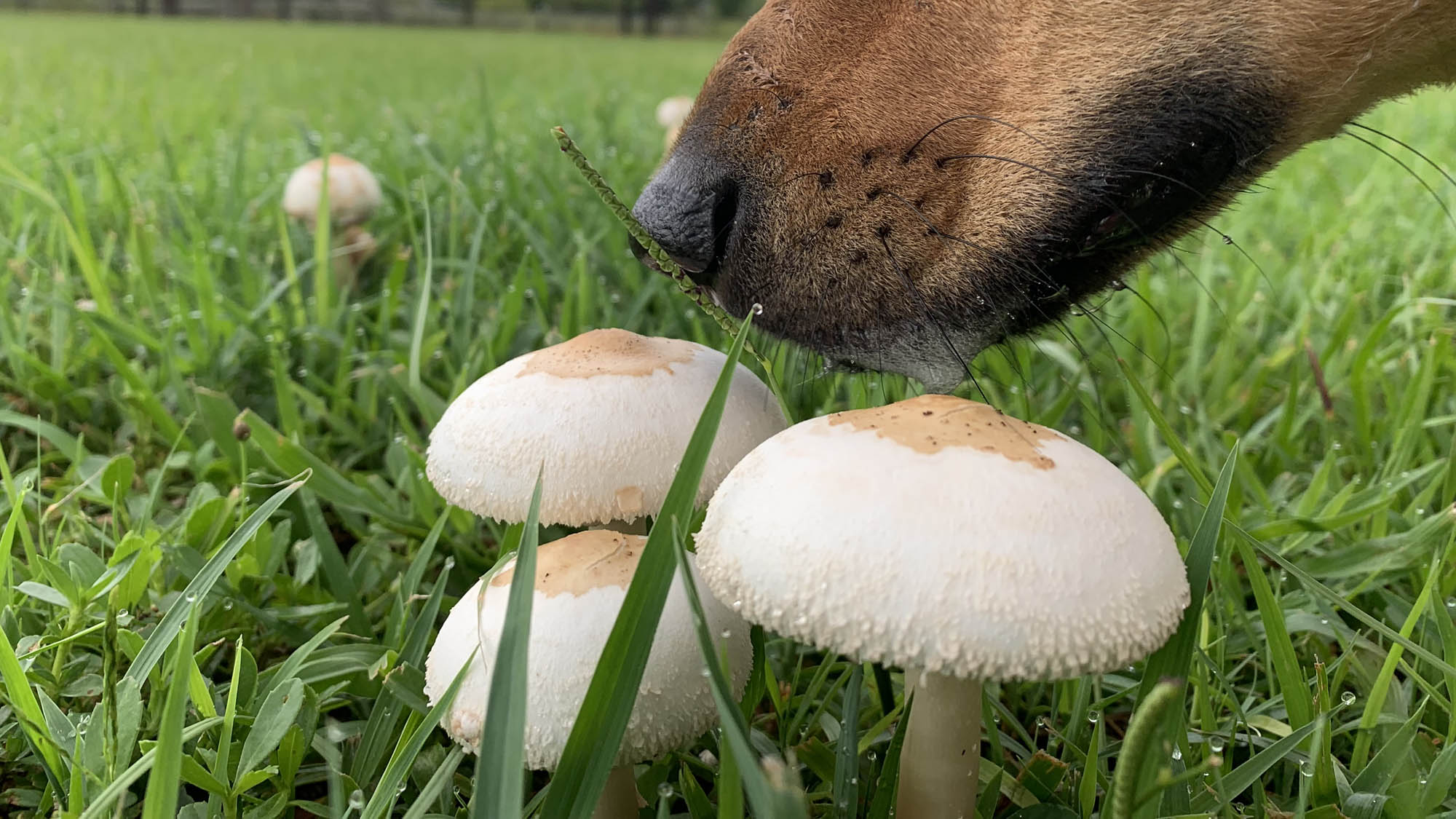
Image Source: homegrown.extension.ncsu.edu
Deciphering the Appearance of Yard Mushrooms
Seeing mushrooms dotting your lawn can be a bit of a mystery. These often colorful or earthy-toned growths are the reproductive structures of fungi. They emerge when the underlying fungal network, known as mycelium, has accumulated enough energy and nutrients. The common yard fungi we see are just the tip of the iceberg; beneath the surface, a vast network of mycelium is busily breaking down organic material.
Mushroom spots in grass are a common sight, particularly after periods of rain or heavy watering. These clusters or fairy rings are indicators of the mycelium’s activity.
Key Factors Triggering Mushroom Growth
Several environmental and soil conditions encourage mushroom development:
- Moisture: Fungi require significant moisture to thrive. Heavy rainfall, overwatering, or poor drainage can create the damp environment mushrooms need.
- Organic Matter: Mushrooms are decomposers. They feed on dead plant material, such as thatch, fallen leaves, and decaying roots.
- Temperature: While some fungi prefer cooler temperatures, many common yard mushrooms emerge during warmer, humid periods, typically in spring and fall.
- Aeration: Compacted soil can hinder air circulation, which can sometimes contribute to localized moisture buildup, benefiting fungal growth.
- Shade: Many types of fungi in lawn prefer shaded areas where moisture evaporates more slowly.
Common Causes for Mushrooms in Your Lawn
Let’s break down the most frequent reasons you’re finding mushrooms in your yard.
1. Excess Moisture and Poor Drainage
Lawn moisture and mushrooms are inextricably linked. Fungal mycelium thrives in consistently damp conditions.
- Heavy Rainfall: Natural rain patterns can saturate the soil, providing the necessary hydration for mushroom fruiting.
- Overwatering: Watering your lawn too frequently or for too long can create overly moist soil, especially if the grass is dense or the soil compacts easily.
- Poor Drainage: If your soil doesn’t drain well, water can pool on the surface or remain saturated for extended periods. This creates ideal conditions for fungi.
- Shady Areas: Spots under trees or on the north side of buildings often retain moisture longer, making them prime locations for mushrooms.
Identifying Drainage Issues
- Standing Water: Does water sit on your lawn for hours after rain or watering?
- Waterlogged Soil: Does the soil feel soggy and heavy, even days after watering?
- Moss Growth: Excessive moss can indicate consistently damp and often acidic soil conditions.
2. Abundant Decomposing Organic Matter
Mushrooms are nature’s recyclers, and they need fuel. This fuel comes in the form of decomposing organic matter yard waste.
- Thatch Buildup: Thatch is a layer of dead and living grass stems, roots, and other organic debris that accumulates on the soil surface beneath the green grass. A thick thatch layer can hold moisture and provides a food source for fungi.
- Fallen Leaves and Debris: Leaves left on the lawn, un-composted mulch, or buried woody material provide ample food for mycelium.
- Dead Tree Stumps or Roots: If there are any old tree stumps or buried roots, they are a smorgasbord for decomposition fungi, often leading to mushroom clusters around these areas.
- Animal Waste: While less common as a primary cause, droppings from pets or wild animals can also contribute organic matter that fungi utilize.
3. Soil Type and pH
While not the sole driver, soil type and pH can play a role in supporting fungal growth.
- Clay Soils: Clay soils tend to retain moisture longer, which can benefit fungi. They also can become compacted, reducing aeration.
- Acidic Soil: Some fungi, like fairy ring fungi, prefer slightly acidic soil conditions.
4. Aeration and Soil Compaction
Compacted soil can impede air and water movement, paradoxically creating pockets of moisture and low oxygen that favor certain fungi.
- Heavy Foot Traffic: Areas of your lawn that experience a lot of foot traffic can become compacted.
- Heavy Machinery: Using heavy equipment on your lawn can also lead to compaction.
Identifying Lawn Mushrooms
Knowing what you’re dealing with is crucial for effective management. Identifying lawn mushrooms can be challenging as there are thousands of fungal species. However, for most homeowners, the goal isn’t necessarily to identify the specific species but to recognize the general conditions that promote their growth.
Common Mushroom Growths in Lawns
- Fairy Rings: These are circular patterns of mushrooms or darker green, faster-growing grass. They indicate a vast underground mycelial network.
- Clusters: Mushrooms often grow in dense groups, especially around decaying organic matter like stumps.
- Individual Stalks: Some mushrooms might appear singly scattered across the lawn.
Table 1: Common Mushroom Appearance and Potential Causes
| Appearance | Likely Causes | Notes |
|---|---|---|
| Circular rings | Fairy ring fungi, often feeding on buried organic matter (wood, roots) | Can indicate an established mycelium that’s been present for years. |
| Dense clusters | High concentration of decomposing organic matter (e.g., buried wood, thatch) | Often seen around tree stumps or areas where organic debris has accumulated. |
| Scattered single | General soil conditions favoring fungal growth (moisture, organic material) | Can be any of the many saprophytic fungi common in soil. |
| White, cottony | Mycelium visible on the soil surface, indicating active growth | Usually precedes mushroom formation, often in damp, shady conditions. |
| Small, brown, cap | Very common, often appearing after rain, indicating ample food and moisture | Many species fall into this category; generally harmless decomposers. |
Safety First: Are They Poisonous?
It’s crucial to remember that while most yard mushrooms are harmless decomposers, some can be toxic. Never taste or ingest mushrooms found in your yard. If you have pets or young children, it’s best to remove any mushrooms that appear, regardless of their perceived toxicity. If you suspect a pet or child has ingested a mushroom, contact your veterinarian or a poison control center immediately.
What Makes Mushrooms Grow? The Science Behind It
Mushrooms are the fruiting bodies of fungi, which are living organisms made up of a network of thread-like structures called hyphae. The visible mushroom is like the apple on an apple tree; the main organism (the mycelium) lives underground or within the decaying matter.
- Mycelium: This is the vegetative part of the fungus, a hidden network that spreads through soil, wood, or other organic materials. It secretes enzymes to break down complex organic compounds into simpler ones that the fungus can absorb for nourishment.
- Fruiting Body: When conditions are right—sufficient moisture, nutrients, and appropriate temperatures—the mycelium will form reproductive structures, which are the mushrooms we see. These structures produce spores, which are dispersed to start new fungal colonies.
The conditions we observe above ground—the mushrooms—are merely a sign of a healthy, active mycelial network working to decompose organic matter.
Common Yard Fungi and Their Roles
Many common yard fungi are beneficial as they help break down dead plant material, returning nutrients to the soil.
- Saprophytic Fungi: These are the most common in lawns. They feed on dead organic matter, playing a vital role in nutrient cycling. Mushrooms like Ink Caps, Shaggy Mane, and various puffballs often fall into this category.
- Mycorrhizal Fungi: These fungi form symbiotic relationships with plant roots, helping them absorb nutrients and water in exchange for sugars from the plant. While they don’t typically produce mushrooms directly visible as a problem, their presence indicates a healthy soil ecosystem.
Solutions for Managing Mushroom Growth
Dealing with mushrooms in your yard often involves addressing the underlying conditions that promote their growth rather than directly targeting the mushrooms themselves.
1. Improve Drainage
- Core Aeration: This process pulls out small plugs of soil, allowing air, water, and nutrients to penetrate deeper. It helps break up compaction and improves drainage.
- Dethatching: Removing excessive thatch can improve air and water movement into the soil.
- Amend Soil: Incorporating compost or other organic matter can improve the structure of clay soils, enhancing drainage.
- Leveling: Filling in low spots where water tends to collect can reduce standing water.
2. Reduce Organic Matter
- Regularly Rake Leaves: Don’t let large accumulations of leaves sit on the lawn, especially during wet periods.
- Remove Thatch: Aim to dethatch your lawn at least once a year, or more frequently if thatch buildup is significant.
- Clean Up Debris: Regularly clear away any fallen branches, grass clippings, or other organic debris.
- Address Stumps: If possible, remove old tree stumps. If removal isn’t feasible, you can try to speed up their decomposition with specific products or simply cover them with soil and plant around them.
3. Adjust Watering Practices
- Water Deeply and Infrequently: This encourages deeper root growth and reduces surface moisture, which many mushroom species prefer. Aim for about 1 inch of water per week, applied in one or two sessions.
- Water in the Morning: This allows the grass blades and soil surface to dry out during the day, reducing prolonged dampness.
- Check Soil Moisture: Use a soil moisture meter or a trowel to check how damp the soil is before watering.
4. Lawn Health and Mushrooms
A healthy, dense lawn is often more resistant to fungal issues.
- Proper Mowing: Mow at the correct height for your grass type. Taller grass shades the soil, keeping it cooler and moister, which can encourage fungi. Shorter grass might expose the soil to drying sun, but cutting too short can stress the grass.
- Fertilize Appropriately: A well-fertilized lawn with the right nutrients will grow thicker, outcompeting weeds and fungi for resources and space.
- Overseeding: Filling in thin or bare patches with grass seed will create a denser turf that is less hospitable to mushroom growth.
5. Physical Removal
- Hand-Picking: For aesthetic reasons or if you’re concerned about potential toxicity, you can simply pick the mushrooms by hand. They will likely regrow if the underlying conditions aren’t addressed.
- Mowing: Regularly mowing the lawn will cut down mushrooms, preventing spore release and making them less noticeable.
6. Chemical Treatments (Use with Caution)
Chemical fungicides are generally not recommended for cosmetic mushroom control in residential lawns.
- Effectiveness: Fungicides are typically designed to target specific diseases and may not be effective against the wide variety of fungi that cause mushroom growth. Furthermore, they often only kill the visible mushroom, not the underground mycelium, meaning mushrooms can return.
- Environmental Impact: Fungicides can harm beneficial soil organisms and pose risks to pets, children, and the environment.
- Alternatives: Often, improving cultural practices (moisture, aeration, organic matter removal) is a more sustainable and effective approach.
Frequently Asked Questions (FAQ)
Q1: Are mushrooms in my yard a sign of a dying lawn?
A1: Not necessarily. Mushrooms are usually a sign of healthy decomposition and the presence of beneficial fungi. They often appear in well-established, healthy lawns with sufficient organic matter and moisture. However, they can also indicate underlying issues like poor drainage or excessive thatch that could eventually harm your lawn if left unaddressed.
Q2: Can I prevent mushrooms from growing in my yard altogether?
A2: While complete prevention is difficult due to the natural presence of fungal spores, you can significantly reduce mushroom growth by managing soil moisture, reducing thatch, and removing sources of decomposing organic matter.
Q3: Are all mushrooms in my yard poisonous?
A3: No, most mushrooms found in yards are saprophytic and non-toxic. However, some species can be poisonous. It’s best practice to never eat mushrooms from your lawn, and to remove them if you have pets or children who might ingest them.
Q4: What is the fastest way to get rid of mushrooms?
A4: The quickest way to remove the visible mushrooms is by hand-picking them or mowing them. However, this is a temporary fix. To reduce their recurrence, focus on improving your lawn’s drainage and reducing the amount of decomposing organic matter in the soil.
Q5: What causes mushrooms to grow in circles (fairy rings)?
A5: Fairy rings are caused by the mycelium of certain fungi spreading outwards from a central point in a circular pattern. As the mycelium grows, it consumes the organic matter in the soil, and the mushrooms are the reproductive structures that emerge at the edge of this expanding network.
Q6: Should I remove mushrooms if I want a healthier lawn?
A6: Removing the mushrooms themselves isn’t crucial for lawn health, as they are part of the natural decomposition process. However, if you notice mushrooms are frequently appearing, it’s a good indicator that you should address the underlying conditions like poor drainage or excess thatch to promote overall lawn health and mushrooms will likely decrease.
By following these guidelines and paying attention to the specific conditions in your yard, you can effectively manage the appearance of mushrooms and maintain a healthy, vibrant lawn.