
Moss in your lawn, that soft, green carpet that appears almost overnight, is often a sign that your grass isn’t happy. But what exactly is moss, and why does it choose your lawn to grow in? Moss is a small, non-flowering plant that thrives in cool, damp, and shady conditions. It doesn’t have true roots like grass, but instead, it anchors itself with tiny hair-like structures called rhizoids. It reproduces through spores, much like ferns and fungi.
If you’re finding patches of this velvety growth in your yard, you’re likely experiencing one or more underlying issues that are preventing your grass from growing well. It’s not just about aesthetics; moss is a symptom, and addressing the root cause is crucial for a healthy, vibrant lawn. This guide will help you decipher why moss is taking over your lawn and provide actionable steps for moss control.
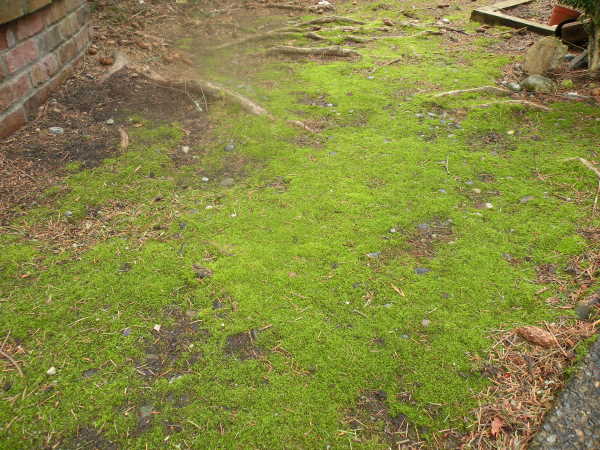
Image Source: turfgator.com
Fathoming the Reasons Behind Moss Growth
Moss doesn’t simply decide to colonize your lawn for fun. It’s a clear indicator that your lawn’s environment is more hospitable to moss than to the grass you want to grow. Several factors contribute to this imbalance, creating the perfect storm for moss proliferation. Let’s delve into the common culprits.
The Impact of a Shady Lawn
One of the most significant reasons you might be seeing moss is a shady lawn. Most turfgrass varieties need a good amount of sunlight to thrive. When areas of your lawn receive less than four to six hours of direct sunlight per day, the grass struggles. Its growth becomes weaker, the blades thinner, and it’s less able to compete with opportunistic plants like moss. Moss, on the other hand, is perfectly adapted to low-light conditions. It doesn’t need as much sunlight as grass and can flourish in the dim, dappled light that many lawns receive under trees or next to buildings. This lack of sunlight is a primary driver for moss colonizing these areas.
Poor Drainage: A Mossy Welcome Mat
Poor drainage is another major contributor to mossy lawns. If water sits on your lawn for extended periods after rain or irrigation, it creates consistently damp conditions. Moss absolutely loves this. It draws moisture directly from the air and the soil surface, so prolonged wetness is its ideal breeding ground. When water doesn’t drain away efficiently, the soil stays saturated, suffocating grass roots and making it difficult for them to get the oxygen they need. This weakened state of the grass makes it even more susceptible to moss invasion. Think of it this way: if your lawn is constantly waterlogged, you’re essentially rolling out a welcome mat for moss.
Compacted Soil: Stifling Grass Roots
Compacted soil is a silent killer of healthy lawns and a boon for moss. Over time, foot traffic, heavy machinery, or even just the natural settling of soil can lead to compaction. When soil particles are pressed too tightly together, it reduces the pore space needed for air and water circulation. This makes it incredibly difficult for grass roots to penetrate the soil and access essential nutrients and oxygen. Compacted soil also hinders drainage, further contributing to those damp conditions that moss adores. Grass roots struggle to grow, leaving bare patches that moss quickly fills.
Thatch Build-Up: A Mossy Blanket
A thick layer of thatch build-up can also encourage moss growth. Thatch is a layer of dead and living organic matter – grass clippings, roots, and stems – that accumulates on the soil surface, just beneath the visible grass blades. A thin layer of thatch is beneficial, acting as a natural mulch. However, when it becomes too thick (more than half an inch), it creates a dense, spongy mat. This thatch layer retains moisture, keeping the surface constantly damp, even if the soil underneath is dry. It also reduces air circulation and can harbor diseases. The dense thatch acts like a barrier, making it hard for sunlight to reach the soil and for new grass to emerge, while simultaneously providing a perfect, moist environment for moss to establish itself.
Acidic Soil: Favoring Moss Over Grass
The pH of your soil plays a critical role in what grows well. Many common turfgrasses prefer a slightly acidic to neutral soil pH, typically between 6.0 and 7.0. If your soil is too acidic (a low pH), it can become detrimental to grass health, hindering its ability to absorb nutrients. Moss, however, often thrives in acidic soil. If your lawn’s pH has dropped too low, you might find that moss is outcompeting your grass simply because the conditions are more favorable for the moss. Soil testing is key to identifying if acidity is a problem.
Lack of Sunlight: The Shady Story Continues
As mentioned earlier, lack of sunlight is a primary driver. Moss has a much lower requirement for light than most popular grass varieties. In areas that are consistently shaded by trees, fences, buildings, or even overgrown shrubs, the grass blades become thin and weak. They can’t photosynthesize effectively, meaning they can’t produce the energy needed to grow vigorously and outcompete other plants. Moss, being a shade-tolerant plant, will readily colonize these areas where grass struggles to survive. It’s a simple case of the right plant flourishing in the conditions where others falter.
Damp Conditions: The Moss Magnate
Ultimately, many of these factors – poor drainage, thatch build-up, compacted soil, and shady conditions – all lead to one common element: damp conditions. Moss is a plant that loves moisture. It doesn’t have a deep root system to draw water from lower soil levels; instead, it absorbs water from the air and the surface of the soil. When your lawn retains moisture for long periods, moss finds it an ideal environment to establish and spread. If your lawn feels perpetually damp, especially in shaded areas, you’re providing the perfect habitat for moss to take hold.
Nutrient Deficiency: Weak Grass, Happy Moss
A nutrient deficiency can also indirectly contribute to moss growth. Healthy, well-fed grass is more resilient and better able to withstand stress and outcompete weeds and moss. If your lawn is lacking essential nutrients, particularly nitrogen, the grass will be weaker, thinner, and more prone to thinning. These thin patches create opportunities for moss to colonize. While moss itself doesn’t directly benefit from nutrient deficiency in the same way grass does, a struggling lawn due to lack of nutrients provides the perfect stage for moss to invade and thrive in the weakened turf.
Identifying the Culprits: A Lawn Detective’s Guide
To effectively tackle moss, you first need to be a bit of a lawn detective. Observe your lawn carefully. Where is the moss growing most prolifically? What are the conditions like in those areas?
Mapping the Moss Patches
- Sunlight Exposure: Note which areas receive full sun, partial shade, and deep shade. Is the moss concentrated in the shadiest spots?
- Moisture Levels: After a rain, which areas stay wet the longest? Do you notice standing water?
- Soil Texture: Can you easily push a screwdriver into the soil, or is it hard and resistant (indicating compaction)?
- Thatch Layer: Gently pull back the grass blades in a mossy area. Can you see a thick, brown, spongy layer of thatch?
- Grass Health: Is the grass in the mossy areas thin, weak, and yellowish, or is it a healthy green?
Simple Tests to Assess Your Lawn
Before you start any moss control efforts, a couple of simple tests can provide valuable insights:
Soil Compaction Test
- Take a long screwdriver or a thin metal rod.
- Attempt to push it into the soil in various parts of your lawn, especially where moss is present.
- If it’s difficult to push more than a few inches, your soil is likely compacted.
Thatch Measurement
- Cut a small wedge (about 4 inches deep) from your lawn using a spade or trowel.
- Carefully examine the layer of dead organic material between the green grass blades and the soil.
- If this layer is thicker than ½ inch, you have a thatch problem.
Soil pH Test
You can purchase a simple soil testing kit from a garden center or hardware store. Follow the instructions carefully. A pH reading below 6.0 indicates acidic soil, which often favors moss.
Your Action Plan for Moss Control
Once you’ve identified the reasons for moss growth, you can implement a targeted strategy for moss control. Remember, it’s not just about removing the moss; it’s about creating an environment where your grass can outcompete it.
Step 1: Remove Existing Moss
The first step is to physically remove the moss that’s already there.
- Raking: For light infestations, a stiff-tined rake can be used to vigorously rake out the moss. This also helps to loosen compacted soil and remove some thatch.
- Scarifying/Dethatching: For more significant moss problems and thatch build-up, a mechanical scarifier or dethatcher is highly effective. This machine has sharp blades that cut into the soil and thatch layer, pulling out the moss and debris. Do this when the lawn is dry to avoid excessive soil disturbance.
-
Moss Killers: You can also use commercially available moss killers. These typically contain active ingredients like iron sulfate (ferrous sulfate) or potassium salts of fatty acids. Iron sulfate not only kills moss but also helps to lower soil pH and can provide a bit of iron to the grass.
Moss Killer Type Active Ingredient How it Works Considerations Iron Sulfate-Based Ferrous Sulfate Dehydrates and kills moss. Provides iron, which can help grass green up. May temporarily stain concrete or paving. Can stain surfaces. Apply carefully. Can also help lower soil pH. Fatty Acid-Based Potassium Salts of Fatty Acids Disrupts moss cell membranes, causing dehydration and death. Generally considered safer for pets and children once dry. Effective for surface-level killing. Copper Sulfate-Based Copper Sulfate Acts as a fungicide and moss killer by damaging cell walls. Can be phytotoxic (harmful to plants) if over-applied. May stain surfaces. Use with caution. Biological/Enzymatic Various enzymes/microbes Breaks down moss and thatch, improving soil health over time. Slower acting. More preventative than curative. -
After Killing: After applying a moss killer, wait a few days, then rake out the dead moss thoroughly. You can use a stiff garden rake or a power rake. Dispose of the dead moss to prevent spores from spreading.
Step 2: Address the Underlying Causes
Removing moss is only a temporary fix if you don’t address why it’s growing in the first place. This is where the real lawn care tips come into play.
Improving Sunlight Exposure
- Prune Trees and Shrubs: If trees or shrubs are casting too much shade, consider carefully pruning them. Remove lower branches and thin out the canopy to allow more light to reach the lawn. Be mindful of over-pruning, which can stress the trees.
- Consider Shade-Tolerant Grasses: In areas with persistent deep shade, you might need to accept that traditional turfgrass will struggle. Consider overseeding with shade-tolerant grass varieties like fine fescues or specific shade-mix blends.
- Lighten Up: Remove any unnecessary obstructions that might be blocking sunlight, such as old garden furniture or excess debris.
Enhancing Drainage
- Aeration: If your soil is compacted, aeration is essential. This process involves creating small holes in the soil, allowing air, water, and nutrients to penetrate more easily. Use a core aerator, which pulls out small plugs of soil, rather than spike aerators, which can further compact the soil. Aerate in the fall or spring.
- Top Dressing: After aerating, you can top-dress the lawn with a thin layer of compost or a sandy loam mix. This helps to fill the aeration holes and improve soil structure over time, enhancing drainage.
- French Drains or Drainage Systems: For severe drainage problems, you might need to install more extensive solutions like French drains or regrade the lawn to direct water away.
Combating Soil Compaction
- Aeration (Again!): Aeration is your best friend for compacted soil. Perform it regularly, especially in high-traffic areas.
- Avoid Heavy Foot Traffic: Try to minimize walking on the lawn when it’s wet, as this exacerbates compaction.
- Top Dressing: As mentioned, top dressing with organic matter can gradually improve soil structure and reduce compaction.
Managing Thatch Build-Up
- Dethatching/Scarifying: Regularly dethatch your lawn, typically once a year in the spring or fall, to keep the thatch layer under control.
- Proper Watering and Fertilization: Avoid over-fertilizing, especially with high-nitrogen fertilizers, as this can lead to excessive grass growth and thatch. Water deeply and less frequently to encourage deeper root growth, which can help break down thatch.
- Aeration: Aeration also helps to break down thatch by allowing air and microorganisms to access and decompose the organic matter.
Correcting Soil Acidity (Raising pH)
- Lime Application: If your soil test reveals acidic soil (low pH), applying agricultural lime is the most common solution. The type and amount of lime needed will depend on your soil type and the degree of acidity. Always follow the product instructions and soil test recommendations. Applying lime is best done in the fall.
- Timing is Key: Lime takes time to work, so it’s not an instant fix.
Fertilizing for Healthy Grass
- Balanced Fertilization: A healthy, dense lawn is the best defense against moss. Fertilize your lawn with a balanced fertilizer appropriate for the season. This will encourage strong, vigorous grass growth that can outcompete moss.
- Soil Testing: Base your fertilization plan on a soil test to ensure you’re providing the right nutrients.
- Proper Timing: Fertilize at the correct times of the year for your grass type – typically spring and fall for cool-season grasses.
Maintaining a Moss-Free Lawn: Long-Term Strategies
Preventing moss from returning is just as important as removing it. Consistency in your lawn care tips is key.
Regular Mowing
- Mow at the Right Height: Never cut your grass too short. Taller grass shades the soil, keeping it cooler and retaining moisture better, which helps the grass resist stress and outcompete moss. Aim for the higher end of the recommended mowing height for your grass type.
- Keep Mower Blades Sharp: Dull blades tear grass, leaving it vulnerable to disease and stress, which moss can exploit.
Smart Watering Practices
- Water Deeply and Infrequently: Encourage deep root growth by watering thoroughly when the lawn needs it, rather than light, frequent watering. This helps the grass become more drought-tolerant and reduces the perpetually damp surface conditions that moss loves.
- Water in the Morning: Watering early in the day allows the grass blades to dry off before evening, minimizing the risk of fungal diseases and moss growth.
Seasonal Lawn Care
- Spring: After moss removal, overseed thin areas with a quality grass seed mix. Aerate and top-dress.
- Summer: Ensure consistent watering and avoid excessive traffic.
- Fall: Aerate again if needed, overseed any bare patches, and apply a fall fertilizer to help the grass build strength for winter. This is also a good time to apply lime if your soil test indicated it’s necessary.
- Winter: Protect your lawn from heavy traffic and ensure snow doesn’t stay on the lawn for extended periods in a way that might smother the grass.
Frequently Asked Questions About Lawn Moss
Q1: Is moss harmful to my lawn?
Moss itself isn’t directly harmful to grass, but its presence is a strong indicator of underlying problems like poor drainage, lack of sunlight, or compacted soil, which do harm your grass. Moss essentially thrives where grass struggles.
Q2: Can I just leave the moss in my lawn?
While you can leave it, it’s not recommended if you want a healthy, lush lawn. It signifies that conditions are not optimal for your grass, and over time, this can lead to significant lawn degradation.
Q3: How often should I dethatch my lawn?
Generally, dethatching once a year in the spring or fall is sufficient. However, if you have a significant thatch problem, you might need to do it more often.
Q4: When is the best time to apply lime to my lawn?
The best time to apply lime is in the fall, as it has time to react with the soil over winter. However, it can also be applied in early spring.
Q5: My lawn is very shady. Can I still have grass?
Yes, but you may need to switch to shade-tolerant grass varieties. Fine fescues are a good option for shady areas. You’ll also need to adjust your lawn care practices to accommodate the lower light levels, such as mowing higher and avoiding over-fertilization.
Q6: Will iron sulfate permanently get rid of moss?
Iron sulfate (ferrous sulfate) is effective at killing moss and can help improve the lawn’s appearance by greening up the grass. However, it doesn’t address the underlying causes. If you don’t fix the reasons why the moss is growing (e.g., shade, poor drainage), it will likely return.
Q7: How do I prevent moss from coming back after I’ve removed it?
Prevention is key. Continue to address the root causes: improve drainage, ensure adequate sunlight where possible, aerate compacted soil, manage thatch, and maintain a healthy, dense lawn through proper mowing, watering, and fertilization.
By systematically addressing the environmental factors that favor moss and implementing consistent, healthy lawn care practices, you can reclaim your lawn and enjoy a thick, green carpet of grass instead of unwelcome moss.