
So, you’ve noticed a sudden explosion of mushrooms popping up across your lawn, and you’re wondering, “Why does my yard have so many mushrooms?” The simple answer is that mushrooms are the fruiting bodies of fungi that have been living and growing unseen in your soil, and their appearance is usually a sign of healthy, active soil, especially when conditions are right.
Seeing a lot of backyard fungi can sometimes be alarming, but it’s often a positive indicator of good soil conditions. These amazing organisms are nature’s recyclers, diligently working to break down organic matter. When you see mushrooms, it means the conditions are perfect for this fungal growth to reproduce. This article will dive deep into the fascinating world of mycology and explain the various factors contributing to the mushroom boom in your yard, covering everything from damp soil to lawn health and essential yard maintenance.
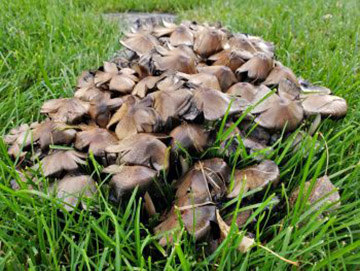
Image Source: organolawn.com
The Hidden World Beneath Your Feet: Fungi and Their Role
Before we get to why you have so many mushrooms, let’s appreciate what they are. Mushrooms are the visible, reproductive parts of fungi. The main body of the fungus is a network of thread-like structures called mycelium, which lives underground or within decaying organic material. When the conditions are right – think moisture, temperature, and the presence of food – the mycelium produces mushrooms to release spores and continue its life cycle.
What Fungi Do for Your Lawn
- Decomposition Masters: Fungi are essential for breaking down dead plant material, like fallen leaves, dead grass, and even decaying wood. This process, known as decomposition, releases vital nutrients back into the soil, making them available for your grass and other plants to use.
- Soil Aeration: As the mycelium grows, it creates channels in the soil, which helps with air and water penetration.
- Nutrient Cycling: Fungi play a critical role in nutrient cycles, transforming organic matter into forms that plants can absorb.
Favorable Conditions: Why Now?
Several environmental factors create the perfect storm for mushroom proliferation in your lawn. Recognizing these can help you understand the recurring appearance of these fungi.
The Crucial Role of Moisture
Damp soil is perhaps the most significant factor driving mushroom growth. Fungi need moisture to thrive, just like plants do.
- Recent Rainfall: Heavy or prolonged rain events are a common trigger. The increased moisture in the soil activates the dormant mycelium, prompting it to produce mushrooms.
- Overwatering: If you’ve been overwatering your lawn, you’re creating an ideal humid environment for fungi.
- Dew and Humidity: High humidity and heavy morning dew can also provide enough moisture on the surface to encourage mushroom formation.
Temperature Matters
Mushrooms generally prefer moderate temperatures. While some species are heat-tolerant, most common lawn fungi emerge when the soil temperature is neither too hot nor too cold. This often aligns with spring and fall.
- Spring Emergence: As the soil warms after winter and receives spring rains, dormant mycelium awakens.
- Autumn Fruiting: Cooler, moist autumn weather is also prime time for many types of backyard fungi to appear.
The Food Source: Organic Matter
Fungi feed on organic matter. The more decaying material in your soil, the more food available for fungi.
- Thatch Buildup: A thick layer of thatch (dead grass blades and roots) can be a buffet for fungi. As thatch decomposes, it fuels fungal growth.
- Leaf Litter: Fallen leaves that aren’t raked or mulched properly provide ample food for decomposer fungi.
- Buried Wood or Roots: If there are old tree stumps, buried branches, or decaying roots in your yard, these will support significant fungal activity.
Shade and Soil Compaction
Certain conditions in your lawn can indirectly encourage mushroom growth by creating favorable microclimates for fungi.
- Shade: Areas of your lawn that receive a lot of shade tend to stay moist for longer periods. This consistent moisture, combined with cooler temperatures, is excellent for fungal development. The grass in these shaded spots may also be weaker, contributing to more dead organic matter for fungi to consume.
- Compacted Soil: Compacted soil hinders water and air drainage. This can lead to persistently damp soil, even after a dry spell, creating ideal conditions for fungi. Weakened grass in compacted areas also adds to the available food source.
Common Types of Lawn Mushrooms and Their Significance
While all mushrooms are a sign of fungal activity, some are more common and have specific associations with lawn health.
Fairy Rings
One of the most noticeable signs of fungal activity is the formation of “fairy rings” – circles of darker green grass or, more conspicuously, rings of mushrooms.
- How They Form: Fairy rings start when a single fungal spore lands on a food source and begins to grow outwards in a circular pattern. The mycelium consumes the organic matter as it spreads. The darker green grass on the outer edge is often a sign of nutrients being released by the fungi, which fertilizes the grass.
- Impact on Lawn Health: While visually striking, fairy rings aren’t always detrimental. Small, newly formed rings can be aesthetically unpleasing but often indicate good soil fertility. Larger, older rings, however, can sometimes cause the grass in the center to die off as the mycelium depletes all the available nutrients.
Other Common Lawn Fungi
- Ink Caps (Coprinus species): These mushrooms often appear in clusters, especially after rain. They are saprophytic fungi, meaning they feed on dead organic matter. Many ink caps quickly decompose and turn into an inky black liquid.
- Shaggy Mane (Coprinus comatus): A larger, distinctive type of ink cap that also deliquesces (liquefies).
- Puffballs (Lycoperdon species): Round or pear-shaped mushrooms that release spores in a puff of dust when mature or disturbed. They are also decomposers.
- Dead Man’s Fingers (Xylaria species): Small, black, finger-like or club-shaped fungi that grow on decaying wood.
Is It Bad to Have Mushrooms in Your Lawn?
The presence of mushrooms is rarely a sign of a problematic lawn, but rather an indicator of certain soil conditions. The key is to interpret what they are telling you about your yard.
When Mushrooms Signal Potential Issues
- Excessive Thatch: A heavy mushroom bloom, especially of certain types, can point to a thick layer of thatch that needs removal. Excessive thatch suffocates grass roots and harbors disease.
- Poor Drainage: Persistent mushrooms can indicate that your soil is staying too wet for too long, which is bad for grass roots.
- Compacted Soil: As mentioned, compacted soil exacerbates moisture issues.
- Underlying Dead Wood: If mushrooms are consistently appearing in one spot, it might signal a buried tree stump or root that is still decomposing.
When Mushrooms Are Simply Natural
In most cases, mushrooms are a natural part of a healthy ecosystem. They are nature’s way of recycling and enriching your soil. If your grass looks healthy and vibrant, and the mushrooms are sporadic or appear in fairy rings, it’s likely just a sign of good lawn health.
Managing Mushrooms in Your Yard: Practical Yard Maintenance
You don’t necessarily need to eliminate all mushrooms, but if they are bothersome or indicative of underlying issues, there are ways to manage them.
Addressing the Root Cause
The most effective way to reduce mushrooms is to address the conditions that encourage them.
- Reduce Thatch:
- Dethatching: Use a dethatcher or power rake to remove excess thatch. This should be done in the fall or spring when the grass is actively growing.
- Proper Mowing: Avoid cutting your grass too short, as this can stress the grass and increase thatch buildup.
- Improve Drainage:
- Aeration: Aerate your lawn to relieve soil compaction and improve air and water movement.
- Topdressing: After aeration, you can topdress with compost or sand to further improve soil structure.
- Water Wisely:
- Water Deeply and Infrequently: Encourage deep root growth by watering less often but more thoroughly. This prevents the surface soil from staying constantly wet.
- Avoid Overwatering: Stick to a schedule that suits your grass type and climate.
- Remove Organic Debris:
- Rake Leaves: Regularly rake fallen leaves, especially in the autumn.
- Remove Dead Grass Clippings: While light clippings can be beneficial, heavy accumulations can contribute to thatch.
Direct Mushroom Removal
If you simply want to get rid of the mushrooms you see:
- Hand-Picking: The most straightforward method is to simply pull them up by hand. Wear gloves if you are unsure about any species.
- Bagging and Disposing: After picking, bag them and dispose of them in the trash to prevent spore dispersal.
- Lawn Aeration and Dethatching: These practices disturb the mycelial network, which can hinder mushroom formation.
Chemical Treatments (Use with Caution)
Chemical fungicides can kill mushrooms, but they are often a temporary fix and can harm beneficial soil organisms.
- Fungicides: If you opt for a fungicide, ensure it’s labeled for lawn use and specifically targets the types of fungi causing your mushroom problem. Follow label instructions precisely.
- Caution: Fungicides do not address the underlying cause and may create an imbalance in your soil’s microbial community.
A Deeper Dive into Soil Conditions and Fungal Growth
Let’s explore the intricate relationship between your soil and the fungal growth you’re observing. The health of your soil is a complex interplay of physical, chemical, and biological factors, and fungi are key players in this system.
Soil Structure and Its Impact
The physical structure of your soil – how its particles are arranged – significantly influences how it retains moisture and air.
- Sandy Soils: Have large particles and large pore spaces. They drain quickly, which can limit mushroom growth unless there’s consistent rainfall.
- Clay Soils: Have small particles and small pore spaces. They hold water well, which can lead to persistent damp soil and encourage fungi, especially if compacted.
- Loam Soils: A balance of sand, silt, and clay, generally offering good drainage and moisture retention.
The presence of many mushrooms might suggest your soil is holding onto too much moisture, a common issue in clay-heavy or compacted soils.
Nutrient Availability and Fungal Activity
While fungi are decomposers that release nutrients, their own growth and proliferation are also influenced by nutrient availability.
- Carbon and Nitrogen: Fungi utilize carbon from decaying organic matter for energy and nitrogen for protein synthesis. Lawns with abundant dead grass, leaves, or buried wood will naturally support a larger fungal population.
- Mycorrhizal Fungi: It’s worth noting that many fungi in the soil are mycorrhizal. These fungi form symbiotic relationships with plant roots, helping them absorb water and nutrients more efficiently. While mycorrhizal fungi don’t typically produce conspicuous mushrooms, their presence is vital for lawn health. The mushrooms you see are usually saprophytic fungi that feed on dead material.
The pH Factor
Soil pH can also play a role in which types of fungi thrive. Most fungi prefer a slightly acidic to neutral pH (around 6.0-7.0). If your soil pH is drastically outside this range, it could limit some fungal growth, but it can also favor others.
- Testing Your Soil: A simple soil test can reveal your soil’s pH and nutrient levels, providing valuable insights into why certain fungi might be prevalent.
Mycology: The Science Behind the Mushrooms
Delving into mycology, the study of fungi, reveals the sheer diversity and ecological importance of these organisms.
Saprophytic vs. Parasitic Fungi
Most lawn mushrooms are saprophytic, meaning they feed on dead organic matter. This is generally beneficial. However, a small number of fungi can be parasitic, attacking living grass.
- Identifying Parasitic Fungi: Parasitic fungi often cause distinct symptoms like discolored patches, wilting, or dieback. If you suspect a parasitic fungal disease, prompt identification and treatment are crucial for lawn health.
- The Mushroom Clue: While a single mushroom isn’t proof of a parasitic infection, a sudden, widespread mushroom bloom, especially if accompanied by stressed or dying grass, warrants closer inspection.
The Fungal Network: Mycelium
The vast underground network of mycelium is the true powerhouse. It can extend for miles beneath the surface.
- Mycelial Growth: When conditions are conducive (moisture, food, temperature), the mycelium devotes energy to producing reproductive structures – the mushrooms.
- Spore Dispersal: Mushrooms are designed to release millions of spores, which are then carried by wind, water, or animals to colonize new areas.
When to Be Concerned About Lawn Mushrooms
While most mushrooms are harmless, here are a few scenarios where you might want to pay closer attention or take action:
- Poisonous Mushrooms: It is crucial to know if any of the mushrooms in your yard are poisonous, especially if you have pets or children who might ingest them. Identifying unknown mushrooms is best left to experts. If you suspect a poisonous species, remove them immediately and prevent access to the area.
- Association with Diseased Grass: If mushrooms appear alongside signs of grass disease (e.g., brown patches, wilting, thinning turf), it could indicate an underlying issue that needs addressing.
- Excessive or Persistent Bloom: A truly overwhelming number of mushrooms, or mushrooms that appear constantly regardless of weather, might point to a significant imbalance in your soil’s organic matter or moisture levels.
Frequently Asked Questions (FAQ)
Q1: Are the mushrooms in my lawn poisonous?
While many lawn mushrooms are harmless, some can be toxic. It’s best to err on the side of caution. If you have pets or small children, prevent them from accessing areas with mushrooms. If you are unsure about the species, it’s safest to remove them.
Q2: Can I eat the mushrooms growing in my yard?
Unless you are an experienced mycologist and can positively identify a specific edible species, it is strongly advised not to eat any mushrooms found in your lawn. Many common lawn fungi are unpalatable, and some are highly poisonous.
Q3: How can I get rid of mushrooms in my lawn permanently?
Permanent removal isn’t usually feasible or necessary, as fungi are natural soil inhabitants. The best approach is to manage the conditions that encourage excessive mushroom growth. This includes dethatching, aerating the soil, improving drainage, and practicing smart watering.
Q4: Do mushrooms harm my grass?
Most lawn mushrooms are saprophytic, meaning they feed on dead organic matter and do not directly harm living grass. In fact, their decomposition activity can improve soil fertility. However, mushrooms can be a symptom of underlying problems like excessive thatch or poor drainage, which can negatively impact lawn health.
Q5: What does it mean if I see fairy rings?
Fairy rings are circular patterns of mushroom growth. They often indicate healthy soil and good nutrient cycling, as the fungi fertilize the grass on the outer edge of the ring. However, very large or old fairy rings can sometimes lead to grass dieback as the fungus depletes nutrients.
Q6: Is it okay to leave mushrooms in my yard?
Generally, yes. Mushrooms are a natural part of a healthy soil ecosystem. If they are not causing any visible damage to your grass and you don’t have concerns about toxicity, it’s perfectly fine to leave them. They are a sign of active fungal growth and nutrient recycling.
Q7: What is the fastest way to get rid of mushrooms?
The fastest way to get rid of the visible mushrooms is to hand-pick them and dispose of them. However, this is a temporary solution as it doesn’t address the underlying fungal network or the conditions that promote growth. Long-term management involves improving soil conditions and yard maintenance.
Conclusion: Embracing the Fungal Bloom
Seeing a proliferation of mushrooms in your yard is a fascinating glimpse into the hidden world of fungi. It’s a testament to the robust activity of fungal growth beneath the surface, a sign that your soil is alive and working. While they can sometimes be a visual cue to assess your yard maintenance practices, particularly regarding damp soil, thatch, and organic matter, they are rarely a cause for alarm on their own. By understanding the role of decomposition, the impact of shade, and the importance of balanced nutrients and proper soil conditions, you can better appreciate and manage the natural presence of these captivating backyard fungi. So, the next time you spot mushrooms dotting your lawn, remember the vital ecological services they provide.