
When you spot mushrooms popping up in your yard, you might wonder, “What are these things and why are they here?” Your yard growing mushrooms is a common occurrence, and it usually signals that your soil is healthy and has plenty of moisture. These colorful caps are the fruiting bodies of fungi, and their presence is often a good sign, indicating a robust ecosystem beneath the surface. Let’s explore the fascinating world of yard fungus and get to the bottom of why these lawn mushrooms and backyard toadstools appear.
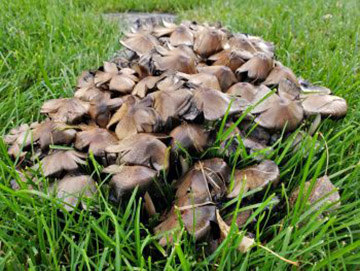
Image Source: organolawn.com
Fathoming the Causes of Mushrooms in Your Yard
The appearance of mushroom growth in grass is rarely a sudden, inexplicable event. Instead, it’s a natural process driven by a combination of factors that create the perfect environment for fungi to thrive. These fascinating organisms are nature’s recyclers, playing a vital role in breaking down organic matter and returning nutrients to the soil.
The Unseen World: Fungi and Their Role
Mushrooms are just the visible part of a much larger organism – the mycelium. This is a network of thread-like structures that lives underground in the soil. The mycelium’s job is to decompose organic material, such as dead leaves, wood, and grass clippings. When conditions are right, the mycelium produces mushrooms, which are essentially the reproductive structures, releasing mushroom spores in soil to start new colonies.
Key Ingredients for Mushroom Meadows
Several elements combine to encourage fungi in garden soil:
- Moisture, Moisture, Moisture: Fungi, like most living things, need water to grow. After periods of rain, especially followed by warm weather, the mycelium becomes active and pushes out mushrooms. Overwatering your lawn or heavy rainfall can saturate the soil, creating ideal conditions.
- Organic Matter: This is the food source for fungi. The more decaying organic material in your soil, the happier the fungi will be. This includes:
- Dead Grass Clippings: If you mulch mow, these decompose and feed the fungi.
- Fallen Leaves: A thick layer of leaves left on the lawn provides ample food.
- Buried Wood or Roots: Old tree stumps, roots, or even buried construction debris can be a feast for fungi.
- Animal Waste: Droppings from pets or wild animals can also contribute to the organic matter.
- Temperature: Fungi generally prefer moderate temperatures. They often appear in spring and fall when the weather is neither too hot nor too cold.
- Soil Aeration and Compaction: While some fungi prefer well-aerated soil, others can thrive in compacted areas. The overall health and structure of your soil play a role.
Common Scenarios Triggering Mushroom Growth
You’ll often notice mushroom growth in grass after specific events:
- After Heavy Rains: A good soaking followed by warm days is prime mushroom-growing weather.
- Following Mulching or Fertilizing: Adding organic matter to your lawn can stimulate fungal activity.
- Around Tree Stumps or Buried Wood: These are natural food sources that will almost always attract fungi.
- In Areas with Poor Drainage: Waterlogged soil holds moisture longer, favoring fungal development.
- After Aeration: While aeration helps your lawn, it can also bring dormant mushroom spores in soil closer to the surface, potentially leading to more visible mushrooms.
Deciphering the Different Types of Yard Fungi
Not all mushrooms in your yard are the same. They vary in size, shape, color, and whether they are beneficial or potentially problematic.
Common Lawn Mushrooms You Might See
Many species of fungi can inhabit your lawn. Here are a few common types:
- Inky Caps (Coprinellus species): These often appear in clusters and typically have delicate white or gray caps. They are known for “self-digesting” into a black, inky liquid as they mature.
- Field Mushrooms (Agaricus campestris): These are edible and similar to button mushrooms found in grocery stores. They usually have white or pale brown caps and pink to brown gills.
- Puffballs (Lycoperdon species): These start as round, white structures that release powdery spores when mature or disturbed. Young, white puffballs are generally safe, but they are best identified before they start to yellow or brown.
- Stinkhorns (Phallaceae family): These have a rather pungent odor and often emerge from a gelatinous egg. Their appearance can be quite alien.
- Bird’s Nest Fungi (Nidulariaceae family): These are tiny, cup-shaped fungi that contain small, spore-filled “eggs” or “peridioles” that are dispersed by raindrops.
Are All Yard Mushrooms Harmful?
This is a crucial question. While many lawn mushrooms are harmless and even beneficial to your soil, some can be toxic if ingested. It is absolutely vital not to assume any mushroom is safe to eat.
Key Points to Remember:
- Never Eat Wild Mushrooms Unless Absolutely Certain of Identification: Misidentification can lead to severe illness or even death.
- Pets and Children: Be especially mindful if you have pets or young children who might be tempted to taste these fungi.
- Toxic Mushrooms: Some common toxic species include the Destroying Angel (Amanita bisporigera/virosa) and various species of Lepiota. These can look deceivingly similar to edible varieties.
Identifying Your Yard’s Fungi
Identifying yard mushrooms can be challenging, even for experienced foragers. If you’re concerned about the type of mushrooms growing, or if you suspect a toxic species, it’s best to consult a local mycological society or an expert.
Resources for Identification
- Local Mycology Clubs: These groups often have experienced members who can help identify local fungi.
- Field Guides: Comprehensive books on mushroom identification can be helpful, but remember they are not a substitute for expert advice.
- Online Resources: Reputable websites and forums dedicated to fungi can offer identification assistance, but exercise caution and cross-reference information.
What to Look For When Identifying
When trying to identify a mushroom, note these characteristics:
- Cap Shape and Color: Is it round, conical, flat, or bell-shaped? What color is it?
- Gill Structure: Are there gills, pores, or teeth underneath the cap? What color are they?
- Stem (Stipe): Does it have a stem? What is its shape, color, and texture? Does it have a ring (annulus) or a volva (cup-like structure at the base)?
- Spore Print: This is a crucial identification feature. You can obtain a spore print by placing the cap on a piece of paper and covering it with a bowl for a few hours. The color of the spores that fall is a key identifier.
- Odor: Some mushrooms have distinctive smells.
- Habitat: Where exactly is it growing? Near trees, in the open lawn, on decaying wood?
Addressing Mushroom Growth in Your Lawn
While mushrooms are a natural part of the ecosystem, you might want to remove them for aesthetic reasons, to prevent potential toxicity concerns, or if they indicate underlying soil issues.
Mushroom Removal from Lawn Techniques
Here are several ways to deal with mushroom removal from lawn:
- Manual Removal: The simplest method is to pick them by hand. Wear gloves if you are unsure about the species. Twist and pull gently to remove the entire mushroom, including the base.
- Bag and Dispose: Place the removed mushrooms in a plastic bag, seal it tightly, and dispose of them in the trash. This prevents them from releasing more mushroom spores in soil.
- Dispose of Responsibly: Avoid composting mushrooms, especially if you suspect they might be toxic.
- Improve Drainage: If your lawn is constantly wet, address drainage issues. This might involve aerating the soil, installing French drains, or adjusting your watering schedule.
- Thatch Removal: Excessive thatch (a layer of dead grass and organic matter) can hold moisture and provide a food source for fungi. Dethatching your lawn can help reduce this.
- Watering Practices: Water your lawn deeply but infrequently. Avoid watering in the evening, as damp grass overnight can encourage fungal growth.
When to Worry About Yard Fungus
Most yard fungus is harmless. However, you might want to take action if:
- You have pets or small children: The risk of accidental ingestion of toxic mushrooms is the primary concern.
- The mushrooms are unsightly: If their appearance detracts from your lawn’s beauty.
- They indicate a larger problem: Persistent mushroom growth can sometimes signal poor soil health, overwatering, or significant buried organic matter.
Preventing Yard Mushrooms: A Proactive Approach
While completely eliminating mushroom growth in grass might be impossible (as mushroom spores in soil are ubiquitous), you can significantly reduce their appearance by managing the conditions that favor their growth.
Strategies for Preventing Yard Mushrooms
- Manage Moisture:
- Proper Watering: Water your lawn deeply but infrequently. Aim to keep the soil moist, not waterlogged. Water in the early morning so the grass can dry before nightfall.
- Improve Drainage: Aerate your lawn annually or biannually to improve soil structure and water penetration. If you have persistent drainage problems, consider adding topsoil or addressing low spots.
- Control Organic Matter:
- Mulch Mowing: While beneficial for soil health, if you notice excessive mushrooms, consider bagging your grass clippings occasionally, especially after heavy growth periods.
- Rake Leaves: Don’t let fallen leaves accumulate on your lawn, especially in damp conditions.
- Remove Debris: Clear away any dead wood, buried debris, or animal waste promptly.
- Address Tree Stumps: Remove old tree stumps, as they are a prime food source for fungi in garden soil. If removal isn’t feasible, you can try to speed up their decomposition with commercial stump removers, which might initially increase fungal activity but ultimately remove the food source.
- Soil Health:
- Healthy Lawn: A thick, healthy lawn with good root systems can outcompete some fungi. Proper fertilization and aeration contribute to a strong lawn.
- Test Your Soil: Consider a soil test to understand its pH and nutrient levels. This can help you amend it for optimal turf health.
- Consider Lawn Treatments (Use with Caution):
- Fungicides: While fungicides can kill mushrooms, they often don’t address the underlying cause. They can also be harmful to beneficial soil microbes and should be used as a last resort and with extreme caution. They are generally not recommended for routine use in a home lawn.
- Commercial Products: Some products are marketed to suppress yard fungus. Research these carefully and understand their potential impact on your lawn and the environment.
The Role of Mycelium in Soil Health
It’s important to reiterate that the presence of mycelium, the network that produces mushrooms, is often a sign of a healthy, living soil. These fungi are crucial for breaking down organic matter, releasing nutrients that plants can use, and improving soil structure. While you might want to manage the visible mushrooms, try not to eradicate all fungi in garden soil, as they are essential for a thriving ecosystem.
Frequently Asked Questions (FAQ)
Q1: Are mushrooms in my yard dangerous?
A: While many mushrooms are harmless, some species are toxic if ingested. The primary danger lies in pets or children accidentally eating poisonous varieties. If you are unsure, it’s best to remove them and prevent access.
Q2: What is the fastest way to get rid of mushrooms in my lawn?
A: The quickest method for removal is to pick them by hand. However, this doesn’t address the root cause. To prevent them, focus on managing moisture, removing organic matter, and improving soil drainage.
Q3: Can I just ignore the mushrooms?
A: If you have no pets or children and don’t mind the appearance, ignoring them is often an option. They are usually a sign of healthy soil activity. However, if they are prolific or you are concerned about toxicity, removal might be preferred.
Q4: Will fungicides kill the mushrooms in my yard?
A: Yes, fungicides can kill mushrooms, but they often don’t solve the underlying problem. They can also harm beneficial soil organisms and should be used sparingly and with caution. Addressing moisture and organic matter is a more sustainable solution.
Q5: Why do mushrooms grow in fairy rings?
A: Fairy rings are circular patterns of mushroom growth. They form as the underground mycelium expands outwards from a central point, consuming nutrients. As the mycelium depletes the nutrients in the center, it continues to grow outward, creating a ring.
Q6: Is it bad if I have a lot of mushrooms in my garden?
A: A proliferation of mushrooms isn’t inherently “bad” for your garden. It usually indicates good moisture and plenty of organic matter, which are beneficial for soil health. However, if it’s coupled with other signs of stress in your plants, it might warrant closer inspection of your gardening practices.
Q7: How do I stop mushroom spores in soil from spreading?
A: It’s virtually impossible to eliminate mushroom spores in soil as they are microscopic and everywhere in nature. The best approach is to manage the conditions that allow these spores to germinate and grow into visible mushrooms, such as excess moisture and available organic food sources.
Conclusion
The appearance of lawn mushrooms is a natural phenomenon, often a sign of good soil health and adequate moisture. By understanding the causes of mushrooms in yard, you can better manage their presence. Whether you choose to embrace these natural decorations or remove them, remember that the fungi working beneath the surface are vital to a healthy garden ecosystem. With the right practices, you can enjoy a beautiful lawn while respecting the intricate work of fungi in garden soil.