
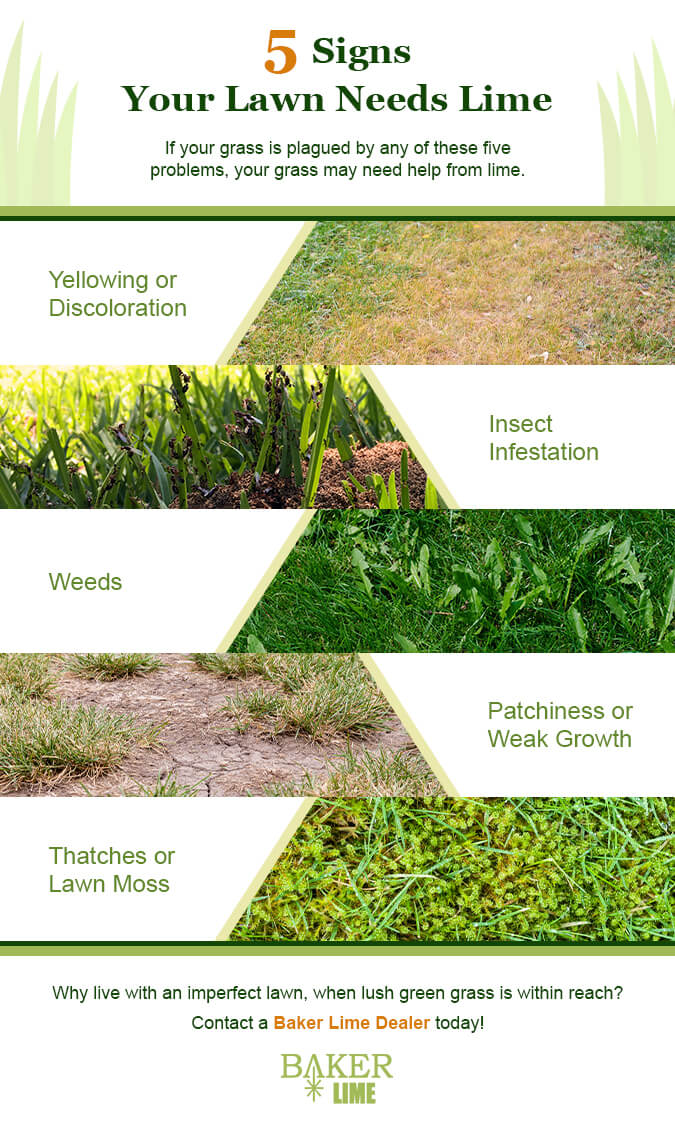
Image Source: www.bakerlime.com
Why To Put Lime On A Lawn: Improve Soil pH
Putting lime on your lawn can significantly improve your soil pH, making it a crucial step in effective lawn care and lawn maintenance. Lime helps to raise the pH of acidic soil, creating a more favorable environment for grass to thrive and access essential soil nutrients.
What is Soil pH and Why Does It Matter for Your Lawn?
Soil pH is a measure of how acidic or alkaline your soil is. It is measured on a scale from 0 to 14. A pH of 7 is considered neutral. A pH below 7 is acidic, and a pH above 7 is alkaline. Most common lawn grasses, like fescues, ryegrasses, and bluegrasses, prefer a slightly acidic to neutral soil pH, typically between 6.0 and 7.0.
Why is this range so important? Think of your soil as a pantry for your grass. Different nutrients are stored in this pantry. However, the way these nutrients are stored and how easily your grass can “reach” them depends on the soil pH.
- Acidic Soil (Low pH): In acidic soil, some essential nutrients like phosphorus, potassium, calcium, and magnesium can become “locked up.” They are present in the soil, but the grass roots can’t absorb them effectively. At the same time, acidic conditions can increase the solubility of elements like aluminum and manganese, which can become toxic to grass when present in high amounts. This can lead to stunted growth, yellowing, and increased susceptibility to diseases.
- Alkaline Soil (High pH): In very alkaline soil, nutrients like iron, manganese, and zinc can become less available to grass. This can result in chlorosis, a condition where grass leaves turn yellow due to a lack of chlorophyll.
Therefore, maintaining the correct soil pH is fundamental for optimal grass health. It ensures that the nutrients provided by your lawn fertilizer are actually usable by your grass.
Fathoming Soil Acidity: Signs Your Lawn Might Need Lime
How can you tell if your lawn has soil acidity that might benefit from liming? While a lawn soil testing is the most accurate method, several visual cues can suggest that your soil might be too acidic:
- Poor Grass Growth: If your grass struggles to establish or maintain a dense, healthy appearance despite regular watering and fertilizing, soil acidity could be a culprit.
- Yellowing or Stunted Grass: As mentioned, nutrient deficiencies caused by low pH can lead to a pale or yellowing appearance, often starting in younger grass blades. Stunted growth is another common symptom.
- Increased Weed Presence: Many common lawn weeds, such as clover, dandelions, and moss, actually prefer acidic soil conditions. An abundance of these weeds, especially in areas where your grass should be thriving, can indicate low soil pH.
- Moss Growth: While moss can grow in shaded areas regardless of pH, excessive moss growth in sunny areas, or moss that seems to take over parts of your lawn, is a strong indicator of soil acidity.
The Crucial Role of Lawn Soil Testing
Before you grab a bag of lime, the most important step in lawn care is to conduct a lawn soil testing. This isn’t just a suggestion; it’s a vital part of responsible lawn maintenance.
What is a Lawn Soil Test?
A lawn soil test is a scientific analysis of your soil that measures its physical and chemical properties. The most critical measurement for liming is soil pH. However, a good soil test will also provide information about:
- Nutrient Levels: It will tell you the amounts of essential nutrients like nitrogen, phosphorus, potassium, calcium, magnesium, and various micronutrients present in your soil.
- Organic Matter Content: This indicates how much decomposed plant and animal material is in your soil, which is vital for soil structure and nutrient availability.
- Cation Exchange Capacity (CEC): This measures the soil’s ability to hold onto positively charged nutrients, influencing how well your soil can retain fertilizer.
Why is Testing So Important?
- Accuracy: A soil test tells you definitively whether your soil is acidic, neutral, or alkaline, and by how much. Guessing can lead to over-liming or under-liming, both of which can be detrimental.
- Specific Recommendations: Reputable soil testing services will provide tailored recommendations based on your soil’s specific needs. This includes the type of lime to use and the amount needed to adjust your soil pH to the ideal range for your grass type.
- Nutrient Management: The test will also identify any nutrient deficiencies, allowing you to apply the correct lawn fertilizer and avoid unnecessary applications. This saves you money and prevents nutrient runoff into waterways.
- Preventing Over-Liming: Adding too much lime can raise the soil pH too high, making essential nutrients unavailable and potentially harming your grass. A soil test prevents this mistake.
How to Conduct a Lawn Soil Test:
- Collect Samples: Use a clean trowel or spade. Dig down about 4-6 inches (the root zone for most grasses). Collect several samples from different areas of your lawn. Avoid sampling from recently fertilized areas or areas with unusual soil conditions (like near a driveway or compost pile).
- Mix Samples: Combine all collected samples in a clean bucket and mix them thoroughly. This ensures a representative sample of your entire lawn.
- Send to a Lab: Place a portion of the mixed soil in a soil sample bag (often provided by extension offices or gardening centers) and send it to a local university extension office or a private soil testing laboratory. Follow their instructions for packaging and submission.
The Science of Lime: How It Works as a Soil Amendment
Lime, in the context of lawn care, is typically ground agricultural limestone, which is primarily calcium carbonate (CaCO3) and magnesium carbonate (MgCO3). When applied to soil, lime acts as a soil amendment that chemically alters the soil environment.
The Chemical Reaction:
When lime (calcium carbonate) is applied to acidic soil, it reacts with the hydrogen ions (H+) that are responsible for acidity. The calcium (Ca2+) and carbonate (CO32-) ions in the lime interact with the soil. The carbonate ions neutralize the acidity, and the calcium ions replace some of the hydrogen ions on the soil particles. This process effectively “buffers” the soil, making it less acidic and moving the soil pH closer to neutral.
- Neutralizing Acidity: The primary function of lime is to counteract soil acidity. The carbonates in lime react with excess hydrogen ions in the soil, forming water and carbon dioxide. This reduces the concentration of free hydrogen ions, thereby increasing the soil’s pH.
- Improving Nutrient Availability: By raising the pH, lime makes essential nutrients more accessible to grass roots. For example, phosphorus, which is often tied up in acidic soils, becomes more available.
- Providing Essential Nutrients: Lime itself is a source of calcium and magnesium, two vital nutrients for plant growth. Calcium strengthens cell walls, while magnesium is a key component of chlorophyll, essential for photosynthesis.
- Enhancing Soil Structure (Indirectly): As the soil pH becomes more favorable, beneficial soil microorganisms thrive. These microbes contribute to the breakdown of organic matter, improving soil structure and aeration over time. This is part of the soil conditioning process.
Types of Lime and Their Application
Not all lime is created equal. The type of lime you choose can affect how quickly it works and how you apply it. Your lawn soil testing results will often guide this choice.
- Ground Agricultural Limestone (Pulverized Limestone): This is the most common type. It’s readily available and relatively inexpensive. It works by dissolving into the soil over time. It’s usually a fast-acting soil amendment.
- Pelletized Lime: This is ground limestone that has been processed into small pellets. It’s easier to spread evenly and produces less dust than pulverized lime, making it a popular choice for homeowners. Its effectiveness is similar to ground limestone, though it may work slightly slower initially due to its form.
- Dolomitic Lime: This type of lime contains both calcium carbonate and magnesium carbonate. It’s recommended for soils that are not only acidic but also deficient in magnesium. Most lawn soil testing will indicate if dolomitic lime is necessary.
- Hydrated Lime (Slaked Lime): This is a quick-acting form of lime produced by heating limestone and adding water. However, it’s highly caustic and can burn grass and damage soil structure if not used with extreme caution and in very precise amounts. It is generally not recommended for routine lawn care.
When and How Much Lime to Apply:
- Timing: The best time to apply lime is typically in the fall or early spring, before the grass actively starts growing. This allows the lime time to react with the soil before the peak growing season. However, lime can be applied at any time of year if a soil test indicates a need.
- Application Rate: This is where your soil test is crucial. The amount of lime needed depends on your current soil pH, your target pH, soil type (clay soils require more lime than sandy soils), and the type of lime used. A general guideline for acidic soils (pH 5.5-6.0) might be around 50 pounds of ground limestone per 1,000 square feet to raise the pH by one unit. However, always follow the specific recommendations from your soil test.
- Spreading: Use a lawn fertilizer spreader for even application. If using pulverized lime, you may need to slightly moisten the lawn beforehand to help it dissolve. Pelleted lime can be applied to a dry lawn. After spreading, water the lawn lightly to help the lime begin to penetrate the soil.
The Benefits of Liming for Your Lawn
Applying lime when your lawn soil testing indicates a need offers a multitude of benefits for your grass health and the overall quality of your lawn:
- Improved Nutrient Uptake: This is the most significant benefit. By correcting soil acidity, lime ensures that the nutrients in your soil and from your lawn fertilizer are readily available for your grass to absorb. This means your fertilizer dollars are better spent, and your grass will be healthier.
- Enhanced Fertilizer Efficiency: When your soil pH is in the optimal range, your lawn fertilizer works more effectively. Nutrients don’t get “locked up,” leading to greener, lusher growth.
- Healthier Root Development: Grass roots can penetrate deeper into soils with a more neutral pH. This leads to a stronger, more resilient turf that can better withstand drought and stress.
- Reduced Weed and Moss Invasion: Many common lawn weeds and moss species thrive in acidic conditions. By improving your soil pH, you create an environment less hospitable to these unwanted invaders, giving your grass a competitive edge.
- Increased Soil Microbial Activity: A balanced soil pH supports a diverse population of beneficial soil microbes. These microbes are crucial for breaking down organic matter, improving soil structure, and cycling nutrients, contributing to overall soil conditioning.
- Better Disease Resistance: Healthy grass is more resistant to diseases. By providing the right soil conditions, you strengthen your lawn’s natural defenses.
- Cost-Effectiveness: While it might seem like an extra expense, addressing soil acidity with lime can save you money in the long run by improving the efficiency of fertilizers and reducing the need for costly weed and disease control measures.
When NOT to Apply Lime
It’s crucial to reiterate that lime is a soil amendment used to correct soil acidity. Applying lime to a lawn that already has a neutral or alkaline soil pH will not benefit the grass and could even cause harm.
- Alkaline Soil: If your lawn soil testing reveals that your soil is neutral (pH 7.0) or alkaline (pH above 7.0), do not apply lime. Adding lime will further increase the pH, making essential nutrients less available and potentially causing nutrient deficiencies.
- Over-Liming: Applying too much lime can raise the pH beyond the optimal range. This can lead to iron deficiency, causing yellowing of the grass, and other nutrient availability issues.
Integrating Lime into Your Lawn Care Routine
Liming isn’t a one-time fix; it’s part of a comprehensive lawn care and lawn maintenance strategy.
- Regular Soil Testing: Aim to test your soil every 2-3 years to monitor your soil pH and nutrient levels. This ensures you are only applying lime when it’s needed and in the correct amounts.
- Seasonal Adjustments: Based on your soil test results and your observations of your lawn, you may need to apply lime annually, every other year, or less frequently.
- Combine with Fertilization: You can often apply lime at the same time you fertilize, but ensure you use separate applications and spreaders if necessary to avoid interaction. For example, some fertilizers are acidic; applying lime can help buffer the potential acidity from these fertilizers.
- Observe Your Lawn: Pay attention to your grass. If you notice persistent yellowing, poor growth, or an increase in weeds that prefer acidic soil, consider getting a lawn soil testing done.
Frequently Asked Questions (FAQ)
Q1: How often should I apply lime to my lawn?
A1: The frequency of liming depends entirely on your soil’s soil pH and how quickly it changes. A lawn soil testing is the best way to determine this. Typically, if your soil is acidic, you might need to reapply lime every 1-3 years, following the recommendations from your soil test.
Q2: Can I apply lime and fertilizer at the same time?
A2: Yes, in most cases, you can apply lime and lawn fertilizer simultaneously. However, it’s often recommended to use separate applications for optimal results, especially if you’re applying large amounts of either. Ensure your spreader is clean and calibrated correctly for each product. Some fertilizers can also be acidic, and lime can help buffer this effect.
Q3: What is the best time of year to apply lime?
A3: The most common times to apply lime are in the fall or early spring. This allows the lime ample time to react with the soil and adjust the soil pH before the active growing season. However, lime can be applied at any time of year when a soil test indicates a need.
Q4: How long does it take for lime to work?
A4: The speed at which lime works depends on the type of lime, soil conditions, and moisture. Ground limestone can start to affect soil pH within a few weeks, with full effects taking several months to a year. Pelletized lime works similarly but may initially be slightly slower.
Q5: My lawn looks healthy, do I still need to test my soil?
A5: Even if your lawn appears healthy, it’s a good practice to conduct a lawn soil testing every 2-3 years. This helps you stay ahead of potential issues, ensures your soil pH is optimal for nutrient availability, and allows you to adjust your lawn fertilizer program accordingly. You might be missing out on nutrient efficiency that a slight pH adjustment could unlock.
Q6: Can too much lime harm my lawn?
A6: Yes, applying too much lime can be harmful. It can raise the soil pH too high, leading to nutrient deficiencies (especially iron), causing yellowing grass and hindering growth. Always adhere to the application rates recommended by your lawn soil testing results.
By carefully considering your soil’s needs through lawn soil testing and applying lime as a soil amendment when necessary, you can significantly improve your soil pH, leading to a healthier, greener, and more resilient lawn. This proactive approach to lawn care and lawn maintenance is key to achieving the lush turf you desire.