
Mushrooms popping up in your yard can be a common, albeit sometimes perplexing, sight. Do you wonder why mushrooms keep growing in your yard? Mushrooms appear in your yard primarily because of favorable environmental conditions like consistent moisture and a plentiful food source, typically decaying organic matter. Can you eat the mushrooms in your yard? It’s strongly advised not to eat any wild mushrooms unless you are an expert mycologist, as many can be poisonous. Who is responsible for mushroom growth in a yard? The fungi responsible for mushroom growth are naturally present in the soil and are activated by the right conditions.
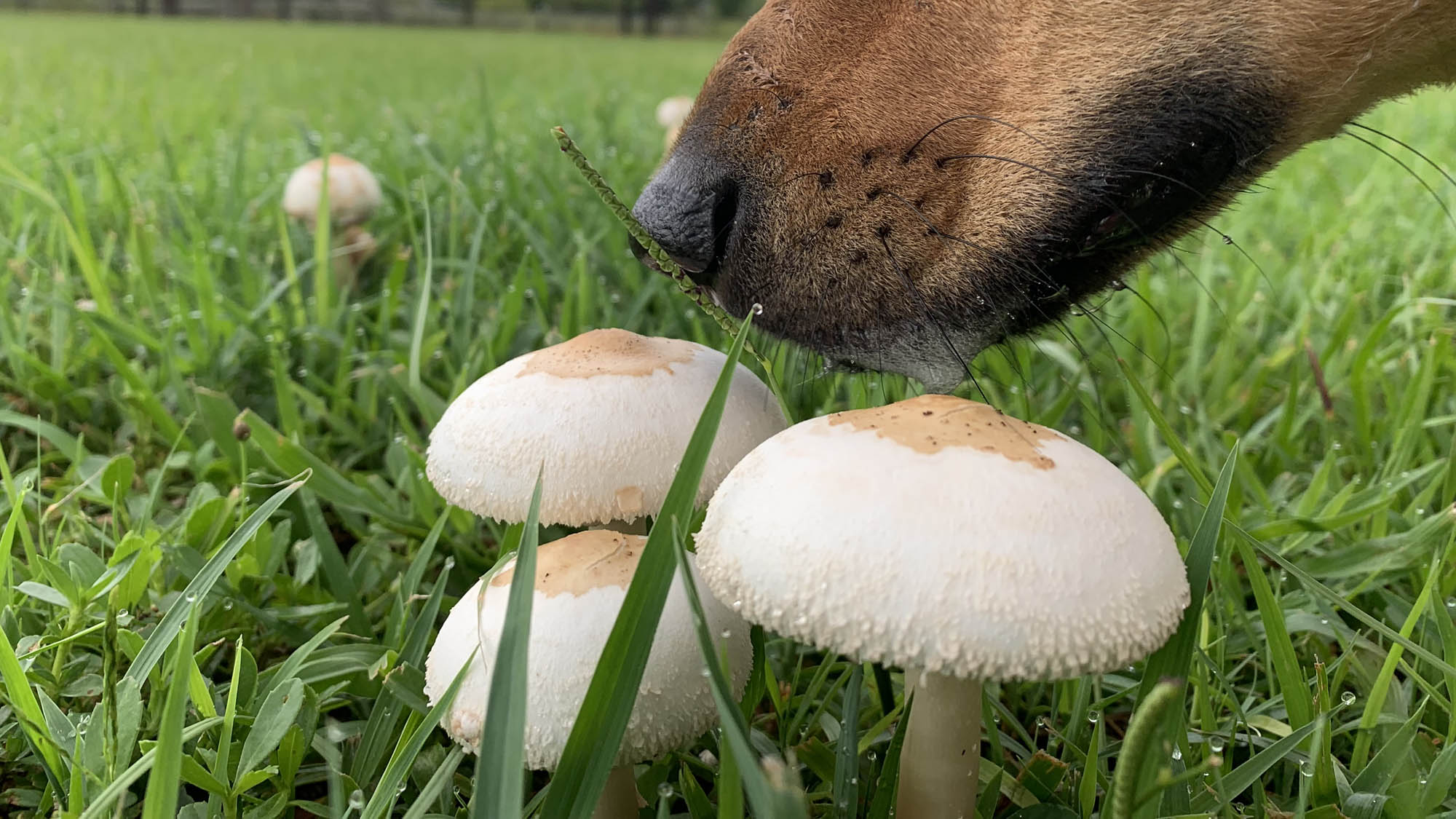
Image Source: homegrown.extension.ncsu.edu
Fathoming the Fungal Flourish: Common Causes of Yard Fungus
The sudden appearance of mushrooms in your lawn isn’t usually a sign of a specific “pest” problem, but rather an indicator that your yard’s ecosystem is providing the ideal environment for fungal growth. These fungi are nature’s recyclers, breaking down dead organic material.
Deciphering the Drivers: What Mushrooms Need to Grow
Mushrooms are the fruiting bodies of a vast underground network of fungal threads called mycelium. For these mushrooms to emerge, a few key ingredients must be present:
- Moisture: Fungi thrive in damp conditions. Persistent rain, overwatering, or poor drainage can create the soggy soil conditions that mushrooms love. Even a few days of heavy dew or fog can be enough to trigger fruiting.
- Food Source: Mushrooms feed on organic matter. This can include dead grass clippings, fallen leaves, buried tree roots, animal waste, or even compacted soil that retains moisture. The more decomposing material in your soil, the more food is available for the mycelium.
- Temperature: While less critical than moisture and food, certain temperature ranges can encourage mushroom growth. Many common lawn mushrooms appear in the spring and fall when temperatures are moderate and moisture levels are typically higher.
- Spore Dispersal: Fungal spores are everywhere, carried by wind, water, animals, and even on our shoes. When these spores land in an environment with sufficient moisture and a food source, they begin to grow.
The Role of Soil Conditions and Lawn Care
Your lawn’s soil conditions and how you care for it play a significant role in whether mushrooms decide to take up residence.
- Damp Soil and Drainage: Yards with poor drainage or consistently damp soil are prime mushroom real estate. If water sits on the surface or the soil remains saturated for extended periods, it creates the perfect breeding ground.
- Thatch Buildup: A thick layer of thatch (dead grass and organic matter) on your lawn can trap moisture and provide an excellent food source for fungi.
- Compacted Soil: Heavily compacted soil can hinder water drainage and aeration, leading to the perpetually damp conditions that mushrooms prefer.
- Over-Fertilization: While not a direct cause, excessive fertilization can sometimes lead to lush grass growth, which then contributes to more organic matter (clippings) needing decomposition.
- Shade Tolerant Plants and Areas: Areas of your yard that receive less sunlight are naturally cooler and retain moisture for longer. Yards with many shade-tolerant plants or those that are heavily shaded by trees often have more mushroom activity.
Organic Matter Decomposition: Nature’s Recycling Program
Mushrooms are essential to a healthy ecosystem because they are nature’s primary decomposers. They break down dead plant and animal material, returning vital nutrients to the soil.
- Dead Grass and Leaves: When you leave grass clippings on the lawn or allow leaves to accumulate, you are providing a buffet for fungal mycelium.
- Buried Debris: Old tree stumps, buried wood, or even construction debris can serve as long-term food sources for fungi, leading to persistent mushroom growth in specific areas.
- Animal Waste: If pets frequent your yard, their droppings can also contribute to the organic matter that fuels mushroom growth.
Identifying Your Yard’s Fungal Visitors: Mushroom Identification Basics
While it’s tempting to investigate the types of mushrooms appearing, remember the crucial safety warning: never eat a wild mushroom unless you are absolutely certain of its identification by an expert. Many poisonous mushrooms closely resemble edible ones.
Common Types of Lawn Fungi
The mushrooms you see in your yard are likely some of the more common saprophytic fungi, meaning they feed on dead organic matter.
- Fairy Rings: These are the most well-known manifestation of lawn fungi. They appear as circles or arcs of darker green grass, often with mushrooms growing along the edge. The mycelium spreads outwards from a central point, “consuming” nutrients.
- Puffballs: These round or pear-shaped mushrooms release their spores when mature and are disturbed.
- Inky Caps: These mushrooms begin as upright cylinders and then deliquesce (melt) into a black, inky liquid as they age.
- Coprinus Species: Many common lawn mushrooms fall into this genus, often small and brown, appearing in clusters after rain.
Why Mushroom Identification Matters (Beyond Eating Them)
Knowing the general type of mushroom can sometimes provide clues about the underlying conditions. For instance, mushrooms that thrive in very wet soil point to drainage issues, while those appearing on decaying wood might indicate buried timber.
Strategies for Mushroom Control in Your Yard
While completely eliminating mushrooms from your yard is often impractical and unnecessary (they play a vital ecological role), you can certainly manage and reduce their appearance by addressing the underlying causes. Effective mushroom control focuses on altering the conditions that favor their growth.
Addressing the Core Issues: Moisture and Food
The most effective mushroom control strategies involve managing moisture levels and reducing available food sources.
Moisture Management: Keeping Your Lawn Dry
- Improve Drainage: If you have areas where water consistently pools, consider improving drainage. This might involve aerating the soil, amending it with compost to improve structure, or installing a more comprehensive drainage system if the problem is severe.
- Water Wisely: Avoid overwatering your lawn. Water deeply but infrequently, allowing the soil surface to dry out between watering sessions.
- Rake Regularly: Keep your lawn free of excessive leaf litter and grass clippings. These provide moisture-retaining covers and food for fungi.
- Prune Overhanging Branches: If dense tree canopies are contributing to perpetual shade and dampness, consider selective pruning to allow more sunlight and air circulation.
Food Source Reduction: Cleaning Up the Lawn
- Remove Debris: Regularly clear away fallen leaves, grass clippings, and any other organic debris from your lawn.
- Address Thatch: If your lawn has a thick thatch layer (more than half an inch), dethatch it. This can be done with a dethatching rake or a power dethatcher.
- Remove Dead Wood: Inspect your yard for any decaying wood, such as old stumps, buried lumber, or fallen branches, and remove them.
- Clean Up Pet Waste: Promptly remove any pet droppings from the lawn.
Cultural and Mechanical Control Methods
Beyond addressing moisture and food, several practical methods can help manage mushroom growth.
Mechanical Removal
- Hand-Picking: The simplest method is to simply pick the mushrooms as you see them. While this doesn’t address the underlying cause, it removes the visible fruiting bodies and can prevent spore dispersal from those specific mushrooms. Dispose of them in sealed bags to avoid spreading spores.
- Breaking Up Fairy Rings: For fairy rings, you can try to break up the ring by spiking the soil with a fork, especially along the edge where the mushrooms appear. This can help disrupt the mycelial growth.
Cultural Practices for Healthier Turf
- Proper Mowing: Mow your lawn at the appropriate height for your grass type. Taller grass shades the soil, keeping it cooler and potentially wetter.
- Aeration: Regular aeration of your lawn helps to relieve soil compaction, improve air circulation, and promote better drainage.
- Overseeding: A thick, healthy lawn with dense turf is more resistant to fungal growth. Overseeding thin areas can help fill in gaps.
- Sunlight and Airflow: For yards with significant shade issues, consider planting shade-tolerant plants in those areas rather than struggling to maintain a healthy lawn. Improving airflow by removing obstructions can also make a difference.
Chemical Control Options (Use with Caution)
Chemical fungicides are generally a last resort for mushroom control in residential yards. They target the fungi directly but do not address the underlying environmental conditions, meaning mushrooms may return if the conditions are still favorable.
- Fungicides: Look for fungicides specifically labeled for lawn use and effective against the types of fungi causing the mushrooms. Always follow label instructions precisely for application rates, timing, and safety precautions.
- Fertilizer Applications: Some fertilizers, particularly those with a higher nitrogen content, can promote vigorous grass growth that outcompetes fungi and helps to fill in areas where mushrooms might otherwise appear. However, this is more of a “healthier lawn” approach than a direct fungicide.
Important Note on Chemical Use:
Always read and follow the instructions on the product label carefully. Wear protective clothing, and avoid applying fungicides when rain is imminent or when wind could carry the spray onto unintended areas. For widespread or persistent problems, consult with a local horticulturalist or a lawn care professional.
When Mushrooms Are a Sign of Deeper Issues
While mushrooms are natural, their persistent or excessive presence can sometimes signal underlying problems with your lawn’s health or your yard’s overall environment.
Soil Health and Compaction
Heavily compacted soil, often found in high-traffic areas or areas with poor soil structure, is a major contributor to fungal growth. Aeration is key to breaking up this compaction.
Buried Debris and Tree Stumps
If mushrooms consistently reappear in the same spots, investigate what might be buried beneath. Old construction debris, buried wood, or even the remnants of a dead tree stump can provide a long-term food source for mycelium. Removing these can permanently solve the problem in those specific areas.
Drainage Problems
Persistent dampness is a primary driver for mushrooms. If your yard has significant drainage issues that you cannot easily remedy with basic aeration or dethatching, you might need to consider more involved solutions like grading or French drains.
Frequently Asked Questions About Yard Mushrooms
Q: Are the mushrooms in my yard dangerous to my pets or children?
A: While most lawn mushrooms are not highly toxic, it’s impossible to tell without proper mushroom identification. It’s safest to discourage pets and children from interacting with or eating any mushrooms in the yard. The primary danger comes from accidental ingestion.
Q: Can I just ignore the mushrooms?
A: Yes, you can. If the mushrooms don’t bother you visually and you have no concerns about pets or children ingesting them, leaving them be is a perfectly natural option. They are a sign of a healthy decomposition process.
Q: How long do mushrooms usually last?
A: The visible mushroom fruiting bodies are temporary. They typically emerge after rain and can last from a few days to a couple of weeks, depending on the species and weather conditions, before they decay. The underground mycelium, however, can persist for years.
Q: Will killing the mushrooms prevent them from coming back?
A: Simply removing the visible mushrooms will not prevent them from returning because the underground mycelium is still alive and well. To prevent recurrence, you must address the underlying conditions that allow the mycelium to thrive, such as excess moisture and organic matter.
Q: Is it true that fairies live in mushroom rings?
A: In folklore and mythology, fairy rings are often associated with supernatural beings and magical occurrences. While enchanting to think about, the scientific explanation for fairy rings is the outward growth of fungal mycelium.
By focusing on good lawn care practices that manage moisture, reduce organic matter, and improve soil health, you can effectively control the proliferation of mushrooms in your yard, creating a healthier and more aesthetically pleasing outdoor space.