
Does your once-pristine lawn now resemble a battlefield of craters? You’re not alone. Many dog owners find themselves asking, “Why does my dog dig holes in the yard?” The answer is multifaceted, stemming from a dog’s innate instincts, environmental factors, and sometimes, underlying anxieties. Fathoming the reasons behind this common canine behavior is the first step to managing it.
Dogs dig for a variety of reasons, from instinctual drives to boredom and seeking comfort. Understanding why dogs dig is key to finding effective solutions. This comprehensive guide will delve into the primary causes of dog digging, explore common scenarios like dog digging under fence and dog burying things, and provide practical dog digging solutions to help you reclaim your yard. We’ll also touch upon how to stop dog digging and address issues like dog scratching yard and dog burrowing. Whether your dog is digging for fun or for a deeper reason, we’ve got you covered.
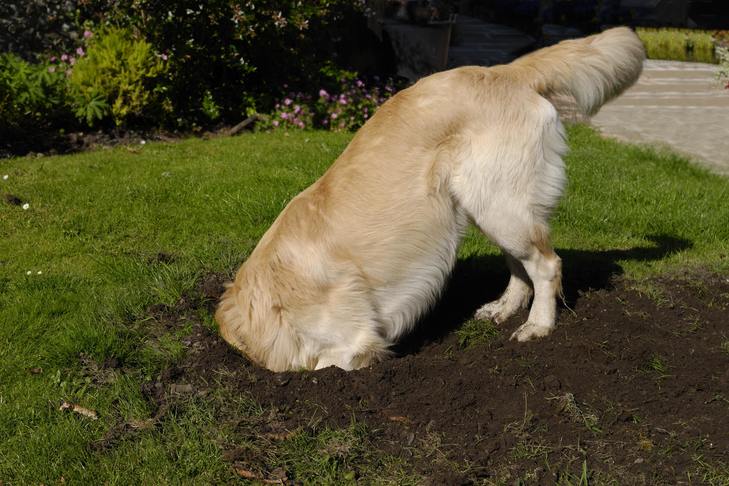
Image Source: www.akc.org
Deciphering Dog Digging Behavior: The Roots of the Habit
Dog digging behavior is deeply ingrained. It’s not a sign of a “bad” dog, but rather a normal expression of their ancestral instincts and a way to communicate their needs and feelings. Think of it as a primal language your dog uses to interact with their environment.
Instinctual Drives: A Legacy of the Wild
Long before domestication, dogs and their wild ancestors were natural excavators. This instinct is still very much alive in our modern pets.
Hunting and Prey Drive
Many breeds, particularly terriers, were specifically bred to hunt small prey like rodents, rabbits, and even insects. Digging is a fundamental part of this process. They dig to:
- Unearth prey: Chasing a scent underground naturally leads to digging.
- Access burrows: Small animals often live in underground dens, and dogs have evolved to dig to get to them.
- Contain prey: Sometimes, dogs will dig to secure their catch.
Even if your dog has never seen a wild rabbit, the instinct to chase and dig for prey can be triggered by even the smallest scent or movement. This is a significant reason for why dogs dig.
Creating a Den or Safe Space
Wild canids, like wolves, dig dens to:
- Escape the elements: Providing shelter from heat, cold, rain, or wind.
- Raise pups: Creating a secure environment for vulnerable young.
- Rest and feel safe: A den offers a secure, enclosed space for relaxation.
Your dog might be trying to replicate this safe haven in your yard. This can manifest as dog burrowing behavior, where they create a sheltered spot.
Cooling Down or Warming Up
Dogs can use digging to regulate their body temperature.
- Beating the heat: Digging into cooler earth can provide a much-needed respite on hot days.
- Seeking warmth: In colder weather, digging might be an attempt to find a warmer spot.
Environmental and Situational Triggers
Beyond instinct, several environmental and situational factors can encourage digging.
Boredom and Lack of Stimulation
A bored dog is often a destructive dog. If your dog isn’t getting enough mental or physical exercise, digging can become a self-soothing activity or a way to entertain themselves. This is a very common reason for dog digging for fun when they have nothing else to occupy their minds.
- Insufficient exercise: Long walks, runs, and playtime are crucial.
- Lack of mental challenges: Puzzle toys, scent games, and training sessions keep their minds engaged.
- Long periods alone: Dogs are social creatures and can become distressed or bored when left alone for extended periods.
Seeking Attention
If your dog has learned that digging gets your attention – even negative attention – they might continue the behavior. When you rush out to scold them, you’re still giving them what they want: your focus.
Escaping
Dog digging under fence is a classic escape tactic. Dogs may dig to:
- Explore: Curiosity about what lies beyond the fence.
- Reach a perceived reward: Smells, sounds, or sights of other dogs, people, or interesting areas.
- Join a companion: If they see or hear another dog outside.
- Anxiety or fear: Trying to escape a perceived threat or a stressful situation.
Burying and Hiding Valuables
Dogs have a natural instinct to bury things they consider valuable, like bones, toys, or even food. This behavior, often referred to as dog burying things, is a way to:
- Secure resources: Preventing others from taking their treasures.
- Save for later: A primitive form of food storage.
This can lead to strategic digging in specific spots around the yard.
Anxiety and Stress
Digging can be a coping mechanism for anxious dogs. This is particularly true for dogs suffering from separation anxiety. The act of digging can be a way for them to self-soothe or to expend pent-up energy caused by stress.
- Separation anxiety: Digging can occur when the dog is left alone.
- Fear of loud noises: Thunderstorms or fireworks can trigger digging as an attempt to escape or hide.
- General anxiety: A dog who is generally nervous might dig as a way to manage their feelings.
Comfort and Sensory Exploration
Sometimes, digging is simply about comfort.
- Cooling down: As mentioned earlier, digging into cooler earth.
- Creating a comfortable resting spot: Making a soft bed to lie in.
- Sensory engagement: The feel of dirt, the smell of the earth, and the act of digging can be inherently rewarding for some dogs.
Identifying the Culprit: Common Digging Scenarios
Pinpointing the exact reason for your dog’s digging can help you implement the most effective solutions.
The “Treasure Hunter”: Dog Burying Things
If your dog is digging in random spots, often with a toy or bone in their mouth, they are likely engaging in dog burying things. They might also dig up things they previously buried. This is a classic hoarding instinct.
The “Escape Artist”: Dog Digging Under Fence
This is a serious safety concern. Dog digging under fence usually involves a concentrated effort at the perimeter of the yard. They might repeatedly dig in the same spots.
The “Master Digger”: Dog Burrowing Behavior
This refers to digging deeper holes, often with the intent of creating a more substantial den. You might see them disappear into the hole they’ve created. This is often linked to instinctual den-making or seeking a cool, safe spot.
The “Artistic Expressionist”: Dog Scratching Yard
This describes the more superficial digging or scratching at the surface of the lawn. It can be a prelude to deeper digging, a way to mark territory, or simply an exploratory action.
The “Joyful Excavator”: Dog Digging for Fun
This is when digging seems to have no other purpose than pure enjoyment. It’s a way for the dog to release energy and engage in an activity they find inherently rewarding. This often happens when a dog is otherwise content and well-exercised but needs an outlet.
Practical Dog Digging Solutions: Reclaiming Your Yard
Once you have a better idea of why your dog is digging, you can start implementing solutions. The goal is not necessarily to eliminate the behavior entirely, but to redirect it and manage it effectively.
Addressing Boredom and Lack of Stimulation
This is often the easiest place to start.
- Increase Exercise: Ensure your dog gets enough physical activity. This means daily walks, runs, or vigorous play sessions. The amount needed varies by breed and age.
- Mental Enrichment: Provide puzzle feeders, treat-dispensing toys, and engage in regular training sessions. Scent games, like hiding treats around the house or yard, can be very engaging.
- Interactive Play: Spend quality time playing with your dog. Fetch, tug-of-war, and obedience games are great for bonding and expending energy.
- Doggy Daycare or Dog Walker: If you have long work hours, consider professional help to keep your dog stimulated and exercised.
Redirecting the Digging Instinct
If your dog has a strong urge to dig, you can channel it into an acceptable outlet.
- Create a Designated Digging Pit:
- Choose a suitable area in your yard, perhaps a corner that’s less visible.
- Use sand, loose soil, or even a sandbox designed for children.
- Bury toys or treats in the pit to encourage your dog to dig there.
- Make it fun! When your dog digs in the pit, praise them and offer a reward.
- When you catch them digging elsewhere, gently redirect them to their designated spot.
Deterring Digging in Unwanted Areas
Making unwanted digging spots less appealing can be effective.
- Physical Barriers:
- Use chicken wire or fencing around flower beds or areas you want to protect. Bury it a few inches underground to prevent dogs from digging under it.
- Large rocks or landscaping stones can also discourage digging.
- Unpleasant Textures:
- Place decorative rocks, gravel, or mulch in areas prone to digging.
- Some owners use commercially available “critter repellents” made from natural ingredients that are safe for dogs but unpleasant to dig in.
- Unpleasant Smells:
- Citrus peels, cayenne pepper (use sparingly and carefully, as it can irritate), or commercially available scent deterrents can make areas less attractive. Reapply regularly, especially after rain.
Preventing Escape: Dog Digging Under Fence Solutions
This requires immediate and firm action.
- Reinforce the Fence:
- Bury chicken wire or hardware cloth: Dig a trench along the base of the fence and bury wire mesh extending at least 6-12 inches underground, with the bottom edge bent outwards away from the yard. This makes it difficult to dig past.
- Install concrete footer: A more permanent solution is to pour a concrete footer along the base of the fence.
- Add a L-footer: Attach wire mesh horizontally to the ground at the base of the fence, extending outwards.
- Supervision: Never leave a dog prone to digging under a fence unsupervised, especially if you’re implementing new deterrents.
- Address the Reason for Escape: If your dog is trying to reach something outside, try to eliminate that trigger. If it’s another dog, ensure your dog has enough social interaction with you.
Managing Digging Related to Anxiety and Stress
If you suspect anxiety is the root cause, professional help is recommended.
- Consult a Veterinarian or Certified Professional Dog Trainer (CPDT-KA/SA): They can help diagnose anxiety and create a tailored behavior modification plan.
- Desensitization and Counter-Conditioning: Gradually expose your dog to triggers (like you leaving) while associating them with positive experiences (treats, toys).
- Create a Safe Space: Provide a comfortable crate or bed where your dog feels secure.
- Calming Aids: Discuss options like calming pheromone diffusers, anxiety wraps (like ThunderShirt), or prescribed medication with your vet.
Addressing Dog Burying Things
- Limit Access to “Valuables”: If your dog buries specific items excessively, consider putting them away when you’re not actively supervising.
- Provide More Appropriate Chews: Offer durable, safe chew toys that satisfy their chewing instinct.
- Supervise and Redirect: If you see them about to bury something, redirect them to a toy or a game.
Training and Management Strategies
Consistency is key when trying to stop or manage digging.
Positive Reinforcement
- Reward Good Behavior: When your dog is playing or resting in the yard without digging, offer praise and treats.
- Reward Use of the Digging Pit: Make a big deal out of it when they use their designated pit.
Redirection
- Interrupt and Redirect: If you catch your dog digging in an unwanted spot, interrupt them with a gentle noise (like a clap) and immediately redirect them to an acceptable activity or their digging pit. Avoid harsh punishments.
Management Tools
- Leash and Long Line: When supervising in the yard, keep your dog on a leash or long line initially to prevent them from escaping or digging unsupervised.
- Fencing: Ensure your existing fence is secure and free of escape routes.
Frequently Asked Questions (FAQ)
Q1: Can I stop my dog from digging altogether?
While it’s difficult to eliminate a natural instinct completely, you can significantly reduce and redirect digging behavior. The goal is to manage it by providing alternatives and making unwanted digging spots unappealing.
Q2: Is digging a sign that my dog is unhappy?
Not always. While digging can be a symptom of boredom or anxiety, it’s also a natural instinct. Observing other behaviors and the context of the digging will help you determine if happiness is an issue.
Q3: My dog only digs when I’m not home. What should I do?
This often points to boredom or separation anxiety. Ensure your dog has plenty of stimulation before you leave, consider puzzle toys or long-lasting chews, and consult a professional if you suspect anxiety.
Q4: What is the best way to stop dog digging under fence?
The most effective methods involve physically reinforcing the fence line with buried wire mesh or other barriers, and addressing the underlying reason your dog wants to escape.
Q5: Is it okay for my dog to dig in a designated digging pit?
Yes, providing a sanctioned outlet for digging is a great way to satisfy their instinctual needs while protecting the rest of your yard.
Table: Common Digging Triggers and Solutions
| Trigger | Common Behavior | Potential Solutions |
|---|---|---|
| Instinctual Hunting | Digging in specific areas, often with scent. | Provide puzzle toys, scent games, training. Consider a designated digging pit. |
| Boredom/Lack of Stim. | Digging randomly, chewing, destructive acts. | Increase physical exercise, mental enrichment (puzzle toys, training), interactive play. |
| Seeking Comfort | Digging to create a cool spot or soft bed. | Provide a cooling mat in summer, a comfortable bed. Ensure adequate shelter from elements. |
| Anxiety/Stress | Digging excessively, especially when alone. | Consult vet/trainer for anxiety management, desensitization, safe space creation, calming aids. |
| Escaping | Digging under fences, fences with gaps. | Bury wire mesh along fence lines, install concrete footers, address external triggers, increase supervision. |
| Burying Valuables | Digging in specific spots, retrieving buried items. | Limit access to items, provide more appropriate chews, supervise and redirect. |
| Attention Seeking | Digging when you are present to get a reaction. | Ignore digging, provide positive attention for calm behavior, redirect. |
| Environmental Factors | Digging to escape heat or cold. | Ensure adequate shelter and cooling/warming options are available. |
Conclusion: Patience and Consistency for a Happier Yard
Fathoming why dogs dig is the crucial first step in effectively addressing this ingrained behavior. Whether it’s a case of dog digging for fun, a natural instinct like dog burying things, or a cry for help due to anxiety, there are solutions. By providing ample exercise and mental stimulation, redirecting their digging efforts to a designated area, and employing deterrents and reinforcements, you can significantly reduce unwanted digging. For more complex issues like dog digging under fence or anxiety-driven digging, professional guidance is invaluable. Remember, patience and consistency are your greatest allies in this journey to a more harmonious relationship with your canine companion and a more pristine yard.