
Applying lime to your lawn is a crucial step for improving lawn health and promoting robust grass growth, especially when dealing with acidic soil. Soil pH testing is the first step to determine if your soil needs lime. Lime works by neutralizing acidity, which in turn makes essential nutrients more available to your grass, leading to better nutrient uptake and a lusher, greener lawn. It acts as a valuable soil amendment that can correct imbalances and foster a thriving environment for your turf.
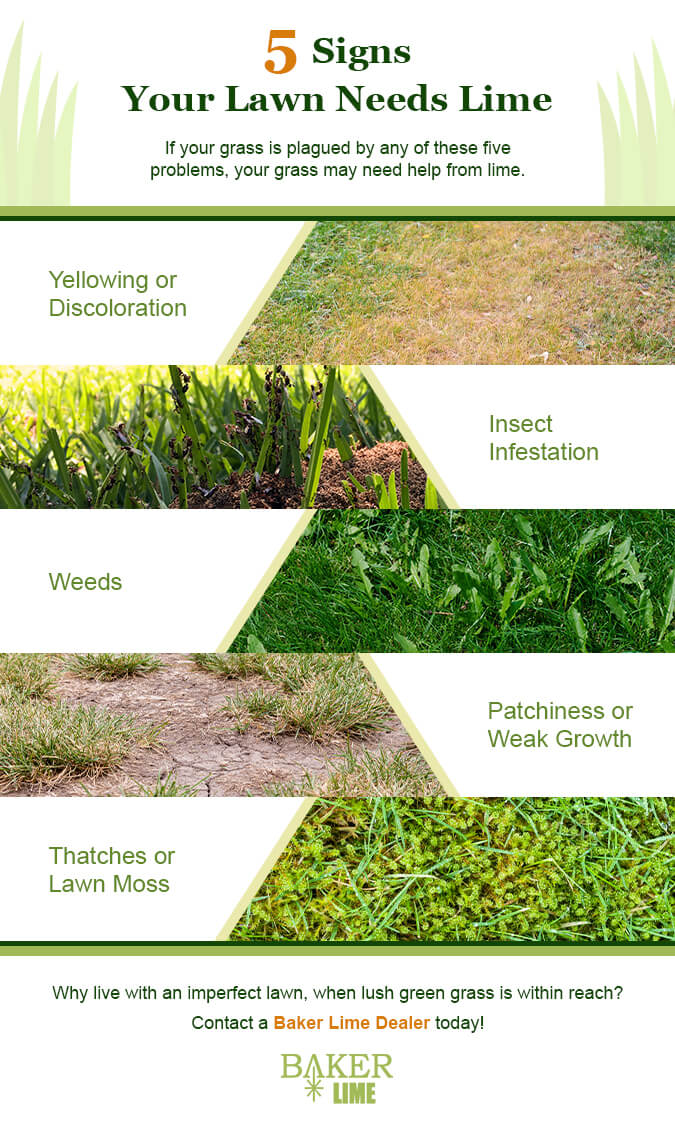
Image Source: www.bakerlime.com
What is Soil Acidity and Why it Matters
Your soil’s pH level is a measurement of how acidic or alkaline it is. This scale ranges from 0 to 14, with 7 being neutral. A pH below 7 indicates acidic soil, while a pH above 7 signifies alkaline soil. Most grasses prefer a slightly acidic to neutral pH, typically between 6.0 and 7.0. When soil becomes too acidic, it can create a host of problems for your lawn.
How Acidity Affects Your Lawn
- Nutrient Availability: Acidic soil locks up essential nutrients like nitrogen, phosphorus, and potassium, making them inaccessible to grass roots. This leads to stunted growth and yellowing.
- Root Development: Acidic conditions can damage grass roots, making them weaker and more susceptible to drought and disease.
- Beneficial Microbes: The soil’s microbiome, crucial for nutrient cycling and soil health, thrives in a balanced pH environment. Acidity can harm these beneficial organisms.
- Weed and Moss Invasion: Many weeds and moss species, such as moss, actually prefer acidic conditions. An acidic lawn can become a prime target for these undesirable invaders, hindering overall turf quality.
Deciphering Your Soil’s pH: The Importance of Testing
Before you grab a bag of lime, the most important step is to conduct a soil pH testing. You can purchase DIY kits from garden centers or send a soil sample to your local extension office for a more comprehensive analysis. This test will tell you your soil’s current pH level, guiding your liming strategy.
DIY Soil pH Testing Methods
- Home Testing Kits: These kits often involve mixing a soil sample with distilled water and a chemical indicator or using a digital meter. They offer a quick and easy way to get an approximate pH reading.
- Electronic pH Meters: These devices provide a digital readout of your soil’s pH. Ensure you calibrate the meter according to the manufacturer’s instructions for accurate results.
Professional Soil Analysis
For the most accurate and detailed information, consider a professional soil test. These tests not only measure pH but also assess nutrient levels, organic matter content, and soil texture. This comprehensive data helps you create a tailored soil amendment plan for optimal lawn health.
The Benefits of Applying Lime to Your Lawn
Lime is a natural mineral that, when applied to the soil, raises the pH level, effectively counteracting acidity. This simple process unlocks a cascade of benefits for your lawn.
Raising Soil pH
The primary function of lime is to increase soil pH. It achieves this by reacting with the soil’s acidity, neutralizing the excess hydrogen ions. This makes the soil less harsh and more hospitable for grass.
Enhancing Nutrient Uptake
As soil pH rises towards the ideal range, the availability of essential macronutrients (nitrogen, phosphorus, potassium) and micronutrients (iron, manganese, zinc) significantly improves. This means your grass can absorb these vital elements more efficiently, leading to better nutrient uptake and a healthier, more vibrant appearance.
Promoting Stronger Root Systems
With improved nutrient availability and a less acidic environment, grass roots can grow deeper and stronger. This increased root depth helps the lawn access water more effectively during dry periods and anchor itself more firmly, contributing to overall lawn health.
Suppressing Weeds and Moss
Many common lawn weeds and moss species thrive in acidic conditions. By raising the soil pH with lime, you create an environment that is less favorable for these unwanted guests, naturally suppressing their growth and improving turf quality. This can be a significant factor in moss control.
Improving Soil Structure and Aeration
While lime’s primary role is pH adjustment, it also contributes to better soil structure over time. As the pH becomes more balanced, the activity of beneficial soil microorganisms increases. These microbes help break down organic matter, improving soil aggregation and soil aeration. Better aeration allows oxygen, water, and nutrients to penetrate the soil more easily, benefiting grass roots.
Increasing Soil Buffering Capacity
Lime adds calcium and magnesium to the soil, which are essential cations. These cations help to soil buffer the soil, meaning it resists drastic changes in pH. A well-buffered soil maintains a more stable and optimal pH range, preventing rapid swings that can stress the grass.
Types of Lime and How They Work
There are several types of lime available for lawn use, each with slightly different properties. The most common are:
Agricultural Lime (Ground Limestone)
This is the most widely used and cost-effective form of lime. It is essentially finely ground limestone, typically composed of calcium carbonate or a mixture of calcium and magnesium carbonates (dolomitic lime).
- Calcium Carbonate Lime: Primarily provides calcium. It works more slowly but provides a more sustained release of alkalinity.
- Dolomitic Lime: Contains both calcium and magnesium. If your soil test indicates a deficiency in magnesium, dolomitic lime is an excellent choice. It also works a bit faster than straight calcium carbonate lime.
Quicklime (Burnt Lime) and Hydrated Lime
These are more concentrated and react much faster than agricultural lime. However, they are also more caustic and can burn grass if applied incorrectly. They are generally not recommended for home lawn use due to the risk of over-application and damage.
Pelletized Lime
Pelletized lime is agricultural lime that has been processed into small, uniform pellets. This makes it easier to spread evenly and reduces dust. While it may cost slightly more than loose lime, the ease of application can be worth it. The pellets break down in the soil, releasing their alkalinity.
When and How to Apply Lime for Maximum Effectiveness
Timing and application methods are critical for successful liming.
Best Times to Apply Lime
- Fall: This is often considered the ideal time. The lime has ample time to react with the soil over the winter, and the moisture helps it penetrate. Fall application also avoids potential stress on the grass during the heat of summer.
- Early Spring: Applying lime in early spring, before significant grass growth begins, is also beneficial. This allows the lime to work its magic as the growing season kicks off.
- Avoid Peak Stress Periods: Do not apply lime when the grass is stressed by extreme heat, drought, or during periods of heavy rainfall that can wash it away.
Application Methods
- Spreader: The most common method is using a broadcast spreader or a drop spreader.
- Broadcast Spreader: Ideal for larger areas, it casts the lime over a wide arc. Ensure you overlap passes slightly for even coverage.
- Drop Spreader: Better for precise application along edges and around obstacles. It drops the lime directly below the spreader.
- Watering: Lightly watering your lawn after applying lime can help it begin to dissolve and work into the soil, especially if you applied pelletized lime. However, avoid heavy watering that could wash the lime off the blades.
How Much Lime to Apply
The amount of lime you need depends on your soil’s pH and the type of lime you are using. Always follow the recommendations from your soil test. General guidelines are often provided on lime packaging, but it’s best to rely on your specific soil analysis. Over-liming can be detrimental, raising the pH too high and causing nutrient deficiencies.
General Application Rates (Illustrative – Always Consult Soil Test):
| Current Soil pH | Target Soil pH | Type of Lime | Application Rate (lbs per 1000 sq ft) |
|---|---|---|---|
| 5.0 | 6.5 | Agricultural Lime | 50 – 100 lbs |
| 5.5 | 6.5 | Agricultural Lime | 40 – 80 lbs |
| 6.0 | 6.5 | Agricultural Lime | 25 – 50 lbs |
Note: These are approximate and can vary based on soil type (sandy soils need less lime than clay soils) and the specific product used. Dolomitic lime may require slightly lower application rates.
Correcting Specific Lawn Problems with Lime
Beyond general lawn health, lime can address specific issues.
Addressing Moss in Lawns
Moss is a common indicator of acidic soil. When moss appears, it signals that your soil’s pH is likely too low. Applying lime is a direct way to combat moss by making the soil less hospitable to it. While lime won’t kill existing moss instantly, it will create conditions where grass can outcompete the moss as the pH improves. This is a key component of effective moss control.
Improving Nutrient Uptake and Fertilizer Efficiency
Lime’s ability to enhance nutrient uptake also means your fertilizers will be more effective. If your soil is acidic, even when you apply fertilizer, the grass may not be able to utilize it properly. Liming makes the nutrients in your fertilizer available, leading to better results from your feeding program.
Enhancing Soil Aeration and Structure
While not its primary function, liming can indirectly improve soil aeration and structure. By encouraging beneficial microbial activity, lime contributes to the breakdown of organic matter, which creates larger soil aggregates. These aggregates improve pore space, allowing better air and water movement into the root zone. This can also help alleviate soil compaction issues over time.
Important Considerations for Liming
- Don’t Over-Lime: Applying too much lime can raise the pH too high, leading to nutrient lockout (e.g., iron deficiency causing yellowing). Always follow soil test recommendations.
- Patience is Key: Lime does not work overnight. It can take several months for the pH to adjust fully, and the benefits will become more apparent over time as the soil structure and nutrient availability improve.
- Repeat Testing: Periodically re-test your soil’s pH (every 1-2 years) to monitor the effects of liming and determine if further applications are needed.
- Combine with Other Amendments: Lime is just one part of good lawn care. Combine it with proper watering, mowing, fertilization, and soil aeration for the best results.
Frequently Asked Questions (FAQ)
Q1: How often should I apply lime to my lawn?
The frequency of lime application depends on your soil’s initial pH and how quickly it tends to become acidic again. Typically, it’s recommended to re-test your soil every 1-2 years and apply lime as needed based on the results. In most cases, a proper liming can last for several years.
Q2: Can I apply lime at the same time as fertilizer?
It’s generally not recommended to apply lime and fertilizer at the exact same time. While some products combine lime and fertilizer, it’s often best to separate applications by a few weeks. This allows each product to work effectively without one interfering with the other’s nutrient uptake. Applying fertilizer when the soil pH is still too low can result in wasted nutrients.
Q3: What should I do if my soil is alkaline (high pH)?
If your soil test reveals that your soil is alkaline, applying lime is not the solution. Instead, you might consider adding elemental sulfur or using acidifying fertilizers (like ammonium sulfate) to lower the pH. Consult your soil test report for specific recommendations for alkaline soils.
Q4: How long does it take for lime to start working?
Lime begins to react with the soil immediately upon application, but noticeable changes in soil pH and benefits to grass growth can take several weeks to months. The rate of change depends on factors like soil type, moisture levels, and the fineness of the lime.
Q5: Will lime kill my grass?
When applied correctly and at recommended rates, lime will not kill your grass. However, applying too much lime (over-liming) or using caustic forms like quicklime or hydrated lime without proper precautions can damage or kill your lawn. Always follow product instructions and soil test recommendations.
Q6: What is the difference between calcitic lime and dolomitic lime?
Calcitic lime is primarily calcium carbonate and is best for soils deficient in calcium. Dolomitic lime contains both calcium and magnesium and is suitable for soils that are deficient in both or primarily magnesium. Both help raise soil pH.
Q7: Can lime help with compaction?
While lime itself doesn’t directly break up compacted soil, it improves soil structure over time by encouraging beneficial microbial activity. Healthier soil with better microbial populations can lead to improved aggregation and soil aeration, which can alleviate compaction. However, direct mechanical soil aeration methods (like core aeration) are usually more effective for immediate compaction relief.
By accurately assessing your soil’s needs through soil pH testing and applying lime judiciously, you can effectively correct acidic soil, dramatically improving your lawn health, encouraging robust grass growth, optimizing nutrient uptake, and enhancing your overall turf quality, making it a vital soil amendment for a beautiful and resilient lawn.