
Why do mushrooms grow in my lawn? Mushrooms sprout in lawns primarily because the conditions are right for fungi in grass to thrive. This often involves a combination of moisture, organic matter for lawn decomposition, and favorable soil conditions. Mushrooms are the fruiting bodies of these fungi, which exist underground as a network of mycelium.
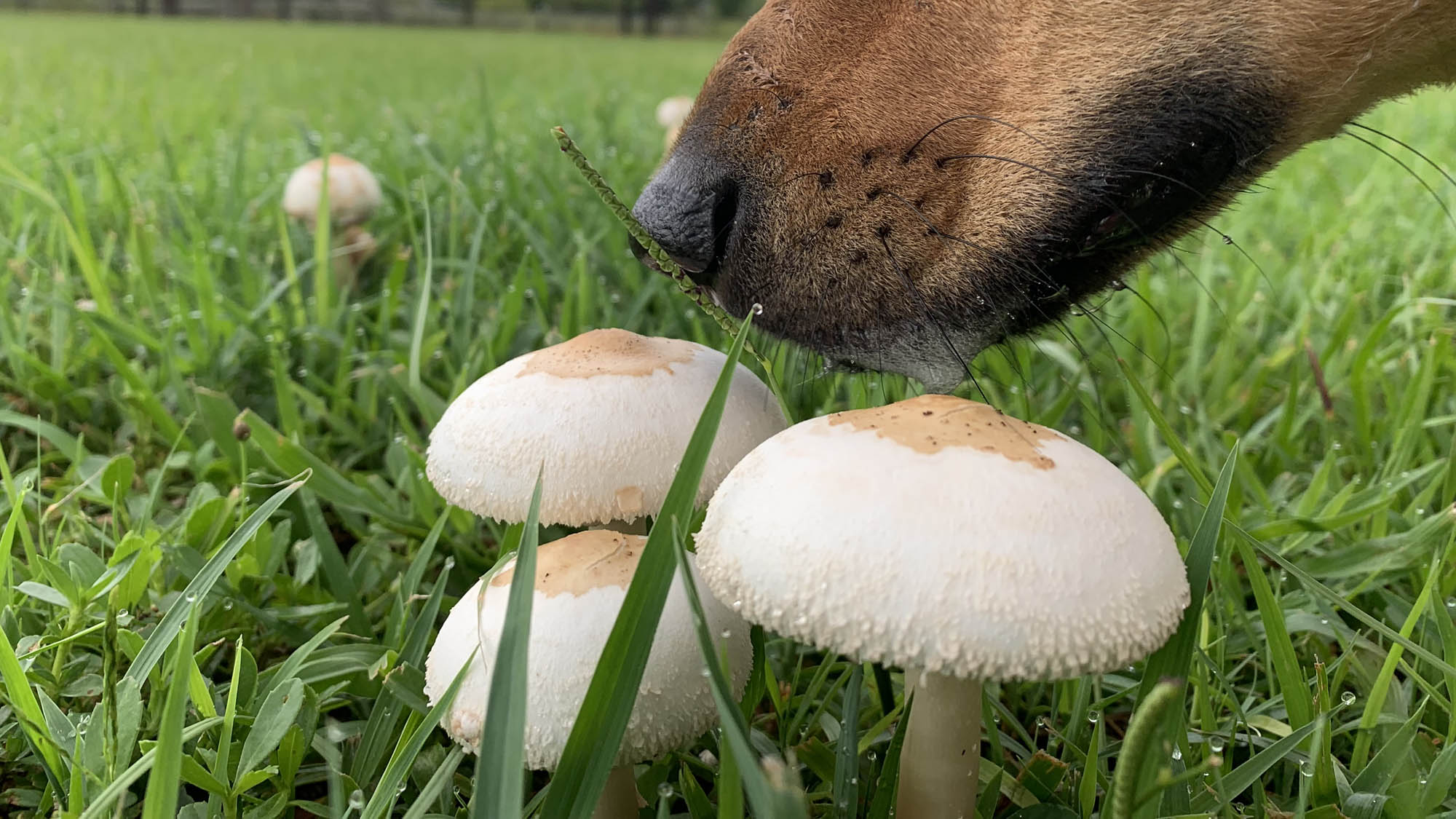
Image Source: homegrown.extension.ncsu.edu
Fathoming the Fungi: The Science Behind Lawn Mushrooms
Mushrooms, those familiar umbrella-shaped growths, are the reproductive structures of fungi. These often-misunderstood organisms play a vital role in our ecosystems, acting as nature’s recyclers. In the context of your lawn, their appearance signals a dynamic interplay of environmental factors and the hidden world beneath your feet.
The Ubiquitous Presence of Fungi in Grass
The truth is, fungi are almost always present in your lawn, even when you don’t see mushrooms. Their microscopic threads, called mycelium, are woven throughout the soil, breaking down organic matter. This constant activity is essential for nutrient cycling. When specific conditions align, this hidden network produces the visible mushrooms.
The Role of Lawn Decomposition
Mushrooms are a clear indicator of lawn decomposition. Your lawn is a living system, and as grass blades, roots, and other organic materials die, they become food for fungi. This decomposition process is natural and healthy for your soil, but an excess of undecomposed organic matter can provide a feast for mushroom-producing fungi. Think of it like leaving old leaves and clippings piled up – eventually, something will grow on them.
Interpreting Lawn Moisture Levels
Lawn moisture levels are a primary driver for mushroom growth. Fungi require moisture to germinate spores and for their mycelium to grow and produce fruiting bodies. Periods of heavy rain, over-watering, or poor drainage can create the consistently damp conditions that mushrooms love. Even dew can be enough to trigger their appearance in certain situations.
Assessing Your Soil Health
Soil health is another crucial factor. Healthy soil, rich in organic matter, is a good environment for grass but also for beneficial fungi. However, compacted or poorly aerated soil can exacerbate moisture retention, creating ideal conditions for mushroom proliferation.
Common Causes of Mushrooms in Your Lawn
Several factors contribute to the emergence of mushrooms in your lawn. Pinpointing the specific cause can help you address the issue effectively.
Thatch Buildup: A Hidden Menu for Fungi
Thatch buildup is a significant culprit. Thatch is a layer of dead and living stems, roots, and other organic matter that accumulates between the soil surface and the green blades of your grass. When this layer becomes too thick (more than half an inch), it acts like a sponge, retaining moisture and providing an ideal breeding ground for fungi. The decomposing organic matter within the thatch is a direct food source.
Excessive Watering and Poor Drainage
As mentioned, lawn moisture levels are key. If your lawn is receiving too much water, either from frequent, heavy irrigation or natural rainfall that doesn’t drain properly, mushrooms will likely appear. Poor drainage means water sits on or in the soil for extended periods, creating the anaerobic (low-oxygen) conditions that many fungi prefer.
Shady Conditions and Reduced Airflow
Areas of your lawn that are consistently shady, especially those with reduced airflow due to fences, buildings, or dense shrubbery, tend to stay moist longer. This lack of sunlight and poor circulation can create microclimates that are perfect for mushroom development.
Nutrient-Rich Soil (Sometimes Too Much of a Good Thing)
While healthy soil is good, an abundance of readily available organic nutrients can sometimes fuel excessive fungal growth. This can occur after applying too much fertilizer or if there’s a significant amount of decaying organic material, like tree roots, buried beneath the surface.
Seasonal Spikes
It’s common to see a surge in mushroom activity in the fall and spring. These seasons typically bring cooler temperatures and increased rainfall, creating the perfect combination of moisture and moderate warmth for fungal growth.
Deciphering the Mushroom Mystery: Identification is Key
Before you can effectively manage mushrooms, it’s important to try and identify them. Not all mushrooms are harmful, and some are actually beneficial fungi. However, some can be toxic, so caution is always advised, especially if you have pets or children who might come into contact with them.
Mushroom Identification
Mushroom identification can be challenging. There are thousands of species, and many look similar. If you’re concerned about toxicity, it’s best to err on the side of caution and remove any unfamiliar mushrooms.
Here’s a basic guide to common lawn mushroom types:
| Mushroom Type | Appearance | Common Causes |
|---|---|---|
| Common Lawn Mushroom (e.g., Meadow Mushroom, Ink Cap) | White to brown caps, gills underneath, single or in clusters. | Thatch, moisture, decaying organic matter. |
| Fairy Rings | Circular patterns of faster-growing grass with mushrooms around the outer edge. | Mycelium growing outwards underground, consuming organic matter, leaving nitrogen behind. |
| Puffballs | Spherical, white to cream-colored, no distinct stem or cap. | Dense, organic-rich soil, often found after rain. |
| Stinkhorns | Foul-smelling, phallic or egg-shaped structures, often slimy and brown. | Heavy organic decomposition, especially from buried woody material. |
| Parasitic Fungi (e.g., Fairy Ring Disease Fungi) | Can cause yellowing, thinning, or distinct rings of dying grass. | Fungi that actively attack grass roots or crowns, weakening the lawn. |
The Enigma of Fairy Rings
Fairy rings are a fascinating phenomenon. They appear as circles or arcs of darker green or faster-growing grass, often with mushrooms forming along the outer edge. These rings are caused by the outward growth of the underground mycelium. As the mycelium grows, it consumes organic matter in the soil. While it’s feeding, it also releases nutrients, which can stimulate grass growth within the ring. Eventually, the center of the ring may become depleted of nutrients, leading to a die-off or a change in grass color, creating the characteristic ring effect. Some fungi causing fairy rings can be parasitic fungi, actively damaging the grass roots.
Distinguishing Beneficial Fungi from Problematic Ones
Many fungi in your lawn are beneficial fungi, contributing to a healthy soil ecosystem. They break down organic matter, making nutrients available for grass. Problematic mushrooms often appear in excessive numbers, are associated with unhealthy lawn conditions (like excessive thatch or poor drainage), or are linked to diseases. If your lawn is generally healthy, a few scattered mushrooms might just be a sign of good soil activity.
Curing the Mushroom Menace: Strategies and Solutions
Addressing mushrooms in your lawn involves tackling the underlying causes. Here are effective strategies:
1. Enhance Lawn Aeration
Lawn aeration is a crucial step in combating mushroom growth. Aeration involves creating small holes in the soil, which helps to:
- Reduce Soil Compaction: Compacted soil traps moisture. Aeration loosens it, allowing water to drain more freely.
- Improve Airflow: Better airflow to the root zone reduces damp conditions that favor fungi.
- Break Down Thatch: Aeration can help to incorporate thatch deeper into the soil, where it can decompose more effectively and be utilized by beneficial soil microbes.
How to Aerate:
- Timing: Best done during the active growing season for your grass type (spring or fall for cool-season grasses, late spring or early summer for warm-season grasses).
- Method: Use a core aerator (preferred for its effectiveness) or a spike aerator. Core aerators pull out plugs of soil, leaving them on the surface to break down.
- Frequency: Aerate once a year, or twice a year if your soil is severely compacted.
2. Manage Thatch Buildup
Reducing thatch buildup is paramount.
- Dethatching (Power Raking): This process uses a mechanical dethatcher to rake out the accumulated thatch. It’s an aggressive treatment and is best done during the active growing season so the lawn can recover quickly.
- Proper Mowing: Avoid cutting grass too short, as this stresses the plant and can lead to more thatch. Allow grass clippings to fall back onto the lawn (grasscycling), as they decompose quickly and add nutrients, unless they are very long and clumping.
- Appropriate Fertilization: Over-fertilizing can lead to rapid grass growth and increased thatch production. Follow a soil test and fertilize according to your lawn’s needs.
3. Optimize Lawn Moisture Levels
Controlling lawn moisture levels is key to discouraging mushrooms.
- Water Wisely: Water deeply and less frequently. Aim to moisten the soil 4-6 inches down, then allow the surface to dry out between waterings. This encourages deeper root growth and reduces surface dampness.
- Improve Drainage: If your lawn has persistent soggy spots, consider improving drainage. This might involve amending the soil with organic matter, installing a drainage system, or regrading low areas.
- Check Sprinkler Systems: Ensure your sprinklers are not over-watering or watering during the hottest parts of the day, which leads to more evaporation and less efficient watering.
4. Adjust Sunlight and Airflow
- Pruning: Trim back overhanging tree branches or dense shrubs that cast excessive shade on your lawn and reduce airflow.
- Tree Removal: In extreme cases, removing trees that heavily shade the lawn might be necessary.
5. Remove Mushrooms Manually
While not a long-term solution, manually removing mushrooms can help reduce spore dispersal and appearance.
- Raking and Disposal: Rake up the mushrooms and dispose of them in a sealed bag in the trash. Do not compost them, as this can spread spores.
- Hole Punching: For fairy rings, you can try punching holes around the affected area to improve drainage and break up the mycelial network.
6. Chemical Treatments (Use with Caution)
Chemical fungicides are available for mushroom control, but they are often a last resort and should be used cautiously.
- Effectiveness: Fungicides primarily target the visible mushrooms, not the underground mycelium, so their effect can be temporary. They are also most effective when applied preventatively.
- Environmental Impact: Be mindful of the potential impact on beneficial soil organisms and the environment. Always follow label instructions precisely.
- Identify the Fungus: For targeted treatment, mushroom identification can be helpful, but it’s often difficult to pinpoint the exact species.
7. Enhancing Lawn Health for Resilience
Ultimately, a healthy, well-maintained lawn is more resilient to fungal issues.
- Proper Mowing Height: Maintain the recommended mowing height for your grass type.
- Overseeding: Fill in thin or bare patches with appropriate grass seed to prevent weed growth and encourage a dense turf that competes better with fungi.
- Soil Testing: Regularly test your soil to ensure proper pH and nutrient levels, which supports healthy grass growth.
Frequently Asked Questions about Lawn Mushrooms
Q1: Are lawn mushrooms poisonous?
Many lawn mushrooms are not poisonous, but some can be. It’s impossible to tell if a mushroom is toxic just by looking at it, so it’s best to keep children and pets away from them and remove them if you are unsure.
Q2: Can I eat mushrooms that grow in my lawn?
It is strongly advised not to eat any mushrooms that grow in your lawn unless you are an expert mycologist and have positively identified them as a safe, edible species. Even then, contamination from lawn treatments or proximity to other plants can be a concern.
Q3: Will mushrooms damage my lawn?
Most mushrooms themselves do not directly damage the grass. However, the underlying conditions that cause mushrooms – such as excessive moisture, thatch, or parasitic fungi – can harm your lawn. Fairy rings, for instance, can sometimes indicate parasitic activity.
Q4: How can I prevent mushrooms from growing in my lawn?
Prevention focuses on addressing the causes: maintaining proper lawn moisture levels (watering less frequently and more deeply), reducing thatch buildup, ensuring good soil health through lawn aeration, and improving sunlight and airflow.
Q5: My lawn has a fairy ring. What should I do?
For minor fairy rings, you can try to improve drainage and air circulation through aeration. For more persistent or damaging rings, you might need to use a specific fungicide or, in some cases, remove and reseed the affected area. Focusing on overall lawn health is crucial.
Q6: Are all fungi in grass bad?
No, not all fungi are bad. Many are beneficial fungi that are essential for breaking down organic matter and cycling nutrients in the soil, contributing to good soil health. Mushrooms are simply the reproductive parts of these fungi, and their appearance often signals that certain conditions are favorable for their growth.