
Many mushrooms in your yard are usually a sign of healthy soil with plenty of moisture and nutrients, often indicating that fungal growth is thriving. Can you eat them? It’s best to assume no wild mushrooms are edible unless you are an expert identifier, as many can be poisonous.
Seeing a scattering of mushrooms pop up across your lawn might be puzzling, even a little alarming, especially if you’ve never noticed them before. It’s a common question for homeowners, and the answer is usually quite straightforward: mushrooms are a natural part of your yard’s ecosystem. They are the fruiting bodies of fungi, which are an essential component of healthy soil. While they might seem out of place or even unsightly, their presence often points to beneficial soil conditions.
Let’s dive deeper into why those fascinating fungi are making your yard their home and what it means for your lawn health.
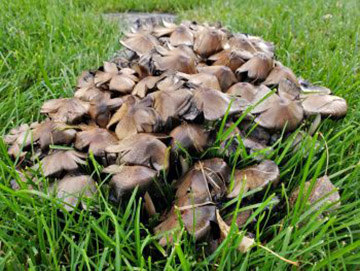
Image Source: organolawn.com
The Natural Life Cycle of Fungi
Fungi are incredibly diverse and play a vital role in breaking down organic material. They are nature’s recyclers. The mushrooms you see are just the tip of the iceberg, the reproductive structures that emerge from a much larger network of thread-like filaments called mycelium, which lives hidden beneath the soil. This mycelium is constantly working to decompose decaying organic matter, releasing nutrients back into the soil. This process is crucial for plant life, including your grass.
Think of it this way: your yard is a complex biological system. The fungi are hardworking decomposers, breaking down fallen leaves, dead grass, twigs, and even old wood. This breakdown enriches the soil, making it more fertile and providing food for plants. So, while you might not appreciate the visual of mushrooms, their presence is often a positive indicator of a robust underground network.
Key Factors Leading to Mushroom Growth
Several environmental factors create the perfect conditions for mushrooms to appear. Recognizing these factors can help you understand why they’re popping up in your yard.
Soil Conditions and Nutrient Richness
Mushrooms thrive in moist, nutrient-rich soil. If your soil has been recently amended with compost or if you have a lot of decaying organic matter on your lawn, this provides an ideal food source for the underground mycelium. Healthy soil isn’t just about the minerals; it’s also about the life within it. Fungi are a crucial part of that life.
- Moisture Levels: Fungi require a consistent supply of moisture to grow and produce mushrooms. This can come from rain, irrigation, or even heavy dew.
- Organic Matter: As mentioned, decomposing leaves, grass clippings, thatch, and buried wood are primary food sources for fungi. The more of this “food” available, the more mycelium can develop and, subsequently, the more mushrooms can appear.
- Soil Aeration: While fungi need moisture, they also need air. Compacted soil can hinder air circulation, but healthy soil with good structure allows for the necessary gas exchange.
Moisture and Watering Habits
Overwatering is a common culprit for mushroom outbreaks. When the soil stays consistently wet, it creates an environment where fungi flourish. Even if you’re not intentionally overwatering, heavy rainfall or poor drainage can lead to the same result.
- Excessive Rainfall: Periods of heavy rain can saturate the soil, providing the ideal damp conditions for mushroom development.
- Poor Drainage: If your yard doesn’t drain well, water can sit on the surface or in the soil for extended periods, creating a swampy environment that fungi love.
- Automatic Sprinkler Systems: If your sprinklers are set too long or too frequently, they can contribute to overwatering and subsequent mushroom growth.
Sunlight and Shade
Many mushroom species prefer shaded, humid environments. If parts of your yard are heavily shaded by trees, buildings, or dense shrubs, these areas are prime real estate for fungal activity.
- Tree Canopy: Dense tree canopies can keep the soil beneath them moist and cool, limiting evaporation and promoting fungal growth.
- Shady Spots: Areas that receive less direct sunlight will naturally retain moisture for longer, making them more conducive to mushrooms.
Presence of Decaying Organic Matter
This is perhaps the most significant factor. Mushrooms are decomposers. They break down dead plant material.
- Leaf Litter: A thick layer of fallen leaves left on the lawn provides a substantial food source.
- Thatch Buildup: Thatch is a layer of dead and living grass shoots, stems, and roots that accumulates between the green grass and the soil surface. Excessive thatch provides ample food for fungi.
- Buried Debris: Old tree stumps, buried wood scraps, or even construction debris can continue to decompose for years, fueling fungal networks.
Common Reasons for Seeing Lots of Mushrooms
Let’s break down the specific scenarios that lead to a yard full of mushrooms.
Newly Laid Sod or Seed
When you introduce new grass, you’re essentially creating a new ecosystem. The soil, often disturbed and sometimes amended with compost, combined with the initial watering to establish the new lawn, can create ideal conditions for fungi to appear. This is usually a temporary phase as the lawn matures.
After Heavy Rain or Extended Wet Periods
This is a classic scenario. A good soaking rain can awaken dormant fungal spores and provide the moisture needed for the mycelium to produce fruiting bodies – the mushrooms. If your yard remains damp for several days, expect to see them.
Areas with Lots of Shade and Moisture
As discussed, shady, damp spots are perfect for mushrooms. Think about areas under large trees, along the north side of buildings, or where water tends to collect. These microclimates are often ideal for fungal fungal growth.
Lawn Maintenance Practices
Sometimes, our own yard maintenance can inadvertently encourage mushrooms.
- Leaving Grass Clippings: While mulching grass clippings can be beneficial, if you leave large clumps or don’t allow them to break down, they can contribute to thatch and provide food for fungi.
- Top-Dressing with Compost: Applying a layer of compost is great for soil health, but if it’s a very thick layer or the soil is already quite moist, it can lead to a mushroom bloom.
- Over-Fertilizing: While not a direct cause, over-fertilizing can sometimes lead to lush grass growth, which in turn creates more organic matter (dead grass blades) for fungi to consume.
The Mystery of Fairy Rings
You might have noticed mushrooms growing in a perfect circle or arc. This is known as a “fairy ring,” and it’s a fascinating phenomenon.
- How They Form: A fairy ring starts from a single fungal spore. As the mycelium grows outwards underground, it consumes nutrients from the soil. Eventually, the mycelium at the center “starves” or becomes less vigorous, while the actively growing outer edge continues to expand. The mushrooms then appear along this actively growing edge.
- Impact on Lawn Health: While visually striking, fairy rings can sometimes stress the grass within and around the ring due to nutrient depletion or increased fungal activity. However, they are also a sign of a healthy, established fungal network in the soil.
What Do Mushrooms Mean for Your Lawn Health?
Generally, the presence of mushrooms is a positive sign for your soil’s health. They indicate:
- Healthy Soil Ecosystem: They are evidence of a vibrant community of microorganisms working to break down organic matter and cycle nutrients.
- Good Moisture Retention: They show that your soil holds moisture well, which is good for your grass.
- Presence of Organic Matter: They are indicators that there are food sources available for soil organisms.
However, there are a few nuances to consider:
- Thatch: If mushrooms are appearing in conjunction with a thick, spongy layer of thatch, it can be a sign that the thatch layer is becoming too deep and needs to be managed.
- Overwatering: If you suspect overwatering is the cause, addressing your watering schedule is crucial for both mushroom control and overall lawn health.
- Toxicity: Crucially, always remember that many mushrooms are poisonous. Keep pets and children away from them. If you have pets that might ingest them, it’s important to remove them.
Mushroom Identification: Is It Safe?
Mushroom identification is a specialized skill. It is strongly advised not to consume any mushrooms found in your yard unless you are an absolute expert and can identify them with 100% certainty. Many edible mushrooms have poisonous look-alikes.
Table 1: Common Factors Contributing to Mushroom Growth
| Factor | Description | Impact on Mushrooms |
|---|---|---|
| Soil Moisture | Consistent dampness in the soil. | Essential for fungal growth and mushroom production. |
| Decaying Organic Matter | Presence of fallen leaves, grass clippings, thatch, wood, and other decomposing material. | Provides food and energy for the underground mycelium. |
| Shade | Areas receiving limited direct sunlight. | Helps retain soil moisture and keeps temperatures cooler. |
| Nutrient-Rich Soil | Soil with ample decomposed organic matter. | Supports a larger and more active fungal population. |
| Compacted Soil (Less Common) | Soil that is dense and lacks aeration. | Can sometimes limit growth, but some fungi tolerate it. |
| Overwatering | Excessive moisture due to frequent or lengthy watering or poor drainage. | Creates saturated conditions that fungi thrive in. |
What You Can Do About Yard Mushrooms
If you find the mushrooms unsightly or are concerned about pets and children, there are steps you can take. However, remember that completely eradicating them without harming your lawn can be challenging because you’re dealing with a vast underground network.
Addressing the Underlying Causes
The most effective approach is to manage the conditions that encourage mushroom growth.
- Improve Drainage: If water pools in certain areas, consider aeration or installing drainage systems.
- Reduce Thatch: Dethatch your lawn regularly, especially if the thatch layer is more than half an inch thick. This removes excess organic material.
- Manage Organic Debris: Rake up fallen leaves and grass clippings promptly. Avoid leaving large piles.
- Adjust Watering: Ensure you are watering deeply but infrequently, allowing the soil surface to dry out between waterings. This discourages fungal growth.
- Increase Sunlight: Prune dense shrubs or tree branches that create excessive shade if possible.
Physical Removal
Simply picking the mushrooms by hand and discarding them is a common solution.
- How to Remove: Use a spade or trowel to carefully dig up the mushroom, trying to get as much of the base as possible.
- Disposal: Place them in a sealed bag and dispose of them in the trash. Do not compost them, as this can spread spores.
Using Fungicides (Use with Caution)
While fungicides can kill surface mushrooms, they are less effective against the extensive underground mycelium. If you choose to use them, follow the product instructions carefully.
- Spot Treatment: Apply fungicide only to the affected areas.
- Consider Lawn Health: Some fungicides can also harm beneficial soil organisms, so use them as a last resort and with consideration for your overall lawn health.
Natural Solutions
Some gardeners explore natural deterrents, though their effectiveness can vary.
- Cornmeal: Some people sprinkle cornmeal on the lawn, believing it encourages beneficial fungi that outcompete the mushroom-producing fungi.
- Vinegar Solution: A diluted solution of vinegar can sometimes be used as a spot treatment, but it can also damage grass.
Frequently Asked Questions (FAQ)
Q1: Are mushrooms in my yard dangerous?
A1: The mushrooms themselves can be dangerous if ingested by pets or small children due to potential toxicity. The presence of mushrooms is generally a sign of healthy soil, but if you’re concerned about toxicity, it’s best to remove them.
Q2: Can I eat the mushrooms from my yard?
A2: It is strongly advised not to eat wild mushrooms unless you are a trained expert. Many edible mushrooms have poisonous look-alikes, and misidentification can be deadly.
Q3: How do I get rid of fairy rings?
A3: Getting rid of fairy rings completely is difficult because they are caused by the underground mycelium. You can manage them by improving soil aeration and drainage, dethatching, and ensuring proper watering. Sometimes, carefully aerating the soil within and around the ring and applying nitrogen fertilizer can help the grass recover.
Q4: Is it normal to have so many mushrooms after rain?
A4: Yes, it is very common to see a significant increase in mushrooms after periods of rain or prolonged dampness, as moisture is essential for fungal growth.
Q5: What is the best time of year for mushrooms to grow?
A5: Mushrooms typically appear in the fall and spring, when temperatures are mild and there is ample moisture. However, they can appear at any time of year if the conditions are right, especially in sheltered or frequently watered areas.
Q6: Does a lot of mushrooms mean my lawn is unhealthy?
A6: No, quite the opposite. A proliferation of mushrooms usually indicates healthy, moist soil rich in decaying organic matter, which supports a robust underground ecosystem. However, if the mushrooms are accompanied by signs of lawn disease or excessive thatch, it might point to other issues that need addressing.
Q7: How does compost affect mushroom growth?
A7: Compost is a nutrient-rich material that fungi feed on. Applying compost can encourage fungal growth, leading to more mushrooms, especially if the soil is also moist. It’s a sign that the compost is working to enrich the soil.
Q8: What is thatch, and how does it relate to mushrooms?
A8: Thatch is a layer of dead and living grass stems, roots, and crowns that builds up on the soil surface. It acts as a food source for fungi, so a thick thatch layer can contribute to mushroom growth. Regular dethatching is an important part of yard maintenance.
Conclusion
So, why do you have so many mushrooms in your yard? It’s usually a sign that your soil is alive, well-hydrated, and full of the organic material that fungi need to thrive. While they might not be the aesthetic you’re aiming for, they are a natural and often beneficial part of a healthy yard ecosystem. By addressing the underlying soil conditions, managing moisture, and keeping up with good yard maintenance practices like dethatching and removing debris, you can influence the environment and, in turn, the frequency of these fascinating fungi making an appearance. Remember to always prioritize safety by keeping pets and children away from any unknown mushrooms.