
What causes mushrooms on my lawn? Mushrooms appear on your lawn primarily due to the presence of decomposing organic matter in the soil, coupled with favorable soil conditions and adequate moisture levels.
Seeing mushrooms popping up on your otherwise pristine lawn can be a bit of a surprise. You might wonder if it’s a sign of lawn disease or something more sinister. The truth is, fungal growth, which produces mushrooms, is a natural part of a healthy ecosystem. These fascinating growths, often referred to as toadstools, are actually the fruiting bodies of fungi that live beneath the soil. They play a vital role in breaking down organic materials, enriching your soil over time. So, while they might not be the aesthetic you were aiming for, they’re not necessarily a bad thing. Let’s delve deeper into why they appear and what you can do about them.
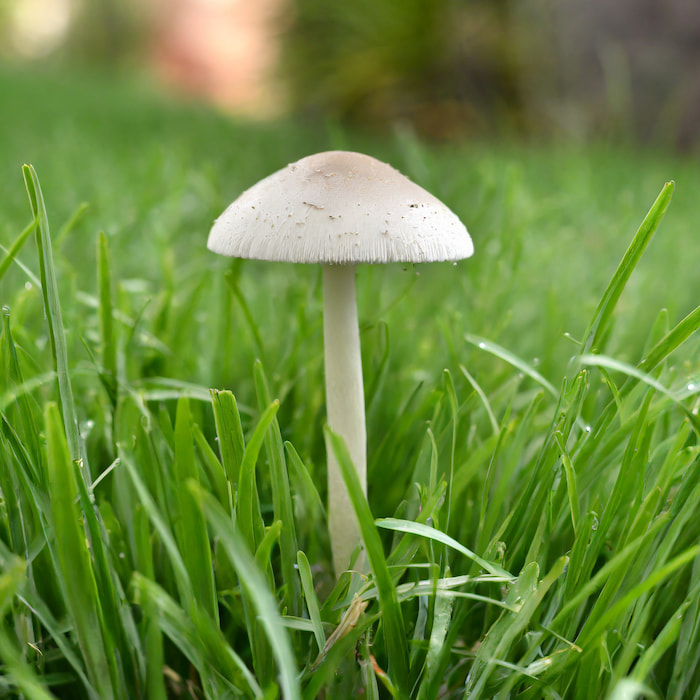
Image Source: legacyturffarms.com
Fathoming the Fungal Factors
The appearance of mushrooms on your lawn is a direct indicator of specific environmental conditions that fungi thrive in. It’s a natural process, a sign that your soil is alive and working.
The Essential Ingredients for Mushroom Growth
For mushrooms to emerge, several key elements must be present. Think of it like baking a cake – you need the right ingredients in the right proportions for the desired outcome.
- Decomposing Organic Matter: This is the primary food source for the fungi that produce mushrooms. Your lawn is a rich environment for this. Fallen leaves, grass clippings, dead roots, and even buried wood all provide the necessary fuel. The fungi break down this material, returning nutrients to the soil.
- Moisture Levels: Fungi, like most living organisms, require water to survive and reproduce. Heavy rainfall, over-watering, or even dew can create the damp conditions that encourage mushroom growth. Consistent moisture, especially when combined with organic matter, is a prime recipe for these growths.
- Soil Conditions: The type and health of your soil play a significant role. Fungi prefer soil that is rich in organic content and has a good structure. Compacted soil can sometimes lead to poor drainage, creating localized wet spots that are ideal for fungal activity.
- Temperature: While less of a direct cause for mushroom appearance than moisture and food, temperature influences the speed at which fungi grow. Many species prefer moderate temperatures, making spring and fall prime seasons for mushroom sightings.
Deciphering the Types of Lawn Mushrooms
Not all mushrooms are created equal, and the types you see can give you clues about your lawn’s health.
Common Culprits and Their Causes
While mushroom identification can be a complex field, some common types frequently appear on lawns.
- Inky Caps: These often appear in clusters after heavy rain. They are known for their caps dissolving into an inky liquid as they age. They are typically harmless to your grass.
- Meadow Mushrooms: These are similar to the mushrooms you might find in a grocery store and are generally considered beneficial, as they break down organic matter.
- Puffballs: These spherical fungi release their spores when disturbed. Smaller puffballs are often harmless, but larger ones can indicate a significant amount of decaying organic matter below the surface.
The Role of Thatch Build-up
Thatch build-up is a layer of dead and living plant material that accumulates between the green grass blades and the soil surface. It’s a common issue in many lawns, and it directly contributes to mushroom growth.
How Thatch Encourages Fungi
- Moisture Retention: Thatch acts like a sponge, holding onto moisture. This creates a consistently damp environment, even if the surface of the soil dries out slightly. This retained moisture is a haven for fungal mycelium.
- Nutrient Source: The organic matter within the thatch layer itself is a food source for fungi. As grass clippings, dead roots, and other plant debris accumulate, they provide ample sustenance for these organisms.
- Insulation: Thatch can insulate the soil, keeping it cooler and moister for longer periods, further promoting fungal growth.
A thick thatch layer often signals that the natural decomposition process is not keeping pace with the rate of organic matter accumulation. This is where proactive lawn care becomes crucial.
The Mystery of Fairy Rings
One of the most intriguing phenomena associated with lawn mushrooms is the formation of fairy rings. These are circles or arcs of mushrooms that appear in the grass.
The Science Behind the Magic
Fairy rings are caused by the outward growth of a single fungal organism (mycelium) from a starting point. As this underground network expands, it consumes the organic matter in its path.
- The Ring Formation: The mushrooms are the reproductive structures that emerge from the mycelium. As the fungus grows outwards, it creates a circular pattern. The inner part of the ring may die off as the fungus depletes its food source in that area, while the outer edge continues to expand.
- Nutrient Depletion and Enrichment: Interestingly, the area within a fairy ring can sometimes appear darker green and grow more vigorously than the surrounding grass. This is because the fungus, in its process of decay, releases nutrients. Conversely, in some cases, the fungal activity can deplete nitrogen, leading to a yellowing or dying off of the grass within the ring.
- Identifying the Cause: The presence of a fairy ring is a clear indicator of a substantial fungal network at work beneath your lawn, typically feeding on buried organic material like old tree stumps or compacted soil.
Addressing Mushroom Growth on Your Lawn
While mushrooms are a natural part of lawn ecology, you might want to reduce their presence for aesthetic reasons or if you suspect they are linked to underlying lawn problems.
Practical Lawn Care Solutions
Effective lawn care practices can help manage and prevent excessive mushroom growth.
Cultural Practices for Mushroom Management
- Aeration: This process creates small holes in the soil, improving air circulation and water drainage. It helps to break up compacted soil and reduce thatch, making the environment less hospitable to fungi.
- Dethatching: Regularly removing thatch is essential. This can be done with a power rake or a manual dethatching tool. By reducing the amount of accumulated organic matter, you remove the food source and moisture reservoir for fungi.
- Proper Watering: Avoid over-watering your lawn. Water deeply but less frequently to encourage deeper root growth and allow the soil surface to dry out between waterings. Check your soil’s moisture levels before watering.
- Fertilization: Ensure you are fertilizing your lawn appropriately. Healthy, well-fed grass can outcompete fungi. However, avoid over-fertilizing, as this can also contribute to thatch build-up.
- Topdressing: Applying a thin layer of compost or soil can help to improve soil structure and aeration.
- Remove Visible Mushrooms: For immediate aesthetic improvement, you can simply rake or pick the mushrooms. Be aware that this is a temporary solution, as it doesn’t address the underlying fungal growth.
When to Consider Chemical Treatments
Chemical fungicides are available for mushroom control, but they are generally not recommended as a first line of defense. They do not address the root cause of the problem (decomposing organic matter) and can sometimes harm beneficial soil organisms.
- When to Use Fungicides: Fungicides are typically reserved for severe cases where the mushrooms are persistent and are accompanied by signs of lawn disease.
- Consult a Professional: If you decide to use a fungicide, it’s best to consult with a local gardening expert or a lawn care professional. They can help you identify the specific fungus and recommend the most appropriate treatment.
Table: Common Mushroom Causes and Their Solutions
| Mushroom Appearance | Primary Cause | Recommended Lawn Care Solution(s) |
|---|---|---|
| Scattered clusters | Decomposing organic matter, moisture | Aeration, dethatching, proper watering, topdressing |
| Fairy rings | Large underground fungal network | Identify and remove buried wood (if possible), aeration, dethatching |
| Thick, persistent growth | Heavy thatch build-up, rich soil | Regular dethatching, aeration, proper watering |
| Associated with yellow patches | Potential lawn disease | Mushroom identification, fungicide (consult professional) |
The Importance of Mushroom Identification
While you might not need to become an expert mycologist, a basic understanding of mushroom identification can be beneficial. Some mushrooms are poisonous, and it’s wise to prevent children and pets from ingesting them.
Safety First
- Assume Poisonous: If you’re unsure about a mushroom’s identity, it’s safest to assume it’s poisonous. Keep children and pets away from areas where mushrooms are growing.
- Local Resources: Many local agricultural extension offices or university botany departments offer resources for mushroom identification. You can often submit photos for analysis or find guides specific to your region.
When Mushrooms Indicate a Deeper Problem
While mushrooms are generally a sign of a healthy, albeit damp and organic-rich, soil, they can sometimes accompany specific lawn diseases.
Recognizing the Signs
If you notice mushrooms appearing alongside other symptoms like discolored patches of grass, wilting, or bare spots, it might indicate a more serious issue.
- Ring Rot: Some fungal diseases that affect grass can also produce fruiting bodies that resemble mushrooms, sometimes within rings.
- Root Rot: If your lawn is experiencing root rot, the fungi responsible might also produce above-ground mushrooms as a sign of their presence.
In such cases, accurate mushroom identification and lawn disease diagnosis are crucial. A professional lawn care service can help determine if there’s an underlying disease that needs specific treatment.
Frequently Asked Questions (FAQ)
Can I eat the mushrooms growing on my lawn?
It is strongly advised not to eat any mushrooms found growing on your lawn. Even if a species looks familiar, subtle differences can make it poisonous. Many common lawn mushrooms are not edible, and some can be toxic or even deadly. Always rely on professionally cultivated mushrooms for consumption.
Are mushrooms bad for my lawn?
Mushrooms themselves are not inherently bad for your lawn. They are a sign of fungal activity, which is a natural part of decomposition. However, their presence often indicates underlying conditions like excess moisture or thatch build-up, which can be detrimental to lawn health if left unmanaged.
How do I get rid of mushrooms permanently?
You cannot permanently get rid of all mushroom growth because the fungi are an integral part of the soil ecosystem. However, you can significantly reduce their appearance by addressing the conditions that encourage them. This involves managing thatch, improving soil aeration, and ensuring proper watering practices.
Why do mushrooms appear after it rains?
Rain provides the necessary moisture that fungi need to produce their fruiting bodies (mushrooms). The damp conditions allow the underground mycelium to push up through the soil and release spores.
What is thatch and why is it a problem?
Thatch is a layer of dead and living organic matter that accumulates on the soil surface between the grass blades. While a thin layer can be beneficial, excessive thatch can block sunlight, air, and water from reaching the soil, and create an ideal environment for pests and diseases, as well as fungi that cause mushrooms.
What are fairy rings?
Fairy rings are circular patterns of mushroom growth on a lawn. They are caused by the outward expansion of a single fungal organism (mycelium) beneath the soil, which consumes organic matter as it grows.
Is it okay if my dog or cat eats the mushrooms?
No, it is not okay. Many mushrooms are toxic to pets, and ingestion can lead to severe illness or even death. If you suspect your pet has eaten a mushroom, contact your veterinarian immediately.
What is the best way to deal with fairy rings?
Dealing with fairy rings involves addressing the underlying fungal activity. This can include removing any buried wood that might be feeding the fungus, aerating and dethatching the lawn to improve soil conditions, and ensuring proper watering. In severe cases, specific treatments may be required.
Conclusion
The appearance of mushrooms on your lawn is a natural phenomenon, often indicating a healthy soil ecosystem with plenty of decomposing organic matter. While they might not always be the most aesthetically pleasing, understanding the causes—such as moisture levels, soil conditions, and thatch build-up—allows for effective lawn care and management. By implementing practices like aeration, dethatching, and proper watering, you can create a less hospitable environment for fungal growth. Remember that mushroom identification is important for safety, especially around children and pets. While you can’t eliminate fungi entirely, you can certainly keep your lawn healthy and beautiful by managing the conditions that allow these natural wonders to emerge.