
You have grubs in your lawn because the adult beetles that lay the eggs that hatch into grubs are attracted to healthy, well-maintained turf. These beetles lay their eggs in the soil, and when they hatch, the larvae, or grubs, feed on the roots of your grass.
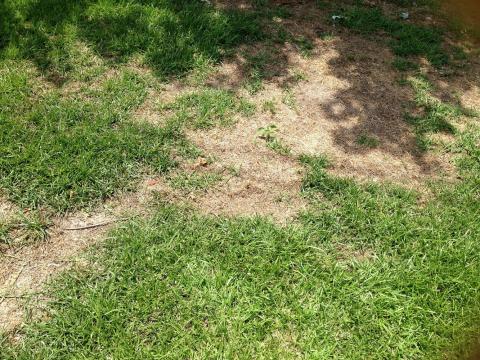
Image Source: extension.unh.edu
Deciphering the Presence of Grubs in Your Lawn
Seeing those telltale brown patches in your otherwise vibrant lawn can be frustrating. Often, the culprit behind this unwelcome transformation is a population of lawn grubs. But why do these pests choose your yard? It’s a common question, and the answer lies in a combination of environmental factors and the life cycle of these subterranean invaders.
The Life Cycle of Lawn Grubs
To truly grasp why grubs infest your lawn, we need to look at their life cycle. Most common lawn grubs, like those of the Japanese beetle or European chafer, go through a distinct four-stage life cycle: egg, larva (grub), pupa, and adult beetle.
- Egg Stage: Adult female beetles, often attracted to healthy, moist soil, lay their eggs just below the surface of the turf. The timing of egg-laying varies by species and region, but it typically occurs in the summer months.
- Larval Stage (The Grub): This is the stage where the damage occurs. The grubs hatch from the eggs and immediately begin feeding on the grass roots. This is when you’ll start to see the symptoms of grub damage. They are C-shaped, white, and plump with a darker head. They burrow deeper into the soil as the weather cools.
- Pupal Stage: As temperatures rise in the spring, the grubs will burrow deeper into the soil and form a pupa. This is a transition phase where they metamorphose into adult beetles.
- Adult Stage: The adult beetles emerge from the soil, usually in the early to mid-summer, to mate and begin the cycle anew. They feed on the foliage of various plants, including trees and shrubs, but their primary concern is laying eggs in suitable lawn areas.
What Attracts Grubs to Your Lawn?
Several factors make your lawn an attractive dining and breeding ground for grubs:
- Healthy Turf: Ironically, the very thing you strive for – a lush, green lawn – is a beacon for egg-laying beetles. Healthy grass with a good root system provides ample food for the developing grubs.
- Moisture: Adult beetles prefer to lay their eggs in soil that is moist but not waterlogged. Well-irrigated lawns, especially during dry spells, can be particularly appealing.
- Soil Type: While grubs can be found in various soil types, compacted or poorly drained soil can sometimes be more hospitable to certain grub species.
- Excessive Thatch: A thick layer of thatch (dead grass at the soil surface) can provide a protective environment for eggs and young grubs, shielding them from predators and extreme temperatures.
Identifying Grubs and Grub Damage
Spotting grubs and the damage they cause is crucial for effective grub control.
Identifying Grubs
- Appearance: Grubs are typically white or grayish-white and C-shaped, with a distinct brown or black head. They have six legs behind their head.
- Location: You’ll usually find them just below the soil surface, where they feed on grass roots.
- Testing for Grubs: The best way to confirm a grub infestation is by performing a simple sod pull test.
- Find an area of your lawn that is showing signs of damage.
- Use a spade or a golf club to cut a square foot of sod, about 2-3 inches deep.
- Try to lift the sod. If grubs are present, you’ll see them wriggling in the soil and on the underside of the grass roots.
- A general rule of thumb is that 5-10 grubs per square foot may cause noticeable damage, while 10-20 or more indicate a significant problem requiring grub treatment.
Common Grub Damage Symptoms
- Spongy Turf: The most significant sign of grub damage is a spongy, irregular texture to the lawn. When you walk on the affected areas, the grass may feel loose and roll up like a carpet because the roots have been eaten away.
- Yellowing and Browning: Patches of grass may start to turn yellow and then brown, especially during hot, dry periods. This is because the grass can no longer absorb water and nutrients effectively due to the damaged root system.
- Increased Susceptibility to Stress: Grubs weaken the grass, making it more vulnerable to drought, heat, and disease.
- Attraction to Other Pests: Damaged lawns can also attract other lawn pests, such as birds, skunks, raccoons, and moles, which dig into the turf searching for the grubs. This secondary damage can further exacerbate the problem.
Common Types of Grubs
Several types of grubs are common lawn pests in different regions. Knowing which type you’re dealing with can help tailor your grub control strategy.
Japanese Beetles
Japanese beetles are a notorious pest, and their larval stage – the grub – is a significant contributor to lawn damage.
- Adult Appearance: These beetles are about half an inch long with iridescent green bodies and copper-colored wing covers.
- Life Cycle: Adult Japanese beetles emerge in early to mid-summer and feed on the leaves of a wide variety of plants, including roses, fruit trees, and ornamental shrubs. They then lay eggs in the soil of nearby lawns.
- Grub Impact: The grubs feed on grass roots from late summer through fall and again in the spring before pupating. The damage is most severe when they feed heavily in the fall and early spring.
European Chafers
Another common culprit, European chafers are also attracted to well-maintained lawns for egg-laying.
- Adult Appearance: These beetles are light brown and about the size of a Japanese beetle.
- Life Cycle: European chafers typically emerge in late May or June. Their grubs are also C-shaped and white, feeding on grass roots throughout the summer and fall, and then again in early spring.
- Grub Impact: The damage caused by European chafer grubs can be extensive, particularly during dry periods when the grass is already stressed.
Oriental Beetles
These beetles are slightly smaller than Japanese beetles and have a more mottled brown and tan appearance.
- Adult Appearance: They are about 0.4 inches long and oval-shaped, often found crawling on plants or the soil surface.
- Life Cycle: Oriental beetles emerge in July and continue into August, laying eggs in lawns. Their grubs are typical C-shaped white grubs that feed on roots.
- Grub Impact: Damage from Oriental beetle grubs can occur later in the season compared to other species, often becoming apparent in the fall.
Billbugs
While technically weevils, billbug larvae can also cause significant lawn damage and are often confused with grubs.
- Adult Appearance: Billbugs are small, dark-colored beetles with a distinctive snout.
- Life Cycle: Adult billbugs overwinter in the soil or thatch and become active in the spring. They lay eggs inside grass stems.
- Larva Appearance: The larvae are legless, white or yellowish grubs that feed on the grass crown and roots from the inside out.
- Grub Impact: This internal feeding weakens the grass, leading to wilting and browning, often starting from the crown of the plant.
Strategies for Effective Grub Control
Once you’ve identified a grub problem, it’s time to act. There are several approaches to grub control, ranging from chemical treatments to more natural methods. The best strategy often involves a combination of approaches and timing your treatment effectively.
Chemical Grub Control
Chemical insecticides are a common and often effective method for eliminating grubs. They work by killing the grubs on contact or by being absorbed by the grass roots, which the grubs then ingest.
Types of Chemical Treatments
- Curative Treatments: These products are designed to kill grubs that are currently present and causing damage. Common active ingredients include trichlorfon and carbaryl. These are typically applied when grub activity is observed.
- Preventative Treatments: These products are applied before grubs hatch or when they are young and most vulnerable. They create a barrier in the soil that kills grubs as they emerge or feed. Imidacloprid, chlorantraniliprole, and halofenozide are common active ingredients in preventative grub control products.
Timing is Key for Chemical Grub Control
- Preventative Application: The most effective time to apply preventative grub control is typically in late spring or early summer, before or shortly after egg-laying begins. This ensures the insecticide is in the soil when the eggs hatch.
- Curative Application: Curative treatments are best applied in late summer or early fall when grubs are actively feeding and are more susceptible. Spring applications can also be effective, but the grubs will be larger and may have already caused significant damage.
Application Guidelines
- Watering: Most grub control products require watering into the soil after application to be effective. Check the product label for specific instructions.
- Read the Label: Always read and follow the product label instructions carefully. This includes dosage rates, application methods, and safety precautions.
- Targeted Application: Apply treatments only to the affected areas of your lawn to minimize the impact on beneficial insects and the environment.
Natural Grub Control
For those seeking more environmentally friendly options, several natural grub control methods are available. These often focus on biological controls or promoting a healthier lawn that is less susceptible to infestation.
Milky Spore
Milky spore is a naturally occurring bacterium ( Paenibacillus popilliae) that specifically targets the grubs of Japanese beetles.
- How it Works: When grubs ingest the milky spore bacteria, it multiplies within their bodies, eventually causing them to die. The dead grubs release more spores into the soil, creating a long-term defense against Japanese beetle grubs.
- Application: Milky spore is applied as a granular product to the lawn. It requires time to establish and become effective, often taking 2-4 years for full impact. It’s most effective when applied in the late summer or early fall when grubs are present.
- Effectiveness: Milky spore is highly effective against Japanese beetle grubs but has little to no effect on other grub species like European chafers or Oriental beetles. It is a preventative measure, not a quick fix for active infestations.
Nematodes
Certain species of beneficial nematodes can also be used for grub control. These microscopic roundworms are naturally occurring soil organisms that parasitize insect larvae.
- How it Works: When applied to the soil, these nematodes actively seek out grubs. They enter the grub’s body and release bacteria that kill the grub, while the nematodes feed and reproduce.
- Application: Nematodes are typically applied with a hose-end sprayer or watering can. They require moist soil and moderate temperatures to survive and be effective. Early fall is often the best time for application when grubs are young and close to the surface.
- Effectiveness: Different nematode species target different insects. For grub control, species like Heterorhabditis bacteriophora (Hb nematodes) are commonly recommended. They are effective against various grub types and are a safe, natural option.
Cultural Practices for Natural Grub Control
- Proper Mowing Height: Mowing your lawn at a higher setting (3-4 inches) encourages deeper root growth, making the grass more resilient to grub damage. Taller grass also shades the soil, making it less attractive to egg-laying beetles.
- Appropriate Watering: While beetles like moist soil, consistent, deep watering encourages healthy, deep root systems. Avoid frequent, shallow watering, which can create a more hospitable environment for surface-dwelling pests.
- Aeration: Aerating your lawn helps reduce soil compaction and thatch buildup, making the soil less attractive to egg-laying beetles and improving soil health.
- Attracting Beneficial Insects: Encourage natural predators of grubs and adult beetles by planting native plants that attract birds, beneficial wasps, and other predatory insects.
Addressing Grub Damage
Beyond grub control, you’ll also need to address the damage the grubs have caused to your lawn.
Repairing Damaged Areas
- Reseeding or Sodding: Once the grub population has been controlled, severely damaged areas may need to be reseeded or sodded.
- Soil Improvement: Before reseeding, amend the soil with compost or other organic matter to improve drainage and fertility, helping new grass establish a strong root system.
- Watering: Ensure newly seeded or sodded areas receive consistent moisture to promote healthy establishment.
Preventing Future Infestations
- Regular Lawn Maintenance: Continue with good lawn care practices, including proper mowing, watering, and fertilization, to maintain a healthy, resilient turf.
- Monitor Your Lawn: Keep an eye on your lawn throughout the growing season for early signs of grub activity or damage.
- Consider Preventative Treatments: If you’ve had significant grub problems in the past, consider a preventative grub control treatment in late spring or early summer as a proactive measure.
Grub vs. Other Lawn Pests: Differentiation
It’s important to correctly identify the problem to apply the right grub treatment. Your lawn might suffer from other lawn pests that mimic grub damage.
Chinch Bugs
Chinch bugs are another common lawn pest that can cause significant browning and thinning of turf.
- Appearance: Adult chinch bugs are small (about 1/5 inch long), black insects with white markings on their wings. The nymphs are smaller and reddish-brown.
- Damage: Chinch bugs feed on the grass blades by sucking out the plant juices. Their feeding can lead to irregular brown patches that often expand outwards. Damage is typically worse during hot, dry weather.
- Distinguishing from Grubs: Chinch bug damage is caused by feeding on the grass blades and sap, not the roots. You won’t find C-shaped larvae in the soil. Instead, you might find small insects congregating at the base of grass blades. A simple way to check is to press a jar filled with water into a suspect area; chinch bugs will float to the surface.
Sod Webworms
Sod webworm larvae also feed on grass, but their feeding habits differ from grubs.
- Appearance: Sod webworm larvae are small, grayish-brown caterpillars that live in small silken tunnels at the soil surface, often covered with bits of grass clippings.
- Damage: They feed on the grass blades, chewing off the blades at or just above the crown. This can create a ragged, chewed appearance to the lawn.
- Distinguishing from Grubs: Unlike grubs, which sever roots underground, sod webworms feed on the above-ground parts of the grass. You’ll find evidence of feeding on the blades themselves, not a lack of roots.
Mole Crickets
Mole crickets are another soil-dwelling pest that can damage lawns.
- Appearance: Mole crickets are pale brown insects with a thick, velvety body and large, powerful front legs adapted for digging.
- Damage: Their tunneling and feeding on grass roots and organic matter can cause irregular brown patches, raised tunnels, and a spongy feel to the turf.
- Distinguishing from Grubs: While both damage roots and cause spongy turf, mole cricket damage often includes visible tunneling on the surface. The pests themselves are much larger and distinctly different in appearance from grubs.
FAQs About Lawn Grubs
Here are some common questions people have about lawn grubs:
Q1: When is the best time to treat for grubs?
A1: The best time for preventative treatment is late spring to early summer, before or shortly after eggs hatch. For curative treatment, late summer or early fall is ideal when grubs are actively feeding and younger.
Q2: Can I prevent grubs naturally?
A2: Yes, natural grub control methods include using milky spore (for Japanese beetle grubs), beneficial nematodes, and maintaining a healthy lawn through proper mowing and watering.
Q3: How many grubs are too many?
A3: Generally, more than 5-10 grubs per square foot can cause noticeable damage. If you find 10-20 or more, it’s considered a significant infestation requiring grub treatment.
Q4: Do grubs harm my pets?
A4: Grubs themselves are not directly harmful to pets. However, pets might ingest grubs while playing or digging in the lawn, which is generally harmless. The chemicals used for grub control can be harmful, so always follow product instructions and keep pets away from treated areas until it’s safe.
Q5: Can I treat my lawn for grubs if it’s very dry?
A5: Most grub control products, especially chemical ones, require watering into the soil to be effective. If your lawn is extremely dry, it’s best to water it thoroughly before applying treatment or wait for rain. Natural methods like nematodes also require moisture.
Q6: My lawn has brown patches, but I don’t see grubs. What else could it be?
A6: Brown patches can be caused by various issues, including drought stress, fungal diseases, chinch bugs, or sod webworms. It’s important to inspect your lawn carefully for other signs of pests or diseases before assuming it’s grubs.
Q7: How long does grub control treatment last?
A7: The duration of grub control depends on the type of product used. Preventative treatments can last for several months, while curative treatments offer immediate relief but may not prevent future infestations without further action. Natural methods like milky spore can provide long-term protection over several years.
Q8: Is it too late to treat grubs in the fall?
A8: It’s not too late in the fall to treat grubs, especially if you’re using a curative treatment. The grubs are still feeding actively and can be controlled. However, damage may already be visible. Spring treatment can also be effective, though grubs will be larger and closer to pupation.
By familiarizing yourself with the life cycle, identifying the signs, and employing the right grub control strategies, you can protect your lawn from these damaging pests and maintain its healthy, vibrant appearance.