
If you’ve spotted white mushrooms popping up in your lawn, you’re probably wondering why they’re there and if they’re a cause for concern. What is a mushroom, and why do they suddenly appear in your yard? Mushrooms are the fruiting bodies of fungi, which are living organisms that play a vital role in breaking down organic matter in the soil.
The sudden appearance of white mushrooms in your yard is a natural phenomenon, often a sign of a healthy ecosystem. These fungi are decomposers, working to break down dead plant material like grass clippings, fallen leaves, and even buried wood. Several factors contribute to their growth, including the presence of organic matter, damp soil, and shaded areas.
This article will delve into the fascinating world of yard fungi, explore the common reasons behind mushroom growth conditions, and help you with mushroom identification. We’ll discuss the types of common garden mushrooms you might encounter, how they contribute to soil health, and what you should do if you find them. We’ll also touch upon whether these mushrooms are edible mushrooms or if caution is advised.
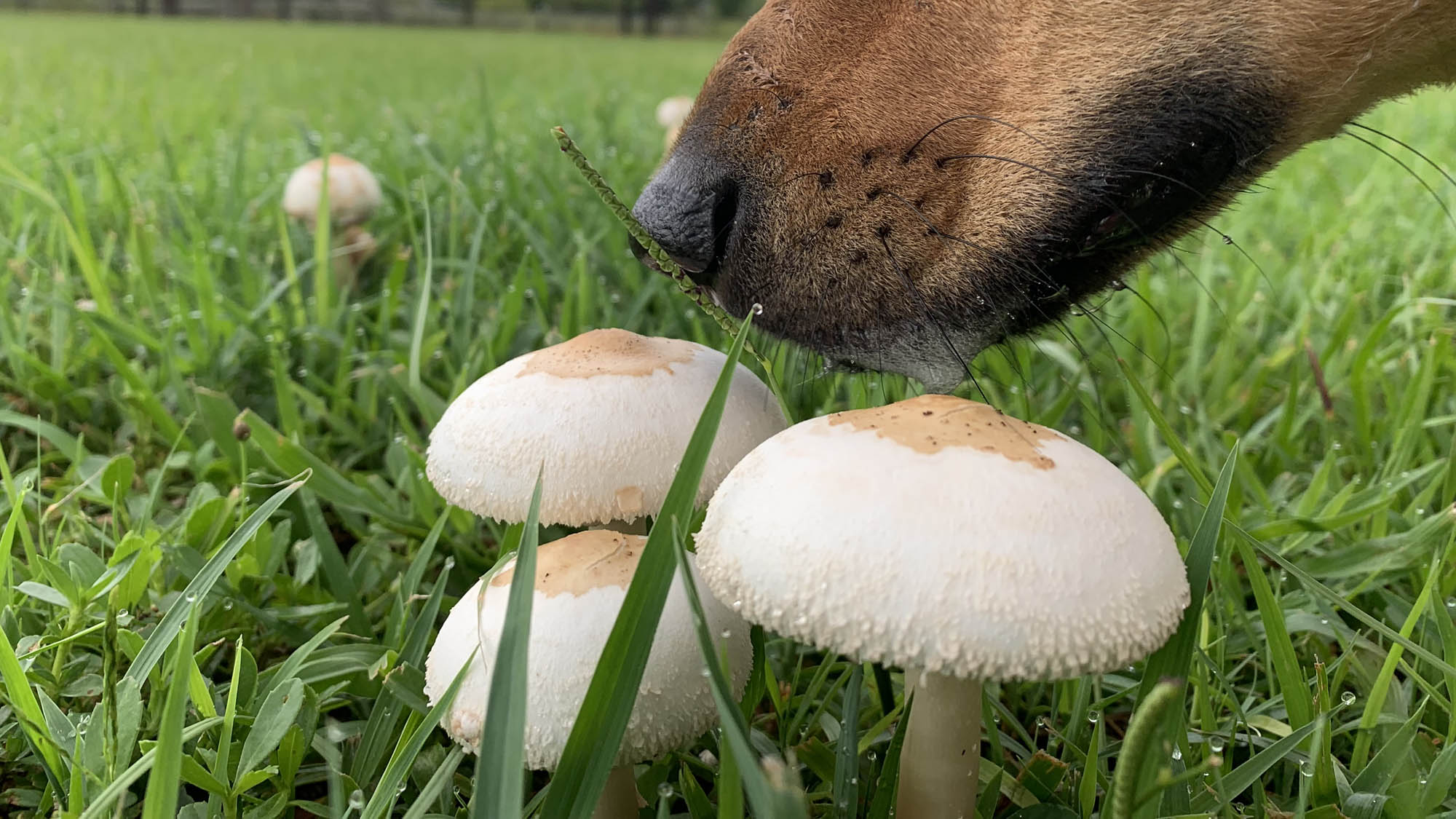
Image Source: homegrown.extension.ncsu.edu
Fathoming Fungal Spores: The Invisible Beginning
Every mushroom you see is just the tip of a much larger organism, a network of thread-like structures called mycelium that lives underground. The mushrooms themselves are the reproductive parts, designed to release fungal spores into the environment. These spores are like tiny seeds, and when they land in a suitable spot with the right conditions, they can start a new mycelial network.
How Spores Travel
- Wind: Tiny and lightweight, fungal spores are easily carried by the wind over long distances.
- Water: Rain and irrigation can wash spores from one area to another.
- Animals: Birds, insects, and even your pets can inadvertently carry spores on their bodies.
- Human Activity: You can bring spores into your yard on your shoes, gardening tools, or even in the soil of new plants.
Once a spore lands in a favorable location, it germinates and begins to grow. It sends out fine threads that spread through the soil, searching for food. This food is usually dead or decaying organic matter.
Unpacking Mushroom Growth Conditions
For white mushrooms to thrive, a specific set of environmental factors needs to align. These conditions create the perfect nursery for fungi to reproduce.
Key Factors for Mushroom Growth
-
Organic Matter: This is the primary food source for most fungi. Your lawn, garden beds, and compost piles are rich in decaying leaves, grass clippings, old mulch, and dead roots. This material provides the nutrients and energy the mycelium needs to grow and produce mushrooms. The more organic matter available, the more potential food for fungi.
-
Moisture: Fungi, like all living things, require water to survive and grow. Damp soil is crucial. Heavy rains, overwatering, or dew can provide the necessary moisture. Mushrooms often appear after periods of wet weather, as the mycelium has stored up moisture and is ready to reproduce.
-
Temperature: While some fungi prefer cooler temperatures, many common white mushrooms emerge during warmer months, particularly after a good rain. Ideal temperatures often fall within a moderate range, not too hot and not too cold.
-
Shaded Areas: Many types of mushrooms prefer shaded areas because these spots tend to retain moisture better and are less prone to drying out. Areas under trees, dense shrubs, or even partially shaded parts of your lawn can be prime locations for mushroom growth.
-
Soil pH: Some fungi are sensitive to the pH of the soil. While many common yard fungi can tolerate a range of pH levels, certain species might thrive in slightly acidic or alkaline conditions.
The Role of Mycelium
The visible mushroom is just the fruiting body. The real organism is the mycelium, a vast underground network. When conditions are right, the mycelium mobilizes its stored energy and nutrients to produce mushrooms. This is why mushrooms often appear in fairy rings or clusters, as they emanate from a central mycelial hub.
Common Garden Mushrooms: White Wonders
When people refer to “white mushrooms” in their yard, they are often talking about a few common types of fungi. It’s important to remember that mushroom identification is crucial, especially if you’re considering consumption.
Familiar White Mushrooms in Yards
-
Field Mushroom (Agaricus campestris): This is a very common and well-known species, often found in lawns, pastures, and meadows. It has a white to light brown cap, white gills that turn pinkish and then brown with age, and a sturdy white stem. Field mushrooms are generally considered edible mushrooms, but care must be taken to distinguish them from toxic look-alikes.
-
Meadow Mushroom (Agaricus arvensis): Similar to the field mushroom, this one tends to grow in larger groups and can form impressive fairy rings. It often has a slightly more yellowish tint when bruised and a characteristic anise or almond smell. It’s also edible.
-
White Dapperling (Lepiota cristata): This small mushroom has a white, scaly cap and white gills. Unfortunately, it is poisonous. Its small size and tendency to grow in grassy areas can sometimes lead to confusion.
-
Common Puffballs (various species): While not all puffballs are strictly “white mushrooms” in the typical cap-and-stem sense, many young puffballs are white. They start as round or pear-shaped structures. When young and firm, they are edible, but their internal structure is solid, not gilled. As they mature, they turn yellow, brown, and eventually release powdery spores.
-
Inky Caps (Coprinellus spp. and Coprinus spp.): Some species of inky caps start with a white or pale cap before they dissolve into a black, inky liquid. These can appear in yards, especially in areas with lots of decaying organic material, like compost piles or lawns with heavy thatch. Some are edible, but others are not, and they must be consumed very soon after picking as they autodigest rapidly.
Table 1: Distinguishing Features of Common White Yard Mushrooms
| Mushroom Type | Cap Color | Gill Color (Young) | Gill Color (Mature) | Stem Characteristics | Edibility Status |
|---|---|---|---|---|---|
| Field Mushroom | White to light tan | White | Pink to brown | White, sometimes with a ring | Edible |
| Meadow Mushroom | White to cream | White | Brown | White, often robust | Edible |
| White Dapperling | White, scaly | White | White | Thin, white | Poisonous |
| Young Puffball | White (solid) | N/A (internal) | N/A (internal) | N/A | Edible (when young) |
| Inky Cap (e.g., Common Ink Cap) | White to pale grey | White | Black, inky liquid | Thin, hollow | Edible (with caution) |
Important Note: Never eat a wild mushroom unless you are 100% certain of its identification and know it is safe. Many poisonous mushrooms closely resemble edible ones.
The Importance of Yard Fungi and Soil Health
While the sight of mushrooms might be surprising, yard fungi play a crucial role in maintaining healthy soil. They are nature’s recyclers.
Fungi as Soil Enhancers
-
Decomposition: Fungi break down complex organic molecules in dead plants and animals into simpler substances. This process releases essential nutrients like nitrogen, phosphorus, and potassium back into the soil, making them available for plants to absorb. Without decomposers like fungi, dead plant matter would accumulate, locking up valuable nutrients.
-
Soil Structure: The thread-like mycelium helps bind soil particles together, improving soil structure. This creates better aeration and water infiltration, which are vital for plant root growth. Healthy soil with good structure is less prone to compaction and erosion.
-
Mycorrhizal Associations: Many fungi form symbiotic relationships with plant roots, known as mycorrhizae. The fungi extend their hyphae far into the soil, accessing water and nutrients that the plant’s roots cannot reach. In return, the plant provides the fungi with sugars produced during photosynthesis. This partnership boosts plant health and resilience.
Signs of Healthy Soil
The presence of various common garden mushrooms can actually be an indicator of good soil health. It suggests that there is enough organic matter, adequate moisture, and a healthy microbial community at work. It means your soil is alive and functioning as a vital ecosystem.
What to Do When You See White Mushrooms
Finding white mushrooms in your yard is usually not a cause for alarm. However, there are some considerations.
Safety First: Identification and Children/Pets
-
Mushroom Identification: As mentioned earlier, accurate mushroom identification is paramount. If you are curious about the types of mushrooms growing in your yard, consult reliable field guides specific to your region or consider contacting a local mycological society.
-
Children and Pets: Keep a close eye on children and pets. Some mushrooms are toxic and can be harmful if ingested. Even if the mushrooms themselves aren’t poisonous, it’s best to discourage children from picking and playing with them. If a pet or child ingests a mushroom, contact your veterinarian or poison control center immediately.
Managing Mushroom Growth
Most of the time, you can simply leave the mushrooms alone. They are a natural part of the ecosystem and will disappear on their own once their reproductive cycle is complete.
If you find them unsightly or are concerned about potential toxicity, you have a few options:
-
Mow Them Down: Regularly mowing your lawn can help break up the mushrooms and their spores, preventing them from fully maturing and spreading further.
-
Remove Them Manually: You can pick the mushrooms and discard them in the trash. Avoid composting them unless you are certain they are not poisonous, as this can spread spores.
-
Improve Drainage: If your yard is consistently damp soil, especially in shaded areas, improving drainage can help reduce the conditions that favor mushroom growth. Aerating the lawn and reducing thatch buildup can also be beneficial.
-
Reduce Organic Matter: While organic matter is good for soil health, excessive amounts of decaying material (like thick layers of uncomposted leaves or grass clippings) can fuel prolific mushroom growth. Rake up excess leaves and grass clippings to manage the food source.
When to Be Concerned
- Aggressive Growth in Unusual Areas: If mushrooms are growing in large numbers on wooden structures like decks or fences, it could indicate rot and may require professional attention.
- Suspected Toxic Species: If you suspect the presence of highly toxic mushrooms, take extra precautions and consult experts.
The Science Behind the Sprout: Deciphering Fungal Life Cycles
The emergence of mushrooms is the result of a complex life cycle. It all starts with those microscopic fungal spores.
The Fungal Life Cycle
- Spore Germination: When a spore lands on suitable substrate (like damp, organic-rich soil) and conditions are favorable, it germinates, sending out a hypha.
- Hyphal Growth: The hypha grows and branches, forming a network of fine threads called mycelium. This mycelium spreads through the soil, absorbing nutrients from decaying organic matter.
- Mycelial Maturation: Over time, the mycelium can form a dense mat beneath the surface.
- Fruiting Body Formation: When environmental triggers like adequate moisture, temperature changes, and nutrient availability align, the mycelium begins to form specialized structures that develop into mushrooms. These are often formed in dense clusters or rings.
- Spore Release: Once mature, the mushroom releases its spores from its gills or pores, starting the cycle anew.
Factors Influencing Fruiting
- Environmental Triggers: A sudden change in moisture levels (e.g., after a good rain), a drop in temperature, or even changes in atmospheric pressure can trigger the mycelium to produce mushrooms.
- Nutrient Availability: The mycelium needs sufficient stored energy and nutrients to create the energy-intensive fruiting bodies.
- Competition: The presence of other organisms in the soil can also influence when and where mushrooms appear.
Frequently Asked Questions (FAQ)
Q1: Are all white mushrooms in my yard poisonous?
A1: No, not all white mushrooms are poisonous, but many are. Some common edible mushrooms, like the Field Mushroom, are white. However, it is extremely important to be able to correctly identify mushrooms before considering consumption, as some poisonous white mushrooms closely resemble edible ones.
Q2: Should I remove the mushrooms from my lawn?
A2: It’s not strictly necessary. Mushrooms are a natural sign of a healthy ecosystem with plenty of organic matter. They will disappear on their own. If you find them unsightly or are concerned about children or pets, you can mow them or pick them.
Q3: Why do mushrooms grow in fairy rings?
A3: Fairy rings are formed when a single mushroom spore germinates and the resulting mycelium grows outward in a circular pattern. As the mycelium expands, it consumes the nutrients in the soil and eventually produces mushrooms at the outer edge of its growth. This circular growth pattern creates the ring effect.
Q4: How can I prevent mushrooms from growing in my yard?
A4: Preventing mushrooms entirely is difficult because fungal spores are ubiquitous. However, you can reduce the conditions that favor their growth by:
* Managing organic matter: Rake up excess leaves and grass clippings.
* Improving drainage: Ensure your soil isn’t constantly damp soil.
* Aerating your lawn: This helps with air and water circulation.
* Reducing thatch: A thick thatch layer can hold moisture and provide a good substrate for fungi.
Q5: Are the mushrooms in my yard contributing to my lawn’s health?
A5: Yes, in most cases, yard fungi are beneficial. They help decompose dead organic matter, releasing nutrients back into the soil and improving soil health. The mycelium can also improve soil structure.
Q6: What if the mushrooms are growing on my wooden deck or fence?
A6: If you see mushrooms growing on wooden structures, it’s a sign that the wood is decaying and may be compromised. This indicates a significant moisture problem and potential rot. You should address the moisture issue promptly and consider replacing any damaged wood. This is a different scenario than mushrooms growing on the soil.
Conclusion
The appearance of white mushrooms in your yard is a common and often beneficial aspect of nature. These fungi are vital decomposers, contributing to healthy soil health by breaking down organic matter. Factors like damp soil, shaded areas, and nutrient-rich environments create the perfect mushroom growth conditions. While most common garden mushrooms are harmless, accurate mushroom identification is crucial if there is any question about their edibility or toxicity. Enjoy observing these natural wonders as a sign of a living, breathing ecosystem in your own backyard.