
Mushrooms sprout in your lawn primarily because of a combination of factors related to decomposing organic matter, moist lawn conditions, and the presence of mushroom spores in soil. Can you eat lawn mushrooms? Generally, no. Many lawn mushrooms are not safe to eat, and some can be poisonous. It’s best to avoid consuming any mushroom you find in your yard unless you are an expert mycologist and can positively identify it.
Seeing mushrooms dotting your lawn can be a bit of a surprise, and often a cause for concern. While some people might find them fascinating, many homeowners wonder if they’re a sign of trouble. The truth is, fungal growth on grass is a natural process, and mushrooms are just the visible fruiting bodies of a much larger fungal network beneath the surface. Let’s delve into the real reasons behind these often-unexpected garden guests and what they might tell you about your lawn’s health.
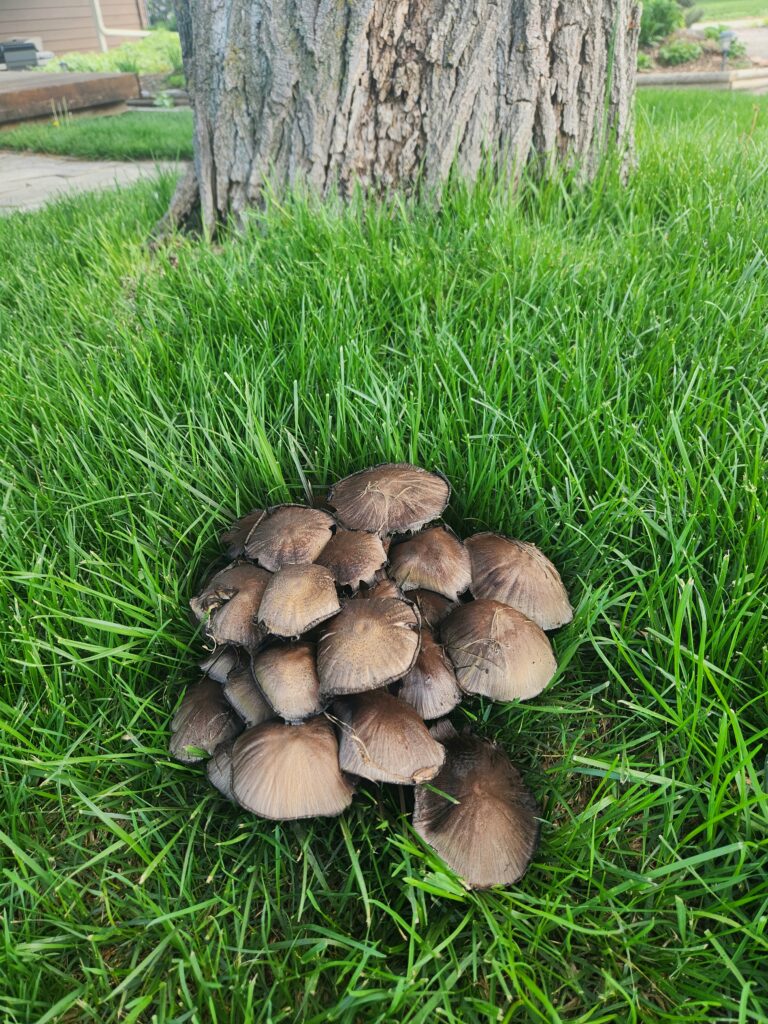
Image Source: organolawn.com
Fathoming the Fungal Foundation
Mushrooms are the reproductive structures of fungi. These fungi are part of a vast, intricate network of threads called mycelium that lives in the soil. This mycelium is constantly working, breaking down organic materials. When conditions are just right, the mycelium produces mushrooms as a way to release spores and spread.
The Role of Decomposing Organic Matter
One of the most significant drivers for mushroom growth is the presence of decomposing organic matter. Your lawn is essentially a living ecosystem, and beneath the green blades, there’s a constant cycle of life and decay. This includes:
- Dead Grass Clippings: If you leave grass clippings on the lawn, they can become food for fungi.
- Thatch Buildup: Thatch is a layer of dead and living grass stems, roots, and other organic debris that accumulates between the soil surface and the green blades. A thick thatch layer is a prime habitat for fungi.
- Buried Wood and Roots: Old tree stumps, buried branches, or even the roots of long-gone plants can provide a sustained food source for fungi, leading to fairy rings or clusters of mushrooms.
- Animal Waste: Droppings from pets or wildlife can also contribute organic matter that fungi will break down.
Essentially, anywhere there’s a food source for fungi, and the right environmental conditions, you’re likely to see mushrooms.
The Importance of Moisture
Fungi, like most living organisms, need water to thrive. Moist lawn conditions are crucial for mushroom development. This can happen for several reasons:
- Rainfall: Extended periods of rain or heavy downpours saturate the soil, creating an ideal environment for fungal activity.
- Overwatering: If your lawn is being watered too frequently or for too long, the excess moisture can encourage mushroom growth.
- Poor Drainage: Lawns with compacted soil or poor drainage tend to hold onto moisture, creating damp areas where fungi flourish.
- Dew and Fog: Even morning dew or persistent fog can provide enough moisture to trigger mushroom formation, especially in shaded areas.
When the soil stays consistently damp, the underground mycelium becomes active and produces mushrooms.
Shaded Lawn Areas: A Favorable Climate
Shaded lawn areas offer a perfect microclimate for many types of fungi. In shaded spots, the soil tends to stay cooler and moister for longer periods. Sunlight helps to dry out the soil surface, but in shaded areas, this drying process is significantly slowed. This prolonged dampness, combined with the reduced sunlight which can inhibit grass growth in some cases, creates a haven for fungal networks to expand and produce mushrooms.
Common Lawn Fungi and Their Presence
Several types of fungi commonly appear in lawns. Knowing some of these common lawn fungi can help you identify what you’re dealing with.
Fairy Rings
Perhaps the most well-known mushroom phenomenon in lawns is the fairy ring. This is a circle of mushrooms, or sometimes just a darker green ring of grass, appearing in your lawn. The mushrooms are the visible sign of a circular growth of mycelium underground. As the mycelium grows outwards, it consumes the organic matter in the soil. The dark green ring of grass is often caused by the nutrients released by the fungus, while the area inside the ring might become brown and dead as the fungus exhausts the available food.
Clusters and Scattered Mushrooms
You might also find mushrooms growing in clusters or scattered randomly across your lawn. These are often less organized than fairy rings and can be indicative of localized pockets of decomposing organic matter or areas that have remained moist for extended periods.
Why Now? Seasonal Mushroom Growth
Mushrooms often appear in your lawn during specific times of the year. This is usually linked to seasonal changes in temperature and moisture.
Autumn and Spring Blooms
Autumn and spring are the peak seasons for mushroom growth. These periods typically offer the ideal combination of:
- Cooler Temperatures: Fungi generally prefer cooler weather, making these transitional seasons perfect for their activity.
- Increased Rainfall: Both spring and autumn often bring more consistent rainfall, providing the necessary moisture.
- Decomposing Leaf Litter: In autumn, fallen leaves create a natural mulch layer that retains moisture and provides ample food for fungi.
Summer Surges
While less common, mushrooms can also appear in summer, especially after significant rainfall or in areas that are regularly irrigated. Prolonged heat can sometimes stress the grass, making it more susceptible to fungal activity and the appearance of mushrooms.
Is Fungal Growth Bad for My Lawn?
The presence of mushrooms is not always a sign of an unhealthy lawn, but it can be an indicator of certain underlying issues. The relationship between lawn health and fungi is complex.
Mushrooms as Indicators
Mushrooms themselves do not typically harm your grass directly. In fact, many fungi are beneficial lawn fungi, playing a crucial role in breaking down dead organic matter and recycling nutrients in the soil. However, their appearance can signal:
- Excess Thatch: A thick layer of thatch creates an environment where fungi thrive.
- Compacted Soil: Compacted soil restricts air and water movement, leading to consistently damp conditions favorable for fungi.
- Overwatering: Too much water can create the ideal moist environment.
- Shade: Persistent shade can lead to less vigorous grass growth and damper soil.
If mushrooms are a recurring problem, it’s worth investigating the underlying causes that are promoting their growth.
Are All Lawn Mushrooms Harmful?
While most common lawn mushrooms are not directly harmful to your grass, it’s crucial to remember that some species can be toxic if ingested by pets or children. Always err on the side of caution and keep pets and small children away from areas with mushrooms.
What to Do About Lawn Mushrooms
When you see mushrooms in your lawn, the best approach is to address the conditions that are encouraging their growth rather than trying to eliminate the mushrooms themselves.
Addressing the Underlying Causes
- Reduce Thatch: If you have a significant thatch layer (more than half an inch), consider dethatching your lawn. This process removes the accumulated dead organic matter, reducing the food source for fungi.
- Improve Drainage and Aerate: If your soil is compacted, aerating your lawn will help improve air and water circulation. This prevents the soil from staying overly moist. For persistent drainage issues, you might need to consider more extensive landscaping solutions.
- Adjust Watering Habits: Ensure you are watering your lawn deeply but infrequently. Allow the soil surface to dry out between watering sessions.
- Manage Shade: If excessive shade is an issue, consider pruning trees or shrubs to allow more sunlight to reach the lawn. In very shady areas, you might need to select grass species that are more tolerant of low light conditions.
- Remove Debris: Regularly rake up grass clippings, fallen leaves, and any other organic debris to reduce potential food sources for fungi.
Manual Removal
While not a long-term solution, you can manually remove mushrooms by hand or with a spade. It’s best to remove the entire mushroom, including the base, to prevent them from reseeding. However, remember that the mycelium network is still present underground, so they will likely reappear if the conditions remain favorable.
Chemical Treatments
Chemical fungicides are generally not recommended for treating mushrooms in lawns. They are often ineffective against the vast underground mycelial network and can also harm beneficial soil microbes. Furthermore, the environmental impact of using fungicides in a residential setting is a concern. Focusing on cultural practices is a more sustainable and effective approach.
Identifying Lawn Mushrooms: A Word of Caution
While it can be tempting to identify the specific types of mushrooms growing in your lawn, this can be a challenging task, even for experienced individuals. There are many different common lawn fungi, and some can look very similar to one another.
The Risks of Self-Identification
Identifying lawn mushrooms accurately requires specialized knowledge and tools. Even experienced foragers can make mistakes, and the consequences of misidentifying a poisonous mushroom can be severe. For this reason, it is strongly advised against eating any wild mushrooms from your lawn.
When to Seek Expert Advice
If you are curious about the specific fungi present in your lawn, consider consulting with a local mycological society or an extension office. They may be able to offer identification services or connect you with experts who can help.
Recognizing Beneficial Lawn Fungi
It’s also worth noting that some fungi in your lawn are indeed beneficial lawn fungi. Mycorrhizal fungi, for instance, form symbiotic relationships with grass roots, helping them to absorb water and nutrients more efficiently. These fungi do not typically produce visible mushrooms in the way that decomposer fungi do, but they are vital for a healthy ecosystem.
The Science Behind Mushroom Spores in Soil
Mushroom spores in soil are everywhere. Fungi reproduce by releasing microscopic spores, which are analogous to seeds in plants. These spores are incredibly lightweight and can be carried by wind, water, insects, and even our shoes.
Dispersal and Germination
When these spores land in a suitable environment – meaning they find a source of organic matter and the right moisture and temperature – they can germinate. Once germinated, the spores develop into the thread-like mycelium that spreads throughout the soil.
The Mycelial Network
The mycelium is the main body of the fungus. It’s a vast network of fine white threads that can extend for miles underground. This network actively breaks down organic materials, making nutrients available for the grass and other plants. The mushrooms we see are simply the temporary reproductive structures that emerge when conditions are right for spore dispersal.
Lawn Health and Fungi: A Deeper Look
The presence of mushrooms can be a subtle indicator of your lawn health and fungi interactions. While many fungi are beneficial, an overabundance of mushrooms, especially certain types or in patterns like fairy rings, might suggest an imbalance.
Signs of an Imbalanced Ecosystem
An ecosystem with too much decaying organic matter, poor aeration, or excessive moisture can become a haven for saprophytic fungi (those that feed on dead material). This doesn’t necessarily mean your grass is dying, but it indicates that the conditions are more favorable for fungal decomposition than for robust grass growth.
The Role of Mycorrhizal Fungi
On the other hand, healthy lawns with good soil structure often have a thriving population of mycorrhizal fungi. These fungi help to improve soil structure and nutrient uptake by the grass roots. They are an integral part of a healthy lawn ecosystem.
Frequently Asked Questions About Lawn Mushrooms
Q1: Are the mushrooms in my lawn poisonous?
Answer: It is impossible to tell if a mushroom is poisonous just by looking at it without expert knowledge. Many lawn mushrooms are not edible, and some can be toxic. It is best to assume all mushrooms found in your lawn are not safe to eat and keep pets and children away from them.
Q2: How can I permanently get rid of mushrooms in my lawn?
Answer: You cannot permanently get rid of mushrooms by simply removing them or applying fungicides. Mushrooms are the fruiting bodies of a larger fungal network in the soil. To reduce mushroom growth, you need to address the underlying environmental conditions that encourage them, such as excess moisture, thatch buildup, or buried organic matter.
Q3: Can mushrooms damage my grass?
Answer: In most cases, the mushrooms themselves do not directly damage your grass. They are a sign that the fungi are actively decomposing organic matter in the soil. However, the conditions that promote mushroom growth (like excessive moisture or thatch) can indirectly impact grass health over time.
Q4: Is it okay to leave mushrooms in my lawn?
Answer: It is generally okay to leave mushrooms in your lawn from a grass health perspective, as they are a natural part of the soil ecosystem. However, if you have concerns about pets or children consuming them, or if they are unsightly, you can remove them manually. The most important step is to address the conditions that encourage their growth.
Q5: Why do mushrooms grow in circles (fairy rings)?
Answer: Fairy rings are formed by a single fungal spore germinating and the mycelium growing outwards in a circular pattern. As the mycelium expands, it consumes the organic matter in the soil, and when conditions are right, it produces mushrooms at the outer edge of the expanding circle.
Q6: What are the best grass types for areas prone to mushrooms?
Answer: Grasses that tolerate shade and moisture better might be more resilient in areas prone to mushrooms. Examples include fine fescues, perennial ryegrass, and certain varieties of bluegrass. However, even these grasses can be affected if the underlying conditions are too extreme for healthy growth.
Q7: Should I test my soil if I have a lot of mushrooms?
Answer: Soil testing can be beneficial for overall lawn health. It can reveal issues with pH, nutrient levels, or compaction, which can indirectly contribute to mushroom growth. A soil test can provide valuable insights into how to improve your lawn’s general health, making it less hospitable to excessive fungal activity.
By understanding the reasons behind mushroom growth – from the fundamental role of decomposing organic matter and moist lawn conditions to the influence of shaded lawn areas and the ubiquitous nature of mushroom spores in soil – you can better manage your lawn’s ecosystem. While fungal growth on grass can be alarming, it often points to simple adjustments in your lawn care routine. Recognizing common lawn fungi and their impact on lawn health and fungi dynamics will help you cultivate a more vibrant and resilient lawn, even with the occasional, fascinating appearance of these earthy visitors. Remember, focusing on the health of your soil and grass is the most effective way to manage the appearance of lawn mushrooms.