
Are mushrooms popping up in your lawn? This common sight can be confusing. Mushrooms in a lawn are generally a sign that there’s a healthy amount of decaying organic matter in the soil, and they are a natural part of the soil ecosystem. While they can be a surprise, they are rarely a direct threat to your grass.
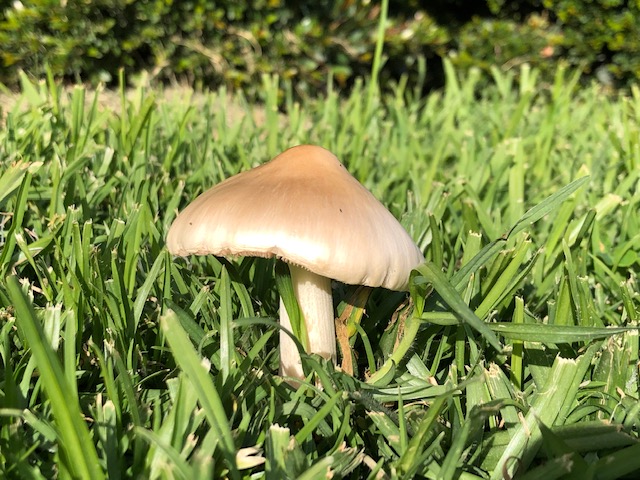
Image Source: www.myhometurf.com.au
Fathoming the Fungal Bloom: What Causes Mushrooms in Your Yard?
Mushrooms are the fruiting bodies of fungi that live underground. These fungi, also known as lawn fungi, are a natural part of the soil ecosystem. They play a crucial role in breaking down organic material, which is essential for healthy soil. When conditions are right, these underground networks, called mycelium, produce the visible mushrooms we see.
Several factors contribute to mushroom growth causes:
The Perfect Storm: Conditions Favoring Mushroom Growth
Mushrooms thrive in specific environmental conditions. When these conditions align, you’re more likely to see them appear.
- Moisture is Key: Mushrooms need water to grow and spread. Damp lawn conditions, especially after heavy rain or prolonged periods of watering, create an ideal environment. Excess moisture in the soil allows the fungal mycelium to flourish and produce mushrooms.
- A Feast of Food: Fungi are decomposers. They feed on decaying organic matter. This can include thatch (dead grass clippings and roots), fallen leaves, buried wood, old roots, or even pet waste. The more organic material present, the more food the fungi have, leading to increased mushroom growth.
- Temperature Matters: Fungi have specific temperature ranges in which they are most active. While some species prefer cooler weather (fall and spring), others can pop up during the warmer months if moisture is sufficient.
- Soil Structure and Aeration: Compacted soil can trap moisture, creating ideal conditions for fungi. Conversely, well-aerated soil promotes healthy root growth and can sometimes help manage fungal issues. Poor lawn aeration needs can contribute to moisture retention.
The Underground Network: The Role of Mycelium
It’s important to remember that the mushroom you see is only a small part of the organism. The main body of the fungus is a vast network of thread-like structures called mycelium, which lives within the soil. This mycelium is constantly working to break down organic material. When the conditions are favorable, the mycelium produces the mushroom to release spores and continue its life cycle.
Deciphering the Different Types of Lawn Fungi
While many mushrooms found in lawns are harmless decomposers, it’s helpful to know that there are different types. Some are more common than others.
Common Lawn Mushroom Culprits
- Fairy Rings: These are circles or arcs of mushrooms. They can also be associated with darker, faster-growing grass within the ring. Fairy rings are caused by the outward growth of the mycelium over time.
- “Mushroom Clusters” or “Toadstools”: These are single mushrooms or groups of mushrooms that appear in various patterns across the lawn.
- “Ink Caps”: These mushrooms often have a distinctive shape and, as they mature, can dissolve into an inky liquid.
Are They Dangerous? Identifying and Assessing Risk
For the most part, the mushrooms that appear in lawns are saprophytic fungi. This means they feed on dead organic matter and do not harm living grass. However, it’s always wise to be cautious.
- Toxicity: Many lawn mushrooms are not edible and some can be toxic if ingested. It’s crucial to prevent children and pets from eating them. If you suspect poisoning, seek immediate veterinary or medical attention.
- Assessing Your Lawn’s Health: The presence of mushrooms can sometimes indicate underlying grass health issues or imbalances in your lawn’s ecosystem. For example, excessive thatch or compacted soil can lead to fungal problems.
Mushroom Identification: When to Seek Expert Advice
While casual observation can help you recognize common types, accurate mushroom identification can be complex. If you are concerned about the type of mushrooms in your lawn, especially if you suspect they might be harmful or are causing significant aesthetic issues, consulting a local gardening expert or extension office can be beneficial. They can help you identify specific species and offer tailored advice.
Addressing the Fungal Presence: Managing Mushrooms in Your Lawn
Seeing mushrooms can be a concern for some homeowners, especially if they are worried about their lawn’s appearance or potential harm. Fortunately, there are several strategies you can employ to manage their presence.
Practical Lawn Care Tips for Mushroom Control
The best approach to managing lawn mushrooms is to address the underlying conditions that encourage their growth.
- Improve Drainage: Ensure your lawn drains well. If you have standing water after rain, consider improving drainage with amendments or by creating slight slopes.
- Reduce Thatch: Thatch is a layer of dead and living grass stems and roots that builds up between the soil surface and the green vegetation. Excessive thatch provides a food source for fungi. Dethatching your lawn annually or bi-annually can significantly reduce mushroom growth.
- Water Wisely: Avoid overwatering your lawn. Water deeply and less frequently to encourage deep root growth and allow the soil surface to dry out between watering sessions.
- Aeration is Crucial: Regular lawn aeration needs should be met to combat soil compaction. Aerating your lawn creates small holes in the soil, improving air circulation, water penetration, and nutrient uptake, which can discourage fungal growth.
- Remove Debris: Rake up fallen leaves, grass clippings, and other organic debris promptly. This removes potential food sources for fungi.
- Sanitation: If you notice mushrooms growing on buried wood or other specific debris, try to remove the source if possible.
When to Consider Fungicides
In most cases, fungicides are not necessary to control lawn mushrooms. The mushrooms themselves do not damage the grass, and their presence often indicates healthy soil activity. However, if the mushroom growth is particularly persistent, widespread, or associated with a visible lawn disease, a fungicide might be considered.
- Choosing the Right Fungicide: If you decide to use a fungicide, select one specifically labeled for use on lawns and for the type of fungal issue you are experiencing. Always follow the product instructions carefully regarding application rates and timing.
- Fungicide for Lawn Mushrooms: A broad-spectrum fungicide for lawn mushrooms can help suppress fungal growth. However, it’s often a temporary solution if the underlying conditions are not addressed.
The Natural Approach: Embracing the Ecosystem
It’s also worth noting that for many homeowners, the appearance of mushrooms is a non-issue. They are a natural part of a healthy lawn ecosystem. If the mushrooms are not bothersome aesthetically and do not pose a risk to your family or pets, the simplest approach is to leave them be. They will typically disappear on their own once the environmental conditions that favor their growth change.
Understanding the Link Between Mushrooms and Lawn Soil Health
The presence of mushrooms is often a direct indicator of lawn soil health. Healthy soil is alive, teeming with microorganisms, including fungi and bacteria, that work together to break down organic matter and make nutrients available to your grass.
The Role of Organic Matter
Decaying organic matter is the primary food source for the fungi that produce mushrooms. This includes:
- Thatch buildup: As mentioned, excessive thatch can create a perfect buffet for fungi.
- Buried wood and roots: Old tree stumps, roots, or buried construction debris are rich in organic material.
- Compost and soil amendments: If you’ve recently added organic matter, it can temporarily increase mushroom activity as the fungi break it down.
- Animal waste: Dog or cat feces can also contribute to organic matter and provide nutrients for fungi.
Soil Compaction and Aeration Needs
Soil compaction is a common problem in many lawns, especially those with heavy foot traffic or clay-based soils. When soil becomes compacted, air and water circulation are restricted. This can lead to:
- Trapped moisture: Compacted soil holds onto water, creating damp lawn conditions that fungi love.
- Reduced root growth: Grass roots struggle to penetrate compacted soil, weakening the turf and making it more susceptible to disease.
- Increased thatch: Poor aeration can also hinder the decomposition of organic matter, leading to a thicker thatch layer.
Addressing lawn aeration needs is therefore crucial. Aerating loosens the soil, allowing for better air and water penetration, and helps break down the organic matter more efficiently. This can indirectly reduce the conditions favorable for mushroom growth.
The Interplay with Grass Health Issues
While mushrooms themselves don’t typically harm grass, their presence can sometimes be correlated with grass health issues. For instance:
- Weakened turf: If your grass is stressed due to drought, poor fertilization, or disease, it may not be able to compete with the fungi for resources, allowing mushrooms to proliferate.
- Shady areas: Shady parts of the lawn often remain damp for longer periods, creating ideal conditions for fungal growth.
- Overwatering: Consistently damp lawn conditions from overwatering can weaken grass roots and encourage fungal activity.
By improving your overall lawn care tips and practices, you indirectly address the factors that contribute to mushroom growth. This includes proper watering, fertilization, and addressing soil compaction.
Frequently Asked Questions About Lawn Mushrooms
Q1: Are mushrooms in my lawn bad for my grass?
A1: Generally, no. Most mushrooms in lawns are harmless fungi that feed on decaying organic matter. They are a sign of a healthy soil ecosystem and do not directly harm your grass. However, if you see a significant increase in mushrooms, it might indicate underlying issues like too much thatch, poor drainage, or compacted soil, which can affect your grass.
Q2: Are the mushrooms in my lawn poisonous?
A2: It’s impossible to say for sure without proper identification. Many wild mushrooms are toxic if ingested. It’s safest to assume that any mushrooms in your lawn are not edible and to keep children and pets away from them. If you suspect poisoning, contact a poison control center or a veterinarian immediately.
Q3: How can I get rid of mushrooms in my lawn?
A3: The best way to manage mushrooms is to address the conditions that cause them to grow. This includes:
* Improving drainage.
* Reducing thatch.
* Watering properly (avoid overwatering).
* Aerating the soil.
* Raking up debris like leaves and grass clippings.
* Removing any buried wood if possible.
In most cases, the mushrooms will disappear on their own when conditions change. Chemical fungicides are usually not necessary and can be a last resort if other methods fail.
Q4: What are those rings of mushrooms in my lawn?
A4: Those are called “fairy rings.” They are caused by the outward growth of the underground fungal mycelium. As the mycelium grows, it consumes nutrients in the soil, which can sometimes result in a darker, more vigorous ring of grass around the mushrooms. They are a natural phenomenon and usually not harmful to your lawn.
Q5: Should I remove mushrooms by hand?
A5: You can remove mushrooms by hand if they bother you aesthetically. However, this is a temporary solution as it only removes the fruiting body, not the underground mycelium. The mushrooms will likely return if the underlying conditions remain favorable. It’s more effective to focus on improving your lawn’s overall health and drainage.
Q6: How does lawn aeration needs relate to mushroom growth?
A6: Soil compaction, which is what aeration addresses, traps moisture and restricts air flow. These damp lawn conditions are ideal for lawn fungi. By aerating, you improve drainage and air circulation, making the soil less hospitable to mushroom growth.
Q7: What is the role of decaying organic matter in mushroom formation?
A7: Decaying organic matter is the food source for the fungi that produce mushrooms. The more decaying organic matter in your soil (like thatch, dead roots, or buried wood), the more fuel the fungi have to grow and produce mushrooms.
Q8: Can I use a fungicide for lawn mushrooms?
A8: Yes, a fungicide for lawn mushrooms can be used, but it’s often not necessary. Fungicides can help suppress fungal growth temporarily, but they won’t solve the root cause. It’s more effective to focus on lawn care tips that improve soil health and drainage, which will naturally reduce mushroom growth over time.
Q9: What are some good lawn care tips to prevent mushrooms?
A9: Key lawn care tips include:
* Mowing at the correct height.
* Watering deeply and infrequently.
* Dethatching regularly.
* Aerating compacted soil.
* Fertilizing appropriately.
* Raking up fallen leaves and debris.
These practices promote a healthy lawn that is less prone to fungal issues.
Q10: Are there specific grass health issues that encourage mushrooms?
A10: Yes, stressed or weak grass can make a lawn more susceptible to fungal problems. Issues like over-shading, poor nutrient availability, or damage from pests can weaken the turf, creating an environment where fungi can thrive. Addressing any underlying grass health issues is important.