
What is a lawn mower smoking? A smoking lawn mower typically indicates a problem within the engine, most commonly related to engine oil. Can I fix a smoking lawn mower myself? Yes, with basic tools and a bit of knowledge, many lawn mower smoking issues can be resolved by a homeowner. Who is responsible for lawn mower repairs? The owner is generally responsible for the maintenance and repair of their personal lawn mower.
Seeing smoke billowing from your lawn mower can be alarming. It suggests something isn’t right, and if left unaddressed, it could lead to more significant damage. But what causes this unwelcome puff of smoke from your lawn mower exhaust, and more importantly, how can you fix it? This guide will delve into the common reasons your mower is smoking, differentiating between the types of smoke and offering practical solutions.
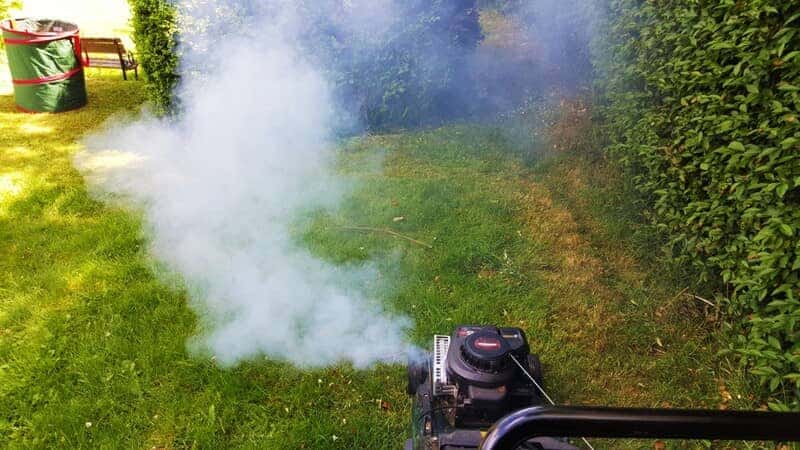
Image Source: lawn.com.au
Deciphering the Smoke: Colors Tell a Story
The color of the smoke is your first clue to diagnosing the problem. Different colors point to different issues happening inside the engine.
Blue Smoke: Burning Oil Problems
Blue smoke is almost always a sign that your lawn mower is burning oil. This happens when oil enters the combustion chamber and burns along with the fuel. It often has a distinct, acrid smell.
Common Causes of Blue Smoke:
- Overfilled Engine Oil: The most frequent culprit for blue smoke is having too much engine oil in the crankcase. When the oil level is too high, the crankshaft can churn the oil excessively, forcing it past the piston rings and into the combustion chamber.
- Worn Piston Rings: Over time, piston rings can wear down. These rings are designed to create a seal between the piston and the cylinder wall, preventing oil from entering the combustion chamber. Leaky piston rings allow oil to seep past, leading to blue smoke.
- Worn Cylinder Walls: Similar to piston rings, worn cylinder walls can also create a gap that allows oil to leak into the combustion chamber.
- Damaged Valves or Valve Seals: The valves open and close to let the fuel/air mixture in and exhaust gases out. If the valve seals are worn or the valves themselves are damaged, oil can drip down the valve stems and into the combustion chamber.
- Tilting the Mower Incorrectly: If you’ve recently tilted your lawn mower for cleaning or maintenance, you might have done so incorrectly. Tilting a mower with the air filter or carburetor facing downwards can cause oil to seep into the intake system and subsequently burn, producing blue smoke.
Fixing Blue Smoke:
-
Check and Adjust Engine Oil Level:
- Ensure the mower is on a flat surface.
- Remove the oil dipstick and wipe it clean.
- Re-insert the dipstick fully and then remove it again.
- Check the oil level against the markings on the dipstick.
- If the oil level is above the “full” mark, you need to drain some oil. You can do this by tipping the mower carefully (air filter side up) and letting a small amount of oil drain into a suitable container, or by using a syringe or siphon.
- Add oil only to the correct level.
-
Inspect Piston Rings and Cylinder Walls: This is a more involved repair. If you suspect worn piston rings or cylinder walls, it often requires disassembling the engine. This is usually best left to experienced DIYers or a professional. Signs of this issue might include a loss of power, mower sputtering, and increased oil consumption.
-
Examine Valve Seals: Similarly, worn valve seals are a mechanical issue that might necessitate engine disassembly.
-
Correct Mowing Tilting: Always tilt your mower with the air filter and carburetor facing upwards to prevent oil from entering the intake. If you suspect oil has entered the intake, you may need to clean the air filter and carburetor.
White Smoke: Unburned Fuel or Water
White smoke is less common than blue smoke and usually indicates that unburned fuel or water is being expelled from the exhaust. It might smell sweet or like raw gasoline.
Common Causes of White Smoke:
- Moisture in the Fuel System: If water has somehow gotten into your fuel tank or lines, it will be vaporized and expelled as white smoke. This can happen from condensation in the fuel tank or by using old, contaminated fuel.
- Rich Fuel Mixture: If the engine is receiving too much fuel and not enough air (a rich mixture), the fuel may not burn completely, leading to white smoke. This can be caused by:
- Carburetor Issues: A dirty or malfunctioning carburetor can cause an improper fuel-air mixture. This could be due to a clogged jet, a faulty float, or an incorrect adjustment.
- Choke Stuck On: If the choke is left partially or fully engaged after the engine has warmed up, it will create a rich fuel mixture.
- Internal Coolant Leak (Less Common in Air-Cooled Mowers): In liquid-cooled engines (rare in typical lawn mowers), a blown head gasket can allow coolant to leak into the combustion chamber, producing white, steam-like smoke. For air-cooled mowers, this is not a concern.
- New Engine Break-in: Sometimes, new engines may produce a small amount of white smoke during the initial break-in period as manufacturing residues are burned off.
Fixing White Smoke:
-
Drain and Refill Fuel: If you suspect water in the fuel, drain the fuel tank completely. Then, refill it with fresh, clean gasoline. It’s also a good idea to drain the carburetor bowl.
-
Check the Choke: Ensure the choke is fully disengaged once the engine has warmed up. Sometimes the choke mechanism can stick.
-
Clean or Adjust the Carburetor:
- If you suspect carburetor issues, you can try cleaning it. This usually involves removing the carburetor, disassembling it carefully, cleaning the jets and passages with carburetor cleaner, and reassembling it.
- If cleaning doesn’t help, the carburetor may need to be adjusted or replaced. This is a task that might require a service manual or professional assistance.
-
Inspect for Fuel Filter Issues: A clogged fuel filter can restrict fuel flow, sometimes leading to improper mixture, though this is more often associated with sputtering.
Black Smoke: Too Much Fuel
Black smoke is a clear indicator of an overly rich fuel mixture, meaning the engine is getting too much gasoline and not enough air. It typically smells strongly of unburned gasoline.
Common Causes of Black Smoke:
- Carburetor Problems: As mentioned with white smoke, carburetor issues are a primary cause of rich mixtures. A stuck-open choke, a dirty air filter restricting airflow, or incorrect carburetor adjustments can all lead to black smoke.
- Dirty Air Filter: The air filter’s job is to prevent dirt and debris from entering the engine. If it becomes clogged with grass clippings and dust, it restricts airflow, causing the fuel mixture to become too rich.
- Choke Left On: Similar to white smoke, if the choke is not fully disengaged after the engine warms up, it will continue to supply a rich mixture, leading to black smoke.
- Faulty Fuel Injector (on fuel-injected mowers): While less common in traditional push mowers, if your mower has fuel injection, a faulty injector could deliver too much fuel.
Fixing Black Smoke:
-
Clean or Replace the Air Filter: This is one of the simplest and most effective fixes. Remove the air filter and inspect it. If it’s dirty, tap it gently to remove loose debris. If it’s heavily soiled or damaged, it’s best to replace it with a new one.
-
Check the Choke: Ensure the choke is in the “run” or “off” position after the engine has started and warmed up.
-
Inspect and Clean the Carburetor: If cleaning the air filter doesn’t solve the problem, investigate the carburetor. Clean it thoroughly or consider professional servicing.
-
Adjust Carburetor Settings: If your carburetor has adjustable mixture screws, they might need adjustment. Consult your mower’s manual for instructions, as incorrect adjustments can cause further problems.
Other Signs and Related Issues
Sometimes, smoke is accompanied by other symptoms that can help pinpoint the problem.
Mower Sputtering and Smoking
If your mower is sputtering and smoking, it’s likely related to an improper fuel-air mixture or an ignition problem.
- Sputtering: This often means the engine is misfiring or not getting a consistent burn. It can be caused by a fouled spark plug, a clogged fuel filter, or carburetor issues that disrupt the smooth delivery of fuel.
- Combined with Smoke:
- Blue smoke + sputtering: Could indicate leaky piston rings or worn cylinder walls, leading to both oil burning and an inconsistent combustion.
- White/Black smoke + sputtering: Points strongly to carburetor issues, a dirty air filter, or a faulty choke, all of which affect the fuel-air mixture and can cause misfires.
Engine Knocking and Smoking
Engine knocking (or pinging) is a metallic sound caused by premature ignition of the fuel-air mixture or detonation within the cylinder.
- Knocking + Blue Smoke: This might be a sign of an overheating engine combined with oil burning. Overheating can exacerbate issues with piston rings and cylinder lubrication, leading to more oil entering the combustion chamber. It could also mean the engine is running too hot due to a blocked cooling fins or a lean fuel mixture.
- Knocking + White/Black Smoke: This combination often suggests a timing issue or an extremely rich or lean fuel mixture that is causing detonation. A severely clogged air filter or a faulty carburetor could be the root cause.
Overheating Engine and Smoking
An overheating engine can lead to various problems, including smoking.
- Causes of Overheating:
- Blocked Cooling Fins: On air-cooled engines (most lawn mowers), cooling fins on the engine block dissipate heat. If these become caked with dirt, grass, and oil, airflow is restricted, leading to overheating.
- Low Oil Level: While counterintuitive, a very low oil level can sometimes cause overheating because oil also lubricates and cools engine components.
- Lean Fuel Mixture: An engine running too lean (not enough fuel) can burn hotter than normal.
- Smoking Due to Overheating: When an engine overheats, seals and gaskets can break down, and oil can more easily pass worn components into the combustion chamber, resulting in blue smoke. In severe cases, components can warp, further compromising seals.
Addressing Overheating:
- Clean Cooling Fins: Power off the mower, disconnect the spark plug, and use compressed air or a brush to thoroughly clean the cooling fins on the engine.
- Check Oil Level: Ensure the engine oil level is correct.
- Verify Fuel Mixture: If you suspect a lean mixture, check the air filter and carburetor.
Preventative Maintenance: The Best Defense
The best way to deal with a smoking lawn mower is to prevent it from happening in the first place through regular maintenance.
Regular Oil Checks and Changes
- Check oil level before each use: This is crucial.
- Change oil regularly: Follow your mower’s manual for recommended intervals (usually based on hours of use or time, e.g., every 25-50 hours or once a year). Using the correct type of engine oil is also important.
Air Filter Care
- Inspect the air filter regularly: Clean or replace it as needed, especially if you mow in dusty conditions. A dirty air filter is a common cause of rich mixtures and black smoke.
Fuel Management
- Use fresh fuel: Gasoline degrades over time. Use fuel that is less than 30 days old, or use a fuel stabilizer if storing fuel.
- Keep fuel system clean: If you have a fuel filter, replace it according to the manufacturer’s recommendations.
Proper Mower Storage
- Fuel stabilizer: Add a fuel stabilizer to the tank before storing the mower for extended periods to prevent fuel degradation and gumming of the carburetor.
- Oil change before storage: Some manufacturers recommend changing the oil before long-term storage to remove contaminants.
Careful Handling During Maintenance
- Tilting: Always tilt your mower with the air filter and carburetor side up to avoid oil entering the intake.
When to Call a Professional
While many smoking issues can be fixed at home, some require specialized knowledge and tools.
- Persistent Smoking: If cleaning the air filter and checking oil levels doesn’t resolve the issue.
- Major Mechanical Issues: If you suspect worn piston rings, cylinder walls, or valve seals, these repairs often involve significant engine disassembly.
- Carburetor Overhaul: If you’re not comfortable with carburetor cleaning and adjustment, a professional can handle it.
- Engine Knocking: Persistent engine knocking can indicate serious internal problems that need expert diagnosis.
- Lack of Confidence: If you’re unsure about any repair, it’s always better to err on the side of caution and seek professional help to avoid causing further damage.
Frequently Asked Questions (FAQ)
Q1: My lawn mower is smoking blue. Is it dangerous?
A1: Blue smoke means your mower is burning oil. While not immediately dangerous in terms of fire risk if contained, it indicates an internal engine problem that needs addressing. Continued operation can lead to increased oil consumption, reduced engine performance, and potentially more severe engine damage.
Q2: Can I just keep adding oil if my mower is smoking blue?
A2: No, this is a bad idea. If your mower is smoking blue, it means oil is getting into the combustion chamber where it shouldn’t be. Simply adding more oil will only increase the amount of oil being burned and could worsen the problem, potentially leading to hydrolock (where liquid oil in the cylinder prevents the piston from moving). The focus should be on identifying why the oil is entering the combustion chamber.
Q3: My mower sat for a year and now it smokes white. What should I do?
A3: Old gasoline can cause problems. Start by draining the old fuel from the tank and carburetor. Clean or replace the air filter. Refill the tank with fresh gasoline. If the white smoke persists, the carburetor may need cleaning or rebuilding due to varnish and debris from the old fuel.
Q4: How often should I check my lawn mower’s engine oil?
A4: It’s best practice to check your engine oil level before each use, especially during the mowing season. This simple habit can prevent many issues, including those that lead to smoking.
Q5: My lawn mower is smoking and sputtering. What’s the most likely cause?
A5: The combination of mower sputtering and smoking suggests an issue with the fuel-air mixture or combustion. A dirty air filter, a carburetor problem, or even a fouled spark plug could be responsible. If the smoke is blue, it could also point to worn internal engine parts contributing to both oil burning and rough running.
By paying attention to the color of the smoke and understanding the potential causes, you can effectively diagnose and address most lawn mower smoking issues, keeping your mower running smoothly and extending its lifespan.