
Can you put lime on your lawn? Yes, you can, and often, you should! Lime is a vital soil amendment that can significantly improve your lawn health. It’s primarily used to adjust soil pH, making it more favorable for grass growth and nutrient uptake.
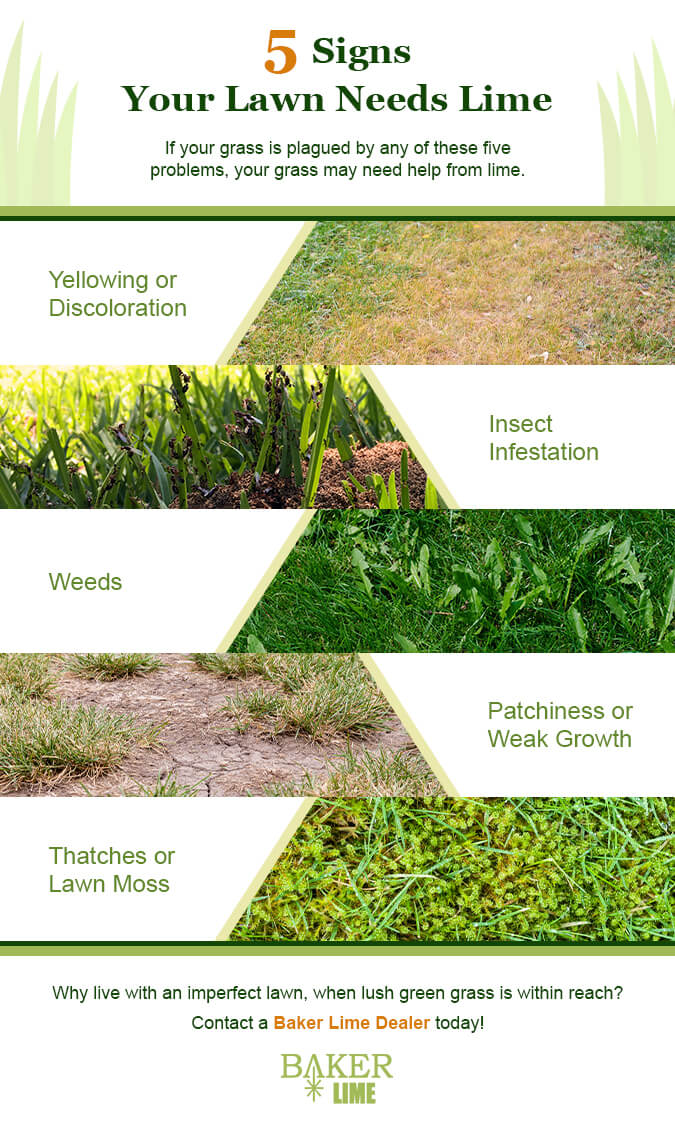
Image Source: www.bakerlime.com
The Science of Soil pH
Have you ever wondered why some lawns look lush and green while others struggle to thrive? A significant factor is often the soil pH. But what exactly is soil pH? It’s a scale that measures how acidic or alkaline your soil is. This scale runs from 0 to 14. A pH of 7 is neutral. Anything below 7 is acidic, and anything above 7 is alkaline.
What Does Soil pH Mean for Your Lawn?
Think of soil pH as a gatekeeper for the nutrients your grass needs. When the soil pH is within the ideal range for your grass type, these nutrients are readily available for your grass to absorb. However, if the soil pH is too high (alkaline) or too low (acidic), these essential nutrients can become locked up in the soil, making them inaccessible to your grass. This means even if you’re fertilizing regularly, your lawn might not be getting the nourishment it needs to flourish.
The Ideal pH Range for Grass
Most lawn grasses prefer a slightly acidic to neutral soil pH. For many common turfgrasses, including cool-season grass varieties like fescue, bluegrass, and ryegrass, an ideal soil pH range is between 6.0 and 7.0. Some grasses might tolerate a slightly wider range, but consistently staying within this sweet spot is key for optimal lawn health.
Why is My Soil Acidic?
Many factors can contribute to acidic soil. One of the most common culprits in residential areas is the natural breakdown of organic matter. As leaves and grass clippings decompose, they release organic acids, which gradually lower the soil pH over time.
Common Causes of Acidic Soil:
- Rainfall: In regions with high rainfall, rainwater can leach alkaline substances out of the soil, leading to increased acidity.
- Fertilizers: Certain types of nitrogen fertilizers, particularly ammonium sulfate, can increase soil acidity with repeated use.
- Coniferous Plants: The decomposition of pine needles and other organic matter from evergreen trees and shrubs can also lower soil pH in surrounding areas.
- Natural Soil Composition: Some soils are naturally more acidic than others due to their parent material and geological history.
Signs of Acidic Soil
How can you tell if your lawn is suffering from acidic soil? Look for these telltale signs:
- Poor Grass Growth: Your lawn might appear thin, sparse, and slow to establish.
- Yellowing or Discolored Grass: The grass blades might turn pale green or yellow, especially in patches. This can indicate nutrient deficiencies, often caused by the inability of the grass to access essential minerals like iron.
- Increased Weed Presence: Many common lawn weeds, such as dandelions, clover, and crabgrass, actually thrive in acidic soil, outcompeting your desired grass species.
- Moss Growth: A thick carpet of moss is often a strong indicator of compacted and acidic soil. Moss prefers the same conditions that many desirable grasses dislike.
- Poor Fertilizer Response: You might notice that your lawn doesn’t green up or grow much even after applying fertilizer.
What Does Lime Do to Your Lawn?
Lime is a natural mineral that, when added to the soil, helps to raise its pH. It works by neutralizing the acids present in the soil. The primary component in most lawn lime is calcium carbonate. When lime is applied and mixed with the soil, the calcium carbonate reacts with the acids, reducing their concentration and moving the soil pH closer to neutral.
How Lime Improves Soil pH
The process isn’t instantaneous, but over time, lime effectively buffers the soil’s acidity. It’s a gradual process that requires moisture and microbial activity to occur efficiently. The calcium and magnesium in the lime also act as essential nutrients for plant growth.
Beyond pH: Other Benefits of Lime
While its primary role is soil pH adjustment, lime offers several other advantages for lawn health:
- Improved Nutrient Availability: By raising the soil pH, lime makes vital nutrients like phosphorus, potassium, calcium, and magnesium more available to your grass roots. This enhances nutrient uptake, leading to healthier, more vigorous growth.
- Enhanced Microbial Activity: Healthy soil is teeming with beneficial microorganisms. These microbes play a crucial role in decomposing organic matter and releasing nutrients. Lime helps create a more favorable environment for these microbes to thrive, further improving soil fertility.
- Better Soil Structure: In some cases, lime can help improve soil structure, particularly in clay soils. The calcium in lime can bind soil particles together, improving aeration and drainage.
- Reduced Aluminum and Manganese Toxicity: In very acidic soils, aluminum and manganese can become soluble and toxic to plants. Lime neutralizes these elements, making them less available to harm your grass.
When and How to Apply Lime
Knowing when and how to apply lime is crucial for achieving the desired results and avoiding potential harm to your lawn.
The Importance of Soil Testing
Before you rush out to buy lime, the most important step is to conduct a soil testing. A soil test will tell you your current soil pH and, crucially, whether your lawn actually needs lime. It will also identify any nutrient deficiencies or excesses. You can get a soil testing kit from most garden centers or send a sample to your local cooperative extension office for a more comprehensive analysis.
What a Soil Test Reveals:
- Current Soil pH: This is the most critical piece of information for deciding if you need lime.
- Nutrient Levels: Tests often measure levels of essential nutrients like nitrogen, phosphorus, potassium, calcium, magnesium, and micronutrients.
- Organic Matter Content: This can give you clues about soil health and potential acidity sources.
- Recommendations: A good soil test report will provide specific recommendations for amendments, including lime and fertilizer, tailored to your soil and desired plants.
Timing is Everything: When to Apply Lime
The best time to apply lime is typically in the fall or early spring. These periods allow the lime to gradually dissolve and begin working into the soil before the peak growing season. Applying lime in late fall, after the grass has stopped actively growing, is often considered ideal because it gives the lime several months to react with the soil before the spring growth spurt.
Recommended Application Times:
- Fall: This is generally the most recommended time, allowing the lime to react with the soil over winter.
- Early Spring: Applying lime in early spring, a few weeks before you expect significant growth, can also be beneficial.
- Avoid Peak Summer Heat: Applying lime during hot, dry summer months can stress your lawn.
How Much Lime Should You Apply?
The amount of lime to apply depends entirely on your soil test results. Your soil test report will provide specific recommendations for the type and amount of lime needed to adjust your soil pH to the optimal range. Over-liming can be just as detrimental as having acidic soil, as it can lead to nutrient deficiencies.
Factors Influencing Lime Application Rate:
- Current Soil pH: The further your pH is from the ideal range, the more lime might be needed.
- Target Soil pH: The desired pH level for your grass type.
- Soil Type: Clay soils generally require more lime than sandy soils to achieve the same pH change because they have a greater buffering capacity.
- Type of Lime: Different forms of lime (e.g., granular, powdered) may have slightly different application rates.
Types of Lime for Your Lawn
There are several types of lime available for lawn care, each with its own characteristics:
- Pulverized (Powdered) Lime: This is the fastest-acting form because the fine particles have a large surface area. However, it can be dusty and difficult to spread evenly.
- Granular Lime: This is the most common type for lawn application. The lime is pelleted, making it easier to spread evenly with a broadcast spreader. It acts more slowly than pulverized lime but is much more user-friendly.
- Hydrated Lime (Slaked Lime): This is a very strong and fast-acting form of lime. However, it can be caustic and potentially harm your lawn if not applied correctly. It’s generally not recommended for casual lawn care.
- Dolomitic Lime: This type of lime contains both calcium and magnesium. If your soil test also indicates a magnesium deficiency, dolomitic lime is a good choice. If your soil has sufficient magnesium, use calcitic lime (which primarily adds calcium).
Application Methods
Applying lime evenly is key. Use a lime spreader – either a broadcast spreader or a drop spreader – for best results.
Steps for Applying Lime:
- Calibrate Your Spreader: Ensure your spreader is set to the correct rate as recommended by the lime manufacturer and your soil test.
- Spread Evenly: Walk at a consistent pace, overlapping your passes slightly to ensure uniform coverage. Avoid dumping lime in one spot, which can lead to over-application.
- Water In (Optional but Recommended): Lightly watering your lawn after applying lime can help it start to dissolve and move into the soil. However, avoid heavy watering that could wash the lime off the grass blades.
- Avoid Applying to Wet Grass: This can cause the lime to stick to the grass blades and can be less effective.
Frequently Asked Questions (FAQ)
Q1: Can I put lime on my lawn in the summer?
A: It’s generally not recommended to apply lime during the peak heat of summer. The stress of heat, combined with the potential for over-application, can damage your lawn. Fall or early spring are better times.
Q2: How often should I apply lime?
A: The frequency of lime application depends on your soil’s pH and how quickly it drifts back towards acidity. A soil test every 2-3 years will help you determine if and when reapplication is needed. Typically, you might reapply lime every 1-3 years, depending on your soil conditions.
Q3: Will lime kill my grass?
A: When applied at the recommended rates based on a soil test, lime will not kill your grass. However, applying too much lime or applying it improperly can harm your lawn. Always follow the soil test recommendations carefully.
Q4: What is the difference between lime and fertilizer?
A: Fertilizer provides nutrients (like nitrogen, phosphorus, and potassium) that your grass needs to grow. Lime, on the other hand, primarily adjusts the soil pH to make existing nutrients available and improve soil conditions for better grass growth. They serve different but complementary roles in lawn health.
Q5: Is it okay to mix lime and fertilizer?
A: Generally, it’s best to avoid mixing lime and fertilizer directly for application, especially certain types of nitrogen fertilizers. Some chemical reactions can occur that reduce the effectiveness of both products. It’s usually recommended to apply them separately, waiting a few weeks between applications if possible. Your soil test report might offer specific guidance on this.
Q6: My lawn has a lot of clover. Is that a sign I need lime?
A: Clover often thrives in acidic soil conditions that are less favorable for many turfgrasses. While clover isn’t necessarily a sign that you definitely need lime, it’s often an indicator of underlying soil pH issues. A soil test is the best way to confirm if lime application would benefit your lawn.
Conclusion: A Healthier Lawn Through Balanced Soil
Putting lime on your lawn isn’t just a random gardening chore; it’s a targeted approach to improving your lawn health by addressing a fundamental aspect of your soil: its pH. By correcting acidic soil, you unlock the full potential of your lawn, allowing for better grass growth, enhanced nutrient uptake, and a more resilient, vibrant green carpet. Remember, the key to successful lime application lies in conducting a soil testing, understanding your soil’s specific needs, and applying lime judiciously. With a little knowledge and the right approach, you can transform your lawn into a picture of health.