
Moss, a soft, green carpet, often appears in yards. What is moss? Moss is a non-flowering plant that thrives in moist, shady environments. Can I get rid of moss easily? Yes, with the right approach, moss can be managed and removed. Who is responsible for lawn health? Ultimately, the homeowner is responsible for maintaining a healthy lawn.
Moss is a common sight in many yards, especially in areas that receive little sunlight or have consistently damp soil. Its velvety texture and vibrant green color can be appealing, but when it starts taking over your lawn, it can be a sign of underlying problems. Fathoming why moss thrives in your yard is the first step to regaining control and promoting a healthier turf.
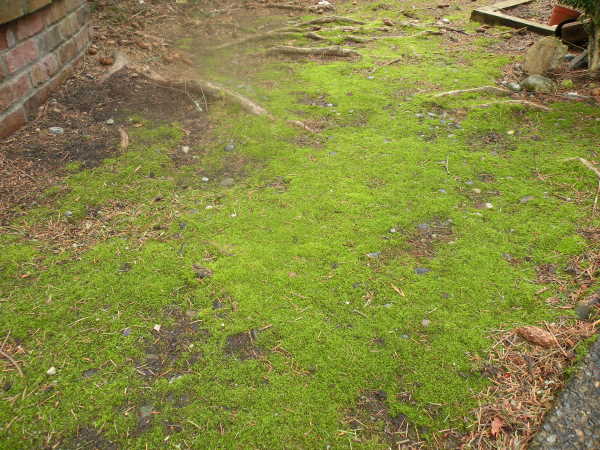
Image Source: turfgator.com
Deciphering the Conditions Favoring Moss Growth
Moss doesn’t compete well with healthy, vigorous grass. Its presence is usually an indicator that your lawn isn’t providing the ideal environment for grass to flourish. Several key factors create the perfect storm for moss to take root and spread.
Shady Areas: The Dominant Factor
One of the most significant reasons moss grows in your yard is shady areas. Grass, particularly the common varieties used in lawns, needs ample sunlight to grow strong and dense. When areas of your yard are consistently shaded by trees, buildings, or fences, the grass struggles to get enough light.
- Reduced Photosynthesis: Grass plants need sunlight for photosynthesis, the process that converts light energy into food. Less sunlight means less food, leading to weaker grass.
- Moisture Retention: Shady spots tend to stay cooler and damper for longer periods after rain or watering. This prolonged moisture is ideal for moss.
- Competition: As grass weakens in shade, it thins out, creating open spaces where moss can easily establish itself.
Poor Drainage: A Soggy Foundation
Poor drainage is another major culprit. If water sits on the surface of your lawn for extended periods after rain or irrigation, it creates a waterlogged environment that grass dislikes but moss tolerates.
- Waterlogging: Excess water displaces air in the soil, suffocating grass roots and making them susceptible to disease.
- Moss Preference: Moss, with its shallow root system, doesn’t need deep soil aeration and can thrive in consistently wet conditions.
- Identifying Poor Drainage: Look for puddles that persist for more than a few hours after watering or rain. Areas where water pools are prime candidates for moss growth.
Compacted Soil: Stifling Grass Roots
Compacted soil prevents air, water, and nutrients from reaching grass roots effectively. When soil is too dense, grass struggles to grow strong, leaving it vulnerable to moss.
- Root Restriction: Compacted soil physically hinders root development. Roots can’t penetrate deeply, making the grass weaker and less resilient.
- Surface Compaction: Foot traffic, heavy equipment, and even mowing can contribute to soil compaction over time.
- Moss Advantage: Moss, with its shallow nature, can often establish itself on the soil surface even when deeper soil conditions are poor for grass.
Acidic Soil: A Chemical Imbalance
Moss often signals acidic soil. While some grasses can tolerate slightly acidic conditions, many common lawn grasses prefer a slightly alkaline to neutral pH.
- pH Scale: Soil pH is a measure of acidity or alkalinity. A pH of 7 is neutral. Below 7 is acidic, and above 7 is alkaline.
- Grass Sensitivity: Many turfgrasses perform best when the soil pH is between 6.0 and 7.0.
- Moss Tolerance: Moss species are generally more tolerant of acidic conditions than grass. If your soil pH is too low, grass will struggle, and moss will find a niche.
- Testing Soil pH: A simple soil test kit from a garden center can determine your soil’s pH.
Low Nitrogen: Starving the Grass
Low nitrogen levels in the soil can lead to a weak, yellowish lawn that is more susceptible to moss. Nitrogen is a crucial nutrient for healthy green growth in grass.
- Grass Needs: Grass requires adequate nitrogen for vibrant green color and robust growth.
- Moss as a Indicator: When grass isn’t getting enough nitrogen, it thins and weakens. This gives moss an opportunity to spread.
- Nutrient Imbalance: Even if other conditions are favorable, a lack of nitrogen can directly contribute to moss problems.
Damp Conditions: The Constant Companion
The overarching theme for moss growth is damp conditions. Moss requires moisture to survive and reproduce. If your yard retains moisture for extended periods, moss will likely thrive.
- Atmospheric Moisture: High humidity can also contribute to surface moisture, even without heavy rainfall.
- Inadequate Airflow: Poor airflow in shady or overgrown areas can trap moisture, creating a perpetually damp microclimate.
- Overwatering: Ironically, overwatering your lawn can create these perpetually damp conditions, which are perfect for moss and detrimental to grass.
Lack of Sunlight: The Shade Effect
As mentioned earlier, lack of sunlight is a primary driver. When grass can’t get enough light, it weakens, and moss takes advantage of the space and the associated dampness.
Thinning Grass: The Empty Real Estate
Thinning grass is the direct consequence of many of the factors above. When your grass cover is sparse, there’s less competition for resources, allowing moss to establish itself easily.
- Bare Patches: Moss will quickly colonize any bare or thinly grassed areas in your yard.
- Cycle of Decline: Weak grass leads to thinning grass, which leads to moss, which further weakens the grass. Breaking this cycle is key.
Identifying Moss in Your Yard
Moss typically appears as a dense, green, carpet-like growth on the soil surface. It can be found in various textures and shades of green, from a fine, velvety layer to a more clumpy or spongy mat.
| Location | Typical Appearance | Associated Causes |
|---|---|---|
| Shaded Areas | Uniform, dense green carpet | Lack of sunlight, moisture retention |
| Under Trees | Often found in the drip line where light is limited | Shade, root competition, potentially acidic leaf litter |
| North-Facing Slopes | Can indicate consistent shade and moisture | Reduced sunlight, potential for dampness |
| Along Walkways | Growing in cracks or edges where grass is thin | Compaction, shade, moisture from adjacent surfaces |
| Damp Spots | Areas where water collects or soil stays wet | Poor drainage, overwatering |
Tackling Moss: Effective Moss Control Strategies
Once you’ve identified the causes, you can implement strategies for moss control and promote a healthier lawn. The goal is not just to kill the moss but to create an environment where grass can thrive and outcompete it.
Addressing the Root Causes
The most effective approach to moss control is to tackle the underlying issues that allow it to grow in the first place.
Improving Sunlight Exposure
- Prune Trees and Shrubs: Trim overhanging branches that cast deep shade on your lawn. This allows more sunlight to reach the grass. Aim to prune in late winter or early spring before new growth begins.
- Consider Removal: In extreme cases, if a tree or shrub causes persistent, widespread moss problems, consider removing it.
Enhancing Drainage
- Aeration: Core aeration is a process that removes small plugs of soil, allowing air, water, and nutrients to penetrate deeper. This is crucial for compacted soil and improving drainage. Aerate in the fall or spring when grass is actively growing.
- Dethatching: A thick layer of thatch (dead grass stems and roots) can impede drainage. Dethatching removes this layer, allowing water to reach the soil.
- Amend Soil: For persistent drainage issues, consider amending the soil with organic matter like compost. This improves soil structure and water infiltration.
- Install Drainage Systems: In severe cases, consider installing French drains or other drainage solutions to channel excess water away from the lawn.
Relieving Soil Compaction
- Regular Aeration: As mentioned above, regular core aeration is the best way to combat soil compaction.
- Reduce Foot Traffic: Minimize walking or driving on the lawn, especially when the soil is wet.
- Topdressing: After aeration, topdressing with a thin layer of compost or sand can help improve soil structure over time.
Adjusting Soil pH
- Soil Testing: Get your soil tested to determine its pH level.
- Liming: If your soil is too acidic (pH below 6.0), apply agricultural lime according to the test results’ recommendations. This will gradually raise the pH.
- Sulfur Application: If your soil is too alkaline, you can add elemental sulfur to lower the pH.
Enriching Soil Nutrients (Especially Nitrogen)
- Fertilization: Apply a balanced fertilizer, paying attention to the nitrogen content. Choose a slow-release nitrogen fertilizer for sustained feeding.
- Timing: Fertilize at the appropriate times for your grass type, typically in the fall and spring.
- Composting: Incorporating compost into your soil provides a slow release of nutrients and improves soil health.
Managing Moisture Levels
- Water Wisely: Avoid overwatering. Water deeply and less frequently to encourage deep root growth in grass. Water early in the morning to allow the grass to dry before nightfall.
- Improve Air Circulation: Trim dense shrubs and trees around the lawn to improve airflow, helping the soil dry out faster.
Direct Moss Removal Methods
While addressing the underlying causes is crucial, direct removal can provide immediate aesthetic improvement and prepare the lawn for reseeding or recovery.
Mechanical Removal
- Raking: A stiff rake can be used to physically pull out moss. This is most effective after rain when the moss is hydrated and easier to dislodge.
- Scarifying: Specialized scarifiers or dethatchers with tines can effectively remove moss and thatch.
Chemical Treatments (Moss Killers)
Several chemical products are available to kill moss. These are often iron-based or contain specific herbicides.
- Iron Sulfate: A common ingredient in moss killers. It turns moss black, and then you can rake it away. Be cautious, as iron can stain concrete and paving.
- Herbicides: Specific herbicides designed for moss control can be effective. Always read and follow label instructions carefully.
- Application Timing: Apply moss killers when the moss is actively growing, typically in spring or fall.
Table: Moss Control Methods and Considerations
| Method | How it Works | Pros | Cons |
|---|---|---|---|
| Aeration | Improves soil structure, drainage, air flow | Addresses underlying issues, promotes grass | Time-consuming, requires equipment |
| Dethatching | Removes thatch layer that hinders drainage | Improves water and nutrient uptake | Can stress the lawn if done too aggressively, requires equipment |
| Raking | Physically removes moss | Immediate visual improvement, simple | Labor-intensive, doesn’t address root causes |
| Iron Sulfate | Kills moss by oxidizing it | Fast-acting, readily available | Can stain surfaces, may not prevent recurrence if causes aren’t addressed |
| Herbicides | Chemical agents designed to kill moss | Can be very effective | Potential environmental impact, requires careful application, may harm grass if misapplied |
| Lime Application | Raises soil pH to make it less acidic | Corrects soil chemistry for grass | Takes time to work, requires accurate measurement and application |
Promoting Healthy Grass for Long-Term Control
The ultimate goal of moss control is to create a dense, healthy lawn that naturally outcompetes moss.
- Reseeding: After removing moss and addressing the underlying issues, reseed bare or thin areas with a high-quality grass seed suitable for your climate and light conditions.
- Proper Mowing: Mow your lawn at the correct height for your grass type. Taller grass shades the soil, keeping it cooler and moister, which can discourage moss.
- Consistent Feeding: Regular, proper fertilization ensures your grass has the nutrients it needs to grow strong and dense.
Frequently Asked Questions About Moss in the Yard
Q1: Will moss kill my grass?
Moss itself doesn’t typically kill grass directly. Instead, it thrives in conditions that weaken grass, such as shade, poor drainage, and compacted soil. As the grass weakens and thins, moss takes over the space.
Q2: Is moss bad for my lawn?
Moss isn’t inherently “bad,” but its presence is usually a symptom of an unhealthy lawn environment. It indicates that your grass is struggling due to underlying issues like insufficient sunlight, poor drainage, or nutrient deficiencies.
Q3: How quickly can I get rid of moss?
While you can kill moss relatively quickly with chemical treatments or vigorous raking, restoring your lawn to a moss-free state takes time. Addressing the underlying causes and promoting healthy grass growth is a gradual process.
Q4: Can I just spray moss killer and be done with it?
Simply spraying moss killer will remove the existing moss, but if you don’t address the reasons it grew there in the first place (like shade or poor drainage), it will likely return. A comprehensive approach is necessary for long-term success.
Q5: What is the best time of year to treat moss?
The best time to treat moss is generally in spring or fall when temperatures are mild and both moss and grass are actively growing. This allows for effective treatment and quick recovery of the lawn.
Q6: My lawn has a lot of moss in shady areas. What should I do?
In shady areas, focus on improving the lawn’s ability to handle low light. This might involve pruning trees to allow more sunlight, choosing shade-tolerant grass varieties, or even considering ground cover options if grass won’t grow.
Q7: I’ve aerated and dethatched my lawn, but moss is still a problem. What else could it be?
If aeration and dethatching haven’t solved the moss issue, consider your soil’s pH. Moss often prefers more acidic soil than grass. Testing your soil pH and potentially adding lime to raise it could be the next step. Also, re-evaluate your watering habits to ensure you aren’t overwatering.
By comprehending the factors that lead to moss growth and implementing a targeted approach, you can transform your yard from a moss haven into a lush, healthy green lawn. Patience and persistence are key, but with the right strategies, you can successfully manage and eliminate moss.