
Yes, you absolutely can paint plastic lawn furniture! Painting is a fantastic way to refresh old, faded, or even mismatched plastic outdoor pieces, breathing new life into your patio or garden. It’s a cost-effective method for plastic furniture restoration and a great way to achieve a custom look for your outdoor plastic furniture. This guide will walk you through the best way to paint your plastic lawn furniture, ensuring a durable and beautiful finish. We’ll cover everything from cleaning plastic furniture before painting to applying the final coat, making refinishing plastic furniture a manageable and rewarding DIY project.
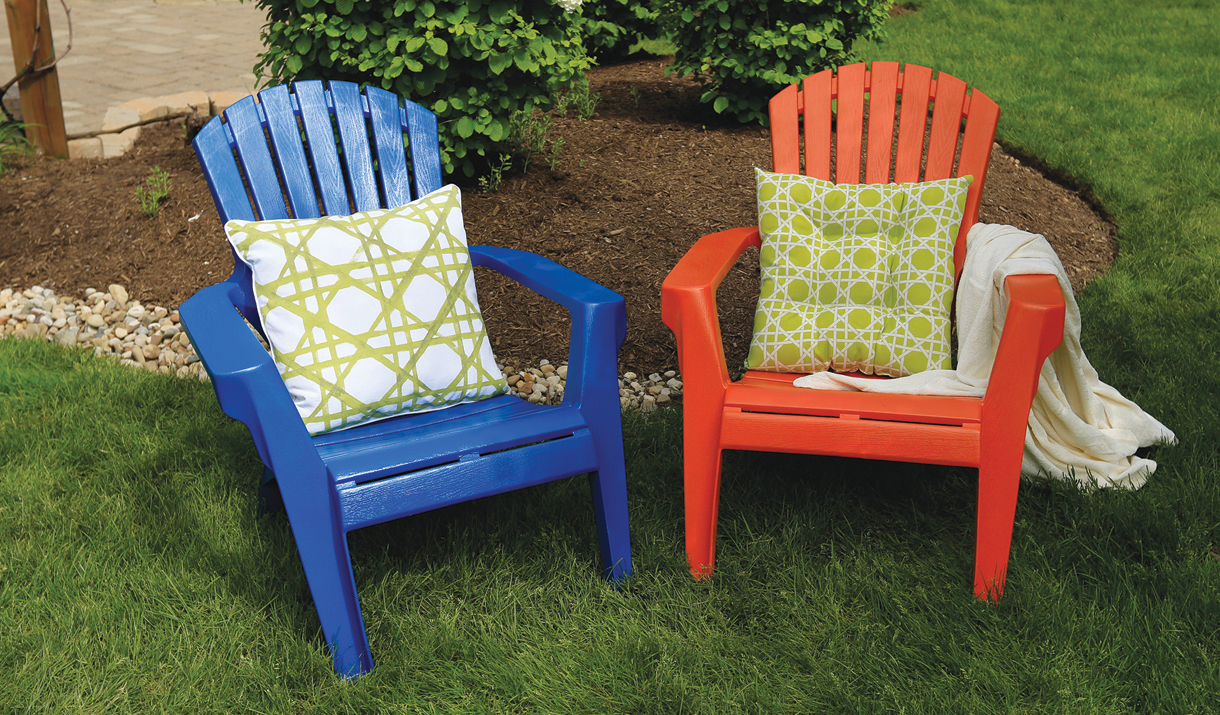
Image Source: www.krylon.com
Why Paint Your Plastic Lawn Furniture?
Plastic lawn furniture is popular for its affordability, light weight, and weather resistance. However, over time, UV rays, rain, and general wear and tear can cause it to fade, crack, or become discolored. Instead of replacing it, painting offers a sustainable and creative solution.
- Cost-Effective: A can of spray paint is much cheaper than buying new furniture.
- Customization: You can choose any color to match your outdoor decor.
- Durability: With the right preparation and paint, your refreshed furniture can last for years.
- Environmental Friendly: Repurposing old furniture reduces waste.
Prepping Your Plastic Furniture: The Crucial First Step
Proper preparation is the single most important factor in achieving a successful and long-lasting paint job on plastic. Skipping or rushing this stage will lead to peeling, chipping, and a poor finish. Think of this as the foundation of your project.
Step 1: Thorough Cleaning
You need to start with a clean surface. Dirt, grime, mildew, and any leftover residues will prevent the paint from adhering properly.
What to Use for Cleaning:
- Mild Soap and Water: A bucket of warm water mixed with a few drops of dish soap is usually sufficient.
- Degreaser (Optional but Recommended): For stubborn grease or oily residues, a dedicated plastic degreaser can be very helpful.
- Soft Brushes or Sponges: Avoid abrasive scrubbers that could scratch the plastic.
- Hose or Bucket: To rinse thoroughly.
The Cleaning Process:
- Initial Rinse: Hose down the furniture to remove loose dirt and debris.
- Wash: Use a sponge or soft brush dipped in your soapy water to scrub all surfaces. Pay attention to crevices and textured areas. If you are painting vinyl lawn chairs, you might need to be a bit more gentle.
- Tackle Mildew: If you see any signs of mildew, use a solution of one part bleach to three parts water. Let it sit for a few minutes, then scrub and rinse thoroughly. Be sure to wear gloves and work in a well-ventilated area.
- Rinse Completely: Rinse all surfaces with clean water. Make sure no soap residue remains.
- Dry Thoroughly: Allow the furniture to air dry completely. You can speed this up by wiping it down with clean, lint-free cloths. Ensure all dampness is gone before moving to the next step.
Step 2: Sanding for Adhesion
Plastic is often smooth and non-porous, which makes it difficult for paint to stick. Sanding creates a slightly rough surface that paint can grip onto. This is a key part of how to prep plastic furniture for paint.
What Grit of Sandpaper to Use:
- Fine-Grit Sandpaper (150-220 Grit): This is generally the best choice. It will create enough “tooth” for the paint to adhere without excessively roughing up the surface, which could show through the paint.
The Sanding Process:
- Lightly Sand: Using your chosen sandpaper, lightly scuff all surfaces you intend to paint. You don’t need to remove any of the original plastic; you just want to dull the sheen.
- Work in One Direction: For a more uniform finish, try to sand in one direction.
- Check for Smoothness: After sanding, run your hand over the surface. It should feel slightly rough, not slick.
- Clean Again: After sanding, you’ll have a fine plastic dust. Wipe down the furniture with a tack cloth or a damp (not wet) microfiber cloth to remove all dust particles. This is a crucial step; any remaining dust will compromise your paint job.
Step 3: Masking (If Necessary)
If your furniture has any parts you don’t want to paint (like metal hardware or fabric cushions), now is the time to mask them off.
- Painter’s Tape: Use good quality painter’s tape to cover these areas. Ensure the edges of the tape are pressed down firmly to prevent paint from seeping underneath.
Choosing the Right Paint and Primer
Selecting the correct products is vital for a durable and attractive finish. Not all paints are created equal, especially when it comes to bonding with plastic.
Primer: The Essential First Layer
A plastic furniture primer is non-negotiable for most plastic painting projects. It acts as a bridge between the plastic and your topcoat, ensuring excellent adhesion and preventing future peeling.
Why Use a Plastic Primer?
- Adhesion: It helps paint stick to slick surfaces.
- Durability: It makes the paint job last longer.
- Uniformity: It can help cover stains or slight color variations in the original plastic.
- Color Blocking: It provides a neutral base for your chosen topcoat color.
Best Types of Primers for Plastic:
- Adhesion Promoter Primer: Specifically formulated for plastics, these are excellent. They often go on very thin.
- Shellac-Based Primer: Known for their superior adhesion and stain-blocking properties.
- Water-Based Primer (Latex or Acrylic): Many modern latex or acrylic primers are designed to adhere to tricky surfaces, including plastic, if they state “for multi-surface” or “adhesion promoting.” Always check the can.
Application of Primer:
- Spray Primer: This is often the easiest and provides the most even coat for plastic furniture.
- Brush-on Primer: Can be used, but requires careful application to avoid brush strokes.
- Apply Thin Coats: Two thin coats of primer are much better than one thick coat. Allow each coat to dry completely according to the manufacturer’s instructions before applying the next.
Paint: The Best Choices for Plastic Furniture
When choosing your paint, consider durability, UV resistance, and flexibility, as plastic can expand and contract with temperature changes. The best paint for plastic furniture is typically an acrylic or enamel-based paint.
Top Paint Options:
- Spray Paint Specifically for Plastic: Many brands offer spray paints formulated for plastics, often labeled as “Bonds to Plastic” or “Plastic Paint.” This is often the easiest and most efficient method, especially for spray painting plastic chairs. Look for best spray paint for outdoor furniture that specifies plastic compatibility.
- Exterior Acrylic Latex Paint: High-quality exterior acrylic paints offer good durability and flexibility. They can be sprayed with a paint sprayer or applied with a brush or roller. If you choose this route, ensure you use a good plastic primer first.
- Enamel Paints: Both oil-based and water-based enamels can be durable. Water-based enamels are generally easier to clean up and less prone to yellowing over time.
Key Features to Look For:
- UV Resistance: Essential for outdoor furniture to prevent fading.
- All-Weather Formula: Indicates it’s designed to withstand various weather conditions.
- Flexibility: Helps prevent cracking as the plastic expands and contracts.
Paint Application Techniques
The method you use to apply the paint will significantly impact the final look and durability.
Spray Painting: The Go-To Method
Spray painting is generally the most effective way to paint plastic furniture, offering a smooth, even finish and getting into all the nooks and crannies.
Tips for Spray Painting:
- Ventilation: Work in a well-ventilated area, ideally outdoors, away from wind and direct sunlight.
- Protect Surrounding Areas: Lay down drop cloths to protect the ground or surrounding surfaces from overspray.
- Shake the Can: Shake the spray can vigorously for at least two minutes before and occasionally during use.
- Test Spray: Always test spray on a piece of scrap cardboard or an inconspicuous area of the furniture to check the spray pattern and color.
- Hold the Can Properly: Keep the can about 8-12 inches away from the surface.
- Apply Thin, Even Coats: Move the can in a steady, back-and-forth motion. Overlap each pass by about 50% to avoid streaks.
- Don’t Apply Too Thick: Several thin coats are always better than one thick coat, which can lead to drips and uneven drying.
- Allow Drying Time: Let each coat dry thoroughly according to the manufacturer’s instructions (usually 10-20 minutes between coats) before applying the next.
- Directional Spraying: Try to spray in one consistent direction for the initial coats, then switch directions (e.g., horizontal then vertical) for subsequent coats to ensure full coverage.
Brush or Roller Application:
If you prefer not to spray, you can use a good quality brush or a small foam roller.
Tips for Brush/Roller Application:
- Use High-Quality Tools: Invest in good synthetic brushes for water-based paints or natural bristles for oil-based paints. Use a foam roller for a smoother finish.
- Apply Thin Coats: Avoid overloading the brush or roller. Thin, even coats are key.
- Work in Sections: Paint small sections at a time to maintain a wet edge, which helps prevent lap marks.
- Use Long, Even Strokes: For brushes, use long, smooth strokes in one direction. For rollers, use a light pressure.
- Allow Ample Drying Time: Ensure each coat is completely dry before applying the next. This might take longer than spray paint.
Applying Multiple Coats for Durability
Regardless of the application method, applying multiple coats is essential for a robust finish.
The Primer Coats
- Apply one to two thin, even coats of your chosen plastic primer.
- Allow the primer to dry completely according to the product’s instructions. This is often a few hours, but check the can. Lightly sanding between primer coats with very fine-grit sandpaper (320 grit or higher) can improve adhesion, but ensure you wipe away all dust afterward.
The Topcoat Coats
- Apply at least two to three thin coats of your chosen outdoor plastic furniture paint.
- For maximum durability, especially for high-traffic items like chairs, consider three or even four thin coats.
- Always follow the recoating times specified on the paint can. Rushing this step can cause the paint layers to peel or become gummy.
Curing and Finishing Touches
Once you’ve applied your final coat of paint, the job isn’t entirely done. Proper curing is vital for the paint’s hardness and durability.
The Curing Process
- Drying vs. Curing: Paint dries when the solvent evaporates, allowing it to be touched. Curing is a longer process where the paint hardens fully, forming a durable film.
- Patience is Key: While the paint may feel dry to the touch within hours, it can take several days to a week (or even longer, depending on humidity and temperature) for the paint to cure completely.
- Avoid Heavy Use: During the curing period, try to avoid putting stress on the furniture or exposing it to harsh weather.
Optional: Adding a Clear Coat
For an extra layer of protection and durability, especially for furniture that will be heavily used or exposed to intense sunlight, you can apply a clear topcoat.
- Choose the Right Clear Coat: Select a clear spray sealant or topcoat that is specifically designed for outdoor use and compatible with the paint you used (check the product labels). Look for UV protection.
- Apply Thin Coats: Just like the paint, apply the clear coat in thin, even layers.
- Allow Full Cure: Ensure the clear coat also has ample time to cure before putting the furniture back into regular use.
Painting Different Types of Plastic Furniture
While the general principles remain the same, some types of plastic furniture might require slightly different approaches.
Painting Plastic Chairs
Spray painting plastic chairs is common. Ensure you get into the legs, under the seat, and any textured areas. Turn the chairs upside down or on their sides to access all angles. If painting vinyl lawn chairs, be extra careful not to apply paint too thickly, as vinyl can become brittle if painted improperly.
Painting Plastic Tables
Tables often have larger, flat surfaces. The key here is to achieve a smooth, even finish without drips or brush marks. Spray painting is ideal for tables. If using a roller, work in long, consistent strokes.
Painting Plastic Storage Bins and Accessories
These items can also be refreshed. Ensure they are thoroughly cleaned, especially if they’ve been used for storage.
Troubleshooting Common Painting Issues
Even with careful preparation, you might encounter minor issues.
- Peeling Paint: This is almost always a result of poor surface preparation (dirt, grease, or not enough sanding) or using the wrong type of primer/paint.
- Drips: Caused by applying paint too thickly. If minor, you might be able to lightly sand them down once dry and reapply a thin coat. For major drips, you may need to remove the paint and start over.
- Uneven Finish: Usually due to inconsistent spray distance, uneven paint flow, or not enough coats.
- Chalking: Can occur with exterior paints that lack sufficient UV protection or if the paint is old.
Maintaining Your Painted Plastic Furniture
Once your furniture is beautifully painted, proper care will help it last.
- Regular Cleaning: Wipe down the furniture periodically with mild soap and water to remove dust and dirt.
- Avoid Harsh Cleaners: Do not use abrasive cleaners or solvents, as these can damage the paint.
- Winter Storage (Optional): If you live in an area with harsh winters, storing the furniture indoors or covering it can extend its life and protect the paint.
Frequently Asked Questions (FAQ)
Q: Can I paint plastic furniture without primer?
A: While some specialty paints claim to adhere directly to plastic, using a dedicated plastic primer is highly recommended for the best adhesion and longevity. Skipping primer significantly increases the risk of paint peeling.
Q: What is the best spray paint for outdoor furniture?
A: The best spray paint for outdoor furniture is one specifically formulated for plastics, offering UV resistance and all-weather durability. Look for brands that explicitly state they bond to plastic. Exterior acrylic or enamel spray paints are good choices.
Q: How do I clean plastic furniture before painting?
A: Thoroughly clean the furniture with mild soap and water, a soft brush, and rinse well. For greasy residue, use a degreaser. Ensure it’s completely dry before proceeding.
Q: How long does it take for painted plastic furniture to cure?
A: Paint dries to the touch in a few hours, but it can take several days to a week or more for the paint to cure fully and harden. Avoid heavy use during this curing period.
Q: Can I paint over existing paint on plastic furniture?
A: Yes, but you must ensure the old paint is well-adhered. Clean and lightly sand the surface to create a good base for the new paint. If the old paint is peeling or in poor condition, it’s best to remove it before repainting.
Q: How do I fix peeling paint on plastic furniture?
A: Scrape away all loose or peeling paint. Lightly sand the entire surface to dull the sheen and improve adhesion. Clean thoroughly and re-prime with a plastic primer, then reapply your topcoat in thin layers.
Q: What’s the difference between refinishing and restoring plastic furniture?
A: Refinishing typically refers to altering the appearance, often by painting or staining. Restoring is a broader term that can include refinishing, repairing damage, and bringing the item back to its original or a better functional state. Painting is a key part of both processes for plastic furniture.
By following these detailed steps, you can successfully paint your plastic lawn furniture, giving it a fresh new look and extending its useful life. Happy painting!