
Image Source: assets.gardeners.com
How Many Pounds Of Mulch In A Yard: Calculate Easily
Figuring out how many pounds of mulch you need for your yard is a common question. While many factors influence the exact weight, a general estimate is that one cubic yard of mulch typically weighs between 500 and 1500 pounds, depending on its type and moisture content. This blog post will guide you through the process of accurately calculating your mulch needs, ensuring you buy the right amount without overspending or making extra trips to the store. We’ll explore how to convert cubic yards to pounds, understand mulch density, and utilize helpful tools to make your landscaping project a breeze.
Why Calculating Mulch is Important
Properly calculating how much mulch to buy for landscaping is crucial for several reasons. Too little mulch means your plants won’t receive the full benefits, such as moisture retention, weed suppression, and soil temperature regulation. Conversely, buying too much can lead to wasted money and the hassle of storing excess material. Whether you’re working on a small garden bed or a large landscaping project, having a clear plan for estimating mulch quantity prevents these issues.
Deciphering Mulch Volume: Cubic Yards Explained
Before we dive into pounds, it’s essential to grasp the concept of cubic yards. Mulch is typically sold by the cubic yard, a unit of volume. A cubic yard is a cube with sides measuring one yard (or three feet) in length, width, and height.
- 1 cubic yard = 3 feet x 3 feet x 3 feet = 27 cubic feet
When you buy mulch, you’re buying its volume. However, when you’re thinking about the physical weight for transport or handling, pounds become relevant. This is where cubic yards to pounds mulch conversion comes into play.
Fathoming Mulch Density: The Key to Weight Conversion
The crucial factor linking volume (cubic yards) to weight (pounds) is mulch density per cubic yard. This density varies significantly based on several factors:
Types of Mulch and Their Densities
Different organic materials have different weights. Here’s a general idea of how common mulch types vary:
- Wood Chips/Bark Mulch: Generally lighter than other types.
- Shredded Bark: Can be lighter due to air pockets.
- Composted Mulch: May be denser as organic matter breaks down.
- Pine Bark Fines: Smaller particles can pack more tightly, increasing density.
- Hardwood Mulch: Often denser than softwood mulches.
Moisture Content: A Significant Factor
Perhaps the most influential factor on mulch density is its moisture content. Dry mulch is significantly lighter than wet mulch. Imagine picking up a handful of dry leaves versus a handful of rain-soaked leaves – the difference in weight is obvious. When mulch is delivered or bagged, it might be dry, but it can quickly absorb moisture from the air or rain, increasing its weight considerably.
Estimating Mulch Weight
Because of these variations, it’s impossible to give an exact pound-per-cubic-yard figure that applies to all situations. However, for estimating mulch quantity, a common range to work with is:
- Lightweight mulches (e.g., some wood chips): 500 – 800 pounds per cubic yard
- Medium-density mulches (e.g., shredded bark): 800 – 1200 pounds per cubic yard
- Heavy or wet mulches (e.g., compacted compost, wet wood chips): 1200 – 1500+ pounds per cubic yard
Table 1: Approximate Mulch Weight per Cubic Yard
| Mulch Type | Approximate Weight (lbs/cubic yard) | Notes |
|---|---|---|
| Wood Chips | 500 – 800 | Lighter, good aeration |
| Shredded Bark | 800 – 1200 | Varies based on bark type and processing |
| Pine Bark Fines | 1000 – 1300 | Denser due to smaller particle size |
| Hardwood Mulch | 900 – 1300 | Generally denser than softwoods |
| Compost | 1000 – 1500+ | Can be very dense, especially when wet |
| Rubber Mulch | 700 – 900 | Lighter, but less common for soil benefits |
Disclaimer: These are approximate figures. Always check with your supplier for specific product densities if exact weight is critical.
Calculating Your Mulch Needs: A Step-by-Step Guide
To determine how many pounds of mulch in a yard, you first need to calculate the volume of mulch required. This involves measuring the area you want to cover and deciding on the desired depth.
Step 1: Measure the Area to Be Mulched
This is a crucial step for calculating mulch needs. You’ll need to measure the length and width of each area you plan to mulch.
- For Rectangular or Square Areas:
- Length (in feet) x Width (in feet) = Square Footage (sq ft)
- For Circular Areas:
- Radius (in feet) x Radius (in feet) x π (approximately 3.14) = Square Footage (sq ft)
- (Remember: Radius is half the diameter)
- For Irregular Shapes:
- Break down the area into smaller, manageable shapes (rectangles, squares, circles).
- Calculate the square footage for each shape.
- Add all the individual square footages together to get the total area.
Example: You have a rectangular garden bed that is 10 feet long and 4 feet wide.
Area = 10 ft x 4 ft = 40 sq ft.
You also have a circular flower bed with a diameter of 6 feet.
Radius = 6 ft / 2 = 3 ft.
Area = 3 ft x 3 ft x 3.14 = 28.26 sq ft.
Total area = 40 sq ft + 28.26 sq ft = 68.26 sq ft.
Step 2: Determine the Desired Mulch Depth
The ideal depth for mulch for garden beds is typically 2 to 4 inches.
-
Benefits of Proper Depth:
- Weed Suppression: Deeper mulch (around 3-4 inches) is more effective at blocking sunlight, preventing weed seeds from germinating.
- Moisture Retention: A good depth helps keep the soil moist, reducing the need for frequent watering.
- Temperature Regulation: Mulch insulates the soil, keeping it cooler in summer and warmer in winter.
- Aesthetics: A consistent, even depth provides a clean, finished look.
-
Why Avoid Too Much Depth:
- Excessive depth (over 4-5 inches) can suffocate plant roots, preventing them from getting enough oxygen and moisture.
- It can also lead to fungal diseases and create a barrier for water penetration.
For our calculations, we’ll use inches. It’s important to convert inches to feet for consistent calculations:
* 1 inch = 1/12 feet ≈ 0.083 feet
* 2 inches = 2/12 feet ≈ 0.167 feet
* 3 inches = 3/12 feet ≈ 0.25 feet
* 4 inches = 4/12 feet ≈ 0.333 feet
Let’s assume you want a 3-inch mulch depth for your garden beds.
Step 3: Calculate the Total Cubic Feet of Mulch Needed
Now, multiply your total square footage by the desired depth in feet.
- Total Cubic Feet = Total Square Footage x Depth (in feet)
Using our example:
Total area = 68.26 sq ft
Desired depth = 3 inches = 0.25 feet
Total Cubic Feet = 68.26 sq ft x 0.25 ft = 17.065 cubic feet
Step 4: Convert Cubic Feet to Cubic Yards
Since mulch is typically sold in cubic yards, you need to convert your cubic feet measurement. Remember, 1 cubic yard = 27 cubic feet.
- Cubic Yards = Total Cubic Feet / 27
Continuing our example:
Cubic Yards = 17.065 cubic feet / 27 = 0.632 cubic yards
Step 5: Convert Cubic Yards to Pounds
This is where cubic yards to pounds mulch conversion becomes essential for understanding the weight. You’ll use an estimated density figure here. Let’s use an average density of 1000 pounds per cubic yard for demonstration.
- Total Pounds = Cubic Yards x Estimated Density (lbs/cubic yard)
Using our example and the average density:
Cubic Yards = 0.632 cubic yards
Estimated Density = 1000 lbs/cubic yard
Total Pounds = 0.632 cubic yards x 1000 lbs/cubic yard = 632 pounds
So, for our example garden beds, you would need approximately 632 pounds of mulch.
Using a Mulch Calculator
To simplify this process, many online resources offer a mulch coverage calculator. These tools take your measurements and desired depth and instantly provide the cubic yards needed. Some even allow you to input mulch density to estimate the weight.
How a Mulch Calculator Works:
- Input Area Dimensions: You enter the length and width of your garden beds or landscape areas.
- Select Shape: Choose from options like rectangle, square, or circle.
- Enter Mulch Depth: Specify the desired depth in inches.
- Get Cubic Yard Estimate: The calculator will output the total cubic yards required.
- (Optional) Input Density: Some calculators allow you to input the estimated mulch density per cubic yard to see the total weight.
Using a bulk mulch estimator can save you time and prevent calculation errors. Many garden centers and landscaping supply companies provide these tools on their websites.
Mulch Bag Coverage vs. Bulk Mulch
Mulch is available in two primary forms: bagged mulch and bulk mulch.
Bagged Mulch
Bagged mulch is convenient for smaller projects and easy transport.
- Typical Bag Size: Most bags contain 1.5 to 3 cubic feet of mulch.
- Mulch Bag Coverage: Manufacturers usually state the coverage area for each bag at a specific depth (e.g., “covers 12 square feet at 2-inch depth”). Always check the bag for this information.
- Calculating Bags Needed:
- Calculate your total cubic feet of mulch needed (from Step 3 above).
- Divide your total cubic feet by the cubic feet per bag.
- Round up to the nearest whole bag.
Example: If you need 17.065 cubic feet of mulch and bags contain 2 cubic feet each:
Number of Bags = 17.065 cubic feet / 2 cubic feet/bag = 8.53 bags.
You would need to buy 9 bags.
Bulk Mulch
Bulk mulch is sold by the cubic yard and is ideal for larger landscaping projects.
- Cost-Effective: Generally cheaper per cubic yard than bagged mulch.
- Delivery: Usually delivered by truck, often requiring a minimum order.
- Calculating Bulk Needs: Use the cubic yard calculation from Step 4. If your calculation results in a fraction of a cubic yard (like 0.632 in our example), you’ll likely need to round up to the nearest half or full cubic yard when ordering from a supplier. For instance, you might order 0.75 or 1 cubic yard.
Factors Affecting the Pounds of Mulch Per Yard
When you’re trying to figure out how much mulch for landscaping, remember these factors can alter the weight:
1. Wood Type and Processing
- Density of Wood: Hardwoods are generally denser than softwoods.
- Particle Size: Finer materials tend to pack more densely than larger chips.
- Processing: Shredded mulch might have more air pockets initially, but can settle and become denser over time.
2. Moisture Content
This is the biggest variable.
- Pre-Delivery: Mulch is often processed and stored in conditions that can affect its moisture. Some suppliers may air-dry it, while others may deliver it immediately after grinding, potentially with higher moisture.
- Storage: Once delivered, mulch exposed to rain or high humidity will absorb water and gain weight.
3. Compaction
- Natural Settling: Over time, mulch will settle and compact, increasing its density.
- Foot Traffic: Walking on mulch can also cause it to compact.
Converting Pounds to Cubic Yards and Vice Versa
If you know the weight of mulch you need to move or transport, or if your supplier only provides weight information, you can use the mulch density per cubic yard to convert.
-
Cubic Yards to Pounds:
Cubic Yards x Density (lbs/cubic yard) = Pounds -
Pounds to Cubic Yards:
Pounds / Density (lbs/cubic yard) = Cubic Yards
Example: You have a truck that can haul 1000 pounds of mulch. Using an average density of 1000 lbs/cubic yard:
Cubic Yards = 1000 lbs / 1000 lbs/cubic yard = 1 cubic yard.
If the mulch is denser, say 1200 lbs/cubic yard:
Cubic Yards = 1000 lbs / 1200 lbs/cubic yard = 0.83 cubic yards.
Practical Tips for Mulching
- Start with Dry Measurements: Measure your area when it’s dry.
- Consider Weather: If you’re ordering bulk mulch, be aware that recent rain will make it heavier.
- Buy Slightly More: It’s often better to have a little extra mulch than not enough. Extra mulch can be used for touch-ups or future projects.
- Spread Evenly: Use a rake to spread the mulch evenly to the desired depth.
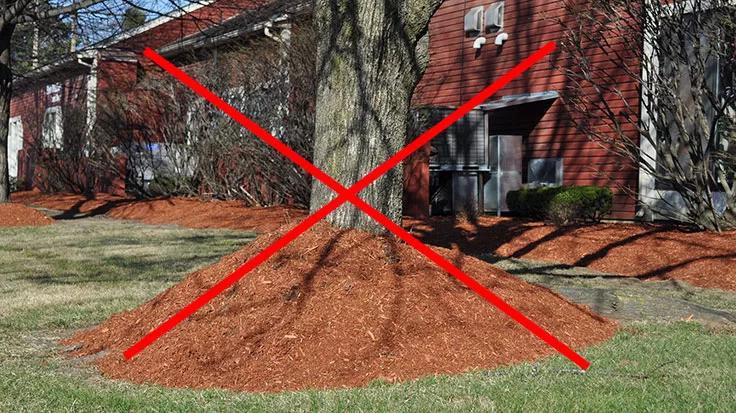
- Keep Mulch Away from Stems: Avoid piling mulch directly against the base of trees and shrubs, as this can lead to rot and pest problems. Leave a few inches of space around the trunk or stem.
Frequently Asked Questions (FAQ)
Q1: How do I calculate how many pounds of mulch I need if I buy it by the bag?
A1: First, determine the total cubic feet of mulch you need using the area measurement and desired depth. Then, find out how many cubic feet are in each bag (check the packaging). Divide your total cubic feet by the cubic feet per bag to get the number of bags. Since bag weights vary significantly and are not typically advertised, focus on the coverage area or volume. If you need to convert to pounds, use the approximate density for the type of mulch you’re buying.
Q2: What is a good mulch density to use for calculations?
A2: A safe average to use for general garden mulch calculation is around 1000 pounds per cubic yard. However, if you know you’re using a particularly light wood chip or a very dense compost, you can adjust this estimate accordingly (refer to Table 1 for guidance).
Q3: Can I just eyeball how much mulch I need?
A3: While experienced landscapers can estimate, it’s generally not recommended for accurate purchasing. Eyeballing can lead to buying too much or too little, resulting in wasted money or incomplete projects. Using a calculator or following the steps outlined above ensures accuracy.
Q4: How much mulch do I need for a 10×10 garden bed?
A4: For a 10×10 garden bed (100 sq ft) with a 3-inch (0.25 ft) depth:
* Volume needed = 100 sq ft * 0.25 ft = 25 cubic feet
* In cubic yards = 25 cubic feet / 27 cubic feet/yard = 0.93 cubic yards.
You would likely need to order 1 cubic yard of bulk mulch or about 4-5 bags if they contain 2 cubic feet each.
Q5: Does the weight of mulch matter when I’m just spreading it?
A5: The weight primarily matters for transportation and handling, especially when ordering bulk mulch or loading it into vehicles. For spreading, the volume (cubic yards or cubic feet) and coverage area are more critical to ensure you achieve the desired depth.
By following these steps and utilizing available tools, you can confidently determine how many pounds of mulch in a yard you need for your next landscaping project, ensuring a beautiful and healthy garden.