
What is the best way to identify my lawn grass? The best way to identify your lawn grass involves close examination of its physical characteristics, such as blade shape, color, texture, and growth pattern. This guide will help you decipher the common types of lawn grass you might find and how to care for them.
Knowing your grass type is a crucial step in effective lawn care and lawn maintenance. It helps you choose the right fertilizers, watering schedules, and pest control methods. This detailed guide will walk you through the process of grass identification, covering common turfgrass varieties and how to diagnose potential grass problems.
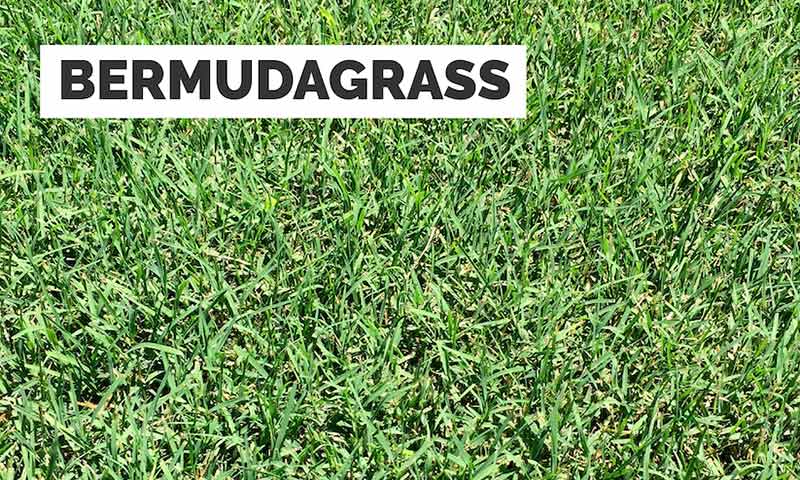
Image Source: www.pennington.com
Why Knowing Your Grass Type Matters
Your lawn is more than just green. It’s a living ecosystem made up of specific grass species. Each type has unique needs and thrives under different conditions. Fathoming your grass type allows for:
- Tailored Fertilization: Different grasses require varying nutrient balances.
- Optimized Watering: Some grasses are drought-tolerant, while others need more frequent watering.
- Effective Weed and Pest Control: Certain treatments work better on specific grass types.
- Proper Mowing Techniques: The ideal mowing height can differ between species.
- Overseeding Success: Choosing the right seed mix for your existing grass is vital.
Tools for Grass Identification
Before you start, gather a few simple tools to aid in identifying grass blades:
- Magnifying Glass: Essential for spotting fine details like ligules and auricles.
- Sharp Knife or Pruning Shears: For collecting samples.
- Gloves: To keep your hands clean.
- Notebook and Pen: To record your observations.
- Camera or Smartphone: To take pictures for later comparison or sharing.
Steps for Identifying Your Lawn Grass
Grass identification is like being a detective. You need to look closely at the evidence presented by your lawn.
1. Examine the Grass Blades
This is the most important step. Look at the individual blades of grass.
Blade Shape
- Width: Are the blades narrow, wide, or medium?
- Texture: Are they smooth, rough, hairy, or ridged?
- Tip: Does the blade taper to a point, or is it rounded or boat-shaped?
Blade Color
- Shade of Green: Is it a light, bright green, a dark, bluish-green, or a yellowish-green?
- Uniformity: Is the color consistent, or are there variations?
Blade Arrangement
- Growth Habit: Does the grass grow in clumps (bunch-type) or spread by runners (sod-forming)?
- Rhizomes: Underground stems that spread.
- Stolons: Above-ground stems that spread.
2. Investigate the Crown
The crown is the base of the grass plant where the leaves emerge.
- Presence of Rhizomes/Stolons: Can you see any below the soil surface or just above it? This is a key indicator for many common lawn grasses.
- Color: The crown is often white or light-colored.
The Ligule
The ligule is a small membrane or fringe of hairs located on the inside of the grass blade where it meets the stem. It’s a critical feature for accurate grass identification.
- Membranous: A thin, papery structure.
- Hairy: Covered in fine hairs.
- Absent: Some grasses lack a visible ligule.
Auricles
Auricles are small, ear-like projections that clasp the stem at the base of the blade. They are often very small and require a magnifying glass to see.
- Present/Absent: Do they exist?
- Shape: Are they long and slender, short and blunt, or absent entirely?
3. Observe the Seed Heads (If Present)
If your grass has gone to seed, the seed heads offer valuable clues.
- Structure: Are they spike-like, feathery, or branched?
- Number of Spikelets: How many are clustered together?
4. Consider Growth Patterns and Mowing Habits
- Vertical Growth: Does it grow upright, or does it have a creeping habit?
- Mowing Tolerance: How does it respond to mowing? Does it recover quickly, or does it show signs of stress?
Common Lawn Grasses in North America
Let’s dive into some of the most prevalent types of lawn grass you’re likely to encounter. This section will focus on distinguishing features to aid in your lawn diagnosis.
Cool-Season Grasses
These grasses thrive in regions with moderate summers and cold winters. They typically go dormant or turn brown during hot, dry periods.
1. Kentucky Bluegrass (Poa pratensis)
- Blade Characteristics: Medium-width blades (1/8 inch), boat-shaped tip, smooth texture.
- Color: Typically a vibrant, dark green.
- Growth Habit: Spreads by rhizomes, creating a dense, sod-like turf.
- Ligule: Short, membranous, and often appears blunt or rounded.
- Auricles: Absent.
- Seed Head: Resembles a small, fluffy puffball or a mace.
- Best For: Areas with cold winters and moderate summers. Tolerates mowing at lower heights.
2. Perennial Ryegrass (Lolium perenne)
- Blade Characteristics: Narrow, V-shaped in cross-section, smooth on the upper surface, distinct parallel veins.
- Color: Bright, medium green.
- Growth Habit: Bunch-type, but can form dense turf. Does not spread by rhizomes or stolons.
- Ligule: Short, membranous, and pointed.
- Auricles: Short, blunt, and clasping the stem.
- Seed Head: A slender, unbranched spike.
- Best For: Cooler climates, high-traffic areas due to good wear tolerance. Quick to establish.
3. Fine Fescue (Festuca rubra and Festuca ovina)
This is a group of grasses, including Creeping Red Fescue, Chewings Fescue, and Hard Fescue.
- Blade Characteristics: Very narrow (like needles), smooth or slightly rough, often feel soft.
- Color: Varies from medium to dark green, sometimes with a bluish tint.
- Growth Habit: Creeping Red Fescue spreads by rhizomes; others are bunch-type. Generally forms a dense turf.
- Ligule: Short, membranous, and often jagged or pointed.
- Auricles: Absent.
- Seed Head: Branched, airy panicle.
- Best For: Shady areas, low-maintenance lawns, areas with poor soil. Drought tolerant once established.
4. Tall Fescue (Festuca arundinacea)
- Blade Characteristics: Wider than fine fescues (1/4 to 1/2 inch), rough texture, prominent parallel veins, pointed tip.
- Color: Dark green.
- Growth Habit: Bunch-type, with deep roots. Does not spread by rhizomes or stolons.
- Ligule: Short, membranous, often with a rounded tip.
- Auricles: Absent.
- Seed Head: A dense, unbranched spike with long, flat spikelets.
- Best For: A wide range of conditions, including moderate heat and drought. Tolerates shade better than Kentucky Bluegrass.
Warm-Season Grasses
These grasses thrive in regions with hot summers and mild winters. They go dormant and turn brown during cooler periods.
1. Bermuda Grass (Cynodon spp.)
- Blade Characteristics: Fine-textured, pointed tip, smooth. Can appear grayish-green.
- Color: Bluish-green to gray-green.
- Growth Habit: Aggressive spreader via both rhizomes and stolons, forming a dense, resilient turf.
- Ligule: A fringe of hairs.
- Auricles: Short and somewhat thick.
- Seed Head: Resembles a spider with 3-7 slender, digitate (finger-like) spikes.
- Best For: Hot climates, high-traffic areas, sports fields. Recovers quickly from damage but requires frequent mowing and can be invasive.
2. Zoysia Grass (Zoysia spp.)
- Blade Characteristics: Medium to fine texture, slightly stiff, pointed tip.
- Color: Dark green.
- Growth Habit: Spreads slowly but very densely by rhizomes and stolons, creating a thick, mat-like turf.
- Ligule: A fringe of short hairs.
- Auricles: Absent.
- Seed Head: Small, slender spikes, often inconspicuous.
- Best For: Hot climates, drought tolerance, wear resistance. Slow to establish.
3. St. Augustine Grass (Stenotaphrum secundatum)
- Blade Characteristics: Wide, flat blades, rounded tip, often with a prominent midrib.
- Color: Medium to dark green.
- Growth Habit: Spreads by broad, flat stolons, forming a dense turf.
- Ligule: A fringe of short hairs and a few longer hairs.
- Auricles: Absent.
- Seed Head: A thick, fuzzy, cylindrical spike.
- Best For: Warm, humid climates, especially along the coast. Tolerates shade well but is not very cold-hardy.
4. Centipede Grass (Eremochloa ophiuroides)
- Blade Characteristics: Short, coarse, and paddle-shaped blades.
- Color: Light to medium green.
- Growth Habit: Spreads by stolons, forms a dense, carpet-like turf.
- Ligule: A short, membranous, and rounded collar.
- Auricles: Absent.
- Seed Head: Small, spike-like structures.
- Best For: Southern climates, prefers acidic soil, low-maintenance lawns. Slow-growing and does not tolerate heavy traffic or drought well.
Table: Quick Grass Identification Chart
This table summarizes key features to help with quick grass identification.
| Feature | Kentucky Bluegrass | Perennial Ryegrass | Fine Fescue | Tall Fescue | Bermuda Grass | Zoysia Grass | St. Augustine Grass | Centipede Grass |
|---|---|---|---|---|---|---|---|---|
| Climate | Cool | Cool | Cool | Cool | Warm | Warm | Warm | Warm |
| Blade Width | Medium | Narrow | Very Narrow | Wide | Fine | Medium/Fine | Wide | Coarse |
| Blade Tip | Boat-shaped | Tapered | Tapered | Pointed | Pointed | Pointed | Rounded | Paddle-shaped |
| Texture | Smooth | Smooth (top) | Soft | Rough | Smooth | Slightly Stiff | Smooth | Coarse |
| Color | Dark Green | Bright Green | Med-Dark Green | Dark Green | Bluish/Gray-Green | Dark Green | Med-Dark Green | Light-Medium Green |
| Growth | Rhizomes (Sod-forming) | Bunch-type | Rhizomes (some) / Bunch | Bunch-type | Rhizomes & Stolons (Dense) | Rhizomes & Stolons (Dense) | Stolons (Broad) | Stolons (Dense) |
| Ligule | Short, Membranous, Blunt | Short, Membranous, Pointed | Short, Membranous, Jagged | Short, Membranous, Rounded | Hairy | Hairy | Hairy + Longer Hairs | Membranous, Rounded |
| Auricles | Absent | Short, Blunt | Absent | Absent | Short, Thick | Absent | Absent | Absent |
| Seed Head | Fluffy Puffball | Slender Spike | Branched Panicle | Dense Spike | Spider-like Spikes | Small Spikes | Thick, Fuzzy Spike | Small Spikes |
Troubleshooting Common Lawn Problems Using Identification
Once you’ve identified your grass, you can better address grass problems and tailor your lawn maintenance.
Yellowing Grass
- Kentucky Bluegrass: Yellowing could be due to disease (like Necrotic Ring Spot), grubs, or nutrient deficiency. If it spreads in rings, suspect disease.
- Tall Fescue: Yellowing might indicate overwatering, lack of nitrogen, or chinch bugs.
- Warm-Season Grasses (Bermuda, Zoysia): Often due to nutrient deficiencies (especially iron or nitrogen) or extreme heat stress. If it’s patchy and you see rhizomes/stolons, it could be grubs.
Thinning or Patchy Areas
- All Grasses: Could be due to grub infestation, fungal diseases, dog urine, or excessive thatch.
- Bermuda Grass: If patches are increasing and not recovering, it might be dollar spot disease or an insect problem.
- Kentucky Bluegrass: Can thin out in hot, dry summers if not properly watered.
Brown Patches
- Cool-Season Grasses: Brown patches in summer are often dormancy due to heat and drought. If it’s brown and brittle year-round, it could be a disease like brown patch or pythium blight.
- Warm-Season Grasses: Brown patches in cooler months are normal dormancy. If it occurs during warm periods, suspect disease (like leaf spot) or grubs.
Seasonal Care Based on Grass Type
Lawn maintenance is highly dependent on your grass type and its seasonal growth patterns.
Cool-Season Grasses
- Spring: Aeration, dethatching (if needed), fertilization, overseeding (if necessary).
- Summer: Proper watering (deep and infrequent), mowing at a slightly higher height to shade roots, spot treatment for weeds.
- Fall: The most important time for cool-season grasses. Fertilize, overseed, and prepare for winter.
- Winter: Minimal care, but snow mold can be an issue in some regions.
Warm-Season Grasses
- Spring: Wait until the grass begins to green up and grow actively. Then, aerate, dethatch, fertilize, and overseed with a winter-hardy grass if desired.
- Summer: Mow regularly, fertilize as needed, water deeply. This is their active growing season.
- Fall: Reduce fertilization. The grass will start to go dormant.
- Winter: The lawn will be dormant and brown. Minimal care is needed.
Conclusion: Your Lawn’s Identity Revealed
Grass identification is the first step towards a healthier, more beautiful lawn. By carefully observing the blades, growth habits, and other key characteristics, you can accurately determine your grass species. This knowledge empowers you to provide the best possible lawn care, tackle grass problems effectively, and enjoy a vibrant, well-maintained lawn year-round. Don’t be afraid to get up close and personal with your grass – the answers are in the details!
Frequently Asked Questions (FAQ)
Q1: What if my lawn has more than one type of grass?
A1: It’s common for lawns to have a mix of grass species. In this case, you’ll need to identify the dominant type and then tailor your lawn care to suit the needs of that primary grass, while being mindful of the requirements of the secondary types. You might aim to transition the lawn to a more uniform species through overseeding or renovation over time.
Q2: Can I identify my grass just by looking at it from a distance?
A2: While you can get a general idea, precise grass identification requires close examination of individual blades, particularly features like the ligule and auricles. Identifying grass blades up close is key.
Q3: My grass is turning yellow. What should I do?
A3: Yellowing can have many causes, including nutrient deficiencies, diseases, pests, or improper watering. Your first step should be grass identification to narrow down the potential issues. For example, Kentucky Bluegrass might yellow due to grubs, while Bermuda grass might yellow from a lack of nitrogen.
Q4: How do I know if I have cool-season or warm-season grass?
A4: The easiest way is to observe its behavior. Cool-season grasses stay green through mild winters and may go dormant in hot summers. Warm-season grasses are green during summer and turn brown and go dormant in winter.
Q5: What is the best way to improve my lawn if I don’t know what grass I have?
A5: Start with grass identification. Once you know your grass species, you can research its specific needs regarding fertilization, watering, and mowing. You can also consult local lawn care professionals or extension offices for assistance. This is crucial for effective lawn maintenance.