
Can you eat lawn mushrooms? Generally, no. Most lawn mushrooms are not edible and some can be toxic. It’s best to remove all mushrooms from your lawn for safety, especially if you have children or pets. This guide will help you with lawn fungus control and teach you how to get rid of lawn mushrooms effectively.
Mushrooms popping up in your yard can be a bit of a nuisance, and for many homeowners, they signal a larger problem with their lawn’s health. These fascinating fungal fruiting bodies, often called toadstools in a yard, are indicators of organic matter decomposition happening beneath the surface. While they might look harmless, their presence can be a sign of underlying issues that, if left unchecked, can lead to more significant lawn disease treatment needs. This comprehensive guide is designed to help you tackle mushroom removal from grass and implement strategies for long-term prevention.
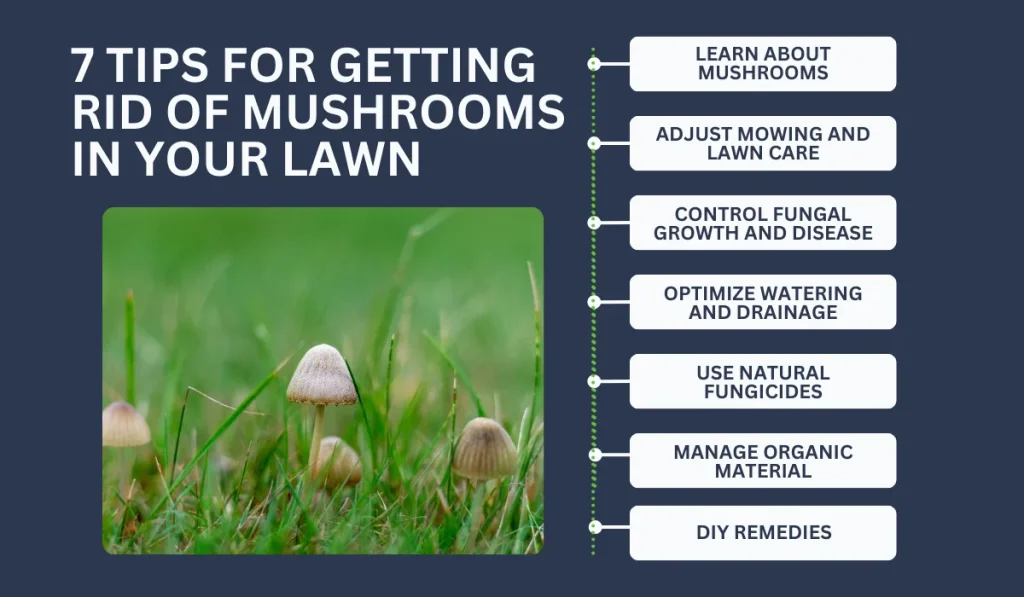
Image Source: sodlawn.com
Why Do Mushrooms Grow in My Lawn?
Mushrooms are the reproductive structures of fungi that live in the soil. These fungi play a vital role in breaking down dead organic material, such as thatch, dead grass, and fallen leaves. When conditions are just right – moist soil, mild temperatures, and plenty of decaying organic matter – these fungi produce mushrooms as their way of spreading spores.
Several factors contribute to the ideal environment for mushrooms:
- Excessive Moisture: Lawns that are overwatered or have poor drainage are prime breeding grounds. Soggy soil creates the damp conditions fungi thrive in.
- Thatch Buildup: A thick layer of thatch (dead grass stems and roots) acts like a sponge, retaining moisture and providing a food source for fungi.
- Shady Areas: Most lawns have areas that receive less sunlight. These shady spots tend to stay cooler and moister, encouraging fungal growth.
- Organic Matter: Whether it’s buried pet waste, decaying leaves, or a history of topdressing with manure, a consistent supply of organic matter fuels fungal activity.
- Compacted Soil: Poor soil aeration for mushrooms means that water and nutrients can pool on the surface, creating damp microclimates.
Common Lawn Fungi and What They Look Like
It’s helpful to recognize some common culprits behind those mushrooms. While the mushrooms themselves vary in appearance, the underlying fungi often manifest in other ways on your lawn as well.
Here are a few common lawn fungi that can lead to mushroom growth:
- Marasmius species (Fairy Rings): These are often responsible for the classic “fairy rings” you might see. The mushrooms themselves are usually small and brown or tan. The fungus forms a circular pattern of growth underground, which can also manifest as darker green grass or dead patches within the ring.
- Coprinus species (Inky Caps): These mushrooms often appear after rain. They are typically small and white or gray, and as they mature, their caps “melt” into an inky black liquid.
- Agaricus species (Field Mushrooms): These are similar to the mushrooms found in grocery stores and can be white or brown. They often pop up in clusters.
- Chlorophyllum molybdites (The Vomiter): This mushroom looks very similar to edible species but is highly poisonous and can cause severe gastrointestinal upset. It’s often larger, with a scaly cap and white gills that turn a greenish color with age. This is a prime example of why prompt mushroom removal from grass is important.
How to Get Rid of Lawn Mushrooms: Immediate Solutions
When you spot mushrooms, your first instinct is likely to get rid of them. Here are immediate strategies to address the existing problem:
Manual Removal
The simplest and most direct approach is to pick them by hand.
- Method: Wear gloves, grasp the mushroom firmly at its base, and twist gently. Try to remove the entire mushroom, including any visible parts of the underground structure.
- Disposal: Place the removed mushrooms in a plastic bag, seal it tightly, and dispose of them in the trash. This prevents the spores from spreading further.
- Why it helps: While this doesn’t address the underlying fungal issue, it immediately removes the visible fruiting bodies and prevents spore dispersal.
Lawn Mowing
Mowing your lawn can also help manage the appearance of mushrooms.
- Method: Use your lawnmower to cut down the mushrooms. Collect the clippings as you would normally, ensuring they are bagged and disposed of.
- Caution: This method is purely cosmetic. The fungal network remains in the soil, and new mushrooms can and will grow. It also doesn’t remove the spores.
Addressing Large Infestations
For widespread mushroom outbreaks, you might consider more robust methods.
- Heavy Raking: You can rake the area vigorously to break up mushroom clusters and help dry out the soil surface. This can be combined with manual removal for best results.
- Bagging Clippings: Always use a mulching mower that bags clippings, especially when dealing with mushroom outbreaks. This helps remove spores from the lawn.
Long-Term Prevention: The Key to Lawn Fungus Control
Killing existing mushrooms is only half the battle. True lawn fungus control comes from creating an environment that is unfavorable to fungal growth. This involves consistent, proper lawn care practices.
Improving Soil Aeration for Mushrooms
Compacted soil is a major contributor to fungal problems. Aeration helps improve air circulation and water drainage.
- Core Aeration: This process involves pulling out small plugs of soil. This relieves compaction, allowing water, air, and nutrients to penetrate deeper into the soil, reaching the grass roots.
- Frequency: For most lawns, annual or biennial core aeration is beneficial. In areas with heavy clay soil or high traffic, more frequent aeration might be necessary.
- Benefits: Improved aeration leads to healthier, more resilient turf, which is less susceptible to disease and fungal growth.
Managing Thatch
Thatch is a spongy layer of dead and living organic matter that accumulates between the green grass blades and the soil surface. A moderate layer is healthy, but excessive thatch can harbor fungi and retain too much moisture.
- Dethatching (Power Raking): This process uses a machine with stiff tines that scarify the turf, pulling up thatch and debris.
- Timing: The best times for dethatching are during the active growing seasons of your grass type (spring or fall for cool-season grasses, late spring or early summer for warm-season grasses).
- Frequency: Dethatch when thatch depth exceeds half an inch.
Proper Watering Practices
Overwatering is a common mistake that encourages fungal growth.
- Water Deeply and Infrequently: Aim to water your lawn thoroughly but less often. This encourages deeper root growth and allows the soil surface to dry out between waterings.
- Morning Watering: Water early in the morning. This gives the grass blades time to dry off during the day, reducing the risk of disease and fungal activity. Avoid evening watering, which can leave the lawn damp overnight.
- Check Soil Moisture: Use a soil moisture meter or simply probe the soil with a screwdriver to gauge moisture levels before watering.
Fertilization Strategies
Balanced fertilization is crucial for a healthy lawn, but improper application can exacerbate fungal problems.
- Soil Test: Before fertilizing, get a soil test to determine your lawn’s specific nutrient needs.
- Slow-Release Fertilizers: Opt for slow-release nitrogen fertilizers. These provide a steady supply of nutrients without encouraging rapid, weak growth that is more susceptible to disease.
- Avoid Over-Fertilizing: Applying too much fertilizer, especially nitrogen, can lead to lush, dense growth that can trap moisture and create a favorable environment for fungi.
Enhancing Sunlight and Airflow
Shady and stagnant areas of your lawn are prone to mushroom growth.
- Prune Trees and Shrubs: Trim overhanging branches from trees and shrubs to allow more sunlight to reach the lawn.
- Improve Air Circulation: Consider removing excess shrubs or thinning out dense foliage to improve airflow, which helps dry the lawn surface more quickly.
Homemade Mushroom Killer Options
While chemical fungicides are available, many homeowners prefer natural or homemade solutions. It’s important to note that homemade options are often less potent and may require more frequent application.
Here are some popular homemade mushroom killer recipes:
-
Vinegar Solution:
- Ingredients: 1 part white vinegar to 4 parts water.
- Method: Mix the vinegar and water in a spray bottle. Spray directly onto the mushrooms and the surrounding affected area. Vinegar is acidic and can kill the fungal growth on contact.
- Caution: Vinegar can also damage grass if applied too concentrated or too frequently, so test in a small area first.
-
Baking Soda Solution:
- Ingredients: 1 tablespoon baking soda to 1 gallon of water.
- Method: Dissolve the baking soda in water and spray onto the mushrooms. Baking soda can alter the soil pH, making it less hospitable to fungi.
- Caution: Similar to vinegar, overuse can affect grass health.
-
Dish Soap Solution:
- Ingredients: 1-2 tablespoons of mild liquid dish soap to 1 gallon of water.
- Method: Mix and spray directly onto the mushrooms. Dish soap can help break down the fungal cell walls.
- Caution: Use a mild soap, and avoid detergent soaps which can be harmful to grass.
Table 1: Homemade Mushroom Killer Comparison
| Solution | Primary Ingredient | How it Works | Cautions |
|---|---|---|---|
| Vinegar Solution | Acetic Acid | Kills fungi on contact; alters pH | Can damage grass if applied too strong or too often. Test first. |
| Baking Soda | Sodium Bicarbonate | Alters soil pH, making it unfavorable for fungi | Can affect grass health with overuse. |
| Dish Soap | Surfactants | Breaks down fungal cell walls | Use mild soap only; avoid detergents that can harm grass. |
When to Consider Chemical Fungicides
In persistent or severe cases of lawn fungus, chemical fungicides might be necessary. These products are designed to target specific types of fungi and can be very effective when used correctly.
- Identify the Fungus: If possible, try to identify the specific type of fungal infection or mushroom-producing fungus. This can help you choose the most appropriate fungicide.
- Read and Follow Labels: Always read and follow the product label instructions carefully. This includes application rates, timing, safety precautions, and necessary personal protective equipment.
- Targeted Application: Apply the fungicide directly to the affected areas, paying attention to any observed mushroom rings in grass.
- Timing is Crucial: Fungicides are often most effective when applied preventatively or at the very first signs of fungal activity.
Controlling Toadstools in Yard: A Holistic Approach
Getting rid of toadstools in your yard requires a multi-faceted approach. It’s not just about removing the visible mushrooms; it’s about addressing the conditions that allow them to thrive.
- Identify Contributing Factors: Walk your lawn and observe. Where are the mushrooms appearing most frequently? Are these areas shady, consistently wet, or do they have thick thatch?
- Prioritize Prevention: Focus on the long-term lawn care tips mentioned above:
- Improve soil aeration for mushrooms.
- Manage thatch levels.
- Adjust watering habits.
- Fertilize appropriately.
- Increase sunlight and airflow in problem areas.
- Regular Lawn Care: Consistent mowing, edging, and watering are the bedrock of a healthy lawn, making it more resistant to fungal invasions. These are essential lawn care tips for fungi.
The Role of Soil Aeration for Mushrooms
Let’s delve deeper into why soil aeration for mushrooms is so critical. When soil becomes compacted, it forms a dense, hard layer that restricts the movement of air, water, and nutrients. This leads to:
- Poor Drainage: Water sits on the surface or in shallow pockets, creating the moist environment fungi love.
- Shallow Root Systems: Grass roots struggle to penetrate compacted soil, making the grass weaker and more susceptible to stress and disease.
- Reduced Beneficial Microbes: Healthy soil is teeming with beneficial microbes that help break down organic matter and keep fungal populations in check. Compaction hinders their activity.
By aerating your lawn, you create channels for air and water to move freely. This:
- Promotes Deeper Root Growth: Stronger roots lead to a more resilient lawn.
- Improves Water Penetration: Water reaches deeper, reducing surface moisture.
- Encourages Soil Health: Better conditions for beneficial microbes help outcompete pathogenic fungi.
Frequently Asked Questions (FAQ)
What is the fastest way to kill lawn mushrooms?
The fastest way to eliminate visible mushrooms is by manually removing them and disposing of them in a sealed bag. However, this is a temporary solution. To kill the underlying fungus, improving drainage and reducing thatch are the most effective long-term strategies.
Can I use bleach to kill lawn mushrooms?
While bleach can kill fungi, it is also highly toxic to grass and other plants. It will likely kill the grass in the treated area, leaving a dead patch. It’s not recommended for general lawn use.
How do I get rid of mushroom rings in grass?
Mushroom rings in grass are caused by the underground mycelial network of fungi. To break the ring, you need to address the soil conditions. Core aeration, dethatching, and proper watering are crucial. In some cases, you may need to remove the sod in the affected area and amend the soil before reseeding.
Are all lawn mushrooms poisonous?
No, not all lawn mushrooms are poisonous, but many are, and it can be very difficult to distinguish between edible and toxic varieties. For safety, it’s best to assume all lawn mushrooms are unsafe for consumption and remove them.
Will raking the mushrooms help?
Raking can help break up clusters and remove some of the visible mushrooms, but it doesn’t eliminate the fungal network in the soil. It’s a part of the removal process but not a complete solution.
Should I leave mushrooms alone?
If you’re not concerned about their appearance or potential toxicity, you can leave them. However, they are a sign of underlying soil conditions that might need addressing for optimal lawn health. Leaving them will also allow them to continue releasing spores.
By implementing these strategies, you can effectively tackle mushroom growth and foster a healthier, more robust lawn for years to come. Remember that consistent, proper lawn care is the best defense against unwanted fungal invaders.