
If you’re wondering how much does a cubic yard of sand weigh, the answer generally falls between 2,000 and 3,000 pounds. This weight can fluctuate based on the type of sand and its moisture content. Understanding the density of sand is crucial for accurate project planning, especially when dealing with large quantities or when calculating load capacities. This guide will help you decipher the weight of sand per cubic yard and provide tools for estimating.
When planning any construction, landscaping, or DIY project that involves sand, knowing the weight of your materials is essential. Whether you’re ordering a delivery, calculating how much you can haul, or ensuring your project’s foundation can support the load, accurate weight estimations are key. This article will dive deep into the factors that influence the weight of sand and provide practical information to help you with your calculations. We’ll explore the sand weight calculator concept and how to effectively use a material weight calculator for your needs.
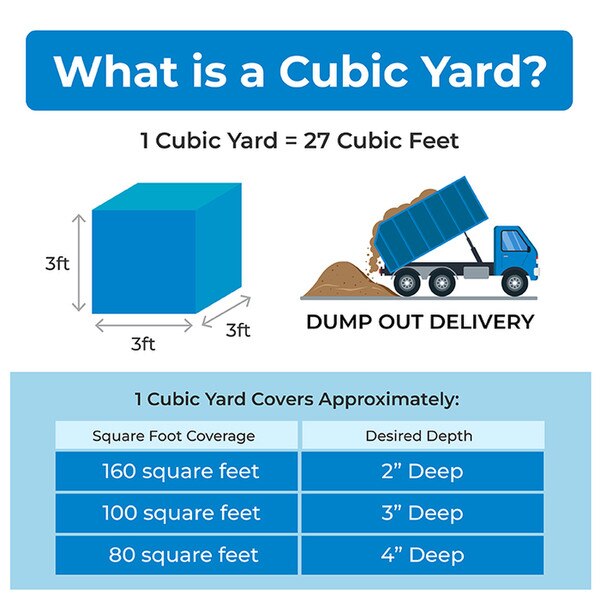
Image Source: www.cumminlandscapesupply.com
The Fundamentals of Sand Weight
Sand, a granular material composed of finely divided rock and mineral particles, is a staple in many industries. Its weight isn’t a fixed number; it varies significantly. This variability is primarily due to two main factors: the composition of the sand and its moisture content. Let’s break down what makes sand heavy or light.
Deciphering Sand Density
The density of sand refers to its mass per unit volume. This is the most critical factor in determining how much does a yard of sand weigh. Different types of sand, formed from various minerals and subjected to different geological processes, will have different densities.
- Mineral Composition: The specific minerals that make up the sand grains play a significant role. For example, quartz sand, common in many beaches and construction sites, is denser than volcanic sand, which might contain lighter pumice.
- Grain Size and Shape: Smaller, more angular grains can pack more tightly together than larger, rounder grains, potentially leading to a higher density. However, the exact packing arrangement can also create air pockets.
- Moisture Content: This is arguably the most significant variable. Dry sand is significantly lighter than wet sand. Water fills the pore spaces between sand grains, adding considerable weight.
The Bulk Density of Sand
When we talk about the weight of sand in bulk, we’re referring to its bulk density of sand. This accounts for the weight of the solid sand particles plus the air or water within the voids or pore spaces between them.
- Dry Sand: Dry sand, with air in its pores, will have a lower bulk density.
- Wet Sand: As water saturates the sand, it displaces the air and fills the pores, increasing the overall weight and thus the bulk density.
Factors Influencing the Weight of a Cubic Yard of Sand
Let’s get more specific about what affects how much a cubic yard of sand weight actually is. Think about ordering sand for a backyard project versus a large construction site. The type of sand you choose will directly impact the total weight you’re dealing with.
Types of Sand and Their Weights
Different applications call for different types of sand, and each type has its own typical density. This is where knowing the specific weight of sand per cubic yard for each type becomes important.
- Construction Sand (All-Purpose Sand): This is a common type of sand used in concrete mixes, mortar, and general fill. It’s typically composed of quartz and other durable minerals. Its density can vary but is generally in the mid-range.
- Play Sand: Usually washed and screened for finer, more uniform grains, play sand is designed for safety and comfort. Its processing might affect its packing density.
- River Sand: Found in riverbeds, this sand is often rounded and smooth from water erosion. Its consistency can be quite uniform.
- Pea Gravel Sand: While technically gravel, it’s often sold in similar quantities and can be confused with sand. It consists of small, rounded stones. Its weight will be higher than fine sand due to the material density of the stones themselves.
- Mason Sand: This is a finer sand, often used for masonry work where a smooth finish is required. The finer grains can pack differently.
- Silica Sand: High in quartz content, silica sand is used in glassmaking, foundries, and some construction applications. Its density is generally on the higher side.
Moisture Content: The Heavy Hitter
The amount of water present in the sand is a significant driver of its weight. Even a small percentage of moisture can drastically increase the weight of a cubic yard.
- Bone Dry Sand: This is sand with virtually no moisture. It’s the lightest it can be.
- Damp Sand: Sand with some moisture, but not saturated. The water coats the grains and fills some voids.
- Saturated Sand: Sand where all pore spaces are filled with water. This is the heaviest state for a given volume of sand.
Example: Imagine a cubic yard of sand that weighs 2,500 lbs when dry. If it becomes saturated, adding 10% of its weight in water, it could weigh an additional 250 lbs, bringing the total to 2,750 lbs. This can be a substantial difference when ordering multiple cubic yards.
Estimating the Weight: Cubic Yard Sand Weight Calculator
To help you navigate these variations, you can utilize a sand weight calculator or general material weight calculator. These tools simplify the process of estimating how much your sand will weigh. Typically, you would input the type of material (sand) and the volume (cubic yards), and the calculator provides an estimated weight based on common densities.
How to Calculate Sand Weight Manually
If you need to do it yourself, you first need to know the sand density lbs per cubic foot. Most calculators and charts provide weights in pounds per cubic foot.
Here’s the basic formula:
Weight = Volume × Density
To use this, you’ll need to convert your volume from cubic yards to cubic feet:
1 cubic yard = 27 cubic feet
Steps:
- Determine your volume in cubic yards.
- Convert cubic yards to cubic feet: Multiply the cubic yards by 27.
- Find the density of your specific sand type in lbs per cubic foot. You can find this information from your supplier, online resources, or by performing a simple test (though testing can be complex for accurate results).
- Multiply the volume in cubic feet by the density in lbs per cubic foot.
Example of how to calculate sand weight:
Let’s say you’re using a general construction sand with an average dry density of 100 lbs per cubic foot. You need 3 cubic yards of this sand.
- Volume: 3 cubic yards
- Convert to cubic feet: 3 cubic yards × 27 cubic feet/cubic yard = 81 cubic feet
- Density: 100 lbs/cubic foot (assumed)
- Calculate weight: 81 cubic feet × 100 lbs/cubic foot = 8,100 lbs
This gives you an estimated dry weight. Remember, if the sand is wet, this weight will increase.
Typical Sand Weights per Cubic Yard
To give you a general idea, here’s a table showing approximate weights for different types of sand per cubic yard. These are averages, and actual weights can vary.
| Type of Sand | Typical Dry Density (lbs/cubic foot) | Approximate Weight per Cubic Yard (Dry) | Approximate Weight per Cubic Yard (Wet) |
|---|---|---|---|
| Construction Sand | 95 – 105 | 2,565 – 2,835 lbs | 2,800 – 3,200 lbs |
| Play Sand | 90 – 100 | 2,430 – 2,700 lbs | 2,600 – 3,000 lbs |
| River Sand | 98 – 108 | 2,646 – 2,916 lbs | 2,900 – 3,300 lbs |
| Mason Sand | 95 – 105 | 2,565 – 2,835 lbs | 2,800 – 3,200 lbs |
| Silica Sand | 105 – 115 | 2,835 – 3,105 lbs | 3,000 – 3,500 lbs |
| Pea Gravel (Sand-sized) | 100 – 110 | 2,700 – 2,970 lbs | 2,900 – 3,400 lbs |
Note: Wet sand weights are highly variable and depend on saturation levels.
This table provides a quick reference, but for precise calculations, always try to get the specific density from your supplier. The sand conversion calculator aspect is embedded here, as we’re converting units and applying density.
Practical Applications of Knowing Sand Weight
Why is it so important to know the weight of sand? Several practical scenarios depend on this knowledge.
Landscaping Projects
If you’re planning a patio, a sandbox, or a garden bed, you’ll likely be ordering sand. Knowing the weight helps you:
- Order the Correct Amount: Avoid over- or under-ordering by accurately calculating how many cubic yards you need based on project depth and area.
- Estimate Delivery Costs: Some delivery services charge based on weight, especially for large trucks.
- Plan for Handling: If you’re moving the sand yourself with a trailer or truck, you need to know the weight to avoid exceeding payload capacities. A trailer rated for 2,000 lbs might not handle two cubic yards of wet sand.
Construction and Concrete
In construction, sand is a vital component of concrete and mortar.
- Mix Design: Concrete mixes are designed with precise proportions of cement, aggregate (sand and gravel), and water. Accurate weight measurements of sand are critical for achieving the desired strength and durability.
- Load Bearing: When sand is used as a base for foundations, roads, or patios, its compacted weight and density contribute to its load-bearing capacity.
- Transport Regulations: Construction vehicles have weight limits. Knowing the weight of sand per cubic yard ensures you comply with transportation laws and avoid damaging your equipment or the roads.
Backyard Projects: Sandbox Fun
For a children’s sandbox, you’ll want to calculate how much sand to buy. A typical backyard sandbox might require about 0.5 to 1 cubic yard of sand. Knowing the weight will help you:
- Choose the Right Container: If you’re picking up sand in bags, you’ll know how many bags to get. Bags often list weight and volume.
- Safe Handling: Ensure you can safely lift and transport the bags or containers of sand.
Factors Affecting Sand Density and Weight
Let’s delve a bit deeper into the nuances that make sand densities vary. This is where comprehending the intricacies of granular materials is helpful.
Particle Characteristics
- Grain Size Distribution: A sand with a wide range of particle sizes (well-graded) can pack more densely than a sand with uniform particle sizes (poorly graded). The smaller particles can fill the voids between the larger ones.
- Particle Shape: Rounded grains, like those found in river sand, tend to roll over each other and may not pack as tightly as angular or irregular grains, which can interlock better.
- Surface Texture: Rougher surfaces can create more friction between grains, potentially leading to less dense packing unless they are angular.
Compaction
The way sand is handled and compacted significantly impacts its bulk density.
- Loose Sand: Poured directly from a truck or bag, sand is typically in a loose state.
- Compacted Sand: When vibrated, tamped, or driven over, sand grains settle closer together, reducing the void space and increasing density and weight. For example, sand used as a road base is heavily compacted.
Contaminants and Inclusions
While we usually talk about pure sand, real-world sand often contains other materials:
- Silt and Clay: Finer particles can fill pore spaces, sometimes increasing density, but can also affect water drainage and stability.
- Organic Matter: Debris, leaves, or roots can be present, adding to volume but not necessarily weight in a dense way.
- Shells and Other Debris: These can alter the packing and overall density.
Using a Sand Conversion Calculator Effectively
A sand conversion calculator can be a handy tool, but it’s important to know what information you need to input to get accurate results.
- Volume: You’ll need to specify whether your volume is in cubic yards, cubic feet, or even cubic meters.
- Material Type: Many calculators allow you to select from a list of common materials like sand, gravel, mulch, soil, etc.
- Moisture Content: Some advanced calculators might ask for the moisture content or allow you to specify if the sand is dry, damp, or wet.
If your calculator doesn’t specify moisture, it’s usually assuming dry sand. Always factor in extra weight if your sand is wet.
The Importance of Accurate Measurements in Projects
Precision in estimating material weights isn’t just about satisfying curiosity; it has tangible benefits for the success and safety of your projects.
Budgeting and Material Procurement
When you know how much does a yard of sand weigh, you can:
- Accurate Costing: Calculate the total cost of sand based on its weight and the supplier’s price per ton or pound.
- Efficient Ordering: Avoid costly mistakes like ordering too much (leading to waste and extra disposal fees) or too little (causing project delays and additional delivery charges).
Structural Integrity and Safety
In construction, incorrect weight estimations can have serious consequences:
- Foundation Failure: If a foundation is designed to bear a certain load, underestimating the weight of the sand base could lead to subsidence or structural damage.
- Vehicle Overload: Exceeding the payload capacity of trucks or trailers can be dangerous, leading to accidents, vehicle damage, and legal penalties.
- Equipment Damage: Using machinery like mini-excavators or skid steers requires knowing the weight of the material they are lifting and moving.
Project Planning and Logistics
- Site Preparation: For large projects, understanding the total weight of sand needed helps in planning for delivery logistics, storage on-site, and spreading equipment.
- Soil Stabilization: In some geotechnical applications, the density and compaction of sand are critical for stabilizing soil.
Frequently Asked Questions About Sand Weight
Q1: What is the average weight of a cubic yard of sand?
A1: The average weight of a cubic yard of dry sand is typically between 2,500 and 2,800 pounds. However, this can vary significantly depending on the type of sand and its moisture content.
Q2: Can I get a precise weight for any type of sand?
A2: Getting a precise weight requires knowing the specific gravity of the sand particles and the void ratio, which are influenced by grain size, shape, and packing. Your sand supplier is usually the best source for this specific data for their products.
Q3: How much does wet sand weigh compared to dry sand?
A3: Wet sand is significantly heavier than dry sand. Water fills the pore spaces between sand grains, adding considerable weight. The exact increase depends on how saturated the sand is, but it can add hundreds of pounds per cubic yard.
Q4: Who can I ask for help with sand weight calculations?
A4: Your sand or aggregate supplier is your best resource. They often have this information readily available for their products. Construction material experts or engineers can also provide detailed guidance.
Q5: Does the color of sand affect its weight?
A5: The color of sand is usually an indicator of its mineral composition. For instance, light-colored sands are often quartz-based, while darker sands might contain iron oxides or other minerals. Different minerals have different densities, so color can be a clue to density, but it’s not a direct measure of weight.
Q6: How do I use a sand weight calculator?
A6: Typically, you select ‘sand’ as the material, input the volume you need (e.g., 3 cubic yards), and the calculator will provide an estimated weight. Ensure you check if the calculator assumes dry or wet conditions.
Q7: What does bulk density of sand mean?
A7: Bulk density refers to the weight of sand per unit volume, including the air or water in the spaces between the grains. It’s the practical density you’ll encounter when dealing with sand as a material.
Q8: Is the weight of sand per cubic yard the same everywhere?
A8: No, the weight of sand per cubic yard varies due to differences in sand composition, grain size, shape, and moisture content across different locations and suppliers.
In conclusion, while a general range exists for the weight of a cubic yard of sand, precise calculations depend on several variables. By referencing the information provided, utilizing available tools like a sand weight calculator, and consulting with your material supplier, you can confidently estimate the weight of sand for your projects, ensuring efficiency, safety, and success. Remember to always consider the impact of moisture, as it’s a significant factor in the final weight you’ll be dealing with.