
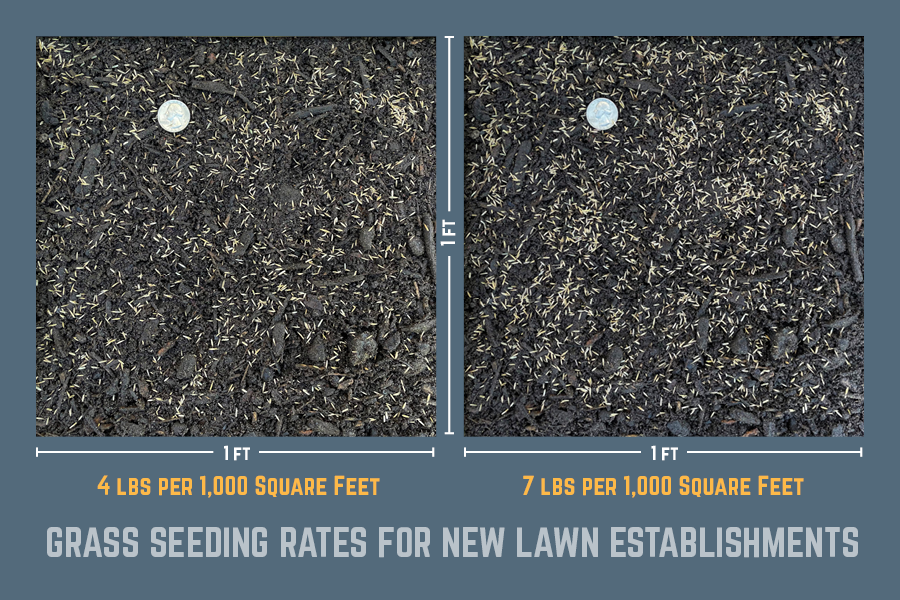
Image Source: alseed.com
How Much For A New Lawn: Cost Breakdown
So, how much does a new lawn cost? The national average for installing a new lawn typically ranges from $1,500 to $3,500, but this can fluctuate significantly based on factors like the size of your yard, the method of installation, and the quality of materials chosen. This article will break down the various costs associated with establishing a beautiful new lawn, from preparing the soil to the final touches.
Deciphering New Lawn Installation Costs
Getting a brand-new lawn can transform your outdoor space, but it’s important to know what goes into the price. Several key components contribute to the new lawn installation cost. These include site preparation, the chosen method of laying down the grass, and any additional landscaping elements. We’ll explore each of these in detail.
Site Preparation: The Foundation of a Healthy Lawn
Before any grass is laid, the groundwork must be done. This phase is crucial for the long-term health and appearance of your lawn. Skipping these steps can lead to poor drainage, weed problems, and stunted growth.
Grading and Leveling
- What it involves: This process ensures your yard has the right slope for water drainage. It also creates a smooth, even surface for the new grass to grow. Uneven areas can lead to water pooling or runoff, which is bad for grass.
- Cost factors: The size of your yard and the extent of the unevenness will impact the cost. If major earthmoving is needed, it will cost more.
- Average cost: Expect to pay between $500 and $1,500 for professional grading and leveling of a standard-sized yard. Smaller jobs might be less, while extensive re-sloping can be significantly more.
Soil Testing and Amendment
- What it involves: A soil test tells you about your soil’s pH, nutrient levels, and composition. Based on the results, you might need to add topsoil, compost, or specific fertilizers to create the ideal growing environment.
- Cost factors: The cost of soil tests is usually minimal, often around $20 to $50. The cost of amendments varies widely. Good quality topsoil can cost $30 to $60 per cubic yard, and you might need several yards. Compost is similarly priced.
- Average cost: For soil testing and adding amendments, budget $100 to $500 for a typical yard.
Weed and Debris Removal
- What it involves: Any existing weeds, rocks, roots, or old vegetation must be cleared. This prevents competition for nutrients and space for your new grass.
- Cost factors: The density of weeds and the amount of debris significantly affect the labor required.
- Average cost: This can range from $100 to $400, depending on the condition of the existing landscape.
Grass Installation Methods: Weighing Your Options
There are several popular ways to get a new lawn, each with its own price tag and benefits. The cost to sod a lawn differs from new grass seed cost, and both are different from hydroseeding.
Sod Installation: The Fastest Way to Green
- What it involves: Sod is mature grass already growing on a layer of soil. It’s cut into rolls or sections and laid directly onto your prepared soil. This provides an instant lawn.
- Cost factors: The primary cost is the price of the sod itself, which depends on the grass type. Labor for cutting, delivering, and laying the sod is also a significant factor.
- Cost of sod installation per square foot: Sod typically costs between $0.30 and $0.70 per square foot. This price often includes the sod and the labor to install it.
- Average cost: For a 1,000 sq ft yard, sod installation can range from $700 to $1,700. Larger yards will cost more proportionally. High-quality sod varieties can push the price higher.
| Grass Type | Cost per Square Foot (Installed) |
|---|---|
| Kentucky Bluegrass | $0.40 – $0.65 |
| Fescue | $0.35 – $0.55 |
| Zoysia | $0.50 – $0.70 |
| Bermuda | $0.45 – $0.60 |
New Grass Seed: The Budget-Friendly Approach
- New grass seed cost: Purchasing grass seed is generally the most affordable way to start a lawn. Prices vary based on the grass species and quality.
- What it involves: Seeds are spread over the prepared soil. It takes time for the seeds to germinate and grow into a dense lawn, usually several weeks to a few months.
- Cost factors: The type of grass seed and the amount needed are the main cost drivers. You also need to factor in the cost of spreaders if you don’t own one, and potentially starter fertilizer.
- Average cost: Grass seed itself can cost $20 to $80 for a 5 lb bag, enough for about 1,000 sq ft. So, for a 1,000 sq ft yard, the seed cost alone might be $50 to $200.
Professional Lawn Seeding Prices
- What it involves: Hiring professionals to seed your lawn often includes soil preparation, seed selection, spreading, and initial watering. They ensure even coverage and the right seed for your climate.
- Cost factors: Labor, seed quality, and any included prep work determine the overall price.
- Average cost: Professional lawn seeding prices can range from $400 to $1,000 for a 1,000 sq ft area. This is more than DIY seeding but often yields better results due to expertise and equipment.
Hydroseeding: A Blend of Speed and Affordability
- Hydroseeding cost: This method involves spraying a slurry of seed, mulch, fertilizer, and water onto the soil. It’s often more efficient than traditional seeding.
- What it involves: A hydroseeding machine mixes all the components and sprays them evenly over the prepared ground. The mulch helps retain moisture and protect the seeds.
- Cost factors: The size of the area and the complexity of the terrain are primary cost influences.
- Average cost: Hydroseeding typically costs between $0.10 and $0.30 per square foot, making it a cost-effective option for larger areas. For a 1,000 sq ft yard, expect to pay $100 to $300.
Artificial Turf Installation: The Low-Maintenance Alternative
- Price of artificial turf installation: This is generally the most expensive upfront option, but it offers significant long-term savings on water, fertilizer, and maintenance.
- What it involves: Artificial turf is made from synthetic fibers that mimic natural grass. It’s laid over a prepared base, usually gravel and sand, for drainage.
- Cost factors: The quality and type of artificial turf, the amount of preparation needed for the base, and the complexity of the installation (e.g., curves, borders) all affect the price.
- Average cost: The price of artificial turf installation can range from $5 to $20 per square foot, depending heavily on the product quality and installation complexity. For a 1,000 sq ft yard, this could mean $5,000 to $20,000 or more.
Factors Influencing Your New Lawn Price
Beyond the basic installation methods, several other elements can sway the final bill for your new lawn. These are important to consider when budgeting.
Yard Size: The Most Obvious Factor
- Impact: The larger your yard, the more materials and labor will be required, directly increasing the overall cost. However, per-square-foot costs might decrease slightly for very large projects due to bulk purchasing and efficient labor.
- Example: A quarter-acre lot (10,890 sq ft) will cost significantly more than a small suburban backyard (1,000 sq ft).
Grass Type Selection
- Impact: Different grass species have varying seed and sod prices. Some are hardier, more drought-resistant, or better suited for specific climates, which can influence their cost. For example, premium sod varieties will be more expensive than basic ones.
- Consideration: Choosing a grass type that thrives in your local climate can reduce long-term maintenance costs and improve lawn health.
Professional vs. DIY
- Impact: Hiring professionals adds labor costs but often ensures better results and saves you time and potential mistakes. DIY saves on labor but requires your time, tools, and knowledge.
- When to hire: If your yard has significant grading issues, if you’re unsure about seed selection, or if you simply lack the time, professional help is often worth the investment.
Geographic Location
- Impact: Labor rates, material availability, and regional demand can cause significant price variations. For instance, a new lawn installation in a high-cost-of-living area will generally be more expensive than in a rural area.
Existing Conditions of Your Yard
- Impact: A yard that’s already relatively flat and free of debris will be cheaper to prepare than one that’s overgrown, sloped, or filled with rocks and old roots. This falls under lawn renovation cost if you’re improving an existing lawn.
Additional Landscaping Costs for Your New Lawn
Often, getting a new lawn is part of a larger landscaping project. These additions can enhance your yard’s beauty and functionality but will increase the overall landscaping new lawn prices.
Irrigation Systems
- What it involves: Installing sprinklers or drip irrigation ensures your new lawn gets consistent watering, which is crucial for establishment and ongoing health.
- Cost: A professionally installed sprinkler system can cost anywhere from $2,000 to $6,000 or more, depending on the size of the area and the system’s complexity.
Mulching and Edging
- What it involves: Adding mulch around garden beds and installing edging along walkways or driveways provides a finished look and helps define your lawn space.
- Cost: Mulch can cost $30 to $80 per cubic yard, and edging materials and installation vary greatly, from a few hundred dollars for basic plastic edging to several thousand for stone or brick.
Hardscaping Elements
- What it involves: Features like patios, walkways, retaining walls, or outdoor seating areas are often incorporated when a new lawn is being installed.
- Cost: These are typically separate, significant investments. A simple paver patio might start at $2,000 to $5,000, while more elaborate structures can cost tens of thousands.
Establishing a New Lawn Cost: A Closer Look at Factors
The establishing a new lawn cost is not just about laying down grass. It also includes the nurturing process in the initial months.
Initial Care and Maintenance
- What it involves: After installation, your new lawn will need regular watering, mowing (at the correct height), and potentially fertilization or weed control.
- Cost: While much of this is your time, buying a good mower, trimmer, and fertilizers can add up. Expect to spend $100 to $300 on essential tools and initial lawn care products.
Weed and Pest Control
- What it involves: Even with careful preparation, weeds and pests can appear. Ongoing treatments might be necessary, especially in the first year as the lawn establishes.
- Cost: Depending on the products you use or if you hire a professional, this could add $50 to $200 per year.
Fertilization Schedule
- What it involves: New lawns benefit from a feeding schedule to encourage strong root development and dense growth.
- Cost: Starter fertilizers and subsequent feedings can cost $20 to $50 per application.
Lawn Renovation Cost: Improving What You Already Have
If you’re not starting from scratch but improving an existing, damaged lawn, you’re looking at lawn renovation cost. This often involves similar steps to new installation but might include scarifying, aeration, and overseeding.
Aeration
- What it involves: This process creates small holes in the soil to reduce compaction, allowing air, water, and nutrients to reach the roots.
- Cost: Professional aeration typically costs $75 to $200 for a 1,000 sq ft area.
Overseeding
- What it involves: Spreading grass seed over an existing lawn to fill in thin spots and improve density.
- Cost: This is generally inexpensive, often $20 to $50 for seed for a 1,000 sq ft area if you do it yourself, or $150 to $300 if professionally done.
Scarifying (Dethatching)
- What it involves: Removing thatch (dead grass clippings) that can prevent water and nutrients from reaching the soil.
- Cost: Professional dethatching services can cost $100 to $250 for a 1,000 sq ft area.
Budgeting for Your New Lawn: A Sample Breakdown
Let’s look at a hypothetical new lawn installation cost for a 1,000 sq ft yard. Prices are estimates and can vary widely.
Scenario: Installing a new lawn via sodding for a 1,000 sq ft area.
| Cost Component | Estimated Cost Range | Notes |
|---|---|---|
| Site Preparation (Grading) | $200 – $500 | Minor grading required. |
| Soil Testing & Amendment | $50 – $150 | Adding compost and a starter fertilizer. |
| Weed Removal | $50 – $100 | Light weed infestation. |
| Sod (Mid-grade Fescue) | $400 – $700 | $0.40 – $0.70 per sq ft, including delivery. |
| Labor (Sod Installation) | $300 – $500 | Assumes professional installation. |
| Subtotal (Sodding) | $1,000 – $1,950 |
Scenario: Installing a new lawn via seeding for a 1,000 sq ft area.
| Cost Component | Estimated Cost Range | Notes |
|---|---|---|
| Site Preparation (Grading) | $100 – $300 | Minimal grading. |
| Soil Testing & Amendment | $50 – $100 | Adding compost and starter fertilizer. |
| Weed Removal | $50 – $100 | Light weed infestation. |
| Grass Seed (Premium Mix) | $50 – $100 | Enough for 1,000 sq ft. |
| Starter Fertilizer | $20 – $40 | For seed germination. |
| Spreader Rental (Optional) | $20 – $40 | If not owning one. |
| Subtotal (Seeding) | $270 – $680 | DIY estimate. Professional seeding would be higher. |
Scenario: Installing a new lawn via hydroseeding for a 1,000 sq ft area.
| Cost Component | Estimated Cost Range | Notes |
|---|---|---|
| Site Preparation | $100 – $200 | Basic grading and soil prep. |
| Hydroseeding Mix | $100 – $200 | Includes seed, mulch, fertilizer, and labor. |
| Subtotal (Hydroseeding) | $200 – $400 |
Scenario: Installing artificial turf for a 1,000 sq ft area.
| Cost Component | Estimated Cost Range | Notes |
|---|---|---|
| Site Preparation (Base) | $500 – $1,000 | Gravel, sand base, weed barrier. |
| Artificial Turf (Mid-grade) | $3,000 – $6,000 | $3.00 – $6.00 per sq ft for materials. |
| Installation Labor | $1,500 – $3,000 | Includes cutting, fitting, and securing. |
| Subtotal (Artificial Turf) | $5,000 – $10,000 | This is a higher-end estimate. |
Frequently Asked Questions About New Lawns
Q1: Is it cheaper to sod or seed a lawn?
Generally, seeding is cheaper upfront than sodding. However, sod provides an instant lawn, which can save on interim watering and weed control costs that might be incurred while waiting for seed to establish. The long-term cost-effectiveness depends on how well the seeded lawn establishes and the ongoing maintenance.
Q2: How long does it take to establish a new lawn from seed?
It typically takes 2-3 weeks for grass seed to germinate, and a good amount of time to grow thick enough to be considered an established lawn, usually 6-12 months.
Q3: Can I install a new lawn myself?
Yes, many homeowners successfully install new lawns themselves, especially with seeding or hydroseeding. Sod installation is more physically demanding. However, professional installation can ensure better results and save you time.
Q4: What is the best time of year to install a new lawn?
The best time depends on your climate and the type of grass. Cool-season grasses (like Fescue and Bluegrass) are best planted in early fall or early spring. Warm-season grasses (like Zoysia and Bermuda) are best planted in late spring or early summer.
Q5: How much does it cost to re-seed a lawn?
Re-seeding an existing lawn, often called overseeding, is much cheaper than a full new lawn installation. For a 1,000 sq ft area, expect to pay $50-$100 for seed and fertilizer if you do it yourself, or $150-$300 if hiring a professional.
Q6: What are the ongoing costs of a new lawn?
Ongoing costs include water, fertilizer, mowing (fuel or electricity), weed and pest control, and potentially aeration and overseeding annually. These costs will vary based on your lawn size and maintenance practices.
By carefully considering these cost breakdowns and factors, you can make an informed decision about how to create the beautiful new lawn you desire, balancing your budget with your aesthetic goals.