
Can you keep birds from eating your newly sown lawn seed? Yes, you absolutely can! Protecting your precious grass seed from hungry birds is a common challenge for homeowners, but with the right strategies, you can significantly reduce their impact. This guide provides a comprehensive look at proven methods and practical lawn care tips to ensure your seeds have the best chance to sprout and grow.
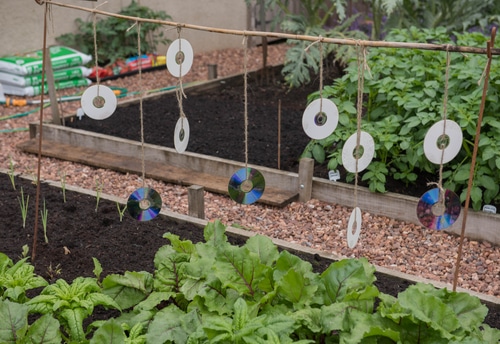
Image Source: moowy.co.uk
The Birdly Dilemma: Why They Love Your Seed
Birds are naturally attracted to the tiny, nutritious seeds you’ve just spread. For them, it’s an easy meal. They might be foraging for a quick snack, or a whole flock could descend upon your newly seeded area, decimating your efforts in minutes. Understanding their behavior is the first step in effective seed protection.
Common Culprits
Different species of birds have different feeding habits. Some of the most common seed-eaters you’ll encounter include:
- Pigeons: Widespread and opportunistic feeders.
- Sparrows: Small, but can gather in large numbers.
- Starlings: Also gather in flocks and can be quite voracious.
- Doves: Often found in gardens and can peck at small seeds.
- Finches: Particularly attracted to smaller seeds.
Early Intervention: Seeding Smart
The best defense is a good offense, and that starts before the birds even know your seed is there. Smart seeding practices can make your lawn less appealing to them from the outset.
Timing is Everything
- Avoid Peak Feeding Times: Birds are most active at dawn and dusk. If possible, sow your seed outside these prime feeding windows.
- Consider Weather: Seeding just before a light rain can help wash the seeds into the soil, making them less accessible to birds. However, avoid heavy downpours that can wash away seeds altogether.
Seed Selection Matters
- Coated Seeds: Some grass seed varieties are coated with a protective layer, often clay-based, that can make them less palatable or harder for birds to pick up. While not a foolproof solution, it can offer some deterrence.
- Seed-to-Soil Contact: The more seed-to-soil contact you achieve, the better. This means ensuring the soil is properly prepared, raked smooth, and then lightly tamped down after seeding. Seeds that are pressed into the soil are harder for birds to unearth.
Physical Barriers: Creating a Fort Knox for Your Seed
When birds have their sights set on your lawn, physical barriers are some of the most effective bird repellent methods. These methods physically prevent birds from reaching the seed.
Netting: The Classic Approach
Netting is a tried-and-true method for protecting vulnerable areas. For lawn seed, a lightweight bird netting or frost protection fabric can be draped over the seeded area.
How to Use Netting Effectively:
- Support the Netting: Use stakes, hoops, or even a simple frame to keep the netting elevated above the soil. This prevents birds from simply pecking through the netting from ground level and also allows for better air circulation and light penetration.
- Secure the Edges: Ensure the edges of the netting are firmly secured to the ground using garden staples, rocks, or bricks. This prevents birds from crawling underneath.
- Remove Promptly: Once the grass has germinated and is a few inches tall, you can remove the netting. Leaving it on too long can hinder growth and create a hazard for larger wildlife.
- Consider Mesh Size: Choose netting with a mesh size small enough to exclude your target birds but large enough to allow adequate light and water to reach the seeds.
Bird Spikes: For Edges and Surfaces
While more commonly seen on rooftops and ledges, bird spikes can also be adapted for specific situations, particularly around the borders of a seeded area or on any structures nearby that birds might use as a staging ground.
Adapting Bird Spikes for Lawn Seed:
- Perimeter Protection: Place bird spikes on raised garden bed edges or any low walls surrounding your lawn to discourage birds from landing and perching close to the seeded area.
- Not for Direct Seeding: Bird spikes are not meant to be placed directly on the soil where you’ve sown seeds. Their purpose is to deter landing and perching in the vicinity.
Visual and Auditory Deterrents: Making Your Lawn Uninviting
Birds are also sensitive to visual cues and sounds. Utilizing these can help scare birds away from your valuable seeds.
Reflective Tape: Flashing Lights of Warning
Reflective tape, often called scare tape or flash tape, is made of a Mylar material that reflects sunlight in dazzling patterns. This shimmering and fluttering movement can be highly disorienting and frightening to birds.
Tips for Using Reflective Tape:
- Placement is Key: Hang strips of reflective tape on stakes around the perimeter of your seeded area. The movement and flash of the tape in the breeze are what make it effective.
- Vary Its Position: Birds can get used to static deterrents. Move the tape to different locations periodically to maintain its effectiveness.
- Combine with Other Methods: Reflective tape is often more effective when used in conjunction with other deterrents.
Scarecrows and Decoys: Familiar Foes
Traditional scarecrows and bird decoys (like owls or hawks) can offer some short-term protection.
Maximizing Scare Tactics:
- Movement is Crucial: A stationary scarecrow is often ignored. Consider attaching some reflective tape to it or placing it in a way that it moves slightly in the wind.
- Realistic Appearance: Lifelike decoys are generally more effective than cartoonish ones.
- Relocate Regularly: Just like with reflective tape, birds will eventually become accustomed to decoys if they remain in the same spot. Move them around your lawn every few days.
Ultrasonic Devices: The Unseen Annoyance
Ultrasonic devices emit high-frequency sounds that are inaudible to humans but can be irritating to birds.
Considerations for Ultrasonic Devices:
- Effectiveness Varies: Their effectiveness can be hit-or-miss. Some studies show limited success, while others find them quite useful.
- Coverage Area: These devices typically have a specific range. You might need multiple units for larger areas.
- Potential Impact on Pets: While designed for birds, it’s worth noting that some ultrasonic devices might affect other animals.
Natural Deterrents: Harnessing Nature’s Defenses
For those who prefer to avoid artificial methods, there are several natural deterrents that can help protect your lawn seed.
Plants with Unpleasant Scents or Textures
Some plants are naturally disliked by birds. While you won’t be planting these directly on your seed, strategically placing them around your yard can help create an unwelcoming environment.
- Marigolds: Known for their strong scent, which many birds dislike.
- Onions and Garlic: Their strong odors can deter birds.
- Certain Herbs: Mint, rosemary, and lavender can also be less appealing to birds.
Spices and Essential Oils
- Cayenne Pepper: Some gardeners sprinkle a small amount of cayenne pepper on their seedbeds. Birds are sensitive to the capsaicin, and while it won’t harm them, it makes the seed unpleasant to eat. Important Note: Use sparingly and be aware that heavy rain can wash it away.
- Peppermint Oil: The strong scent of peppermint oil can also deter birds. Dilute it with water and spray around the area.
Water Sprinklers: A Sudden Surprise
Motion-activated sprinklers can be a very effective deterrent. When a bird approaches the seeded area, the sprinkler suddenly activates, spraying water and startling the bird away.
Best Practices for Sprinklers:
- Placement: Position them so they cover the entire seeded area.
- Sensitivity Adjustment: Adjust the sensitivity to avoid false alarms from wind or small animals.
- Winterization: Remember to drain and store them before freezing temperatures arrive.
Companion Planting and Other Lawn Care Tips
Integrating your seed protection strategy with broader lawn care tips can yield even better results.
Mulching: A Protective Blanket
Applying a thin layer of straw or specialized seed mulch can be incredibly beneficial.
Benefits of Mulching for Seed Protection:
- Physical Barrier: The mulch acts as a physical barrier, making it harder for birds to access the seeds.
- Moisture Retention: It helps keep the soil moist, promoting better germination.
- Prevents Washout: It can help prevent seeds from being washed away by rain.
- How to Mulch: Apply a light, even layer of straw (ensure it’s seed-free straw to avoid introducing unwanted weeds). You should still be able to see the soil through the straw.
The “Wait and See” Approach with Bird Feeders
It might seem counterintuitive, but having bird feeders strategically placed away from your newly seeded lawn can sometimes help.
Rationale:
- Distraction: If birds have an easily accessible and preferred food source elsewhere, they might be less inclined to raid your lawn.
- Careful Placement: Ensure your bird feeders are not so close that they still draw attention to the seeded area. The goal is to redirect their focus, not to create a buffet next to your lawn.
Combining Methods for Maximum Effectiveness
The most successful strategies often involve a combination of approaches. Birds are adaptable, so a multi-pronged attack is your best bet.
Synergy of Solutions
Consider combining:
- Physical Barrier (Netting) + Visual Deterrent (Reflective Tape): Netting provides a direct physical barrier, while reflective tape adds an element of surprise and visual unease.
- Mulching + Natural Deterrent (Cayenne Pepper): Mulch offers physical protection and moisture, while a light dusting of cayenne pepper adds a taste deterrent.
- Motion-Activated Sprinkler + Decoy: The shock of water combined with a visual decoy can be a powerful deterrent.
Gradual Introduction of Deterrents
Start with your preferred method and observe the results. If birds persist, introduce another deterrent. This helps you gauge what works best in your specific environment and also prevents birds from becoming accustomed to any single tactic too quickly.
When to Implement and How Long to Maintain
The duration you need to employ these methods depends on several factors:
- Seed Germination Rate: Different grass seed types have varying germination times.
- Bird Pressure: How persistent are the birds in your area?
- Weather Conditions: Unfavorable weather can prolong the vulnerability of the seeds.
Generally, you’ll want to keep deterrents in place until the grass has germinated and is at least 1-2 inches tall. At this stage, the seedlings are more robust, and the roots are established enough to withstand some minor pecking.
Table: Summary of Bird Deterrent Methods
| Method | How it Works | Pros | Cons | Best For |
|---|---|---|---|---|
| Netting | Physical barrier | Highly effective, reusable | Can be labor-intensive, requires support, needs removal after germination | Large seeded areas, high bird pressure |
| Reflective Tape | Visual deterrent (flashing light, movement) | Easy to use, relatively inexpensive | Birds can get used to it, effectiveness depends on wind and light | Supplementing other methods, smaller areas |
| Bird Spikes | Deters perching/landing | Effective for perimeter deterrence | Not for direct seeding, can be unsightly, potentially hazardous to wildlife | Edges of beds, nearby structures |
| Scarecrows/Decoys | Visual deterrent (frightens birds) | Can be effective if moved regularly | Birds often habituate quickly, effectiveness is limited | Small to medium areas, as part of a combined strategy |
| Ultrasonic Devices | Auditory deterrent (high-frequency sound) | Silent to humans, no direct contact | Effectiveness varies, can affect pets, requires power source | Areas where visual/physical deterrents are not feasible |
| Mulching (Straw) | Physical barrier, moisture retention | Protects seeds, aids germination, suppresses weeds | Can introduce weed seeds if low quality, requires careful application | All seeded areas, especially on slopes |
| Cayenne Pepper | Taste deterrent | Natural, inexpensive | Washed away by rain, may need reapplication, can irritate eyes/skin | Small areas, as a supplement to other methods |
| Motion Sprinklers | Water deterrent (startles birds) | Very effective, humane | Requires water source and power, can be triggered by non-target animals | All seeded areas, especially when germination is critical |
Conclusion: A Greener Lawn Starts with Smart Protection
Keeping birds off your lawn seed might seem like an uphill battle, but with a strategic approach, you can safeguard your investment. By employing a combination of physical barriers, visual and auditory deterrents, and smart lawn care tips like proper mulching, you can significantly increase the success rate of your new lawn. Remember that consistency and a willingness to adapt your methods are key. Enjoy the process, and soon you’ll be enjoying a lush, green lawn, free from unwanted avian visitors.