
Do you have a yard that turns into a swimming pool after every rain? You’re not alone! Yard flooding is a common problem, but it can be fixed. What is yard flooding? It’s when excess water accumulates on your property, often due to poor drainage. Can I fix my yard drainage myself? Yes, many drainage solutions are DIY-friendly, but some may require professional help. Who is the best person to help with yard drainage? Depending on the complexity, it could be a landscaper, a drainage specialist, or even a general contractor.
Dealing with a soggy yard can be frustrating and even damaging. Water pooling in your yard can kill grass, damage plants, and even seep into your home’s foundation. The good news is that you can implement effective yard drainage strategies to manage water management and keep your outdoor space dry and enjoyable. This guide will delve deep into practical drainage solutions for preventing yard water issues.
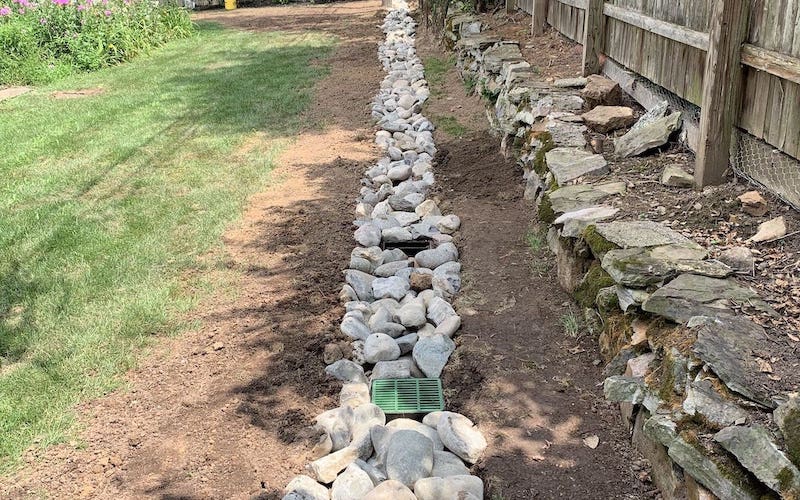
Image Source: hydroscapespa.com
Why Does My Yard Flood? Pinpointing the Cause
Before you can stop flooding, you need to know why it’s happening. Several factors can contribute to a soggy yard:
- Poor Grading: The slope of your land is crucial. If your yard slopes towards your house or low spots collect water, you’ll have flooding.
- Compacted Soil: Hard, compacted soil doesn’t allow water to soak in easily, leading to surface runoff.
- Heavy Rainfall: Intense or prolonged rain events can overwhelm even moderately sloped yards.
- Impermeable Surfaces: Paved areas like driveways and patios don’t absorb water, forcing it to flow elsewhere, often into your yard.
- Blocked Gutters and Downspouts: If rainwater from your roof isn’t directed away from your foundation, it can pool in your yard.
- High Water Table: In some areas, the natural groundwater level is close to the surface, making drainage more challenging.
- Clay Soil: Clay soil is dense and drains slowly, exacerbating water issues.
Common Areas of Concern
- Low Spots: These are natural collection points for water.
- Near the Foundation: Water pooling too close to your house can cause serious structural problems.
- Along Driveways and Sidewalks: Water often collects at the edges of hard surfaces.
Practical Yard Drainage Solutions
Addressing yard flooding involves a multi-pronged approach. Here are effective drainage solutions to consider:
1. Grading Solutions: Shaping Your Landscape for Success
Proper grading is the foundation of good yard drainage. It’s about creating a gentle slope away from your house and towards a suitable drainage area.
Adjusting the Slope
- The Goal: A consistent, gentle slope of at least 1-2% (about 1/8 to 1/4 inch drop per foot) away from your home’s foundation is ideal.
- How to Assess: You can use a long level and a string or a transit level to check the existing slope.
- DIY Approach: For minor issues, you can add soil to low spots, ensuring it’s compacted properly to prevent future settling. Be careful not to bury plants or create new problems.
- When to Call a Professional: For significant grading changes, especially if it involves altering large areas or is close to your foundation, a professional landscaper or grading contractor is recommended. They have the equipment and expertise to ensure the slope is effective and doesn’t cause other issues.
Raised Garden Beds and Berms
- Purpose: Creating raised areas can help divert water.
- Implementation: Building raised garden beds or small mounds (berms) can lift plantings out of soggy areas. Ensure these are also graded away from structures.
2. French Drains: The Silent Water Movers
A French drain is a trench filled with gravel and a perforated pipe that redirects groundwater away from problematic areas. It’s one of the most effective drainage solutions for persistent sogginess.
How a French Drain Works
- Trench: A trench is dug, typically 6-12 inches wide and 2-3 feet deep, with a slight slope towards the outlet.
- Gravel Base: A layer of gravel is placed at the bottom of the trench.
- Perforated Pipe: A perforated pipe (usually PVC) is laid on top of the gravel, with the holes facing down to collect water.
- More Gravel: The pipe is then covered with more gravel.
- Landscape Fabric: To prevent soil and debris from clogging the gravel and pipe, a layer of landscape fabric is wrapped around the gravel and pipe.
- Backfill: The trench is then backfilled with soil, often allowing for planting or grass on top.
Planning Your French Drain
- Identify the Source and Destination: Determine where the water is coming from (e.g., a soggy lawn, a downspout overflow) and where you want to direct it (e.g., a storm drain, a dry well, a lower part of your property).
- Slope is Key: The entire system needs to slope downwards towards the outlet.
- Size Matters: The trench depth and width depend on the amount of water you need to handle.
DIY vs. Professional Installation
- DIY: Can be a significant undertaking, requiring digging, hauling gravel, and precise placement. It’s feasible for smaller, simpler systems.
- Professional: For larger or more complex installations, or if you’re unsure about the slope and outlet, hiring a drainage contractor is advisable. They can ensure proper function and longevity.
3. Sump Pumps: Pumping Out the Problem
While not always a visible yard drainage feature, sump pumps are essential for homes with basements or crawl spaces prone to flooding. They can also be used in exterior drainage systems.
How Sump Pumps Work
A sump pit is installed in the lowest part of your yard or basement. When the water level in the pit reaches a certain point, a float switch activates the pump, which then pushes the water out through a discharge pipe, away from your home.
Types of Sump Pumps
- Submersible Pumps: Placed directly in the sump pit, these are generally quieter and more efficient.
- Pedestal Pumps: The motor is located above the water, with a long shaft extending into the pit. They are typically less expensive but can be noisier.
When to Use a Sump Pump for Yard Drainage
- Basement Water: The most common use, preventing basement flooding.
- Low-Lying Areas: Can be installed in a pit in a persistently waterlogged part of the yard to actively remove water.
- Tie-in to Drainage Systems: Sump pumps can be the endpoint for French drains or other collection systems that need an active means to discharge water.
4. Rain Gardens: Nature’s Drainage System
A rain garden is a beautiful and effective way to manage yard drainage by creating a shallow, planted depression designed to capture, absorb, and filter stormwater runoff.
Benefits of Rain Gardens
- Reduce Runoff: They absorb rainwater, preventing it from overwhelming storm drains or pooling in your yard.
- Improve Water Quality: Plants and soil filter pollutants from the water.
- Support Wildlife: They create habitats for birds, butterflies, and beneficial insects.
- Aesthetic Appeal: Can be designed to be attractive landscape features.
Designing and Installing a Rain Garden
- Location: Choose a spot that naturally collects water, typically 10-20 feet away from your home’s foundation. Avoid areas where water stands for more than 24-48 hours.
- Size and Shape: The size depends on the amount of runoff. Generally, a slightly larger area is better. The shape can be organic or formal.
- Depth: A gentle slope is key. The deepest part should be around 4-8 inches, with the sides sloping up gradually.
- Soil Mix: Use a well-draining soil mix, often a combination of topsoil, sand, and compost.
- Plant Selection: Choose native plants that are drought-tolerant once established but can also withstand wet conditions. Look for plants that thrive in varying moisture levels.
Maintenance
Rain gardens require minimal maintenance once established. Weed control and occasional pruning are usually all that’s needed.
5. Landscaping for Drainage: Smart Planting and Design
Landscaping for drainage involves strategic planting and design choices that help manage water flow and absorption.
Swales and Berms
- Swales: These are shallow, wide ditches that are often planted with grass. They are designed to slow down and redirect surface water, allowing it to soak into the ground.
- Berms: Raised mounds of earth can be used to direct water away from certain areas.
Water-Loving Plants
- Bioretention: Certain plants are excellent at absorbing large amounts of water. Incorporating these into soggy areas can help dry them out. Examples include:
- Willow trees
- Red osier dogwood
- Cardinal flower
- Blue flag iris
Aerating Compacted Soil
- Core Aeration: This process removes small plugs of soil, creating channels for water and air to penetrate. It’s particularly helpful for compacted lawns.
- Topdressing: Adding compost or other organic matter after aeration helps improve soil structure and water absorption over time.
6. Permeable Paving: Letting Water Through
Permeable paving allows water to pass through it, rather than running off. This is an excellent drainage solution for driveways, patios, and walkways.
Types of Permeable Paving
- Permeable Pavers: These are interlocking concrete or stone units with gaps that are filled with gravel or small stones, allowing water to seep through.
- Gravel Systems: Layers of gravel can be used for driveways and paths, offering good drainage.
- Permeable Asphalt and Concrete: Special types of asphalt and concrete are manufactured to allow water to pass through their surface.
- Grass Pavers: Grid systems that support grass while providing structural stability and allowing water infiltration.
Benefits
- Reduces Runoff: Significantly decreases the amount of water flowing over impervious surfaces.
- Recharges Groundwater: Allows rainwater to seep back into the ground.
- Reduces Erosion: Prevents water from channeling and eroding soil.
7. Gutter Maintenance and Downspout Extensions
This is often overlooked but is a critical step in preventing yard water from accumulating near your foundation.
Gutter Cleaning
- Frequency: Clean your gutters at least twice a year, in the spring and fall, or more often if you have many trees.
- What to Remove: Leaves, twigs, sediment, and any other debris that can block water flow.
Downspout Extensions
- Purpose: Ensure your downspouts direct water at least 5-10 feet away from your home’s foundation.
- Options:
- Flexible Extensions: Easy to install and move.
- Rigid Extensions: More permanent and durable.
- Underground Drains: Connect downspouts to underground pipes that carry water further away, potentially to a dry well or storm drain. This is a more involved drainage solution.
8. Dry Wells: Underground Water Storage
A dry well is an underground pit filled with gravel that collects and slowly releases stormwater runoff into the surrounding soil.
When to Use a Dry Well
- Downspout Discharge: Connect downspouts to a dry well to disperse roof water.
- French Drain Outlet: Can serve as an outlet for a French drain system.
- Catch Basins: Often used in conjunction with catch basins, which are grates that collect surface water and channel it to the dry well.
Installation Considerations
- Location: Should be located away from the foundation and any utilities.
- Size: The size of the dry well depends on the amount of water it needs to handle.
- Depth: Digging deep enough to reach permeable soil layers is important for effective drainage.
Putting It All Together: A Comprehensive Approach
Effective yard drainage often requires combining several of these drainage solutions.
Step-by-Step Action Plan
- Assess the Problem: Walk your yard after a rain. Where is the water pooling? Where is it coming from? Take notes and photos.
- Check Gutters and Downspouts: Ensure they are clean and directing water away from your house.
- Examine Grading: Look for low spots near your foundation or in key areas of your yard.
- Consider Soil Type: If you have heavy clay, you’ll need more robust solutions.
- Prioritize Solutions:
- Minor Issues: Start with grading adjustments and gutter/downspout improvements.
- Moderate Issues: Consider adding a rain garden or a small French drain.
- Severe Issues: You may need larger French drains, a sump pump system, or significant grading changes, likely requiring professional help.
- Implement Solutions: Begin with the simplest and most cost-effective options.
- Monitor and Adjust: See how your changes affect water flow. You might need to refine your approach.
Table: Comparing Drainage Solutions
| Solution | Best For | Complexity | Cost (Low/Med/High) | Notes |
|---|---|---|---|---|
| Grading | General surface water flow, low spots | Med-High | Med-High | Crucial for all drainage; professional help often needed for major changes. |
| French Drains | Persistent sogginess, waterlogged areas | High | High | Effective for subsurface water; requires excavation and gravel. |
| Sump Pumps | Basements, active water removal | High | High | Best for areas where gravity drainage isn’t enough. |
| Rain Gardens | Stormwater absorption, beautification | Med | Med | Uses plants to manage water; great for reducing runoff and supporting wildlife. |
| Landscaping | Surface flow redirection, soil improvement | Low-Med | Low-Med | Strategic planting and shaping can make a big difference. |
| Permeable Paving | Driveways, patios, walkways; reducing runoff | High | High | Allows water to infiltrate; excellent for hard surfaces. |
| Gutter Maintenance | Roof water management | Low | Low | Essential first step to prevent water from reaching the yard. |
| Downspout Extensions | Directing roof water away from foundation | Low | Low | Simple and effective way to improve initial water dispersal. |
| Dry Wells | Collecting and dispersing water underground | High | Med-High | Good for managing concentrated water sources like downspouts. |
FAQs About Yard Flooding and Drainage
Q1: How do I know if my yard has a drainage problem?
Signs include standing water for more than 24 hours after rain, soggy or mushy soil, mold or mildew growth, foundation cracks, and basement flooding.
Q2: Can I fix a drainage problem myself?
Yes, many issues can be addressed with DIY solutions like improving grading, cleaning gutters, extending downspouts, or creating a small rain garden. For more complex problems, professional help is recommended.
Q3: What is the most effective drainage solution?
The most effective solution depends on the specific cause of the flooding. French drains are highly effective for persistent sogginess, while proper grading is fundamental for all drainage issues.
Q4: How deep should a French drain be?
A typical French drain trench is 2-3 feet deep, but this can vary based on the soil type and the amount of water you need to manage.
Q5: Will planting trees help with yard drainage?
Yes, trees with extensive root systems can help absorb water and improve soil structure, aiding drainage in some areas. However, be mindful of tree placement near foundations.
Q6: What are the signs of a failing drainage system?
Visible water pooling, soggy ground, erosion, and water backups in drains are all signs of a failing system.
Q7: How much does it cost to fix yard drainage?
Costs vary widely. DIY fixes can be inexpensive. Professional solutions like French drains or extensive grading can range from hundreds to thousands of dollars depending on the scale of the work.
By implementing these drainage solutions and practicing good water management, you can transform your waterlogged yard into a dry, functional, and beautiful space. Remember to assess your specific needs and choose the methods that best suit your property and budget for effective preventing yard water accumulation.